
Have you ever opened your fridge and faced a mountain of forgotten ingredients? I found myself in this situation far too often. That’s when I decided to create a “Reverse Meal Plan” to tackle food waste and keep my meals exciting!
Understanding the Concept of a Reverse Meal Plan
When I first heard about the idea of a reverse meal plan, I was intrigued. It completely flipped the traditional meal planning process on its head. Instead of planning my meals around what I wanted to eat, I started planning them based on what I already had in my pantry and refrigerator. This approach not only minimized waste but also helped me get creative with my cooking. Let’s explore how I did it and how you can, too.
Assessing What You Have
The first step in creating a reverse meal plan is to take stock of what’s in your kitchen. I began this process by clearing out my fridge and pantry, which was quite an eye-opener. I found ingredients I had forgotten about, things that were close to expiring, and even some items I had bought on a whim and never used. I took my time and made a detailed list of everything that was still good. I also took note of the expiration dates to prioritize the ingredients that needed to be used first.
During this inventory, I realized that I often bought things in bulk without a clear plan for how to use them. I had several bags of frozen vegetables, grains, and canned goods. By checking my supplies regularly, I learned to make better purchasing decisions, which not only saved money but also helped reduce waste. I recommend doing this inventory at least once a week to keep track of your ingredients and ensure freshness.
Getting Creative with Ingredients
Once I had my inventory, the next step was to get creative. I found that I could create meals based on what I had rather than what I wanted to eat. For example, I had a bag of lentils, some wilting spinach, and a few tomatoes. Instead of letting them sit idle, I decided to make a hearty lentil soup. I tossed in some spices and herbs I had on hand, and it turned out to be one of my favorite meals!
One of the key aspects of this planning is flexibility. I learned to look at my ingredients as components that could be mixed and matched. If I had some leftover rice, I could make a stir-fry or a rice salad, depending on what else was available. By being open to experimenting, I found new favorite dishes and reduced my food waste significantly.
Planning Meals Around Ingredients
After assessing my ingredients and getting creative, the next step was to plan meals specifically designed around what I wanted to use up. I started making a weekly meal plan, but instead of listing the meals first, I listed my ingredients. For instance, if I had chicken thighs, broccoli, and potatoes, I would plan a roasted chicken dish with veggies on the side.
I discovered that planning this way helped me make the most of what I had. I also found it less stressful because I wasn’t trying to force myself to cook a specific recipe. Instead, I focused on using what was available, which often led to spontaneous and delicious meals.
Creating Recipes Based on Leftovers
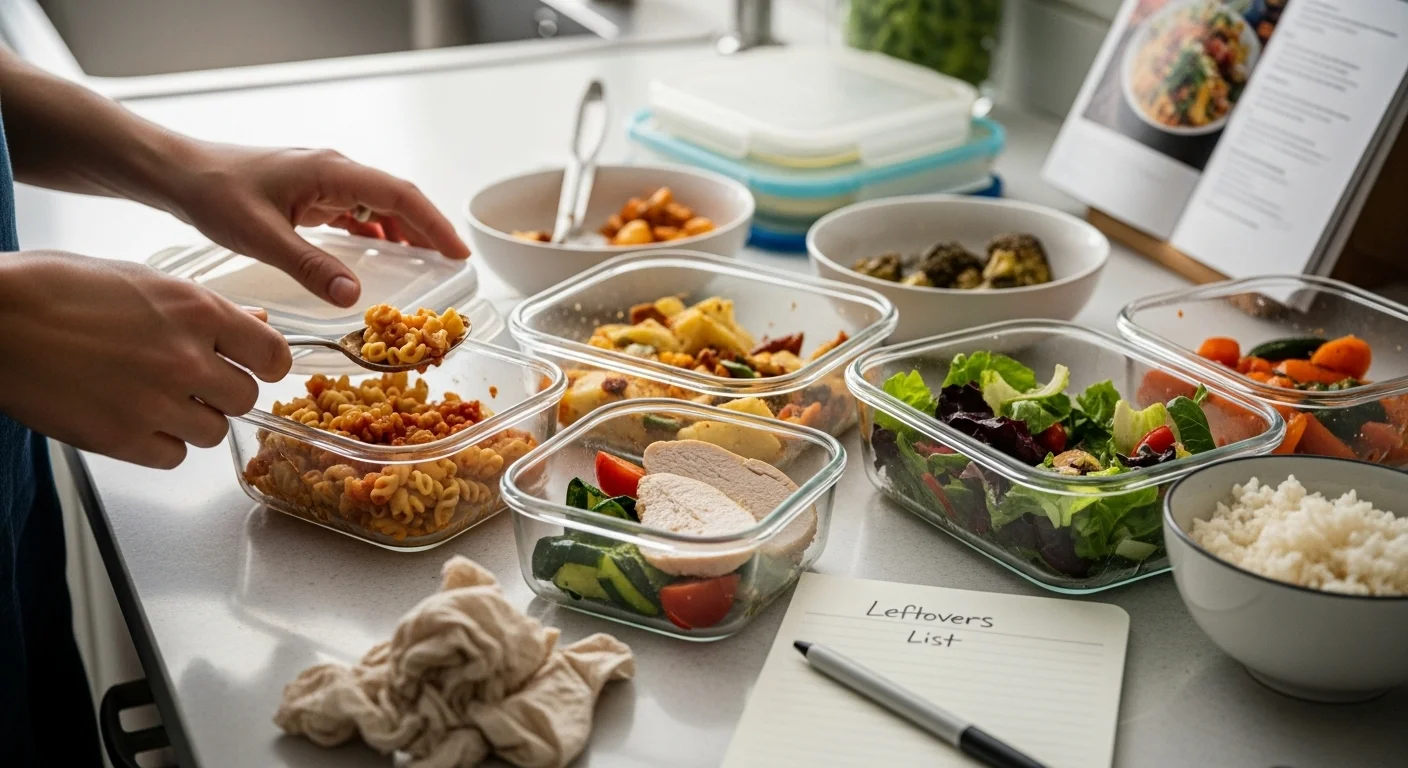
Another exciting aspect of my reverse meal planning was creating recipes based on leftovers. I began to look at leftovers not as a burden, but as an opportunity to reinvent meals. For instance, if I had grilled chicken from one night, I would use it in a salad or wrap the next day. If I had roasted vegetables left over, I could toss them into a frittata or blend them into a soup.
One of my favorites was turning leftover quinoa into a breakfast bowl. I would mix it with some yogurt, fresh fruit, and a drizzle of honey, creating a nutritious and satisfying start to my day. This practice not only helped me cut down on waste but also made my meals more diverse and exciting.
Involving the Whole Family
As I embraced this new meal planning strategy, I decided to involve my family in the process. I found that getting everyone on board made a significant difference. I’d have everyone suggest meals based on what we had, turning it into a fun activity rather than a chore. This not only made meal preparation more enjoyable but also taught my kids about managing food resources wisely.
We would even have a “clean-out-the-fridge” night where we used whatever was left over before grocery shopping. It became a game for us to see how many unique meals we could create from what was available. This approach not only reduced food waste but also encouraged my family to appreciate the value of using what we have.
By adopting the reverse meal planning methodology, I transformed my relationship with food. I learned to respect the ingredients I purchased and became more mindful about what I brought into my home. This journey has not only benefited my wallet but has also been a rewarding experience on my path to reducing food waste.
“`htmlExploring Seasonal and Local Ingredients
One of the most rewarding aspects of my reverse meal planning journey has been the opportunity to explore seasonal and local ingredients. I started paying more attention to what was available at local farmers’ markets and in season at grocery stores. Using seasonal produce not only enhanced the freshness of my meals but also allowed me to support local farmers and reduce my carbon footprint.
For instance, during the summer months, I found myself with an abundance of zucchini and tomatoes. Instead of letting them go to waste, I experimented with various dishes, such as ratatouille, zucchini fritters, and even a refreshing tomato salad. I also learned that incorporating local ingredients often led to more flavorful dishes since they were harvested at their peak ripeness.
Embracing seasonal ingredients encouraged me to be more adaptable in my meal planning. As I became familiar with what was in season, I found it easier to adjust my meals based on what was available. This flexibility not only made cooking more fun but also inspired me to try new recipes that I wouldn’t typically consider.
Building a Recipe Collection
As I continued with my reverse meal planning, I began to build my own collection of go-to recipes. I found it helpful to keep a digital or physical folder filled with recipes that utilized common ingredients I had on hand. This collection became a source of inspiration, especially on days when I felt uninspired or overwhelmed.
I organized my recipes by main ingredients, making it easy to find something that aligned with what I had available. For instance, if I had a surplus of beans, I could quickly pull up recipes for chili, bean salads, or bean burgers. This not only saved time but also made it easier to get creative with minimal effort. Knowing that I had recipes that matched my inventory gave me the confidence to try new combinations and techniques.
Over time, I also started documenting my own creations, noting what worked well and what didn’t. This practice not only helped me refine my cooking skills but also built a sense of accomplishment as I explored the culinary arts. I began to appreciate the process of cooking rather than seeing it merely as a means to an end.
Utilizing Technology to Aid Meal Planning
In an era where technology is at our fingertips, I realized I could use various apps and tools to streamline my reverse meal planning process. There are several meal-planning apps that allow me to input my ingredients and suggest recipes based on what I have. This feature has been a game-changer, especially during busy weeks when I’m short on time.
Moreover, I discovered apps that help track expiration dates and notify me when it’s time to use certain ingredients. This has been invaluable in managing my pantry and fridge to avoid that dreaded food waste. I can set reminders for items that are nearing their expiration, allowing me to prioritize their use in my upcoming meals.
In addition to meal-planning apps, I found community forums and social media groups dedicated to cooking and reducing food waste. Engaging with like-minded individuals has provided me with new ideas, recipes, and motivation. Sharing experiences about creative uses for leftovers or unexpected ingredient pairings has expanded my culinary repertoire and kept me excited about cooking.
Engaging in Meal Prepping
Another strategy I adopted was meal prepping. I found that dedicating a few hours each week to pre-cook and portion meals helped me stay ahead of the game and make better use of my ingredients. I started by prepping ingredients like chopped vegetables, cooked grains, and proteins, making it easy to throw together meals during the week.
Meal prepping not only saved time during busy weeknights but also reduced my reliance on takeout and convenience foods. When I had prepped ingredients ready to go, I was far less likely to resort to unhealthy alternatives. It also reinforced my commitment to my reverse meal planning approach, as I was actively engaging with the ingredients I had on hand.
One of my favorite meal prep ideas was creating “mason jar salads” with different layers of ingredients. I would pack various veggies, grains, and proteins in jars, making it easy to grab a nutritious lunch or dinner on the go. This method allowed me to mix and match based on what I had available, keeping my meals interesting throughout the week.
Final Thoughts
Through my reverse meal planning journey, I have not only reduced food waste but also transformed my cooking experience into an engaging and fun process. I’ve discovered new recipes, learned to use ingredients creatively, and involved my family in the adventure. Ultimately, this approach has fostered a deeper appreciation for food and a more mindful approach to cooking that I hope to continue for years to come.
“`