
Making a gluten-free Battenberg cake is a delightful way to impress your friends and family with something both beautiful and delicious. This charming cake is not only a treat for the taste buds but also a feast for the eyes! Read Interesting article: The Viral Tofu Steak Everyone’s Talking About Actually Slaps
Understanding Battenberg Cake
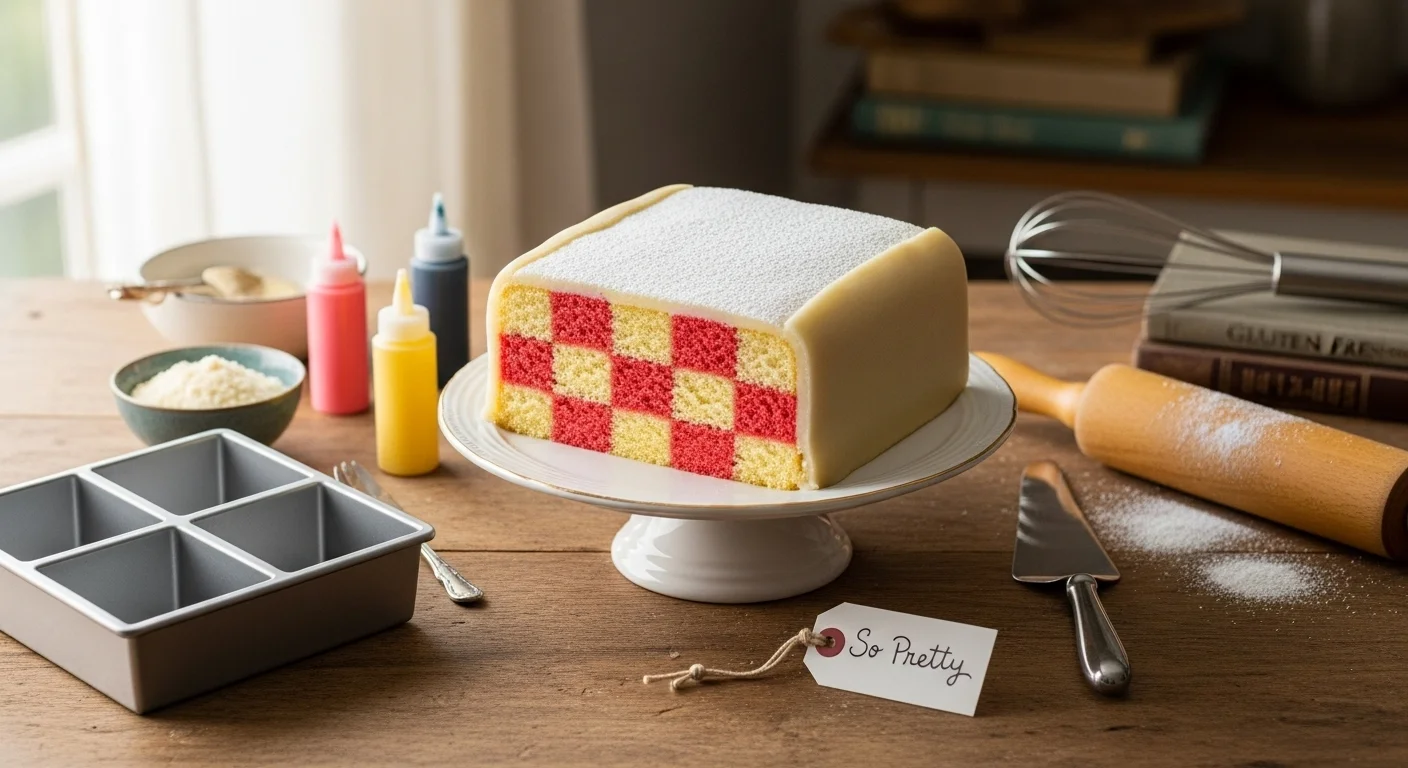
The Battenberg cake is a unique and visually striking dessert that has been charming cake lovers for over a century. If you’re anything like me, you’re likely drawn to desserts that are as pretty as they are tasty. The Battenberg cake, with its alternating pink and yellow squares wrapped in a delicate layer of marzipan, certainly fits that bill. But what’s the story behind this gorgeous cake? Let’s dive into its history and explore how we can adapt it to suit gluten-free diets.
History and Origin of Battenberg Cake
The origins of Battenberg cake can be traced back to the 19th century and are often associated with the marriage of Princess Victoria of Hesse and Prince Louis of Battenberg in 1884. The cake was created as a nod to the royal family’s heritage, with its checkered pattern representing the four members of the Battenberg family. Interestingly, this cake was also known as “Battenburg” in some regions, but the name “Battenberg” has become the standard. I find it fascinating how a simple cake can carry such royal history!
As time went on, the Battenberg cake became a popular choice for afternoon tea and celebrations, especially in the UK. Its striking appearance and delightful texture made it a favorite. However, with the growing awareness of gluten intolerance and celiac disease, many people have sought gluten-free alternatives to this classic recipe. That’s where my journey began—wanting to create a version that everyone can enjoy.
Traditional Ingredients vs. Gluten-Free Ingredients
The traditional Battenberg cake is made with basic ingredients like wheat flour, sugar, butter, eggs, and flavorings. The cake is typically baked in two large rectangles that are then combined to create the signature checkered pattern. However, making it gluten-free requires some thoughtful substitutions. I’ve experimented with various flour combinations and have learned which gluten-free options yield the best results without sacrificing flavor or texture.
In my experience, the key to maintaining that soft, moist texture is to use a blend of gluten-free flours rather than relying on just one. This ensures that the cake holds together well while keeping the flavors balanced. It’s also important to pay attention to the other ingredients, ensuring they are free from gluten contamination. The journey to perfecting my gluten-free Battenberg cake taught me so much about baking and ingredient selection.
Essential Ingredients for Gluten-Free Battenberg Cake
Now that we understand the history and how traditional ingredients differ from gluten-free options, let’s talk about the essential ingredients you’ll need to make your Battenberg cake shine.
Gluten-Free Flour Options
The first step in creating a gluten-free Battenberg cake is selecting the right flour. I’ve found that using a combination of almond flour and a gluten-free all-purpose blend works wonders. Almond flour adds a nice nutty flavor and moisture to the cake, while the all-purpose blend provides structure. Brands like Bob’s Red Mill or King Arthur Flour offer blends that perform well in baking. You can also experiment with coconut flour or oat flour, but be cautious, as they can alter the texture significantly. My personal favorite is the almond flour blend—it gives the cake a lovely richness that pairs beautifully with the marzipan. Read Interesting article: 18 Kid-Friendly Dinners for Busy School Nights
Butter and Sugar: The Basics
When it comes to butter and sugar, the traditional options usually work just fine in gluten-free baking. I like to use unsalted butter for a cleaner flavor, allowing the sweetness of the sugar to shine. Granulated sugar is standard, but I often add a bit of brown sugar for extra depth. The combination not only enhances the flavor but also helps keep the cake moist. If you’re looking for a dairy-free alternative, coconut oil or a vegan butter substitute can also work well.
Eggs and Their Role in Structure
Eggs play a crucial role in the structure of any cake, and gluten-free cakes are no exception. They provide moisture, richness, and help bind the ingredients together. I typically use large eggs, and I’ve had great success with using three eggs in my gluten-free Battenberg recipe. If you’re vegan or allergic to eggs, consider using flaxseed meal mixed with water as a substitute, but be aware that it might change the texture slightly.
Flavoring: Vanilla vs. Almond Extract
Flavoring is where you can really let your creativity shine. Traditionally, vanilla extract is used, but I’ve found that adding a splash of almond extract elevates the flavor profile beautifully. It compliments the almond flour and gives the cake a subtle nutty depth. I usually use a combination of both extracts to enhance the overall taste. Feel free to experiment—this is your cake, after all!
Food Coloring for Visual Appeal
Finally, we can’t forget about food coloring! The classic Battenberg cake is known for its pastel pink and yellow layers. I recommend using gel food coloring rather than liquid, as it won’t alter the batter’s consistency. Just a few drops will give you that vibrant, eye-catching color. I remember the first time I made my gluten-free Battenberg cake, and seeing those squares come together was such a rewarding moment. It felt like my little baking masterpiece!
As we continue this delicious journey of creating a gluten-free Battenberg cake, keep these essential ingredients in mind. Each component plays a vital role in achieving that beautiful and tasty dessert we all love. Next, we’ll dive into the preparation steps that will bring this cake to life.
Preparation Steps for Gluten-Free Battenberg Cake
Gathering Your Ingredients and Tools
Before diving into baking, I always make sure to gather all my ingredients and tools. It really makes the process smoother and more enjoyable. For this gluten-free Battenberg cake, you’ll need your essential ingredients, of course, but also some baking tools that I find indispensable. I recommend having two 8-inch square cake pans, a mixing bowl, a whisk or hand mixer, measuring cups and spoons, and parchment paper. Having these ready before you start is a game-changer! It helps me stay organized and prevents any last-minute scrambles.
Mixing the Batter: Techniques for Best Results
Once everything is set up, it’s time to mix the batter. I start by creaming the butter and sugars together until they’re light and fluffy. This step is crucial; it creates air pockets in the batter that will help the cake rise. I usually use my hand mixer for this, but a whisk and some elbow grease work just as well. Then, I add the eggs one at a time, mixing well after each addition. This helps to ensure that the eggs are fully incorporated and adds to the cake’s moisture.
Next, I gently fold in the gluten-free flour and any flavorings. I’ve learned that overmixing can lead to a denser cake, so I use a spatula to combine the ingredients until just blended. It’s an exciting moment when everything starts to come together, and the batter is ready to be divided for coloring!
Dividing and Coloring the Batter
Now comes one of my favorite parts: dividing the batter! I usually split the batter evenly between two bowls. If you’re like me and love the pastel colors, this is where you can have a little fun. I add a few drops of gel food coloring to one bowl and mix until the desired shade is reached. I typically go for a soft pink and a lovely yellow to stay true to the classic Battenberg look. This part always brings out my inner artist, and I love seeing the vibrant colors come alive. Just remember to be gentle when mixing in the coloring, so you don’t deflate the batter.
Baking the Cake: Temperature and Time
With the colored batters ready, I line my cake pans with parchment paper to avoid sticking, then pour the batters into their respective pans. At this stage, I make sure to spread the batter evenly, which helps it bake uniformly. I preheat my oven to 350°F (175°C) and bake the cakes for about 25-30 minutes. The aroma that fills my kitchen during this time is simply irresistible! I always set a timer and check the cakes a few minutes before the recommended time. A toothpick inserted into the center should come out clean, signaling that they’re ready to come out of the oven.
Once baked, I let the cakes cool in the pans for about 10 minutes before transferring them to a wire rack to cool completely. It’s important to be patient here—if you try to assemble the cake while it’s still warm, you might end up with a crumbly mess!
Assembling the Battenberg Cake
Trimming and Slicing for Perfect Layers
After the cakes are completely cool, I get to the fun part: assembling! I start by trimming the edges of each cake to ensure they have nice, straight sides. This step might seem small, but it makes a huge difference in the final presentation. I then slice each cake into equal strips. The classic method is to cut them into two strips, ensuring they’re the same width. I find that using a serrated knife helps to create clean cuts without squishing the cake.
Using Marzipan for a Beautiful Finish
Now, onto the marzipan! I roll out my marzipan on a clean surface dusted with powdered sugar to prevent sticking. I aim for a rectangle that’s large enough to cover the assembled cake. Once rolled out, I layer the cake pieces to create the iconic checkered pattern. I’ve learned that using a bit of apricot jam as glue not only helps the marzipan adhere but also adds a lovely flavor. Carefully placing the marzipan over the assembled cake is always a moment I look forward to—I feel like I’m wrapping a present!
Decoration Ideas: Presentation Tips
Finally, I get to be creative with the decoration! I often finish my Battenberg cake with a dusting of powdered sugar or some delicate edible flowers for a touch of elegance. Sometimes, I even drizzle a bit of melted chocolate or add some colorful sprinkles around the edges to make it pop. It’s such a joy to see how a simple cake can transform into a stunning centerpiece. The best part? My friends and family can’t help but smile when they see it on the table!
Serving Suggestions and Pairings
Best Beverages to Accompany Battenberg Cake
When it comes to enjoying my gluten-free Battenberg cake, I’ve found that the right beverage can elevate the experience even more. Tea is always a classic choice, especially during afternoon tea. I love pairing my cake with a nice cup of Earl Grey or a fragrant chamomile tea. The floral notes of the tea complement the sweetness of the marzipan perfectly, creating a delightful balance.
If you’re in the mood for something a little stronger, a light sparkling wine or even a fruity rosé can make for a refreshing companion. I remember serving my Battenberg cake at a gathering with friends, and the bubbly wine added a celebratory touch. For non-alcoholic options, consider a sparkling lemonade or a refreshing iced herbal tea. The key is to choose something that enhances the cake’s flavors without overpowering them.
Storage Tips for Freshness
After all your hard work creating the perfect gluten-free Battenberg cake, you’ll want to store it properly to keep it fresh. I typically wrap my cake in plastic wrap and place it in an airtight container. It can last for about three to four days at room temperature. If I know we won’t finish it within that time, I prefer to refrigerate it, where it can stay fresh for up to a week. Just be sure to let it come back to room temperature before serving, as I find the flavors are best enjoyed when the cake is warmed slightly.
If you end up with leftover pieces, you can also freeze them! I wrap individual slices in plastic wrap and then place them in a freezer-safe container. When I’m ready to enjoy a slice, I simply take it out, let it thaw on the counter, and it’s just as delicious as the day it was made. This method has saved me more than once when I want a sweet treat without the hassle of baking again!
Troubleshooting Common Issues
What to Do If Your Cake Falls Apart
We’ve all been there—after putting so much effort into baking, you take the cake out of the pan only to find it crumbling apart. I know how disappointing that can be! If your gluten-free Battenberg cake falls apart, the first thing to check is the texture of your batter. Did you use enough binding ingredients like eggs? If your cake is too dry, it may not hold together properly. In my experience, adding a bit more moisture, such as an extra egg or a splash of milk, can help.
If the cake still crumbles when you try to slice it, don’t despair! You can make a delicious trifle by layering the cake pieces with whipped cream and fresh fruit in a glass dish. It’s a delightful way to repurpose a cake that didn’t turn out as planned, and I’ve found that sometimes these happy accidents lead to the most memorable desserts!
Adjusting for Different Oven Types
Another challenge I’ve encountered is the variability of oven temperatures. I’ve learned that no two ovens are the same, and this can seriously affect the baking time of your Battenberg cake. If your cake seems to be browning too quickly, consider reducing the oven temperature by 25°F (about 15°C) and extending the baking time. This way, you can ensure that the cake cooks through without burning the edges. I often use an oven thermometer to double-check the temperature, and I can’t recommend this enough—it’s a small investment that can make a huge difference!
Dealing with Dry or Overbaked Cake
If you find that your cake has come out dry or overbaked, fear not! There are ways to salvage it. A simple syrup made with equal parts sugar and water can be brushed over the layers to add moisture. I’ve done this before, and it really helps bring life back into a dry cake. You can also serve it with a side of whipped cream or a scoop of ice cream, which adds richness and moisture that can make any dry cake much more enjoyable.
Remember, baking is all about experimentation and learning from each experience. Every cake teaches us something new, and sometimes our biggest challenges can lead to even more delicious discoveries! Read Interesting article: I Tried the Trending One-Pan Garlic Chicken—Incredible Let’s move on to explore some fun variations and creative twists on the classic Battenberg cake that will inspire your next baking adventure.
Variations and Creative Twists on Battenberg Cake
Flavor Variations: Chocolate, Citrus, and More
If you’re like me and love getting creative in the kitchen, you’ll be thrilled to know that the Battenberg cake is incredibly versatile. While the classic pink and yellow flavors are undoubtedly charming, there are so many other delicious options to explore! I’ve experimented with adding cocoa powder to one half of the batter for a rich chocolate version. Just remember to adjust the gluten-free flour accordingly to maintain the right consistency.
Another variation I adore is adding citrus zest—think lemon or orange—for a refreshing twist. The bright flavors really brighten up the cake, making it perfect for spring or summer gatherings. I usually add about a tablespoon of zest to the batter, and it creates a lovely citrus aroma while baking that’s simply irresistible!
Alternative Frosting Options
While marzipan is traditional, I’ve also tried other frosting options to put a new spin on the Battenberg cake. A simple buttercream frosting can add a rich layer of flavor. I sometimes whip up a lemon or chocolate buttercream to match the cake’s flavor. I’ve found that cream cheese frosting pairs wonderfully with the almond flavor of the cake, offering a tangy contrast that’s sure to impress your guests.
Mini Battenberg Cake Ideas for Individual Servings
For a fun twist, consider making mini Battenberg cakes! I’ve used a muffin tin to create single-serving cakes that are perfect for parties or a sweet treat during the week. Just remember to adjust the baking time, as they’ll cook much quicker than a full-sized cake. These mini versions look adorable on a dessert table and are a hit with both kids and adults alike. Plus, it makes portion control a little easier—if you can resist having more than one!
Frequently Asked Questions
What is a Battenberg cake?
The Battenberg cake is a unique dessert known for its visually striking appearance, featuring alternating pink and yellow squares wrapped in marzipan. It has been a popular choice for afternoon tea and celebrations, especially in the UK.
What is the origin of the Battenberg cake?
The Battenberg cake originated in the 19th century, associated with the marriage of Princess Victoria of Hesse and Prince Louis of Battenberg in 1884. The cake’s checkered pattern symbolizes the four members of the Battenberg family.
What are the essential ingredients for a gluten-free Battenberg cake?
Essential ingredients include a blend of gluten-free flours (such as almond flour and a gluten-free all-purpose blend), unsalted butter, granulated sugar, eggs, flavorings (like vanilla and almond extracts), gel food coloring, and marzipan for covering the cake.
How can I replace traditional flour in a gluten-free Battenberg cake?
For a gluten-free Battenberg cake, it’s recommended to use a combination of almond flour for moisture and flavor, along with a gluten-free all-purpose blend for structure. Brands like Bob’s Red Mill or King Arthur Flour work well.
What role do eggs play in gluten-free baking?
Eggs provide moisture, richness, and help bind the ingredients together in gluten-free cakes. Typically, three large eggs are used in the recipe, but substitutions like flaxseed meal mixed with water can be used for vegan options.
What are some decoration ideas for a Battenberg cake?
Decoration ideas for a Battenberg cake include dusting it with powdered sugar, adding edible flowers, drizzling melted chocolate, or incorporating colorful sprinkles around the edges for a festive touch.
What beverages pair well with Battenberg cake?
Tea, especially Earl Grey or chamomile, is a classic pairing. Light sparkling wine or fruity rosé can also complement the cake, along with non-alcoholic options like sparkling lemonade or iced herbal tea.
How should I store a gluten-free Battenberg cake to keep it fresh?
The cake should be wrapped in plastic wrap and placed in an airtight container to last about three to four days at room temperature. For longer storage, refrigerate it for up to a week or freeze individual slices for later enjoyment.
What should I do if my gluten-free Battenberg cake falls apart?
If the cake crumbles, check the moisture level and consider adding more binding ingredients. If it still falls apart, you can repurpose it into a trifle by layering the pieces with whipped cream and fruit.
Are there variations to the traditional Battenberg cake recipe?
Yes, variations include adding cocoa powder for a chocolate version, citrus zest for a refreshing flavor, or using alternative frostings like buttercream or cream cheese frosting. Mini Battenberg cakes can also be made for individual servings.