
Making gluten-free gnocchi can be a delightful adventure in the kitchen. I’ve found that it brings a comforting, pillowy texture that’s hard to resist. Let’s dive into understanding this beloved dish and how to create it at home!
Understanding Gluten-Free Gnocchi
What is Gnocchi?
Gnocchi are small, soft dumplings that have been a staple in Italian cuisine for centuries. Traditionally made with flour and potatoes, they are often enjoyed as a pasta alternative. When I first tasted gnocchi, I was captivated by their unique texture and the way they seemed to melt in my mouth. The beauty of gnocchi lies in their versatility; you can pair them with a variety of sauces, from rich and creamy to light and herby, making every dish a new experience. 5 Classic All-American Recipes Everyone Should Know can provide inspiration on how to complement your meals.
Differences Between Traditional and Gluten-Free Gnocchi
When it comes to traditional gnocchi, wheat flour is a key ingredient. However, for those of us who need to avoid gluten, the good news is that gluten-free gnocchi can be just as delicious. The primary difference is in the flour used. While traditional recipes rely on all-purpose flour or semolina, gluten-free variations typically substitute these with blends of gluten-free flours like rice flour, almond flour, or potato starch. This shift in ingredients can change the texture slightly, but with the right technique, you can achieve that wonderful, soft bite we all love.
Common Ingredients Used in Gluten-Free Gnocchi
In gluten-free gnocchi, the most common base ingredient is potatoes. I prefer using starchy varieties like Russets because they yield a fluffier texture. Besides potatoes, various gluten-free flours are used. I’ve experimented with different combinations, and my favorite blend includes a mix of potato flour and gluten-free all-purpose flour. This combination helps in achieving a soft, pillowy gnocchi that doesn’t fall apart when cooked. Other optional ingredients might include egg, which can help bind the dough, or even ricotta cheese for added creaminess.
Essential Ingredients for Easy Gluten-Free Gnocchi
Types of Gluten-Free Flour
Choosing the right gluten-free flour is crucial for the success of your gnocchi. I’ve tried various flours, and I found that a blend works best. Here are some options I recommend:
- Rice Flour: This is a great base flour. It has a light texture that allows the gnocchi to remain soft.
- Potato Flour: This flour gives a nice flavor and helps keep the gnocchi from becoming too dense.
- Almond Flour: This adds a nutty flavor and can help with moisture, but be careful not to use too much, as it can change the texture.
- Gluten-Free All-Purpose Flour: This is often a blend of several gluten-free flours and can make the process easier, as it’s designed for general baking.
Choosing the Right Potatoes
The choice of potatoes can significantly impact the texture of your gnocchi. I’ve learned that starchy potatoes, like Russets or Yukon Golds, work best. They contain less moisture and more starch, which helps the gnocchi hold together better. When I make gnocchi, I first bake or boil the potatoes until they’re tender, then let them cool slightly before peeling. This step is crucial; I’ve noticed that allowing them to cool helps to reduce moisture, resulting in a better dough.
Optional Add-ins for Flavor and Texture
If you want to elevate your gluten-free gnocchi, consider adding some optional ingredients. I love adding a touch of parmesan cheese to the dough for a savory flavor. Some people also use herbs like basil or parsley for a fresh twist. If you’re feeling adventurous, you can even incorporate pureed vegetables like spinach or beet for a fun color and added nutrients. Just remember that too many additions can affect the dough’s consistency, so I recommend starting with small amounts and adjusting as you go.
Step-by-Step Guide to Making Gluten-Free Gnocchi
Preparing the Potatoes
When it comes to making gluten-free gnocchi, preparing the potatoes is one of the most important steps. I usually start by selecting my favorite starchy potatoes, like Russets. To prepare them, I either bake or boil them until they’re tender. If I choose to bake, I wrap them in foil and pop them in the oven at 400°F for about an hour. Baking gives the potatoes a lovely flavor and keeps them drier, which is a bonus for the dough. If I boil them, I make sure not to overcook them, as this can lead to excess moisture. Once they’re ready, I let them cool a bit, peel off the skins, and mash them until smooth. I’ve found that using a potato ricer gives the best results, creating a light and fluffy texture that’s perfect for gnocchi.
Making the Dough
After preparing the potatoes, it’s time to make the dough. I usually place the mashed potatoes in a large bowl and gradually add my chosen gluten-free flour blend. I like to start with about a cup of flour for every pound of potatoes and then mix it in gently with my hands or a fork. As I mix, I add a pinch of salt and any optional ingredients like egg or cheese, which help bind the dough and improve the flavor. The goal here is to create a soft and slightly tacky dough, but not too sticky. If I find the dough is too wet, I gradually incorporate more flour. I remember the first time I made gnocchi, I was nervous about getting the texture right, but with a bit of practice, I learned to trust my instincts.
Shaping the Gnocchi
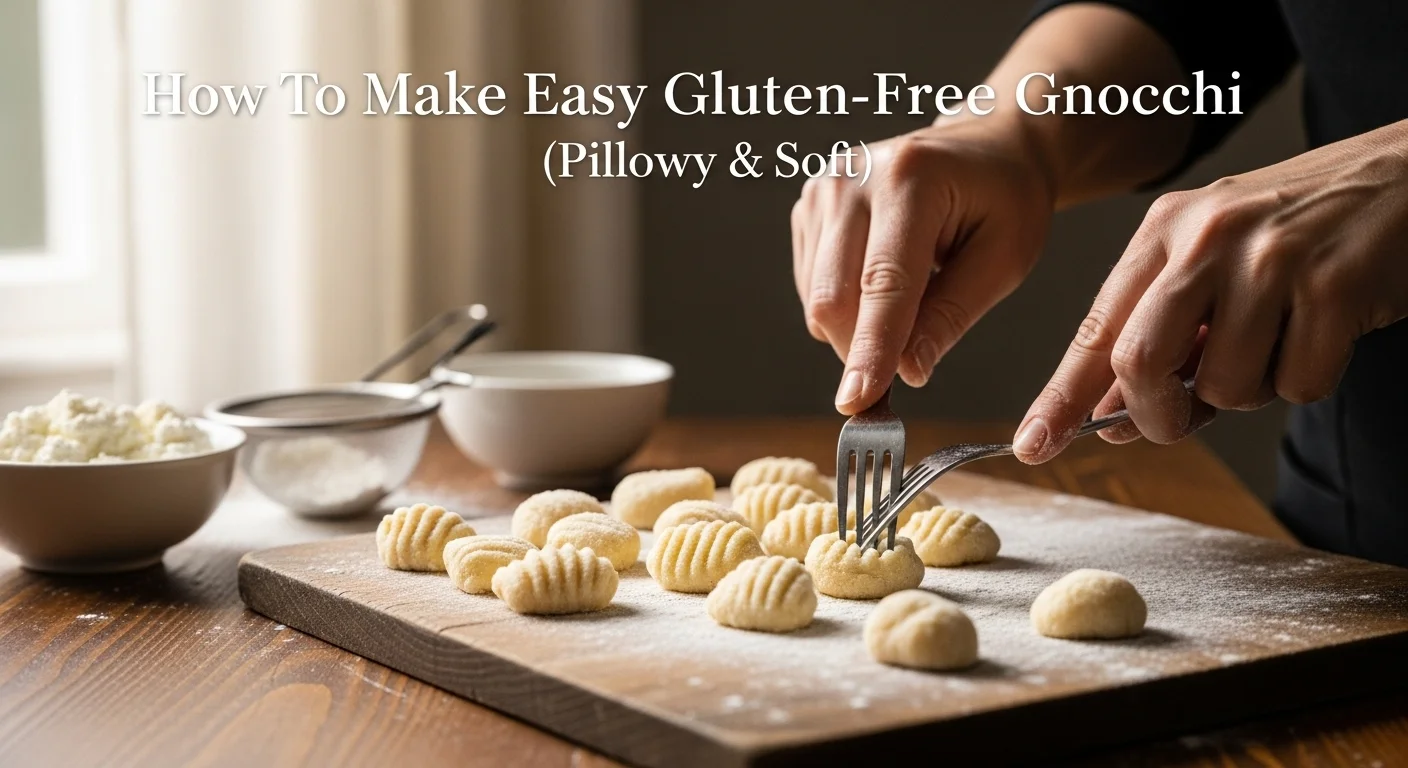
Shaping the gnocchi is where the fun really begins! I usually dust my work surface with a little gluten-free flour to prevent sticking and take a portion of the dough. I roll it out into a long rope, about half an inch thick. Then, I cut the rope into small pieces, usually around one inch long. At this point, I love using the back of a fork to create those signature ridges on the gnocchi. I gently press each piece against the fork, which not only looks great but also helps sauces cling to the gnocchi later. Sometimes, I’ll roll the pieces into little balls instead of cutting them, just to switch things up. It’s all about what feels right to me!
Cooking Techniques: Boiling and Pan-Seared Options
Cooking the gnocchi is the moment of truth! I typically start by bringing a large pot of salted water to a gentle boil. Once the water is ready, I carefully drop in the gnocchi in small batches. I’ve found that cooking them in batches helps prevent them from sticking together. As they cook, I keep an eye on them; they only need a few minutes. I know they’re done when they float to the surface. Using a slotted spoon, I scoop them out and transfer them to a warm plate while I cook the rest.
If you’re looking for an extra layer of flavor, I recommend pan-searing the boiled gnocchi in a bit of olive oil or butter. Once they’ve been boiled, I heat a skillet over medium heat, add a drizzle of olive oil, and toss in the cooked gnocchi. I let them get golden and crispy on one side before flipping them. This step adds a delightful crunch to the soft gnocchi, creating a wonderful texture contrast that I absolutely love. For more ideas on meal planning, check out Kid-Friendly Meal Plan: Easy Recipes for Breakfast, Lunch, and Dinner.
Tips for Perfectly Pillowy & Soft Gluten-Free Gnocchi
Preventing the Dough from Being Too Sticky
One of the biggest challenges in making gnocchi is ensuring the dough isn’t too sticky. I’ve learned that the key is to add flour gradually and to work quickly without overmixing. If the dough does become too sticky, don’t panic! Just sprinkle a bit more gluten-free flour on your work surface and your hands. Another trick I use is to keep my hands slightly floured while shaping the gnocchi; this helps keep things manageable.
Cooking Time: How to Avoid Mushy Gnocchi
Getting the cooking time just right is essential for achieving that perfect gnocchi texture. I’ve found that cooking them for too long can lead to a mushy mess. Once the gnocchi float, I give them about 30 seconds more before removing them from the water. Timing is everything, so I always stay close to the pot during this crucial stage.
Storing and Freezing Gnocchi
If you end up making more gnocchi than you can eat in one sitting, don’t worry! I love to freeze them for later. After shaping the gnocchi, I place them in a single layer on a baking sheet and pop them in the freezer until they’re firm. Once they are frozen, I transfer them to a freezer bag. This way, I can enjoy homemade gnocchi anytime! When I’m ready to eat them, I simply cook them straight from the freezer without thawing, adding a couple of extra minutes to the cooking time.
Serving Suggestions and Pairings
Classic Sauces to Complement Gnocchi
When it comes to serving gluten-free gnocchi, the sauce can take your dish from good to incredible! I’ve experimented with various sauces, and I think the classics shine the brightest. One of my all-time favorites is a simple brown butter sage sauce. The nuttiness of the browned butter pairs so beautifully with the soft texture of the gnocchi. I remember the first time I made it—I was blown away by how just a few ingredients could create such depth of flavor. Just melt some butter in a pan, add fresh sage leaves, and cook until the butter turns golden brown. Toss the cooked gnocchi in this sauce, and you have a heavenly dish.
If I’m in the mood for something creamy, I often whip up a garlic cream sauce. A little heavy cream, sautéed garlic, and parmesan cheese make for a rich and luscious coating. It’s simple yet indulgent! For those looking for a lighter option, a fresh tomato basil sauce is always a hit. I love using ripe tomatoes, fresh basil, and a splash of olive oil for a bright and refreshing complement to the gnocchi.
Vegetable and Protein Pairings
Pairing gnocchi with vegetables and proteins can turn your meal into a feast! I often sauté seasonal vegetables to serve alongside my gnocchi. Roasted zucchini, bell peppers, and cherry tomatoes bring color and flavor to the dish. I’ve also enjoyed adding sautéed mushrooms for an earthy touch; they create a wonderful contrast with the softness of the gnocchi.
As for proteins, grilled chicken or shrimp works wonderfully. I’ve even tried gnocchi with crispy pancetta, and the salty crunch paired perfectly with the tender dumplings. For a vegetarian option, I recommend adding cannellini beans or lentils for extra protein. Not only does this enhance the overall flavor, but it also makes the dish more satisfying. You might also want to consider 7 Delicious Side Dishes to Spruce Up Your Brunch for great pairing ideas.
Garnishes and Finishing Touches
No dish is complete without a few finishing touches! I love to sprinkle some freshly grated parmesan cheese over my gnocchi just before serving. It adds a salty kick that elevates the dish. Fresh herbs like parsley or basil add a pop of color and freshness, making the dish visually appealing. I’ve also experimented with a drizzle of high-quality olive oil or a balsamic reduction for an extra layer of flavor. These small details can really elevate your gluten-free gnocchi dish, making it feel gourmet.
Common Mistakes to Avoid When Making Gluten-Free Gnocchi
Using the Wrong Type of Flour
One mistake I’ve made in the past is using the wrong type of gluten-free flour. Not all gluten-free flours are created equal, and some can lead to a gummy or dense texture. When I first started making gnocchi, I tried using just one type of flour, and it didn’t hold up well during cooking. I quickly learned that a blend of flours—especially potato flour with a gluten-free all-purpose mix—produces the best results. So, I recommend sticking to well-tested blends to ensure your gnocchi turns out light and fluffy.
Overworking the Dough
Another common pitfall is overworking the dough. I’ve found that the more I knead or mix the dough, the tougher it becomes. It’s tempting to want everything perfectly combined, but I’ve learned that a gentle touch is key. Mixing just until the ingredients come together is essential. Once I grasped this concept, I noticed a significant improvement in my gnocchi’s texture—soft and pillowy, just like they should be!
Improper Cooking Techniques
Cooking the gnocchi correctly is crucial for achieving that perfect texture. In my early attempts, I was either undercooking or overcooking them, which led to disappointment. I’ve learned to pay close attention to the cooking time. Once the gnocchi float to the surface, I give them about 30 seconds more before removing them. This simple trick has made a world of difference. Also, I make sure to use plenty of salted water and avoid overcrowding the pot, which can lead to uneven cooking. Trust me, these small details can make a significant impact on the final dish!
FAQs About Gluten-Free Gnocchi
Can You Make Gnocchi in Advance?
I often get asked if gnocchi can be made in advance, and the answer is a resounding yes! You can prepare the dough ahead of time and keep it in the fridge for a couple of days. Alternatively, I like to shape the gnocchi, freeze them, and then cook them straight from the freezer when I’m ready to eat. It’s such a time-saver and allows me to enjoy homemade gnocchi on a whim!
How to Adjust for Dietary Restrictions?
If you or someone you’re cooking for has dietary restrictions, gluten-free gnocchi can be easily adapted. For those who are also avoiding dairy, I’ve successfully made the dough without eggs or cheese, using water to bind it instead. I also recommend checking for gluten-free certified products when selecting your flours. It’s all about getting creative while keeping your loved ones’ dietary needs in mind!
What to Do If Gnocchi Falls Apart While Cooking?
It’s a frustrating moment, but if your gnocchi falls apart while cooking, don’t lose hope! Often, this happens due to excess moisture in the dough. If I find that my gnocchi start to break apart, I try to salvage them by gently simmering them in a sauce instead of boiling them in water. This can help them firm up while absorbing flavor at the same time. In future efforts, I make sure to adjust my potato preparation and flour amounts to prevent this from happening again.
Final Thoughts
Making gluten-free gnocchi has truly been a rewarding and delicious journey for me. It’s a dish that embodies comfort and creativity, allowing us to enjoy a classic Italian favorite without compromising on dietary needs. Throughout my experience, I’ve learned the importance of experimenting with different flours and ingredients to achieve that perfect texture. Each batch of gnocchi I make feels like a small culinary victory, and I love sharing them with friends and family.
Whenever I serve gnocchi, it sparks joy and compliments around the table. I think about the time I made gnocchi for a gathering, and everyone was surprised to find out it was gluten-free! It’s moments like those that remind me why I enjoy cooking so much. I believe that everyone should have access to delicious food, regardless of dietary restrictions. As we adapt traditional recipes to our needs, we open doors to new flavors and experiences.
Whether you’re a seasoned chef or a home cook just starting out, I encourage you to give gluten-free gnocchi a try. Remember, it’s not just about the end result; it’s about the process and the joy of creating something from scratch. So roll up your sleeves, gather your ingredients, and enjoy the adventure of making gnocchi! I can’t wait to hear about your experiences and the unique twists you put on this beloved dish.
Frequently Asked Questions
What is gnocchi?
Gnocchi are small, soft dumplings that have been a staple in Italian cuisine for centuries, traditionally made with flour and potatoes. They are often enjoyed as a pasta alternative and can be paired with a variety of sauces.
What is the main difference between traditional and gluten-free gnocchi?
The primary difference lies in the type of flour used. Traditional gnocchi is made with wheat flour, while gluten-free gnocchi uses blends of gluten-free flours like rice flour, almond flour, or potato starch.
What are common ingredients used in gluten-free gnocchi?
The most common base ingredient is potatoes, preferably starchy varieties like Russets. Gluten-free flours such as potato flour and gluten-free all-purpose flour are also used, and optional ingredients might include egg or ricotta cheese.
How do I prepare the potatoes for gnocchi?
To prepare the potatoes, you should bake or boil them until tender. It’s recommended to let them cool slightly, peel them, and then mash them until smooth, ideally using a potato ricer for the best texture.
What is the best way to cook gluten-free gnocchi?
Cook the gnocchi in a large pot of salted water at a gentle boil. They are done when they float to the surface, usually needing just a few minutes. For added flavor, you can pan-sear them in olive oil or butter after boiling.
How can I prevent the gnocchi dough from being too sticky?
To prevent stickiness, add flour gradually and work quickly without overmixing. If the dough becomes too sticky, sprinkle more gluten-free flour on your work surface and keep your hands floured while shaping.
How can I store or freeze leftover gnocchi?
You can freeze gnocchi by placing them in a single layer on a baking sheet until firm, then transferring them to a freezer bag. They can be cooked straight from the freezer by adding a couple of extra minutes to the cooking time.
What are some classic sauces to pair with gluten-free gnocchi?
Classic sauces include brown butter sage sauce, garlic cream sauce, and fresh tomato basil sauce. Each of these complements the soft texture of gnocchi beautifully.
What should I do if my gnocchi falls apart while cooking?
If gnocchi falls apart, you can gently simmer them in a sauce instead of boiling, which can help them firm up while absorbing flavor. Adjusting potato preparation and flour amounts in future attempts can also help prevent this issue.
Can gluten-free gnocchi be made in advance?
Yes, gnocchi can be made in advance. You can prepare the dough and keep it in the fridge for a couple of days or shape and freeze the gnocchi to cook later directly from the freezer.