
Making fluffy gluten-free biscuits can feel like a daunting task, but it doesn’t have to be! With the right ingredients and techniques, you can create mouthwatering biscuits that everyone will love. Read Interesting article: 18 Delicious DIY Holiday Food Gifts to Share
Understanding Gluten-Free Baking
When I first started my gluten-free baking journey, I was overwhelmed by all the different flours and ingredients. I didn’t fully understand how gluten-free baking works or what made it different from traditional baking. But over time, I learned that understanding these basics is crucial for success. Let’s dive into the essentials of gluten-free baking.
What is Gluten-Free Flour?
Gluten-free flour is made from various grains and seeds that do not contain gluten, a protein found in wheat, barley, and rye. I remember the first time I tried gluten-free flour; it was a whole new world! Instead of that familiar wheat flour, I was experimenting with flours that had their own unique textures and flavors. This flour is essential for anyone who wants to enjoy baked goods without gluten, and it often comes with its own set of challenges.
Common Gluten-Free Flour Types (Almond, Coconut, etc.)
There are several types of gluten-free flours, each bringing different characteristics to your baking. I’ve experimented with a few of these and found that they can drastically change the texture and flavor of my biscuits. Here are some common varieties:
- Almond Flour: This flour is made from finely ground almonds. It adds a nice nutty flavor and moisture to baked goods. I love using almond flour in combination with other flours for better texture.
- Coconut Flour: Coconut flour is very absorbent, which means you’ll need to adjust your liquid ingredients when using it. I’ve had great success using it in recipes where I want a hint of coconut flavor.
- Rice Flour: This is one of the most common gluten-free flours. It’s quite neutral in flavor and works well as a base for blends.
- Oat Flour: If you make sure to use certified gluten-free oats, oat flour can add a wonderful flavor and texture. It’s one of my favorites for biscuits!
Binders and Thickeners: Xanthan Gum vs. Guar Gum
When I was first learning about gluten-free baking, I discovered that gluten-free flours often need a binder to help mimic the structure that gluten provides. That’s where xanthan gum and guar gum come into play. I’ve tried both, and here’s what I learned:
- Xanthan Gum: This is a popular choice in gluten-free baking. It helps provide elasticity and structure. I usually add about 1 teaspoon per cup of gluten-free flour for biscuits.
- Guar Gum: This works similarly to xanthan gum but is derived from guar beans. I’ve noticed it can create a slightly softer texture in baked goods.
Both options can deliver great results, but I’ve found that choosing one depends on the specific recipe and personal preference.
Key Ingredients for Fluffy Gluten-Free Biscuits
Now that we’ve covered the basics of gluten-free baking, let’s dive into the key ingredients that can make or break your fluffy biscuits. I’ve learned that choosing the right ingredients can dramatically improve my results.
Essential Ingredients Overview
The essential ingredients for fluffy gluten-free biscuits include gluten-free flour, fat, liquid, and leavening agents. Each ingredient plays a significant role in creating that perfect, fluffy texture. I make sure to measure carefully and use high-quality ingredients whenever possible.
Choosing the Right Gluten-Free Flour Blend
Not all gluten-free flours are created equal. I’ve experimented with various blends and discovered that a good all-purpose gluten-free flour blend (which usually contains a mix of rice flour, potato starch, and tapioca flour) works wonders. I recommend checking labels for added gums and binders, as they can save you from having to add them separately.
Importance of Fat: Butter vs. Oil
Fat is crucial for creating flaky, tender biscuits. I used to stick to butter, but I’ve found that using a combination of butter and oil can produce even better results. Butter adds flavor, while oil helps keep the biscuits moist. Depending on what I have on hand, I’ll play around with different ratios and see how it affects the texture.
Liquid Options: Milk, Buttermilk, and Dairy Alternatives
The liquid you choose can also make a significant difference. I love using buttermilk in my biscuits. It adds a tangy flavor and helps with leavening. However, I’ve also had success with almond milk and other dairy alternatives. It’s all about finding what works best for you!
Understanding these key components has transformed my gluten-free baking experience. By carefully selecting my ingredients and experimenting with different types, I’ve been able to create delicious, fluffy biscuits that everyone can enjoy. Stay tuned as we continue to explore the science and techniques behind making the perfect gluten-free biscuits!
The Science of Fluffy Biscuits
Now that we’ve covered the key ingredients for fluffy gluten-free biscuits, let’s dive into the science behind what really makes them rise and achieve that perfect texture. Understanding these concepts has helped me immensely in my baking journey, and I think it can do the same for you!
Understanding Leavening Agents: Baking Powder vs. Baking Soda
Leavening agents are crucial for making your biscuits light and airy. I remember the first time I made biscuits without understanding the difference between baking powder and baking soda—I ended up with flat, dense discs instead of fluffy delights. Here’s what I learned:
- Baking Powder: This is a double-acting leavening agent that contains both an acid and a base. It activates when it gets wet and again when it’s heated. I’ve found that using baking powder in my biscuit recipes yields a nice rise, making them fluffy and light.
- Baking Soda: This is a pure base and needs an acid (like buttermilk or vinegar) to activate. I’ve used baking soda in recipes that call for acidic ingredients, but I’ve learned that too much can leave a metallic taste if not balanced properly.
In my experience, a combination of both can often yield the best results, helping biscuits rise beautifully while maintaining the right flavor profile.
The Role of Cold Ingredients in Biscuits
One thing I’ve noticed is that using cold ingredients, especially cold butter and cold liquids, can make a big difference. When I first started baking, I used to forget to chill my butter. I was surprised at how much that affected the flakiness of my biscuits. Here’s why it matters:
Cold butter creates little pockets of steam as it melts during baking, which helps the biscuits rise and become flaky. When I switched to using cold ingredients, I noticed a significant improvement in texture. I often pop my butter in the freezer for a bit before I start measuring—it’s a game-changer!
How Mixing Technique Affects Texture
The way you mix your ingredients can also greatly influence the texture of your biscuits. I learned this the hard way when I over-mixed my dough, which resulted in tough biscuits instead of the light and fluffy ones I was aiming for. Here are some tips I picked up along the way:
- Mixing Dry Ingredients: I always whisk the dry ingredients together first. This ensures that the leavening agents are evenly distributed throughout the flour.
- Cutting in Fat: When I add my cold butter (or a mixture of butter and oil), I use a pastry cutter or my fingers to “cut” it into the flour until it resembles coarse crumbs. I try not to overwork it, as I want those cold bits of fat to stay intact.
- Adding Wet Ingredients: When it comes time to add the wet ingredients, I gently mix until just combined. I’ve found that folding the ingredients together instead of stirring vigorously helps maintain the lightness I’m after.
These small adjustments in technique can lead to huge improvements in the final product. I encourage you to take your time and enjoy the process!
Step-by-Step Guide to Making Fluffy Gluten-Free Biscuits
With all this knowledge in hand, let’s get into the nitty-gritty of making those fluffy gluten-free biscuits. I’ve broken it down into simple steps based on my own experience, so you can follow along easily.
Preparing Your Workspace and Ingredients
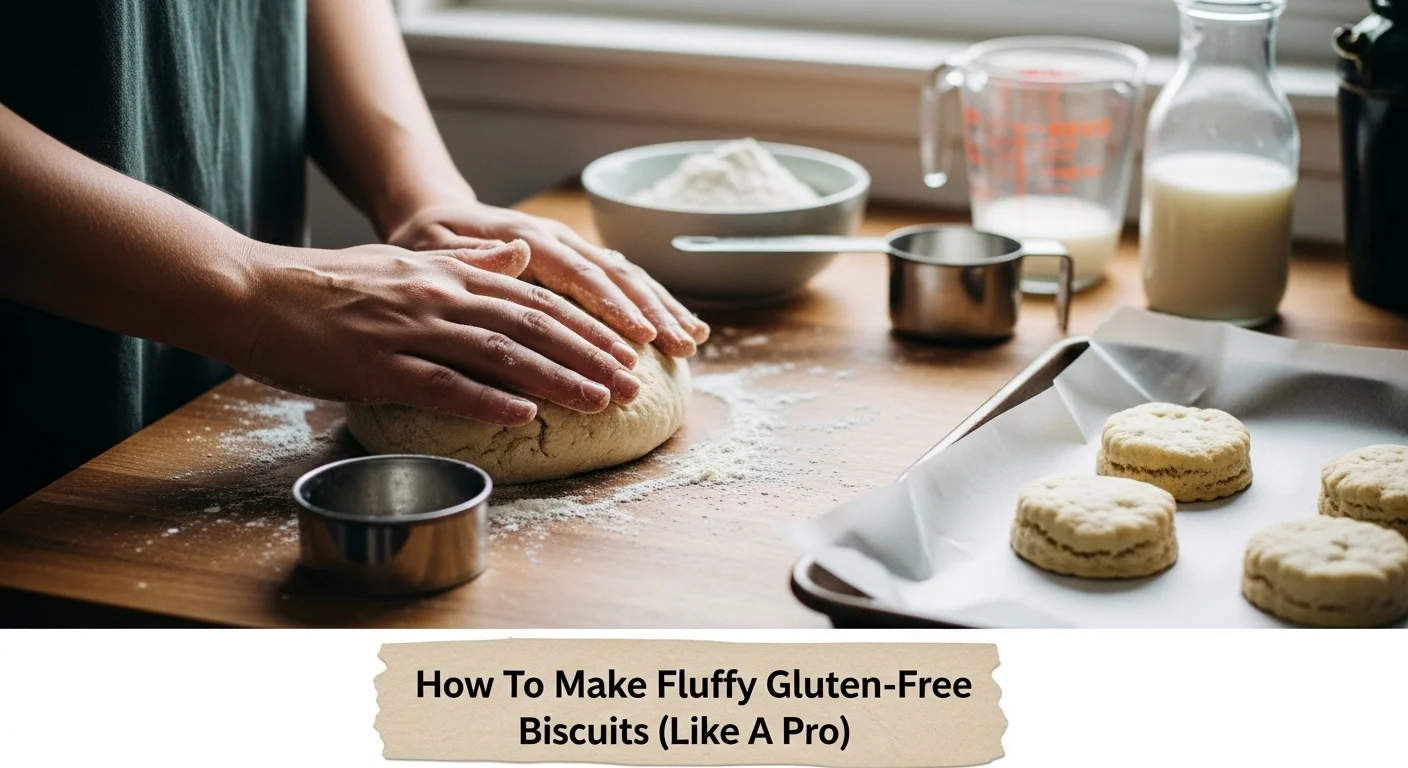
First things first, I like to set up my workspace before diving in. I gather all my ingredients, measuring cups, mixing bowls, and a baking sheet lined with parchment paper. Having everything ready to go minimizes stress and makes the process smoother. Plus, it’s always nice to have a clean surface to work on!
Mixing the Dry Ingredients
I start by measuring out my gluten-free flour and adding my leavening agents—usually baking powder and a pinch of salt. I whisk them together to ensure they’re well combined. This step is crucial because I’ve noticed that if the baking powder isn’t evenly distributed, some biscuits may rise while others don’t. I always want consistency, so I make sure to mix thoroughly!
Incorporating the Fat
Next, I cut in my cold butter or oil until the mixture resembles coarse crumbs. I usually prefer a mix of butter for flavor and a bit of oil for moisture. This is where I get my hands in there if I’m not using a pastry cutter. It’s a bit messy, but I think it’s worth it to feel the texture of the dough in my hands!
Adding the Wet Ingredients
After my dry ingredients and fat are mixed, I make a well in the center and add my buttermilk or other liquid of choice. I gently fold the mixture together until just combined. I’ve learned that if I overmix at this stage, my biscuits can turn out tough, so I’m careful to stop as soon as no dry flour remains.
Shaping and Cutting the Biscuits
Once the dough is ready, I turn it out onto a lightly floured surface and gently pat it into a rectangle. I try not to use a rolling pin, as that can deflate the dough. Instead, I use my hands to shape it and then cut it into rounds using a biscuit cutter. I make sure to press straight down without twisting to ensure they rise evenly.
Baking: Temperature and Time
For baking, I preheat my oven to a high temperature—around 425°F is my go-to. I place the biscuits on the prepared baking sheet, making sure they’re close together. I’ve found that this helps them rise better. I bake them for about 12-15 minutes, until they’re golden brown and have a lovely aroma wafting through my kitchen. There’s nothing quite like the smell of biscuits baking!
Following these steps has made all the difference in my biscuit-making journey. With practice, I’ve been able to whip up fluffy gluten-free biscuits that I’m proud to share with friends and family. Read Interesting article: Heavenly Slow-Roasted Tomatoes with Creamy Burrata So, let’s keep going! Next, we’ll tackle some common issues that might arise along the way and how to troubleshoot them.
Troubleshooting Common Issues
Even the most seasoned bakers face challenges from time to time, and I’ve certainly had my fair share of hiccups while making gluten-free biscuits. It’s all part of the learning process! Here, I want to share some common issues I encountered and how I overcame them. This way, you can troubleshoot any problems you might encounter in your own baking adventure.
Biscuits are Too Dense: Common Causes
Ah, the dreaded dense biscuit. I remember the first time I pulled a tray from the oven only to find biscuits that were as heavy as bricks. After some research and experimentation, I discovered a few common culprits:
- Too Much Flour: One of the biggest mistakes I made was over-measuring my gluten-free flour. Unlike regular flour, gluten-free flour can compact easily. I’ve learned that spooning the flour into the measuring cup and leveling it off with a knife gives me a more accurate measurement.
- Not Enough Leavening Agent: If I didn’t use enough baking powder or baking soda, my biscuits would end up flat and dense. I typically follow a rule of about 1 tablespoon of baking powder per cup of flour, but sometimes I adjust based on my specific blend.
- Overmixing: I’ve been guilty of mixing my dough too much, which activates the starches in gluten-free flours and can lead to a dense texture. I now make sure to mix until just combined for the lightest biscuits possible.
Biscuits Didn’t Rise: Leavening Problems
There’s nothing quite like the disappointment of seeing beautiful biscuit dough turn into flat discs in the oven. I’ve faced this issue more times than I’d care to admit. Here are some insights I gained along the way:
- Expired Leavening Agents: I once made the mistake of using old baking powder that had lost its potency. It’s essential to check the expiration dates and even do a quick test to see if it’s still active. Just mix a teaspoon of baking powder with hot water; if it bubbles, it’s good to go!
- Inaccurate Oven Temperature: If my oven wasn’t preheated to the right temperature, my biscuits wouldn’t rise properly. I invested in an oven thermometer to ensure it’s accurate. A hot oven is crucial for that initial rise!
- Incorporating Cold Ingredients: As I mentioned earlier, using cold butter and liquids is vital for creating steam, which helps the biscuits rise. I always make sure my ingredients are cold before I start mixing.
Flavor Issues: How to Enhance Taste
Even if my biscuits rise beautifully, I’ve occasionally found them lacking in flavor. It’s important to remember that gluten-free flours can often have milder flavors compared to wheat flour. Here are some tricks I’ve learned to enhance the taste:
- Salt: I’ve noticed that a pinch of salt can elevate the flavors significantly. I generally add around ½ teaspoon of salt per cup of flour, but I’ll adjust based on my taste preference.
- Using Buttermilk: I love the tangy flavor that buttermilk imparts. If I’m using a non-dairy alternative, I might add a splash of apple cider vinegar or lemon juice to mimic that tanginess.
- Herbs and Spices: Adding herbs like rosemary or thyme can completely transform the taste of my biscuits. I’ve experimented with different spices and seasonings, depending on what I’m pairing the biscuits with.
By identifying these common issues and implementing solutions, I’ve managed to improve my biscuit-making skills significantly. It’s all about learning from mistakes and adjusting as we go. Next, let’s explore some exciting variations and add-ins that can take these gluten-free biscuits to the next level!
Variations and Add-Ins for Gluten-Free Biscuits
Now that we’ve tackled troubleshooting, I want to share some delightful variations and add-ins that can add a unique twist to your gluten-free biscuits. I’ve experimented with these options, and they’ve become staple recipes in my kitchen!
Herb and Cheese Biscuits
If you’re looking to add a savory element, I highly recommend trying herb and cheese biscuits. I usually incorporate finely chopped herbs like chives, parsley, or dill into the dough. Adding cheese, such as sharp cheddar or Parmesan, creates a rich flavor that pairs wonderfully with soups or salads. The savory aroma that fills the kitchen while these bake is just heavenly!
Sweet Biscuits: Adding Cinnamon and Sugar
For a sweet treat, I often whip up cinnamon sugar biscuits. I add a couple of tablespoons of sugar and a teaspoon of cinnamon to the dry ingredients. Sometimes, I’ll glaze them with a simple icing made from powdered sugar and almond milk for a delightful breakfast or dessert option. They disappear quickly whenever I make them!
Adding Fruits: Blueberries, Cranberries, etc.
One of my favorite ways to enjoy gluten-free biscuits is by adding fruits. Blueberries are a classic addition; I gently fold them into the dough just before baking. The burst of flavor when you bite into a warm biscuit is simply fantastic. Dried cranberries or even chunks of fresh peaches can also add a lovely sweetness and color to the biscuits.
These variations not only enhance the taste but also allow us to get creative in the kitchen. I encourage you to experiment with different ingredients and find your own favorite combinations! Next, we’ll discuss some serving suggestions and pairings that will elevate your gluten-free biscuit experience even further.
Frequently Asked Questions
What is gluten-free flour made from?
Gluten-free flour is made from various grains and seeds that do not contain gluten, which is a protein found in wheat, barley, and rye.
What are some common types of gluten-free flours?
Common types of gluten-free flours include almond flour, coconut flour, rice flour, and oat flour. Each type has its own unique characteristics that can affect the texture and flavor of baked goods.
What is the purpose of binders like xanthan gum and guar gum in gluten-free baking?
Binders like xanthan gum and guar gum help mimic the structure that gluten provides in traditional baking. They provide elasticity and structure to gluten-free baked goods.
Why is fat important in gluten-free biscuit recipes?
Fat is crucial for creating flaky, tender biscuits. A combination of butter and oil can produce better results because butter adds flavor while oil helps keep the biscuits moist.
How do leavening agents like baking powder and baking soda work?
Baking powder is a double-acting leavening agent that activates when wet and again when heated, helping biscuits rise. Baking soda, on the other hand, requires an acid to activate and can leave a metallic taste if not balanced properly.
What is the significance of using cold ingredients in biscuit-making?
Using cold ingredients, especially cold butter and liquids, is important as it creates pockets of steam during baking, which helps the biscuits rise and become flaky.
What mixing techniques can improve the texture of gluten-free biscuits?
To improve texture, it is important to whisk dry ingredients together first, cut in cold fat until it resembles coarse crumbs, and gently fold wet ingredients until just combined to avoid overmixing.
What can cause gluten-free biscuits to become too dense?
Common causes of dense biscuits include using too much flour, not enough leavening agent, and overmixing the dough, which activates the starches in gluten-free flours.
How can I enhance the flavor of gluten-free biscuits?
Flavor can be enhanced by adding a pinch of salt, using buttermilk or a tangy alternative, and incorporating herbs or spices to transform the taste of the biscuits.
What are some variations and add-ins for gluten-free biscuits?
Some popular variations include herb and cheese biscuits, sweet biscuits with cinnamon and sugar, and fruit-addition biscuits with blueberries or cranberries to enhance flavor and creativity.
Read Interesting article: A Week of Easy & Delicious Clean Eating Recipes You’ll Actually Enjoy