
Transforming leftover gluten-free bread into crispy, flavorful croutons is not just a great way to reduce waste but also a delicious addition to your meals. Let’s explore how to make these tasty morsels!
Understanding Gluten-Free Croutons
What Are Croutons?
Croutons are little cubes of toasted bread, often seasoned and used to add crunch to soups and salads. They can be made from various types of bread, including gluten-free options. If you’re looking for more inspiration, check out The Trending Whipped Feta Veggie Bowl You Need Immediately.
Why Choose Gluten-Free?
For those of us with gluten sensitivities or celiac disease, avoiding gluten is essential for our health and well-being. I discovered that gluten-free products have come a long way, but finding croutons that fit my dietary needs was often a challenge. Making my own gluten-free croutons not only ensures they’re safe for me to eat, but it also allows me to control the ingredients and flavors. Plus, it’s a fun kitchen project!
Benefits of Making Your Own Croutons
Why should you consider whipping up your own batch of gluten-free croutons? Here are a few reasons that resonate with my experience:
- Control Over Ingredients: By making your own, you can choose high-quality gluten-free bread and avoid unnecessary preservatives or additives.
- Flavor Customization: You can experiment with different herbs, spices, and seasonings to suit your taste. I’ve found that garlic powder and Italian herbs elevate the flavor significantly!
- Waste Reduction: If you have leftover gluten-free bread that’s getting stale, turning it into croutons is a clever way to prevent waste.
- Cost-Effective: Store-bought gluten-free croutons can be pricey. Making your own is not only more affordable but more satisfying.
Each time I make croutons, I feel a sense of accomplishment knowing I’m using ingredients I trust and creating something delicious. Plus, they add a delightful crunch to my meals that is hard to resist!
Types of Bread Suitable for Gluten-Free Croutons
Store-Bought Gluten-Free Bread Options
If baking isn’t your thing, don’t worry! There are many great store-bought gluten-free breads available. Over time, I’ve tried several brands, and while choices may vary based on your location, I found that some of the more popular ones include Udi’s, Franz, and Canyon Bakehouse. They often have a good texture and flavor, which translates well into croutons.
Homemade Gluten-Free Bread Recipes
For those who enjoy baking, making your own gluten-free bread can be a rewarding experience. I remember baking my first loaf and feeling proud as it rose beautifully in the oven. Recipes usually include a mix of gluten-free flours like almond flour, brown rice flour, and tapioca flour, which can help create a nice texture. There are plenty of recipes available online, each promising a soft inside with a crispy crust. I recommend trying a basic recipe first before experimenting with flavors like herbs or spices. You can find some great options in This Creamy Cheesy Veg Bake Is All Over My Feed.
Choosing the Right Ingredients for Flavor
The ingredients you choose can make a world of difference in the flavor of your croutons. I often opt for breads that are slightly darker or have added seeds, as they add a nutty flavor. When it comes to seasoning, I’ve discovered that a mix of olive oil, garlic powder, and a sprinkle of salt creates a delightful taste. Don’t hesitate to get creative with your favorite spices – perhaps some smoked paprika or even a dash of chili powder if you like a bit of heat!
Whether you’re using store-bought or homemade bread, the key is to find what you enjoy. The journey of making your own gluten-free croutons can be as delightful as the croutons themselves, and I’m excited to share more about the process in the following sections. Let’s dive into how to make those crispy bites of goodness together!
How to Make Gluten-Free Croutons
Basic Ingredients Needed
Making gluten-free croutons is simple, and I’m always amazed by how few ingredients I need. Here’s what you’ll typically need:
- Gluten-Free Bread: Any leftover bread works, whether it’s a whole loaf or the ends that no one wants to eat.
- Olive Oil: This helps the bread get that nice crispy texture. You can also use melted butter if you prefer.
- Seasonings: My go-to seasonings include garlic powder, salt, and pepper, but feel free to get adventurous!
These simple ingredients make it easy to whip up a batch whenever I want to spruce up a meal. Sometimes, I even add a splash of balsamic vinegar for a tangy kick!
Step-by-Step Instructions
1. Preparing the Bread
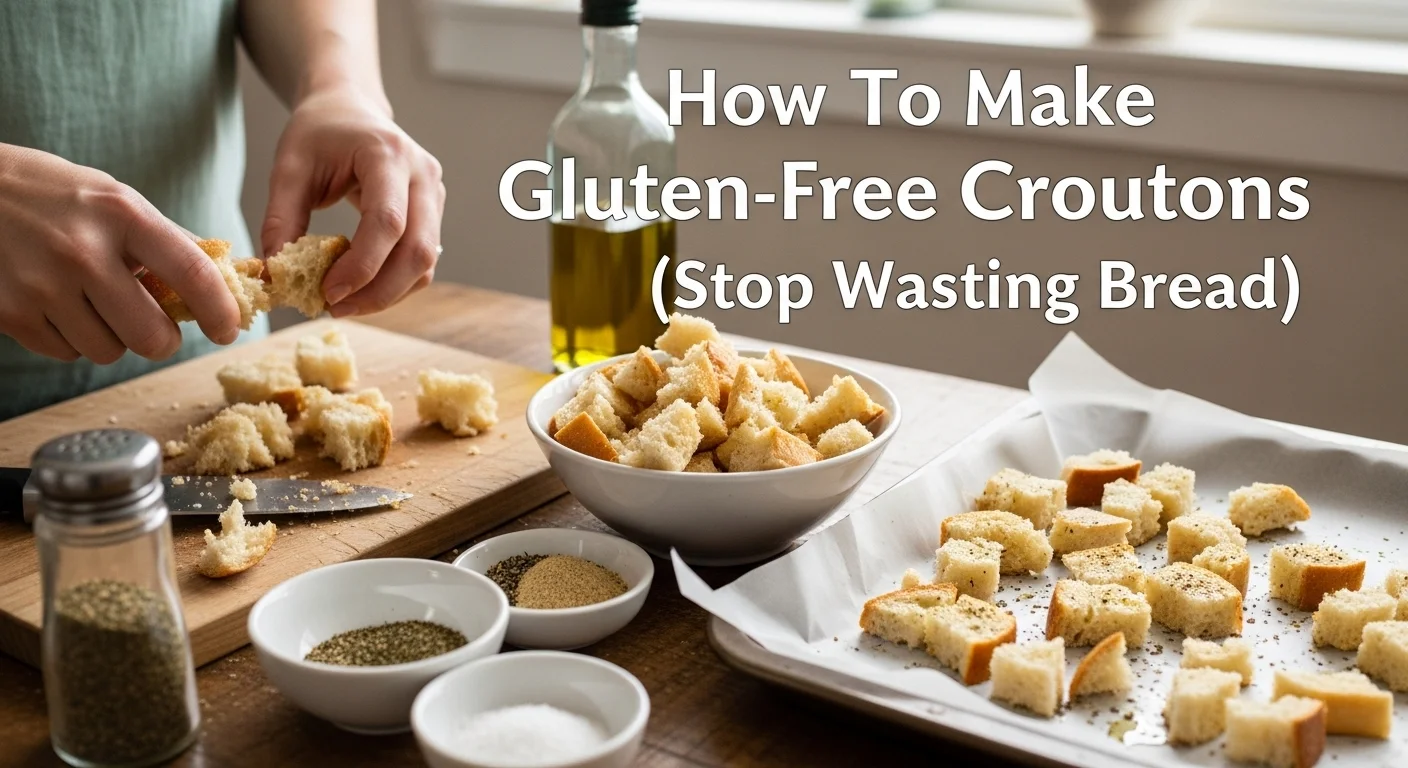
First things first, let’s prep the bread. If you have stale gluten-free bread, you’re already halfway there! If not, you can toast it lightly to give it a firm texture. I usually cut the bread into cubes, about one inch in size, which seems to be the perfect bite-sized piece. If you have different types of gluten-free bread, don’t hesitate to mix them up for added flavor and texture!
2. Cutting the Bread into Cubes
Once the bread is ready, I like to take a sharp knife and start cutting it into cubes. It’s a little therapeutic for me, and I enjoy the rhythmic motion. I usually aim for uniform pieces so they bake evenly, but honestly, who’s judging? As long as they’re roughly the same size, you’ll be good to go!
3. Seasoning Options
Now comes the fun part—seasoning! I drizzle some olive oil over the bread cubes, just enough to coat them lightly. Then, I sprinkle my favorite seasonings. Garlic powder is almost always included because I believe it elevates the flavor. I also like to add Italian seasoning, a pinch of salt, and maybe some pepper. If I’m feeling adventurous, I might even throw in some smoked paprika or a little crushed red pepper for a kick. Mix everything in a large bowl, making sure each cube gets coated well. This part is crucial for flavor!
4. Baking the Croutons
Once everything is seasoned, I spread the cubes out on a baking sheet. I find that using parchment paper makes cleanup a breeze. Preheat your oven to 375°F (190°C) and pop them in. Bake for about 10-15 minutes, tossing them halfway through to ensure they’re evenly toasted. I love watching them turn golden brown; the smell is simply irresistible! Keep an eye on them, as gluten-free bread can brown quickly. When they’re crispy and fragrant, you know they’re ready!
Alternative Cooking Methods
Using a Skillet
If I want to make croutons but don’t want to heat up the oven, I often use a skillet. I heat a bit of olive oil in a pan over medium heat, then add the seasoned bread cubes. I stir them around frequently until they’re golden and crispy, which usually takes about 5-7 minutes. This method gives them a nice toasted flavor and can be quicker than baking.
Using an Air Fryer
Another method I’ve recently tried is using an air fryer. It’s so convenient! I toss the bread cubes with oil and seasoning, then place them in the air fryer basket. Set it to 375°F (190°C) for about 5-8 minutes, shaking the basket halfway through. The result is perfectly crispy croutons, and I love that it requires less oil than traditional methods!
These methods have made crouton-making a versatile experience for me. No matter which way I choose to prepare them, I always end up with a delightful batch of crunchy goodness that I just can’t resist adding to my meals. The satisfaction of creating something so tasty from simple ingredients is truly one of my favorite kitchen experiences!
Flavor Variations for Gluten-Free Croutons
Herb-Infused Croutons
One of my favorite ways to elevate the taste of croutons is by infusing them with herbs. Fresh herbs like rosemary, thyme, or basil add a beautiful aroma and flavor. I usually chop up a handful of fresh herbs and mix them into the olive oil before drizzling it over the bread cubes. The smell that fills my kitchen as they bake is simply divine! If you don’t have fresh herbs on hand, dried herbs work just as well. Just remember, dried herbs are more potent, so you won’t need as much. I’ve found that a teaspoon of dried herbs can make all the difference!
Cheesy Croutons
If you’re a cheese lover like me, you’ll want to try making cheesy croutons. After seasoning the bread, I sprinkle a generous layer of grated Parmesan or cheddar cheese over the cubes before baking. The cheese melts and creates a delightful crust that’s so satisfying. Sometimes, I even mix in some nutritional yeast for a cheesy flavor without dairy. This variation is perfect for adding a rich, savory element to salads or soups!
Spicy Croutons
For those who enjoy a little heat, spicy croutons are a must-try! I often add a pinch of cayenne pepper or crushed red pepper flakes to my seasoning mix. This gives the croutons a nice kick that pairs well with creamy soups or salads. Just be cautious with the amount you use, especially if you’re serving them to someone who’s not as fond of spice. I’ve learned that a little goes a long way, and it’s always fun to discover just how much heat I can handle!
Sweet Croutons for Salads and Desserts
It might sound unconventional, but sweet croutons can be a delightful addition to salads or even desserts. I’ve experimented with coating the bread cubes in a mixture of melted coconut oil, cinnamon, and a touch of maple syrup. After baking, these croutons become crispy and caramelized, adding a sweet crunch that complements fruit salads beautifully. They can also be an exciting topping for yogurt or parfaits. I love how versatile croutons can be, transforming from savory to sweet so easily!
Storing and Using Gluten-Free Croutons
How to Store Croutons for Freshness
After putting in the effort to make these delicious croutons, it’s important to store them properly to maintain their crunch. I usually let them cool completely on the baking sheet before transferring them to an airtight container. If I have a large batch, I divide them into smaller containers to keep them fresh longer. They can last about a week at room temperature, but I’ve found that storing them in the fridge extends their life a bit more.
If you want to keep them for an extended period, freezing is a great option! Just make sure they’re completely cool before placing them in a freezer-safe bag. When I need them, I simply pop out the desired amount and let them thaw at room temperature for a few minutes. They usually regain their crunch after a quick reheat in the oven.
Ideas for Using Croutons in Recipes
In Salads
One of the best ways to enjoy croutons is by tossing them into salads. They add a satisfying crunch that contrasts beautifully with fresh greens and creamy dressings. I love using them in Caesar salads or mixed green salads with a vinaigrette. They help to soak up the dressing, making each bite even more flavorful! I’ve also experimented with adding croutons to grain salads, like quinoa or farro, which adds a nice texture.
As Soup Toppers
Croutons serve as the perfect topping for soups. I often sprinkle them over bowls of creamy tomato, butternut squash, or even hearty lentil soup. They not only enhance the flavor but also add that essential crunch that contrasts with the smoothness of the soup. I remember one chilly evening when I made a comforting bowl of potato-leek soup and topped it with my homemade cheesy croutons. It was a cozy dinner that hit the spot!
In Stuffing and Casseroles
I’ve discovered that croutons can also be a fantastic base for stuffing or layered in casseroles. I sometimes use them in my gluten-free stuffing recipe for Thanksgiving, mixing them with sautéed vegetables, broth, and spices. They absorb flavors beautifully while still maintaining their texture. In casseroles, croutons can act as a delicious topping, providing a crunchy layer that contrasts with the soft ingredients below. I often find myself experimenting with different combinations to see what works best, and it’s always a hit at family gatherings! You can also check out 9 Easy One-Skillet Dinners for the Whole Family for more ideas.
Common Mistakes to Avoid When Making Croutons
Using the Wrong Type of Bread
One mistake I’ve made in the past is not paying enough attention to the type of gluten-free bread I used. Some breads are too dense or too soft, which can lead to croutons that are chewy rather than crispy. I’ve learned that lighter breads with a good crust work best, as they can hold up during baking. Experimenting with different brands has been part of the fun for me, and I’ve found that the right choice makes a world of difference in texture.
Over-Seasoning or Under-Seasoning
Finding the right balance in seasoning can be tricky! I’ve definitely gone overboard with herbs and spices before, which overwhelmed the bread’s flavor. On the other hand, I’ve also had batches that were too bland because I didn’t add enough seasoning. I recommend starting with a small amount, then tasting and adjusting as needed. Remember, you can always add more, but it’s hard to take it out once it’s in there!
Not Baking Long Enough
This is a big one for me. I often get so excited to taste my croutons that I pull them from the oven too soon. They need that extra time to achieve the perfect crunch. I’ve learned to trust the process and let them bake until they’re nicely golden and crispy. It’s worth the wait! Set a timer, but also keep an eye on them. Each oven is different, and I’ve found that knowing my own oven’s quirks makes a difference.
Frequently Asked Questions (FAQs)
Can I use stale bread for croutons?
Absolutely! In fact, stale gluten-free bread is perfect for croutons. It’s one of the best ways to use up bread that might otherwise go to waste. Just cut it into cubes and follow the same seasoning and baking process. I’ve made some of my best croutons from bread that was getting a little past its prime!
How long do homemade gluten-free croutons last?
When stored properly in an airtight container, homemade gluten-free croutons can last about a week at room temperature. If you want them to last longer, I suggest refrigerating them. In my experience, they can stay fresh for up to two weeks this way. Just be sure they’re completely cool before sealing them up to prevent any moisture build-up!
Can I freeze gluten-free croutons?
Yes! Freezing croutons is an excellent option if you’ve made a big batch. I usually let them cool completely, then place them in a freezer-safe bag. When I need some, I simply take out the desired amount and let them thaw at room temperature for a few minutes. A quick reheat in the oven helps them regain their crunch. It’s a great way to always have a tasty topping on hand!
Final Thoughts
Making gluten-free croutons has been a game changer for me in the kitchen. It’s not just about adding a crunch to my meals; it’s about creating something special from leftover bread and enjoying the process. I’ve shared some of my favorite tips and tricks, but I encourage you to experiment and find what works best for you. Whether you’re infusing them with herbs or going for a cheesy twist, the possibilities are endless! I hope you feel inspired to get creative and enjoy your homemade croutons as much as I do. Happy cooking!
Frequently Asked Questions
What are croutons?
Croutons are little cubes of toasted bread, often seasoned and used to add crunch to soups and salads. They can be made from various types of bread, including gluten-free options.
Why should I choose gluten-free croutons?
Choosing gluten-free croutons is essential for those with gluten sensitivities or celiac disease, as it ensures they are safe to eat. Making your own also allows you to control the ingredients and flavors.
What are the benefits of making my own gluten-free croutons?
Making your own croutons allows for control over ingredients, customization of flavors, waste reduction, and cost-effectiveness compared to store-bought options.
What types of bread can I use for gluten-free croutons?
You can use store-bought gluten-free bread options like Udi’s, Franz, and Canyon Bakehouse, or make your own using a mix of gluten-free flours like almond flour, brown rice flour, and tapioca flour.
What basic ingredients do I need to make gluten-free croutons?
You typically need gluten-free bread, olive oil (or melted butter), and seasonings like garlic powder, salt, and pepper.
How can I make gluten-free croutons?
To make croutons, prepare the bread by cutting it into cubes, season with olive oil and spices, then bake in an oven at 375°F (190°C) for 10-15 minutes, tossing halfway through.
What are some alternative cooking methods for croutons?
You can use a skillet by heating olive oil and toasting the seasoned bread cubes for about 5-7 minutes, or use an air fryer at 375°F (190°C) for 5-8 minutes, shaking the basket halfway through.
How should I store homemade gluten-free croutons?
Store homemade croutons in an airtight container at room temperature for about a week, or refrigerate them for up to two weeks. They can also be frozen for longer storage.
How can I use gluten-free croutons in recipes?
Croutons can be used in salads for added crunch, as toppings for soups, or as a base for stuffing and layered in casseroles.
What are common mistakes to avoid when making croutons?
Common mistakes include using the wrong type of bread, over-seasoning or under-seasoning, and not baking them long enough to achieve the desired crunch.