
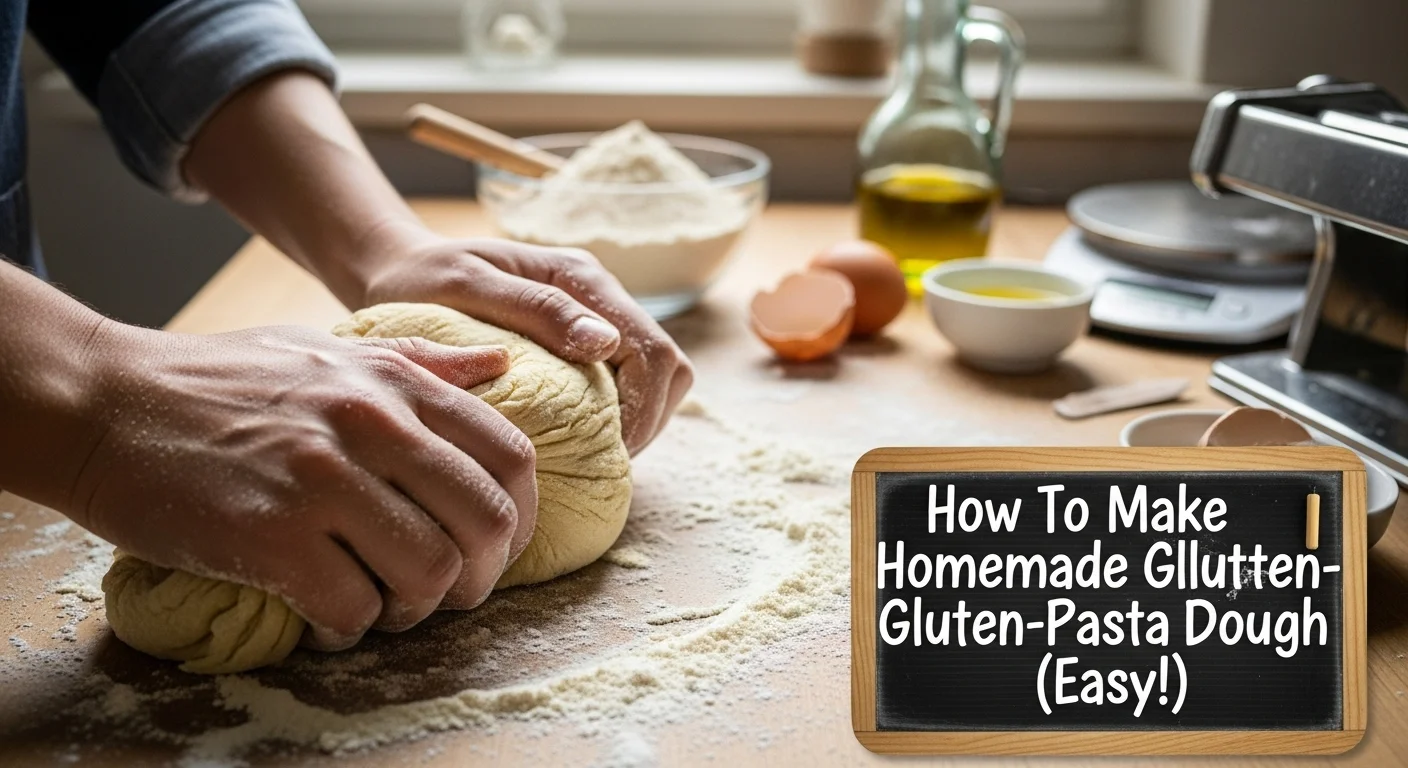
Making homemade gluten-free pasta can be a delightful and rewarding experience. With just a few simple ingredients, you can create delicious pasta that caters to your dietary needs and tastes amazing! Read Interesting article: The Best Gluten-Free Naan Bread (Soft, Bubbly, & Chewy)
Understanding Gluten-Free Pasta
What is Gluten-Free Pasta?
When I first ventured into the world of gluten-free cooking, I was amazed at the variety of options available, especially pasta. Gluten-free pasta is made without wheat, which means it doesn’t contain gluten, a protein found in wheat and some other grains. Instead, it’s crafted from alternative flours, which still allow us to enjoy our favorite pasta dishes without the potential digestive issues associated with gluten. Many people, including myself, have found that making gluten-free pasta at home can result in a fresh, flavorful product that rivals traditional pasta.
Benefits of Gluten-Free Pasta
There are many reasons to consider gluten-free pasta. For those of us with celiac disease or gluten intolerance, it’s essential to avoid gluten for health reasons. But even if you don’t have these conditions, gluten-free pasta can offer some fantastic benefits. First, it often has a unique flavor profile, depending on the flour used. For example, chickpea flour lends a nutty taste while brown rice flour offers a milder flavor. Additionally, gluten-free pasta can be more nutritious, as some alternative flours are higher in protein or fiber. I’ve also noticed that making my own gluten-free pasta allows me to control the ingredients, giving me peace of mind about what I’m eating. Read Interesting article: Easy Gluten-Free Strawberry Shortcake (Summer Favorite)
Common Gluten-Free Ingredients
When I started making gluten-free pasta, I quickly learned that not all flours are created equal. Common gluten-free ingredients include rice flour, almond flour, and even quinoa flour. Each flour has its own unique characteristics, so experimenting with different combinations can be fun. I remember the first time I mixed brown rice flour with almond flour; the dough had a lovely texture and flavor. Plus, I’ve discovered that adding a binding agent like xanthan gum can help the pasta hold together better, creating a more enjoyable eating experience.
Essential Ingredients for Homemade Gluten-Free Pasta Dough
Gluten-Free Flours
The foundation of any good gluten-free pasta is the flour. Here are some of my favorites:
Brown Rice Flour
This is often my go-to choice for gluten-free pasta. It’s versatile, has a mild flavor, and creates a nice texture. When I first tried it, I loved how it mimicked the bite of traditional pasta.
Almond Flour
Almond flour adds a nutty flavor and richness to the dough. I remember using almond flour for a lasagna recipe, and the taste was just incredible. It’s also a great option for those looking to add more healthy fats to their diet.
Corn Flour
Corn flour is another wonderful gluten-free option. It has a slightly sweet flavor that can enhance the taste of your pasta. I’ve made corn flour-based fettuccine, and it paired beautifully with a creamy sauce.
Binding Agents
To create a cohesive dough, you’ll need binding agents. Here are two that I frequently use:
Xanthan Gum
Xanthan gum is a must-have in my gluten-free pantry. It helps mimic the elasticity that gluten provides in traditional pasta. Just a small amount can make a big difference in the texture of your pasta. I’ve found that it helps keep the dough from falling apart during cooking.
Eggs or Egg Substitutes
Eggs play an essential role in enriching the dough and providing structure. If you’re vegan or allergic to eggs, there are wonderful substitutes available, like flaxseed meal or aquafaba. I remember the first time I used aquafaba—it worked surprisingly well and didn’t alter the flavor at all!
Tools and Equipment Needed
Pasta Maker vs. Rolling Pin
When I first started making pasta, I invested in a pasta maker, and it was one of the best decisions I made. It makes rolling out the dough incredibly easy and ensures even thickness. However, I’ve also used a rolling pin in a pinch, and it works just fine if you’re careful about the thickness.
Mixing Bowls and Utensils
You’ll need some mixing bowls to combine your ingredients. I prefer glass mixing bowls because I can see the texture of the dough as I mix. A sturdy spoon or spatula helps, too, especially when you’re incorporating the xanthan gum and other dry ingredients.
Cutting Tools for Pasta
Lastly, having a sharp knife or a pasta cutter on hand will make shaping your pasta much easier. I’ve used both, and while a pasta cutter creates beautiful edges, a simple knife can work just as well for rustic pasta shapes.
Step-by-Step Guide to Making Gluten-Free Pasta Dough
Preparing Your Ingredients
Before diving into the actual process of making gluten-free pasta, it’s important to gather all your ingredients and tools. I like to set up my workspace so everything is within reach. I usually start by measuring out my flours and binding agents. It’s crucial to use a kitchen scale for accuracy, especially when working with gluten-free flours, as their weight can vary significantly. I remember the first time I just eyeballed it, and the dough turned out too crumbly. Now, I make sure to have everything ready—flours, eggs or substitutes, xanthan gum, and a little salt. Having everything prepped makes the mixing process much smoother.
Mixing the Dough
Once I’ve measured out my ingredients, I combine the flours and salt in a mixing bowl. I’ve found that whisking them together helps break up any clumps, leading to a smoother dough. After that, I create a well in the center of the dry ingredients. If I’m using eggs, I crack them into this well. For egg substitutes, I follow the instructions on the packaging for the right ratios. Gradually, I start mixing the flour into the wet ingredients, using a fork or my hands. I distinctly remember the first time I mixed dough with my hands—it was a messy experience, but I ended up feeling so connected to the food I was creating. It’s all about getting that hands-on experience!
Finding the Right Consistency
As I’m mixing the dough, I pay close attention to its texture. It should be moist but not sticky. If the dough feels too dry, I might add a teaspoon of water or an extra egg. On the other hand, if it’s too sticky, I sprinkle in a bit more flour until I achieve that perfect consistency. I learned this trial-and-error method over time, and now I can usually tell just by feeling the dough if it’s going to work out. It’s like finding that sweet spot where the dough is pliable yet holds together well.
Resting the Dough
After I’ve achieved the right texture, I wrap the dough in plastic wrap and let it rest for about 30 minutes. This is a crucial step that I initially overlooked. Resting allows the flours to hydrate fully and helps the dough relax, making it easier to roll out later. During this time, I usually clean up my workspace and maybe even prepare a sauce that I plan to pair with the pasta. I find that this waiting period builds anticipation for the delicious meal that’s about to come together.
Shaping Your Gluten-Free Pasta
Rolling Out the Dough
Once the dough has rested, it’s time to roll it out. If I’m using a pasta maker, I divide the dough into smaller portions to work with. I find that rolling out a manageable amount makes the process so much easier. I sprinkle a little gluten-free flour on my work surface and start feeding the dough through the pasta maker, adjusting the thickness setting as I go. The first time I did this, I was amazed at how the dough transformed into beautiful sheets of pasta! If I’m using a rolling pin, I make sure to roll evenly and keep the thickness consistent. I try to aim for about an eighth of an inch thick, which seems to be just right for most shapes.
Cutting Different Pasta Shapes
Now comes the fun part—shaping the pasta! I’ve experimented with various shapes, and each one brings its own personality to the dish. Here are some of my favorite shapes to make:
Fettuccine
To make fettuccine, I roll the dough into thin sheets and then use a sharp knife or pasta cutter to slice it into ribbons. I remember feeling a wave of pride the first time I made fettuccine. It’s so satisfying to see those fresh noodles come together, ready to be tossed in a delicious sauce!
Penne
If I’m in the mood for penne, I cut the rolled-out dough into rectangles and then roll each piece into a tube shape. I learned to pinch the ends to keep the filling inside, which can be a fun surprise when you bite into it.
Lasagna Sheets
For lasagna, I simply cut the dough into large rectangles. I love making lasagna because it’s such a comforting dish. I’ve layered my homemade noodles with ricotta, spinach, and marinara sauce, and the texture of the gluten-free pasta holds up beautifully.
Cooking Your Gluten-Free Pasta
Boiling Techniques
Cooking gluten-free pasta can be a little different from traditional pasta. I recommend bringing a large pot of salted water to a boil. Salt is essential because it’s the only chance you get to season the pasta itself. I usually add about a tablespoon of salt for every quart of water. Once the water is boiling, I carefully add my pasta and stir gently to prevent sticking. I’ve learned that gluten-free pasta tends to cook faster, so I keep a close eye on it!
Cooking Time and Texture Tips
I find that the cooking time for gluten-free pasta can vary depending on the flour used. Typically, I start checking for doneness around the 3-minute mark. The pasta should be al dente—firm to the bite but not hard in the center. I remember the first time I overcooked my gluten-free pasta; it turned mushy and lost that lovely texture I worked so hard to create. Now, I always err on the side of undercooking slightly, knowing it will continue to cook a bit after draining.
Storing and Freezing Homemade Gluten-Free Pasta
Short-Term Storage Tips
After cooking, if I have any leftovers, I store them in an airtight container in the fridge. They usually keep well for a couple of days. Just a quick reheat in hot water or a sauté in a pan with some olive oil brings them back to life!
Freezing for Future Use
If I make a large batch, I like to freeze some for later. I lay the uncooked pasta sheets or shapes in a single layer on a baking sheet and pop them in the freezer. Once frozen, I transfer them to a freezer bag. This way, I can enjoy fresh pasta anytime, and it really feels like I’m prepared for any impromptu dinner plans!
Common Mistakes to Avoid
Incorrect Flour Ratios
One of the biggest challenges I encountered when making gluten-free pasta was getting the flour ratios just right. Each type of flour has different absorbency levels, and I’ve made the mistake of using too much or too little of certain flours. This can lead to dough that is either too crumbly or too sticky. I learned that it’s essential to measure accurately. I now keep a kitchen scale handy, as it helps me get the proportions correct every time. It’s also helpful to use a reliable gluten-free flour blend, which has been pre-measured for optimal results. This way, I can enjoy the process without the stress of trial and error!
Overworking the Dough
Another lesson I learned the hard way was about overworking the dough. Initially, I thought that kneading the gluten-free pasta dough like traditional dough would yield better results. However, I quickly discovered that overworking can make the pasta tough. I’ve found that gentle mixing and minimal handling are key. After I mix the dough, I typically let it rest for a while, which helps it become more pliable without the need for excessive kneading. Trust me, less is often more when it comes to gluten-free pasta!
Not Allowing the Dough to Rest
Resting the dough might seem like a small step, but I can’t emphasize enough how crucial it is. When I first started, I was often too eager to get to the rolling and shaping stages, skipping the resting period. This led to dough that didn’t roll out smoothly and sometimes cracked when I tried to cut it. Allowing the dough to rest for at least 30 minutes helps the flours hydrate fully and relaxes the gluten-free structure. I make it a point now to use this time wisely, perhaps prepping a sauce or tidying up the kitchen while I wait.
Delicious Sauce Pairings for Your Gluten-Free Pasta
Simple Tomato Sauce
When it comes to pairing sauces with gluten-free pasta, I’ve found that a simple tomato sauce is always a winner. The fresh flavors of tomatoes, herbs, and garlic complement the pasta beautifully. I remember one evening when I whipped up a quick marinara from canned tomatoes, sautéed garlic, and a handful of basil. It was so satisfying to toss my freshly made fettuccine in this vibrant sauce. The bright acidity of the tomatoes really brings out the flavors of the gluten-free pasta!
Alfredo Sauce
For a creamy option, I absolutely love making Alfredo sauce. The combination of butter, cream, and parmesan cheese creates a rich, indulgent coating for the pasta. I typically melt butter, add heavy cream, and stir in shaved parmesan until it’s all melted and creamy. I remember the first time I served this sauce over my homemade penne; it was a hit! The smooth texture of the Alfredo beautifully clung to the pasta, making every bite deliciously satisfying. Read Interesting article: Soft & Fluffy Gluten-Free Dinner Rolls (Perfect For Holidays)
Pesto Sauce
Pesto is another favorite of mine, especially during the summer months when basil is in abundance. The fresh, vibrant flavors of basil, garlic, pine nuts, and olive oil create a perfect pairing for gluten-free pasta. I often blend the ingredients in my food processor, adding just enough olive oil to get the right consistency. One day, I decided to toss my freshly made lasagna sheets with pesto instead of the traditional sauce, and it was a revelation! The flavor was so fresh and exciting, and I loved how the pesto clung to the noodles with its bright green color.
Enjoying Your Homemade Gluten-Free Pasta
There’s something incredibly satisfying about enjoying a meal I’ve made from scratch, especially when it’s gluten-free pasta. Whether I’m sharing a plate with friends or savoring a solo dinner, the effort I put into making the pasta is always worth it. I love the feeling of knowing exactly what’s in my food and that it’s tailored to my preferences. Plus, the joy of experimenting with different sauces and flavors keeps me coming back to the kitchen, eager to create something delicious every time. Cooking gluten-free pasta has truly become a cherished hobby for me, and I hope it inspires you to dive into this culinary adventure too!
Frequently Asked Questions
What is gluten-free pasta?
Gluten-free pasta is made without wheat, meaning it doesn’t contain gluten. It is crafted from alternative flours, allowing those with gluten intolerance or celiac disease to enjoy pasta dishes without digestive issues.
What are some benefits of gluten-free pasta?
Gluten-free pasta can offer unique flavors depending on the flour used, and it can be more nutritious, as some alternative flours are higher in protein or fiber. Making your own gluten-free pasta also allows for control over ingredients.
What common ingredients are used to make gluten-free pasta?
Common gluten-free ingredients include rice flour, almond flour, and quinoa flour. Binding agents like xanthan gum and eggs or egg substitutes are also essential for creating cohesive dough.
How do you prepare the dough for gluten-free pasta?
To prepare the dough, combine the flours and salt in a mixing bowl, then create a well in the center for eggs or egg substitutes. Gradually mix the wet and dry ingredients, adjusting the consistency as needed, and then let it rest for about 30 minutes.
What tools and equipment do I need to make gluten-free pasta?
You will need a pasta maker or a rolling pin, mixing bowls, a sturdy spoon or spatula, and cutting tools such as a sharp knife or pasta cutter for shaping the pasta.
How do you cook gluten-free pasta?
Bring a large pot of salted water to a boil and carefully add the pasta, stirring gently to prevent sticking. Check for doneness around the 3-minute mark, aiming for an al dente texture.
What are some common mistakes to avoid when making gluten-free pasta?
Common mistakes include incorrect flour ratios, overworking the dough, and not allowing the dough to rest. Accurate measurements and gentle handling are key for successful gluten-free pasta.
How can I store or freeze homemade gluten-free pasta?
Short-term, store cooked gluten-free pasta in an airtight container in the fridge for a couple of days. For long-term storage, freeze uncooked pasta sheets or shapes in a single layer on a baking sheet, then transfer to a freezer bag once frozen.
What sauces pair well with gluten-free pasta?
Simple tomato sauce, Alfredo sauce, and pesto are excellent pairings for gluten-free pasta. Each sauce complements the pasta’s texture and enhances its flavors.
Why should I consider making gluten-free pasta at home?
Making gluten-free pasta at home allows you to control the ingredients, experiment with flavors, and enjoy a fresh product that caters to dietary needs, making it a rewarding culinary experience.