
Have you ever looked at your sourdough starter and wondered what to do with the leftover discard? I know I have! Making fresh pasta from sourdough discard is not only a smart way to reduce waste but also a delicious culinary adventure. If you’re interested in other creative uses for your sourdough discard, check out Bakery-Style Sourdough Discard Blueberry Muffins (So Good)!
Understanding Sourdough Discard
What is Sourdough Discard?
Sourdough discard is the portion of your sourdough starter that you remove before feeding it. When I first started baking sourdough, I felt guilty tossing this perfectly good mixture. It’s a blend of flour and water that’s been fermenting, packed with flavor and potential. Instead of discarding it, why not transform it into something wonderful, like fresh pasta? By doing this, I found a way to elevate my meals while minimizing waste.
The Benefits of Using Sourdough Discard
Using sourdough discard has several benefits that go beyond just reducing waste. First, it adds a unique flavor to your pasta, giving it a slight tang that pairs beautifully with various sauces. I remember the first time I tried it; the depth of flavor was a delightful surprise. Additionally, the fermentation process increases the pasta’s digestibility, making it a bit lighter on the stomach. It’s also a fantastic way to incorporate more nutrition into your meals, as leftover starter contains beneficial bacteria and yeasts.
Common Misconceptions About Sourdough Discard
There are a few myths surrounding sourdough discard that I’ve come across in my baking journey. One of the most common is that it must be used immediately after discarding. In reality, you can store it in the fridge for a week or even freeze it for later use. Another misconception is that discard isn’t suitable for recipes beyond baking. However, I’ve discovered that it can be incorporated into a variety of dishes, from pancakes to pizza dough, and of course, fresh pasta! Embracing these possibilities has opened up a whole new world for me in the kitchen.
Ingredients for Sourdough Discard Pasta
Essential Ingredients
When it comes to making sourdough discard pasta, the ingredients are simple yet essential. You’ll need:
- 1 cup of sourdough discard
- 1 large egg
- 1 to 1.5 cups of flour (all-purpose or type of your choice)
- Pinch of salt
In my experience, the egg helps bind everything together, ensuring a lovely texture. The flour is crucial too; it gives the pasta that satisfying bite. I’ve experimented with different types of flour, and I’ve found that all-purpose flour works beautifully, but feel free to get creative!
Optional Ingredients for Flavor Variations
If you want to elevate your pasta game even further, consider adding some optional ingredients. Fresh herbs, garlic powder, or even a splash of olive oil can enhance the flavor. One of my personal favorites is adding a tablespoon of finely chopped basil or parsley directly into the dough. It adds a fresh, vibrant taste that makes the pasta feel even more special. You might also enjoy trying it in recipes like Moist Sourdough Discard Banana Bread (A Fan Favorite).
Choosing the Right Flour
The type of flour you choose can significantly affect the final product. While all-purpose flour is versatile, I’ve had great results with semolina flour for a firmer texture. Whole wheat flour can also add a nutty flavor and a different texture. I recommend experimenting based on what you have on hand and what suits your taste preferences. Just remember that the hydration level may change depending on the flour type, so adjust accordingly.
Preparation Steps for Sourdough Discard Pasta
Gathering Your Tools
Before diving into making the pasta, it’s important to gather your tools. Here’s what you’ll need:
- A large mixing bowl
- A fork or whisk
- Plastic wrap or a clean kitchen towel
- A rolling pin or pasta machine
- A sharp knife or pasta cutter
Having everything handy makes the process smoother and more enjoyable. I always find that when I’m prepared, I’m less likely to feel rushed or overwhelmed.
Mixing the Dough
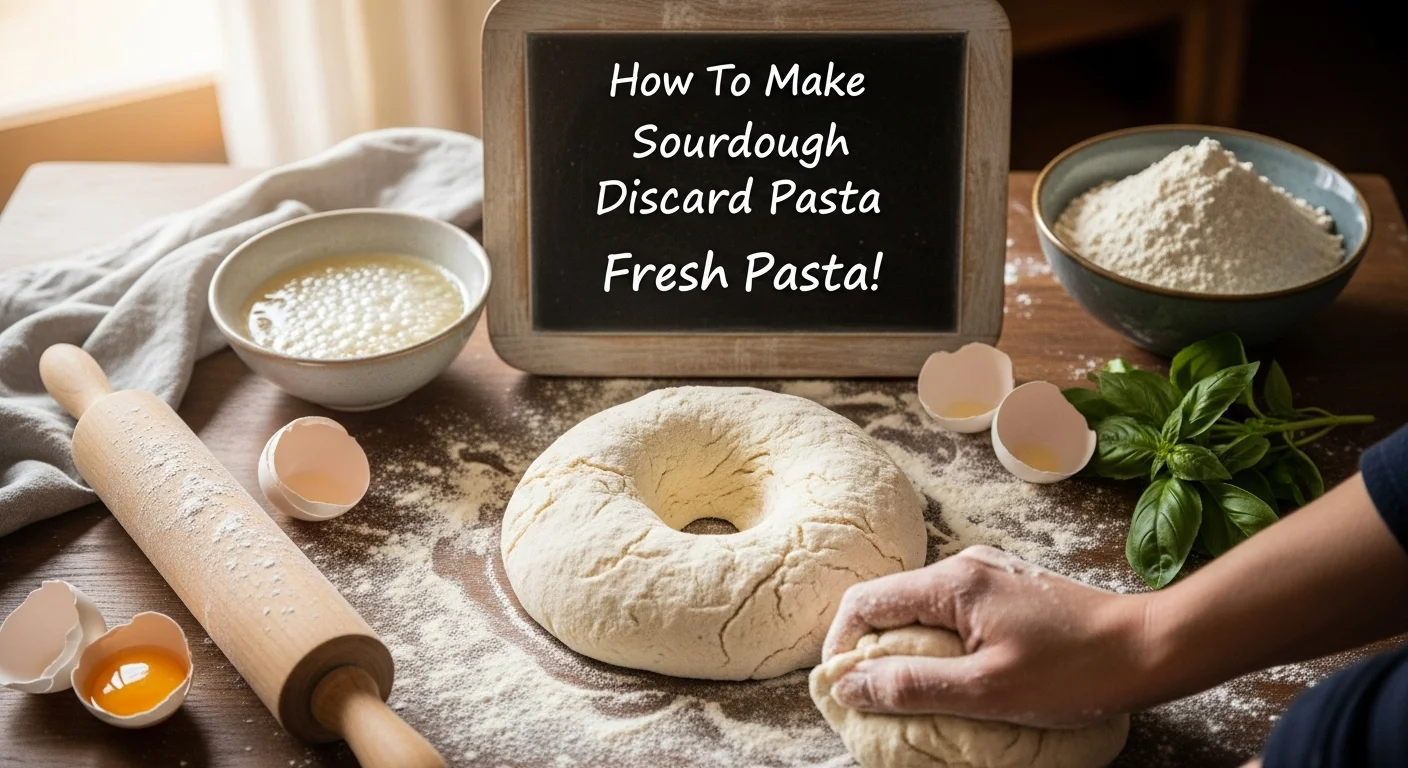
To start, combine the sourdough discard, egg, and salt in your mixing bowl. I usually whisk the egg a little before adding it to help incorporate it more easily. Then, gradually add the flour, mixing with a fork until it starts to come together. This is where the magic begins! Watching it transform from a messy mixture into a dough is quite satisfying.
Kneading Techniques
Once the dough has formed, it’s time to knead. I like to turn it out onto a lightly floured surface and knead it for about 5 to 10 minutes. The goal is to develop the gluten, giving your pasta that lovely chew. If the dough feels sticky, don’t hesitate to add a bit more flour. I’ve learned that finding the right consistency is key to making pasta that holds up well while cooking.
Resting the Dough
After kneading, wrap the dough in plastic wrap or cover it with a clean towel. Let it rest for at least 30 minutes at room temperature. This resting period is essential as it allows the gluten to relax, making it easier to roll out later. During this time, I often clean up my workspace, which is a nice way to stay organized and ready for the next steps.
Rolling and Cutting the Pasta
Using a Pasta Machine vs. Rolling by Hand
Now that your dough has rested and is ready to go, it’s time to roll it out. I’ve tried both using a pasta machine and rolling by hand, and each method has its own charm. If you have a pasta machine, I highly recommend it. It makes the process quicker and gives you a beautiful, even thickness. When I first used one, I was amazed at how easy it was to achieve that perfect consistency for my pasta. Just remember to dust the rollers and the dough with flour to prevent sticking.
On the other hand, rolling by hand can be quite therapeutic. I enjoy the tactile experience of pressing the dough with a rolling pin, and it allows me to feel more connected to the process. If you’re going this route, I suggest rolling the dough out as thin as possible—about 1/16 inch or so—this helps the pasta cook evenly and gives it that delicate texture. Regardless of the method you choose, the key is to have fun and enjoy the process!
Types of Pasta Shapes You Can Make
Once your dough is rolled out, the fun part begins: shaping your pasta! I love getting creative with different pasta shapes. You can make fettuccine, tagliatelle, or even ravioli. For fettuccine, I usually fold the rolled-out dough into thirds, trim the edges, and then slice it into strips. It’s so satisfying to watch those fresh noodles come to life!
If you’re feeling adventurous, why not try making stuffed pasta like tortellini or ravioli? I remember the first time I made ravioli from scratch; it felt like a special occasion. Just roll out your dough, cut it into squares, add your filling (like ricotta or spinach), and seal the edges with a little water. The possibilities are endless, and it’s a great way to impress family and friends! You can even explore more about pasta ideas with Everyone Is Losing It Over This Three-Ingredient Pasta.
Tips for Cutting and Shaping Fresh Pasta
When cutting your pasta, there are a few tips I’ve learned along the way that make a big difference. First, use a sharp knife or a dedicated pasta cutter for clean edges. I often dust the surface with flour before cutting to prevent sticking. After cutting, I like to toss the pasta with a little more flour to keep the strands separate while they dry. If you’re making a shape that requires a bit of finesse, like farfalle (bowtie pasta), I find it’s helpful to watch a quick tutorial online for some visual guidance.
Don’t worry too much about making everything perfect; homemade pasta has a charm that comes from its imperfections. I’ve noticed that the more I practice, the better I get, and each batch feels more rewarding than the last. Plus, the excitement of serving up a plate of fresh pasta made from sourdough discard is a great conversation starter!
Cooking Sourdough Discard Pasta
How to Cook Fresh Pasta
Cooking your fresh pasta is a delightful experience, especially because it cooks much faster than dried pasta. I usually bring a large pot of salted water to a rolling boil and gently add the pasta. It’s always a good idea to stir it gently for the first minute to prevent sticking. From my experience, fresh pasta only takes about 2 to 4 minutes to cook, depending on its thickness. I recommend tasting a strand a minute or so into cooking to check for doneness. You want it to be tender but still have a bit of bite—al dente, as they say!
Cooking Times for Different Shapes
Different shapes of pasta will have varying cooking times. For instance, thinner shapes like angel hair will cook in just about 2 minutes, while thicker varieties like pappardelle might take closer to 4 minutes. I’ve found it helpful to keep a timer handy, especially when I’m cooking multiple batches. It can be easy to lose track of time when the smells of cooking pasta fill the kitchen!
Pairing with Sauces and Toppings
After cooking your pasta, the best part is deciding how to serve it. I love to pair my sourdough discard pasta with simple sauces that allow its flavor to shine. A drizzle of olive oil, a sprinkle of parmesan, and a handful of fresh herbs can elevate the dish significantly. Sometimes, I’ll sauté garlic and cherry tomatoes in olive oil for a quick sauce, which complements the tanginess of the pasta beautifully.
If you’re hosting a dinner, consider serving it with a rich ragu or a creamy Alfredo sauce. I’ve noticed that the unique flavor of the sourdough discard meshes well with both light and hearty sauces, making it a versatile choice for any occasion. Don’t forget to save some of that pasta water! Adding a splash can help bring your sauce and pasta together.
Storage and Preservation
How to Store Fresh Pasta
Once you’ve made your fresh pasta, you might wonder how to store it if you’re not cooking it right away. I’ve learned that the best way to keep fresh pasta is to let it dry slightly on a floured surface for about 15-30 minutes. This helps form a bit of a crust, reducing the chances of it sticking together later. After that, I like to either shape it into nests or layer it flat between sheets of parchment paper. Then, I place it in an airtight container or a resealable bag before storing it in the fridge. Fresh pasta can last in the refrigerator for about 2 days, which is perfect if you want to prepare it ahead of time for a meal later in the week.
Freezing Techniques for Sourdough Discard Pasta
If I know I won’t be using the pasta within a couple of days, freezing is my go-to option. To freeze fresh pasta, I first let it dry on a floured surface for about 30 minutes, just like I do for refrigerating. Then, I transfer the pasta nests or sheets onto a baking sheet lined with parchment paper and place them in the freezer for about an hour. This step prevents the pasta from sticking together. After it’s frozen solid, I transfer the pasta to a freezer-safe bag, squeezing out as much air as possible to prevent freezer burn. I find that frozen homemade pasta can last for up to 2-3 months, which is great for having a quick, delicious meal ready whenever I need it!
Using Leftover Pasta
Sometimes, I find myself with leftover cooked pasta, and I hate to waste it. One of my favorite ways to use it up is by making a pasta salad. I just toss the leftover pasta with some fresh veggies, a splash of olive oil, and a sprinkle of cheese for a refreshing meal. Alternatively, I often sauté it in a pan with some olive oil, garlic, and any leftover proteins I might have, like chicken or shrimp. It’s amazing how a simple dish can come together so quickly! I’ve also enjoyed using leftover pasta in casseroles or baked dishes. The possibilities are endless, and I love how I can continue to enjoy my sourdough discard pasta even after the initial meal.
Frequently Asked Questions (FAQs)
Can I use any type of sourdough starter?
Absolutely! I’ve used various types of sourdough starters, whether whole wheat, rye, or white flour-based. Each one brings its own unique flavor profile to the pasta. It’s fun to experiment and see how different starters can change the taste and texture of the final product. I recommend sticking with a healthy and active starter for the best results, but don’t hesitate to try out what you’ve got!
What to do if the dough is too sticky?
If you find your dough is too sticky while mixing or kneading, don’t fret! I’ve encountered this issue too, and it’s usually a straightforward fix. Simply sprinkle in a little more flour, a tablespoon at a time, until the dough reaches the right consistency. It’s essential to knead it just enough to make it smooth and elastic but avoid adding too much flour, which can make the pasta tough. I’ve learned that patience is key in this process!
Can I make gluten-free pasta with sourdough discard?
Yes, you can! While I haven’t personally ventured into gluten-free pasta making yet, I’ve heard from others that it’s definitely possible. You can use gluten-free all-purpose flour or a blend that works for you. However, the texture might differ a bit from traditional pasta. If you’re adapting a recipe, keep in mind that gluten-free flours can absorb water differently, so you might need to adjust the hydration levels in your dough. I’d recommend doing some research or following a specific gluten-free sourdough pasta recipe to ensure you get the best results!
How long will the pasta last once cooked?
Cooked sourdough discard pasta can last in the fridge for about 3 to 5 days, provided it’s stored in an airtight container. I always make sure to let it cool down before sealing it up to avoid condensation, which can lead to sogginess. If you want to keep it longer, consider freezing the cooked pasta. Just remember to separate the pieces to prevent them from clumping together, and it should last in the freezer for about a month. I love knowing I have delicious homemade pasta ready to go whenever I want!
Final Thoughts
As I’ve navigated the world of sourdough discard pasta, I’ve realized it’s a journey filled with creativity, flavor, and a sense of accomplishment. The beauty of making pasta from sourdough discard is that it allows us to connect with our food in a meaningful way. It’s not just about dinner; it’s about making the most of what we have and experimenting with flavors that can truly elevate our meals.
One of the most rewarding experiences for me has been sharing this pasta with friends and family. Each time I serve it, I love to tell the story behind it—the starter that has been lovingly fed and nurtured, the transformation of discard into something delicious. It becomes a conversation piece, a way to share not only a meal but also the joy of cooking and sustainability.
I encourage you to embrace this method of pasta-making. Let your sourdough discard inspire you to create something new. Whether you’re rolling out sheets for lasagna, shaping ravioli, or simply trying your hand at fettuccine, each batch is a step toward culinary exploration. And don’t shy away from experimenting with flavors and shapes; the more adventurous you are, the more fun you’ll have!
Finally, remember that making pasta can be as much about the process as it is about the end result. The laughter in the kitchen, the flour dusting the countertops, and the aroma of fresh pasta cooking are all part of the joy. So, roll up your sleeves, grab that sourdough discard, and let’s make some pasta! I can’t wait to hear about your adventures in sourdough pasta-making.
Frequently Asked Questions
What is sourdough discard?
Sourdough discard is the portion of your sourdough starter that you remove before feeding it. It is a blend of flour and water that has been fermenting, packed with flavor and potential, and can be transformed into various dishes, including fresh pasta.
What are the benefits of using sourdough discard in pasta?
Using sourdough discard adds a unique flavor to pasta, giving it a slight tang. It also increases the pasta’s digestibility and incorporates beneficial bacteria and yeasts, making meals more nutritious.
Can sourdough discard be stored, and for how long?
Yes, sourdough discard can be stored in the fridge for up to a week or even frozen for later use. This allows for flexibility in using it in various recipes beyond immediate baking.
What ingredients do I need to make sourdough discard pasta?
To make sourdough discard pasta, you need 1 cup of sourdough discard, 1 large egg, 1 to 1.5 cups of flour (all-purpose or of your choice), and a pinch of salt.
What optional ingredients can enhance the flavor of sourdough discard pasta?
You can enhance the flavor of sourdough discard pasta by adding fresh herbs, garlic powder, or a splash of olive oil. For instance, adding finely chopped basil or parsley can provide a vibrant taste.
How do I prepare the dough for sourdough discard pasta?
To prepare the dough, combine the sourdough discard, egg, and salt in a mixing bowl, gradually adding flour until it forms a cohesive mixture. Then, knead the dough on a floured surface for about 5 to 10 minutes until smooth and elastic.
What are the steps for rolling and cutting the pasta?
After the dough has rested, roll it out using a pasta machine or by hand to your desired thickness. Then, you can cut it into shapes like fettuccine or ravioli, using a sharp knife or pasta cutter for clean edges.
How long does it take to cook fresh pasta?
Fresh pasta cooks much faster than dried pasta, typically taking about 2 to 4 minutes depending on its thickness. It’s best to taste a strand to check for doneness.
How should I store fresh pasta if I’m not cooking it immediately?
Let fresh pasta dry slightly on a floured surface for about 15-30 minutes, then shape it into nests or layer it flat between parchment paper. Store it in an airtight container in the fridge for up to 2 days.
Can I use leftover cooked sourdough discard pasta, and how?
Yes, leftover cooked pasta can be used in various ways, such as in pasta salads, sautéed with olive oil and garlic, or in casseroles. This helps minimize waste and allows you to enjoy the pasta in different meals.