
Have you ever wanted to take your holiday baking to the next level? Making sourdough panettone could be the challenge you need! It’s a delicious and festive bread that promises to impress everyone at your holiday gatherings. Read Interesting article: Everyone’s Obsessed With This Melty Garlic Chicken Dish
Understanding Sourdough Panettone
What is Sourdough Panettone?
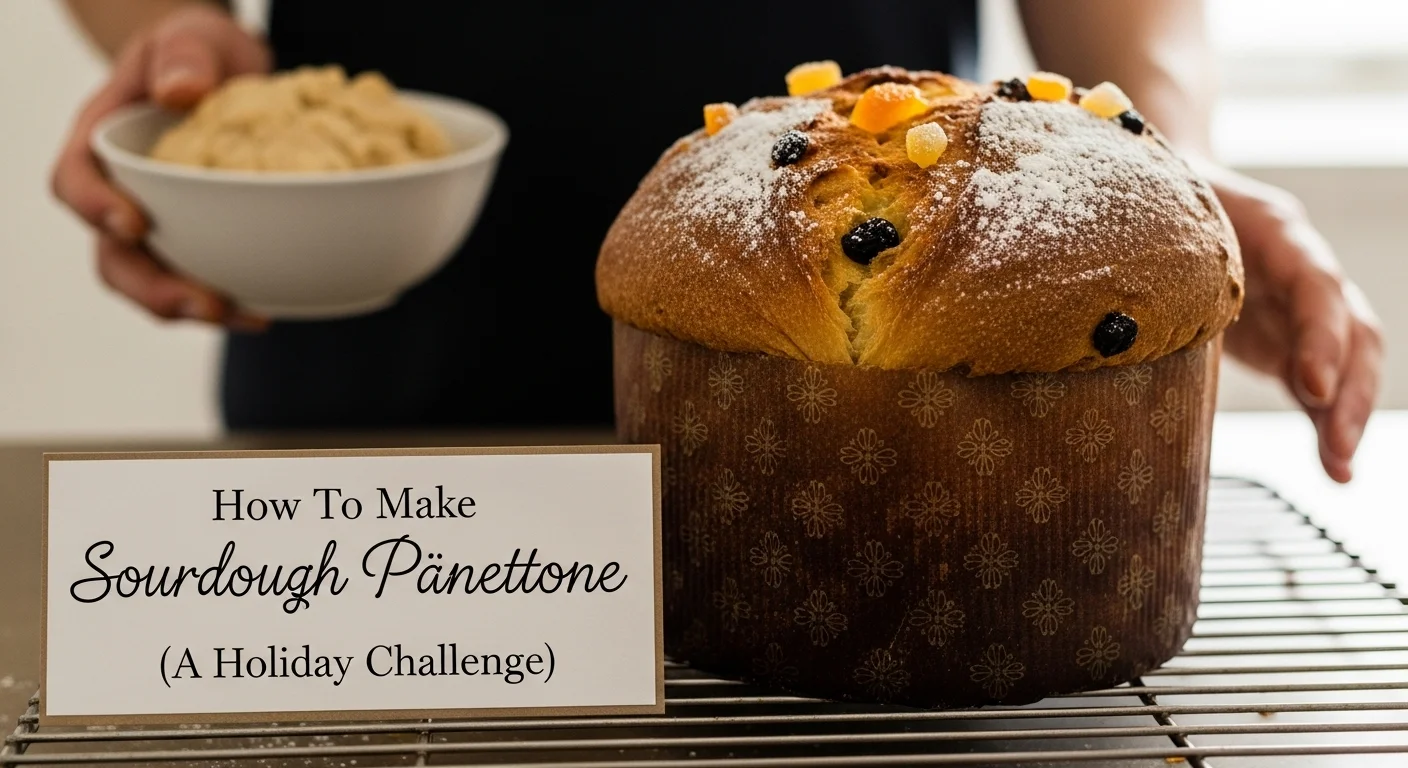
Sourdough panettone is a sweet, Italian bread that’s traditionally enjoyed during the holiday season. It has a fluffy and airy structure, often filled with dried fruits, nuts, and sometimes chocolate. The use of a sourdough starter instead of commercial yeast gives it a unique tangy flavor and a delightful complexity that you won’t find in standard panettone. I remember the first time I tasted a slice; the texture was light, and the flavors were so vibrant. It felt like a warm hug on a chilly holiday morning!
Historical Background of Panettone
The origins of panettone date back to the early 20th century, but its roots reach deep into Milan’s history. Legend has it that it was created by a baker named Toni, who fell in love with a noblewoman. To win her heart, he made a special sweet bread, which eventually evolved into the panettone we cherish today. The bread was initially a luxury item, reserved for special occasions. I love how food can carry such rich stories, connecting generations and cultures. Each time I bake it, I feel like I’m participating in that ongoing tradition.
Differences Between Traditional and Sourdough Panettone
When comparing traditional panettone to its sourdough counterpart, the primary difference lies in the leavening agent. Traditional recipes often use commercial yeast, which can speed up the fermentation process, yielding a quicker rise but sometimes sacrificing flavor. On the other hand, sourdough panettone relies on a naturally fermented starter, which requires more time but rewards you with a depth of flavor and improved texture. I found that this slow fermentation allowed the bread to develop a rich, complex taste that I never experienced with the conventional version. Plus, the process of nurturing my starter became a fun and rewarding ritual!
Essential Ingredients for Sourdough Panettone
Flour Types: Bread Flour vs. All-Purpose Flour
Choosing the right flour is crucial for baking a successful sourdough panettone. While all-purpose flour may seem convenient, I found that using bread flour gives the bread structure and better chew. Bread flour has a higher protein content, which contributes to the gluten development necessary for that lovely airy texture. However, a mix of both can yield great results as well. I experimented with different ratios to see how they affected the final product, and I loved the slight variations!
Active Sourdough Starter: What You Need
Your sourdough starter is the heart of this recipe. It’s essential to have an active, bubbly starter, as it directly influences the flavor and rise of your panettone. I learned that feeding it regularly in the days leading up to my baking day made a significant difference. The night before, I would make sure to give it a good feed, and when I saw it double in size, I felt that familiar excitement building up for the bake ahead.
Sweeteners: Sugar, Honey, and Alternatives
For sweeteners, traditional recipes often call for granulated sugar, but I like to mix it up with alternatives like honey or even maple syrup now and then. Each sweetener adds a unique flavor. Honey, for example, brings a floral note that complements the fruits in the panettone beautifully. I’ve found that adjusting the sweetener can make a huge difference, so don’t hesitate to experiment based on your taste preferences!
Flavor Enhancers: Vanilla, Citrus Zest, and Spices
To elevate the flavor of your panettone, consider adding vanilla extract, citrus zest, or warming spices like cinnamon and nutmeg. I remember grating fresh orange zest and mixing it into the dough; the aroma was intoxicating! It brought a festive feel to my kitchen, reminding me of holiday celebrations. These flavor enhancers are essential for capturing that traditional panettone taste and making it even more delightful.
Add-ins: Dried Fruits, Nuts, and Chocolate
Now, let’s talk about the fun part: add-ins! Dried fruits like raisins, candied orange peel, and even chocolate chunks are classic choices. Personally, I’m a big fan of throwing in some dark chocolate pieces for a touch of indulgence. It’s amazing how just a handful of these ingredients can transform the final product, creating bursts of flavor in every bite. I often like to mix and match based on what I have on hand, which makes each batch a unique creation of its own. Read Interesting article: Simple Vegan Shortbread (Buttery & Melt-In-Your-Mouth)
Equipment Needed for Baking Sourdough Panettone
Panettone Mold: Choosing the Right Size
Investing in a good panettone mold is essential for achieving that classic shape and texture. I remember the first time I tried to bake panettone, I used a regular cake pan, and while it was tasty, it didn’t have that tall, beautiful dome I was aiming for. Panettone molds come in various sizes, so I recommend picking one that holds around 1 to 2 liters. If you want to get adventurous, consider using a paper mold, which can be super handy since it allows the dough to rise beautifully while also being easy to clean up. Plus, they come in festive designs that can make your baked goods look even more appealing!
Mixing Tools: Bowls, Spatulas, and Dough Scrapers
Having the right mixing tools can make a world of difference in how your dough comes together. I typically use a large mixing bowl that allows plenty of room for kneading. A sturdy spatula is great for folding in the ingredients without deflating the dough too much. Dough scrapers have become one of my favorite tools; they help me handle the sticky dough with ease and make transferring it to the mold much simpler. I also keep a bench scraper handy for dividing the dough during shaping—it’s a small detail, but it makes everything so much more efficient!
Baking Tools: Oven Thermometer, Baking Stone, and Parchment Paper
When it comes to baking, precision is key. An oven thermometer is a must-have in my kitchen. Even if my oven has a digital display, I’ve learned the hard way that it can be off. Having an accurate reading ensures that my panettone bakes evenly. I also love using a baking stone; it helps distribute heat more evenly, which is especially important for a bread that needs to rise and develop a crust. Lastly, parchment paper is my go-to for lining the bottom of the mold, making it easier to remove the finished product without sticking. These small tools may seem insignificant, but they truly elevate the entire baking experience!
The Sourdough Panettone Making Process
Step 1: Preparing the Sourdough Starter
Before diving into mixing and kneading, the first step is to ensure your sourdough starter is ready. I usually start by feeding my starter about 4 to 6 hours before I plan to bake. This timing allows it to become bubbly and active. I often take a little time to watch the starter grow, and I can’t help but feel a sense of satisfaction knowing that the fermentation process is at work. It’s like the starter is preparing for its big moment!
Step 2: Mixing the Ingredients
Once my starter is ready, I gather all my ingredients. Mixing everything is where the magic begins! I typically combine my flour, sugar, and any flavorings in a large bowl. Then, I add the active sourdough starter and warm water. I use my hands to mix everything together, which allows me to feel the texture of the dough. There’s something incredibly satisfying about this tactile experience. I aim for a shaggy dough that may seem a little wet at first—it will come together beautifully after kneading.
Step 3: First Rise: Bulk Fermentation
After mixing, I cover the bowl with a damp cloth and let the dough rest. This bulk fermentation phase is critical as it allows the flavors to develop. I’ve found that letting it rise for about 4 to 6 hours works best for me, though sometimes I let it go overnight in the fridge for a slower fermentation. During this time, I often sneak peeks to see how much it’s expanding. It’s a real joy to watch the dough grow and bubble, knowing that it’s coming together beautifully!
Step 4: Shaping the Dough
Once the dough has risen significantly, it’s time to shape it. I gently turn it out onto a floured work surface and carefully flatten it. This step is all about being gentle—not wanting to deflate all that lovely air we just built up. I’ll then add my dried fruits and nuts, folding them in slowly. After that, I shape the dough into a tight ball, tucking the edges underneath. This step is crucial for achieving that gorgeous dome shape, and honestly, it’s so satisfying to see the dough take form!
Step 5: Second Rise: Proofing the Dough
Now that the dough is shaped, I transfer it to the prepared mold. I cover it again and let it proof for another 2 to 3 hours. This second rise is essential for achieving that light, airy texture we crave in panettone. I love watching the dough as it fills the mold—there’s something magical about seeing it grow and knowing a delicious treat awaits at the end! Sometimes, I’ll preheat my oven during this time to ensure it’s nice and warm when the dough is ready.
Step 6: Baking Your Panettone
When the dough has risen beautifully, it’s time for baking. I preheat my oven to around 350°F (175°C) and carefully place the mold inside. The aroma starts to fill my kitchen, and I can hardly wait for it to be done! I usually bake it for about 40 to 50 minutes, but I keep an eye on it, checking for a golden brown top. If the top starts to brown too quickly, I cover it loosely with aluminum foil to prevent burning.
Step 7: Cooling and Storing Your Panettone
Once baked, I remove the panettone from the oven and allow it to cool in the mold for about 15 minutes. After that, I transfer it to a cooling rack. Here’s a little tip I learned: to keep the lovely dome shape intact, I often turn it upside down while cooling—this way, gravity helps maintain its structure. After it’s completely cool, I wrap it in plastic wrap and store it in a cool place. If I could resist the temptation, I’ve noticed that letting it sit for a day improves the flavors even more!
Common Challenges and Troubleshooting
Dough Not Rising: Possible Reasons
One of the most frustrating moments in baking sourdough panettone can be when your dough just won’t rise. I remember a time when I eagerly awaited my dough to puff up, only to find it sitting there, unimpressed. There are a few reasons this might happen. First, it could be that your sourdough starter isn’t active enough. I’ve learned that feeding my starter regularly and ensuring it’s bubbly before use is essential. Additionally, the temperature of your environment plays a significant role. Sourdough loves warmth! If my kitchen is too cold, I find that moving the dough to a warmer spot, like near my oven or a sunny window, helps immensely. Lastly, make sure you’re using fresh flour, as stale flour can hinder the fermentation process.
Overproofing: Signs and Solutions
Overproofing can be another sneaky challenge. I’ve had experiences where I let my dough rise for too long, thinking I was giving it the extra love it needed. Unfortunately, this can lead to a flat panettone with a gummy texture. Signs of overproofing include a dough that has lost its bounce and looks overly soft. If you catch it in time, you can gently reshape and give it a shorter second rise. In the future, I’ve learned to set a timer for my proofs to keep track, and I always do the “poke test.” If you poke the dough and it springs back slowly, it’s ready. If it doesn’t spring back at all, it’s time to bake!
Uneven Texture: Fixing Dense or Crumbly Panettone
Finally, there’s the issue of texture. I’ve had my share of panettone that turned out too dense or crumbly, which can be so disappointing after all the effort. If your panettone is dense, it might be due to insufficient gluten development. I’ve found that kneading longer or incorporating stretch and folds during the bulk fermentation can help build that gluten structure. On the other hand, if my bread is too crumbly, it might have been overbaked or had too much flour added during mixing. I always try to measure my flour accurately and trust my instincts about the dough’s feel rather than the exact amount.
Serving Suggestions and Pairings
Traditional Toppings: Glazes and Icing
Once my sourdough panettone is baked and cooled, the fun of serving it begins! While it’s delicious on its own, I love to take it up a notch with some traditional toppings. A simple glaze made from powdered sugar and water can add a lovely sheen, while a richer icing with butter and vanilla can create that festive vibe. I’ve enjoyed experimenting with different flavors in my glaze—sometimes, I’ll add a splash of almond extract or a hint of citrus juice for a delightful twist. It’s amazing how a little touch of sweetness can elevate the whole experience!
Pairing Drinks: Wine, Coffee, and Tea
Pairing drinks with my panettone has turned into a delightful tradition. I often serve it with a cup of rich coffee, which complements the sweet flavors beautifully. On special occasions, I’ve paired it with a dessert wine, like Vin Santo or a sweet Riesling, which enhances the fruity notes in the bread. If I’m feeling a bit more adventurous, herbal teas can also be a lovely match, especially those with hints of spice or citrus. I love how these pairings create an immersive experience that makes each bite even more enjoyable. Read Interesting article: Vegan Coffee Cake (With A Cinnamon Streusel Topping)
Creative Serving Ideas: French Toast or Bread Pudding
For those days when I want to repurpose leftover panettone, I’ve found some fantastic creative serving ideas. Making French toast with slices of panettone is one of my favorites! The soft, sweet bread soaks up the egg mixture beautifully, and when I cook it until golden brown, it’s simply divine. Another option I adore is transforming leftover panettone into a bread pudding. I mix it with custard and bake it until the top is crispy and caramelized while the inside remains soft and gooey. It’s a comforting dessert that adds a whole new twist to this festive bread!
Storing and Preserving Sourdough Panettone
Best Practices for Short-Term Storage
Now that we’ve baked, served, and enjoyed our panettone, it’s important to think about storing it properly. For short-term storage, I find that wrapping it in plastic wrap and keeping it in a cool, dry place works best. This helps retain its moisture while preventing it from drying out. I typically finish my panettone within a week, but I’ve learned that it can last longer if taken care of properly. Just make sure to keep it away from direct sunlight and heat sources!
Freezing Panettone: How to Do It Right
For longer storage, I’ve discovered that freezing panettone is a great option. To do this, I slice the bread first, wrap each slice in plastic wrap, and then place them in a freezer bag. This way, I can pull out a slice whenever the craving hits! When it’s time to enjoy, I let it thaw at room temperature or pop it in the toaster. I love how it can taste almost as fresh as the day it was baked!
Reviving Stale Panettone: Tips and Tricks
Sometimes, I’ve found myself with stale panettone, and instead of tossing it out, I’ve learned how to revive it! A quick solution is to give it a light spritz with water and warm it in the oven for a few minutes. This helps restore some moisture and refresh the flavors. Alternatively, I might turn it into a delicious bread pudding, as mentioned earlier, or even use it for a creative trifle layered with whipped cream and fruit. It’s amazing how a little creativity can breathe new life into what might seem like leftovers!
Frequently Asked Questions
What is Sourdough Panettone?
Sourdough panettone is a sweet, Italian bread traditionally enjoyed during the holiday season. It has a fluffy and airy structure, often filled with dried fruits, nuts, and sometimes chocolate. The use of a sourdough starter instead of commercial yeast gives it a unique tangy flavor and delightful complexity.
What are the historical origins of Panettone?
The origins of panettone date back to the early 20th century, with roots in Milan’s history. Legend has it that it was created by a baker named Toni, who made a special sweet bread to win the heart of a noblewoman.
How does traditional panettone differ from sourdough panettone?
The primary difference lies in the leavening agent; traditional recipes use commercial yeast for a quicker rise, while sourdough panettone relies on a naturally fermented starter, which provides a depth of flavor and improved texture.
What type of flour is recommended for making sourdough panettone?
Using bread flour is recommended for sourdough panettone as it gives the bread structure and better chew due to its higher protein content. A mix of both bread flour and all-purpose flour can also yield great results.
What role does the sourdough starter play in the recipe?
The sourdough starter is the heart of the sourdough panettone recipe. An active, bubbly starter is essential as it directly influences the flavor and rise of the bread.
What ingredients can be added to enhance the flavor of sourdough panettone?
Flavor enhancers such as vanilla extract, citrus zest, and spices like cinnamon and nutmeg can elevate the flavor. Additionally, dried fruits, nuts, and chocolate can be added as mix-ins to create bursts of flavor.
What equipment is needed to bake sourdough panettone?
Essential equipment includes a panettone mold, mixing tools like bowls and spatulas, and baking tools such as an oven thermometer, baking stone, and parchment paper for lining the mold.
What should I do if my dough doesn’t rise?
If your dough doesn’t rise, it could be due to an inactive sourdough starter or a cold environment. Make sure your starter is bubbly and try moving the dough to a warmer spot to encourage rising.
How should I store sourdough panettone for short-term use?
For short-term storage, wrap the panettone in plastic wrap and keep it in a cool, dry place to retain moisture and prevent it from drying out.
What are some creative ways to use leftover panettone?
Leftover panettone can be transformed into French toast or bread pudding, adding a delicious twist to the festive bread and minimizing waste.