
Have you ever tasted a traditional French curry? It’s a delightful fusion of rich flavors and aromatic spices that can elevate any meal. Let’s dive into the world of French curry and discover how to create this culinary masterpiece!
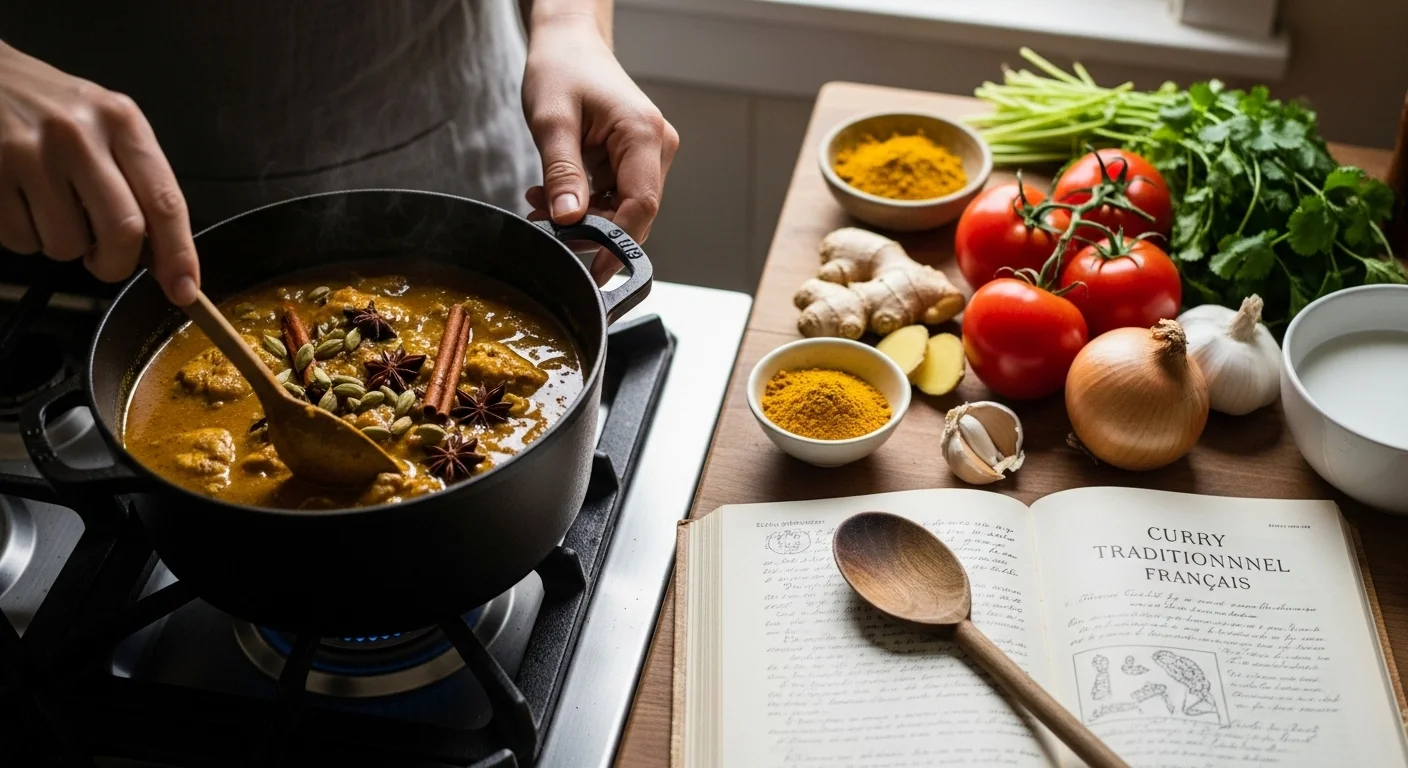
Understanding Traditional French Curry
When I first encountered traditional French curry, I was intrigued. The idea of blending French culinary techniques with the bold spices typically found in Indian and Southeast Asian curries was fascinating. I thought, “How can these two worlds merge so beautifully?” What I discovered was a delightful exploration of flavors that reflects both cultures. The use of fresh ingredients, a variety of spices, and cooking methods creates a unique dish that feels comforting and vibrant at the same time.
The Origins of French Curry
French curry, as I learned, isn’t just a standard recipe; it’s a concept deeply rooted in regional French cooking. While curry is often associated with Indian cuisine, its introduction to France has created a unique culinary tradition. Over the years, I realized that French chefs began incorporating spices into their dishes, particularly in regions like Provence where the Mediterranean influence is strong. It’s like a beautiful dance between the warmth of curry and the finesse of French cooking.
Essential Ingredients
Creating a traditional French curry involves using fresh, high-quality ingredients. Here’s what I recommend for a great start:
- Protein: Chicken is commonly used, but you can also use beef, lamb, or even veggies for a vegetarian option.
- Spices: The spice blend is pivotal. I love using turmeric, cumin, coriander, and a hint of cinnamon. You can also add a bit of cayenne for heat.
- Aromatics: Onions, garlic, and ginger form the aromatic base. I find that sautéing them until they’re golden really enhances the flavor.
- Liquid: Chicken stock or coconut milk adds depth. I often use a mix of both for a creamy and rich texture.
- Fresh Herbs: Thyme and parsley are great for finishing touches. I enjoy sprinkling fresh herbs right before serving for that extra pop of flavor.
Preparing Your French Curry
I’ve discovered that the key to a successful French curry lies in the cooking process. Here’s how I usually go about it:
- Sauté the Aromatics: Start by heating some olive oil in a large pot over medium heat. Add chopped onions, minced garlic, and grated ginger. Sauté until the onions are translucent, which usually takes about 5-7 minutes. The smell is heavenly!
- Add the Spices: Once the onions are ready, it’s time to add the spices. I typically add turmeric, cumin, coriander, and cinnamon. Stir the mixture for about a minute to toast the spices. This step really brings out their flavors.
- Cook the Protein: Now, I add my protein of choice, whether it’s chicken pieces or veggies. Make sure to brown them on all sides. This step is crucial for building depth in flavor.
- Pour in the Liquid: After browning the protein, I add the chicken stock (or coconut milk) to the pot. Stir everything together and bring it to a simmer. I love how the color changes and the aroma fills the kitchen.
- Simmer: Let the curry simmer for at least 20-30 minutes. This is where the magic happens! The flavors meld together beautifully, and the sauce thickens up. I often check on it and give it a stir every now and then to ensure it’s not sticking.
- Finish with Herbs: When it’s almost done, I like to add fresh thyme and parsley. This brightens the dish and adds a touch of freshness that contrasts beautifully with the rich spices.
Serving Suggestions
When it comes to serving French curry, I have a few favorites. I usually serve it over a bed of fluffy rice or creamy mashed potatoes. The starch absorbs the flavorful sauce, making every bite delicious. I’ve also paired it with fresh, crusty baguettes for a delightful experience. And don’t forget to present it with a sprinkle of fresh herbs on top for that restaurant-quality touch!
Tips for Customization
One of the things I love most about making French curry is how customizable it is. If you’re like me and enjoy experimenting in the kitchen, here are a few tweaks you can try:
- Vegetables: Feel free to add your favorite vegetables. I’ve tried bell peppers, carrots, and even spinach. They add color and nutrition!
- Heat Level: Adjust the heat by adding more cayenne or even some chopped fresh chili if you like it spicy.
- Vegan Options: Switching protein for tofu or chickpeas works wonderfully. Just make sure to adjust the cooking time accordingly.
Creating traditional French curry has become a beloved culinary adventure for me. The rich flavors, the vibrant colors, and the beautiful aromas are just a few reasons why I keep coming back to this dish. Whether it’s for a family dinner or a cozy night in, French curry never disappoints. I encourage you to give it a try and experience the magic of this dish for yourself!
Pairing Wines with French Curry
One of the joys of enjoying a meal is pairing it with the perfect drink. When it comes to French curry, I’ve found that selecting the right wine can enhance the entire experience. I remember the first time I paired my curry with a glass of wine. It was as if the flavors danced together, elevating both the dish and the drink. Here are my go-to suggestions for wine pairings that complement the rich and spicy notes of French curry.
White Wine Pairings
For me, white wines often work beautifully with the spices of French curry. The refreshing acidity can balance the richness of the dish. Here are a few options I’ve enjoyed:
- Sauvignon Blanc: This wine’s zesty notes and crisp acidity make it a fantastic choice. It cuts through the creaminess of the curry and highlights the fresh herbs. I remember trying it with my curry and feeling the flavors pop.
- Chardonnay: If you prefer something a bit richer, a lightly oaked Chardonnay can do wonders. The buttery texture complements the curry’s spices, creating a harmonious blend. I often choose this when I want something a bit more indulgent.
- Riesling: A slightly off-dry Riesling can also be a match made in heaven. The sweetness helps to balance the heat if you’ve added some cayenne or fresh chili, making each sip refreshing. I love how it makes the meal feel so bright and lively.
Red Wine Pairings
If you’re more of a red wine lover, don’t worry! There are great options for pairing red wine with French curry as well. I used to think that red wines clashed with curry, but I’ve since learned otherwise:
- Pinot Noir: This wine is light enough not to overpower the dish, while its earthy undertones complement the spices beautifully. I’ve found that a glass of Pinot Noir can enhance the overall flavor experience.
- Grenache: With its fruit-forward profile, Grenache works well with the aromatic spices. It brings a bit of sweetness that can balance the dish, especially if you’ve added some heat. I often gravitate towards this when I want a bolder flavor.
- Syrah/Shiraz: If you’re in the mood for something richer, a Syrah or Shiraz can also be a delightful pairing. The robust flavors match the intensity of the curry, making for a satisfying meal. I love the warmth it brings, especially during colder months.
Non-Alcoholic Options
Not everyone drinks alcohol, and I completely understand that. I’ve also enjoyed finding non-alcoholic pairings that work wonderfully with French curry. Here are some of my favorites:
- Coconut Water: This refreshing drink adds a tropical twist and pairs nicely with the spices. I often pour a glass of cold coconut water when I want something light and hydrating.
- Herbal Tea: A good herbal tea, like mint or chamomile, can cleanse the palate and enhance the meal. I remember sipping on mint tea alongside my curry, and it felt like the perfect match.
- Fruit Juices: Fresh juices, especially those made from citrus fruits, can brighten the meal. Orange or pineapple juice can add a sweet and tangy twist that complements the curry well. I’ve had great success with this when hosting friends who prefer not to drink alcohol.
Storing and Reheating Leftovers
As much as I love making French curry, sometimes I end up with leftovers. Rather than letting them go to waste, I’ve learned a few tips on how to store and reheat them so they taste just as delicious the next day.
Proper Storage
First, I make sure to cool the curry completely before storing it. I usually divide it into individual portions in airtight containers. This makes it easy to grab for lunch or dinner later in the week. I’ve found that storing it in glass containers helps maintain the flavors better than plastic. Plus, it’s microwave-friendly!
Reheating Tips
When it’s time to eat, I’ve discovered that reheating on the stovetop is the best way to bring the dish back to life. I pour the curry into a skillet over medium heat and stir occasionally. If it seems too thick, I add a splash of water or stock to loosen it up. I’ve noticed that this method keeps the flavors intact and prevents the curry from drying out.
If I’m in a rush, I might use the microwave, but I always cover the container with a microwave-safe lid to trap moisture. I heat it in short intervals, stirring in between to ensure it heats evenly. This way, I can enjoy my French curry, even if it’s a day or two old, without missing out on the amazing flavors.
Whether I’m enjoying it fresh or as leftovers, French curry continues to be a delightful dish that never fails to impress. From the perfect wine pairing to savoring those leftovers, I’ve learned to appreciate every aspect of this culinary journey.
Exploring Variations of French Curry
I love how versatile French curry can be, allowing for endless variations depending on personal preference or regional influences. Each variation I’ve tried adds a unique twist, creating a new experience with every dish. If you’re curious about experimenting, here are some of my favorite variations that I’ve personally enjoyed.
Seafood French Curry
One of the more adventurous variations I’ve tried is seafood French curry. I remember the first time I utilized shrimp and mussels instead of the traditional chicken. The seafood adds a lightness that complements the spices beautifully. When preparing it, I still follow the same base steps but adjust the cooking time. I add the seafood towards the end of the simmering process to prevent it from overcooking. The result is a fragrant, aromatic dish that transports you straight to the coast of France.
Vegetarian and Vegan Options
As someone who enjoys plant-based meals, I’ve experimented with vegetarian and vegan versions of French curry. One of my favorite recipes involves using chickpeas and a mix of colorful vegetables like bell peppers, zucchini, and carrots. The chickpeas provide protein, while the veggies add a crunchy texture. I often add a splash of coconut milk to give it that creamy richness I love. It’s incredible how satisfying a vegetarian curry can be! I’ve even made it with lentils, which absorb the spices beautifully and create a comforting meal.
Curry with Different Spices
While I have my go-to spice blend, I’ve also enjoyed playing with different spices to create unique flavor profiles. For example, I once added cardamom and star anise to my curry, which gave it an unexpected richness and depth. The warm, sweet notes from these spices complemented the savory elements wonderfully. I’ve learned that sometimes, a simple twist on the spice mix can completely change the character of the dish, making it feel fresh and exciting.
Fruit-Infused French Curry
Another delightful variation I stumbled upon involves incorporating fruits into the curry. I remember trying a mango-infused version that was nothing short of fantastic. The sweetness of the mango balances the spices, making each bite a delightful experience. I typically add the diced mango towards the end of cooking to keep its texture intact. Pineapple is another fruit I enjoy adding, as it adds a tropical twist and brightens the flavors. It’s a fun way to create a unique balance of sweet and savory!
Regional Influences
French curry can also take on regional influences, which I find fascinating. For instance, I once tried a version inspired by Indian cuisine that involved marinating the protein in yogurt and spices before cooking. This method tenderizes the meat and infuses it with flavor. Another time, I experimented with a North African twist, adding apricots and almonds to the mix. The sweetness from the dried fruit and the crunch from the nuts created a beautifully textured dish that was both comforting and exotic.
Cooking Methods
While I usually cook my French curry on the stovetop, I’ve also tried slow-cooking and pressure cooking methods. I remember using my slow cooker on a busy day; I simply tossed all the ingredients in and let it cook low and slow. The flavors melded together beautifully, resulting in a rich, deeply flavored curry that was waiting for me when I got home. On particularly hectic days, I’ve also relied on my pressure cooker. It drastically cuts down cooking time while still allowing the spices to develop their full potential. It’s a lifesaver when I want a hearty meal but don’t have the time to stand over the stove.
Serving Styles
Serving styles can also vary, and I’ve found that presenting the dish in different ways can elevate the dining experience. I sometimes serve my French curry in hollowed-out bread bowls, which not only look stunning but also add an extra layer of flavor. Another fun idea I’ve tried is layering the curry in a casserole dish, topping it with mashed potatoes or rice, and then baking it until golden and bubbly. It’s like a comforting French curry shepherd’s pie that warms the soul!
Sharing the Experience
One of the most rewarding aspects of making French curry is sharing it with others. Whether it’s a dinner party with friends or a cozy family night, I love watching everyone’s reactions as they take their first bite. It’s always a joy to see them relish the flavors and ask for seconds! I often encourage friends to join in during the cooking process, sharing tips and techniques along the way. Cooking together becomes a bonding experience, and we often end up laughing and chatting as we create something delicious.
With all these variations and possibilities, I truly believe that French curry is a canvas for creativity in the kitchen. Each time I make it, I discover something new, whether it’s a different ingredient or a unique way to serve it. I encourage you to explore these variations and make them your own. After all, the magic of cooking lies in the joy of experimenting and discovering new flavors. Let your culinary adventure with French curry begin!
Frequently Asked Questions
“`htmlWhat is traditional French curry?
Traditional French curry is a delightful fusion of rich flavors and aromatic spices, blending French culinary techniques with bold spices typically found in Indian and Southeast Asian curries.
What are the essential ingredients for making French curry?
Essential ingredients for French curry include a protein (like chicken, beef, lamb, or veggies), spices (turmeric, cumin, coriander, and cinnamon), aromatics (onions, garlic, and ginger), liquid (chicken stock or coconut milk), and fresh herbs (thyme and parsley).
How do you prepare traditional French curry?
To prepare French curry, sauté the aromatics, add the spices, cook the protein, pour in the liquid, let it simmer, and finish with fresh herbs.
What are some serving suggestions for French curry?
French curry can be served over fluffy rice or creamy mashed potatoes, paired with fresh baguettes, and garnished with a sprinkle of fresh herbs for a restaurant-quality touch.
Can I customize my French curry?
Yes, French curry is highly customizable. You can add your favorite vegetables, adjust the heat level, or switch the protein for tofu or chickpeas for vegan options.
What wines pair well with French curry?
White wines like Sauvignon Blanc, Chardonnay, and Riesling work beautifully, while red wines such as Pinot Noir, Grenache, and Syrah/Shiraz are also good options. Non-alcoholic options include coconut water, herbal tea, and fruit juices.
How should I store and reheat leftovers of French curry?
Cool the curry completely before storing it in airtight containers. When reheating, use the stovetop for best results, adding a splash of water or stock if it’s too thick, or microwave it covered with a lid if in a hurry.
What are some variations of French curry?
Variations include seafood French curry, vegetarian and vegan options, curry with different spices, fruit-infused versions, and regionally influenced recipes that incorporate unique ingredients and cooking methods.
What cooking methods can be used for French curry?
French curry can be cooked on the stovetop, in a slow cooker, or using a pressure cooker, allowing for flexibility based on time and preference.
Why is sharing French curry with others enjoyable?
Sharing French curry creates a bonding experience, as friends and family relish the flavors together, often leading to lively conversations and a sense of community during the cooking process.
“`