
There’s something magical about making traditional Indian noodles at home. The aroma of spices fills the air, and the flavors dance on your palate. Let’s dive into this culinary adventure and create something truly special together.
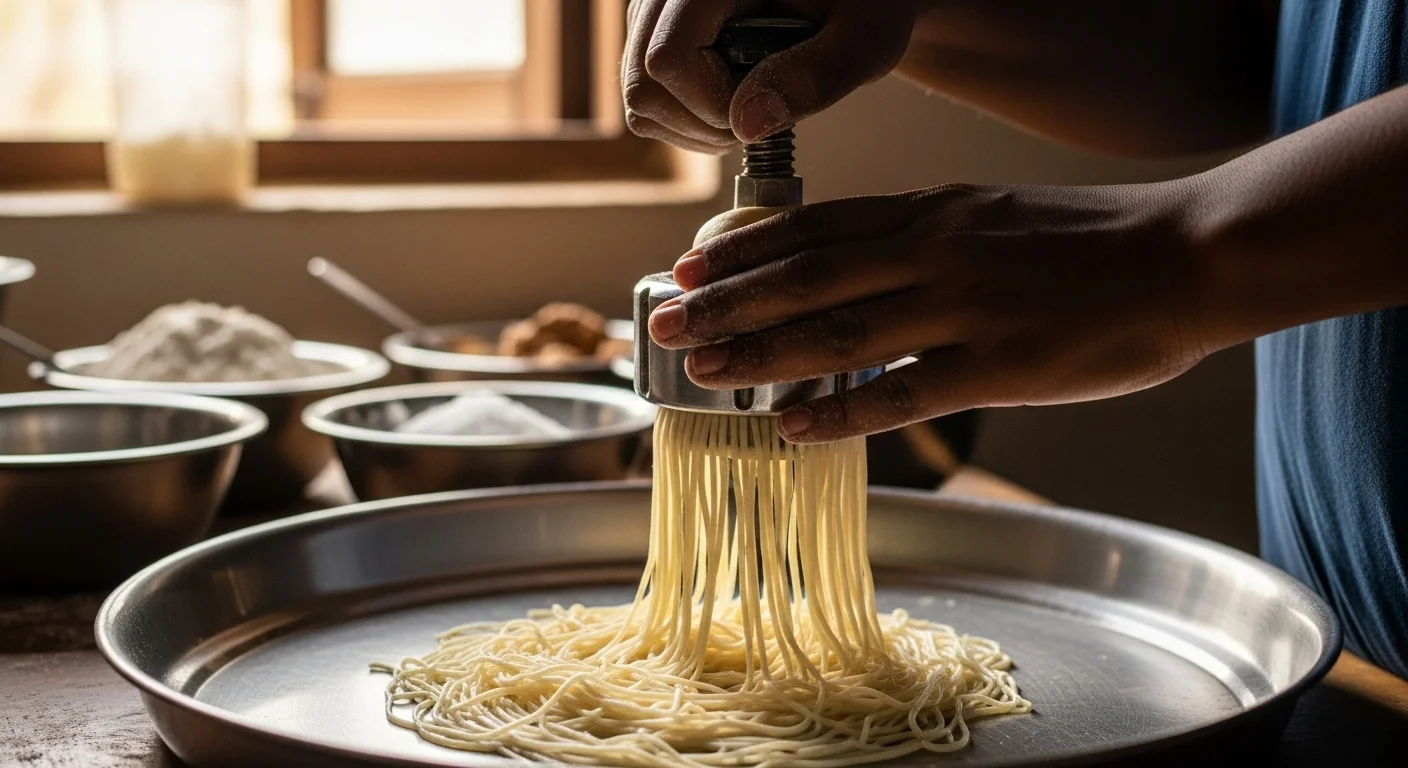
Understanding the Basics of Indian Noodles
When I first heard about traditional Indian noodles, I was surprised. Noodles in India? I grew up thinking of noodles as a staple of Italian or Asian cuisine. But as I began my culinary journey, I discovered that India has its own delicious take on noodles, particularly through dishes like “Seviyan” (vermicelli) and “Chowmein” (Indian-style stir-fried noodles). Each variety reflects regional tastes and preferences, making it a vibrant addition to Indian cuisine.
The Ingredients You’ll Need
To make traditional Indian noodles, it’s essential to gather the right ingredients. Over time, I’ve learned that using fresh, quality ingredients makes all the difference. Here’s what you’ll need:
- Noodles: You can use semolina noodles, wheat noodles, or even rice noodles, depending on your preference.
- Vegetables: Fresh vegetables like carrots, bell peppers, peas, and onions add color and crunch.
- Spices: Cumin seeds, turmeric, and chili powder bring warmth and flavor.
- Herbs: Fresh coriander (cilantro) or mint can elevate your dish.
- Oil: I prefer using vegetable or mustard oil for authenticity.
- Salt: To taste, of course.
- Lemon juice: A splash of acidity brightens the dish.
Preparing the Noodles
In my experience, cooking the noodles perfectly is crucial. If you overcook them, they become mushy; undercooked, and they’ll be too chewy. Here’s a simple method I’ve found effective:
- Bring a large pot of water to a rolling boil.
- Add a pinch of salt and the noodles. Cook according to package instructions. Usually, it takes about 4-6 minutes.
- Once cooked, drain the noodles in a colander and rinse them under cold water. This stops the cooking process and helps keep them separate.
- Drizzle a little oil over the noodles and toss them gently to prevent sticking.
Making the Vegetables and Spices
While the noodles are cooking, I like to prepare the vegetables and spices. This step is where the magic happens. Here’s how I do it:
- In a large pan or wok, heat about 2 tablespoons of oil over medium heat.
- Add cumin seeds and let them sizzle for a few seconds until fragrant. This step is my favorite because the aroma fills the kitchen.
- Next, toss in chopped onions and sauté until they turn golden brown. It’s essential to keep stirring to avoid burning.
- Then, add in the chopped vegetables. I usually start with the harder ones like carrots and bell peppers, followed by softer ones like peas. Cook them until they are tender but still crisp.
- Sprinkle in turmeric and chili powder. I like to adjust the spice level according to my mood. If I’m feeling adventurous, I add a bit more chili powder!
- After the spices are well-blended, toss in the cooked noodles. Mix everything gently to coat the noodles with the spices and vegetables.
Bringing it All Together
At this point, the kitchen smells heavenly. But we’re not done yet! Here’s how I like to finish my noodle dish:
- Drizzle some lemon juice over the noodles for that zesty kick.
- Garnish with finely chopped coriander or mint. It not only looks beautiful but adds a fresh taste.
- Serve hot, ideally with a side of spicy chutney or yogurt for dipping. I’ve found that the cooling yogurt balances the spice perfectly.
As I enjoy my plate of Indian noodles, I reflect on the experience. Cooking isn’t just about following a recipe; it’s about creating memories and sharing flavors that tell a story. I encourage you to try this recipe and make it your own by adding your favorite ingredients or tweaking the spices. You might just discover a new favorite dish!
Exploring Variations of Indian Noodles
One of the things I love about cooking is the endless possibilities for creativity. Indian noodles are no exception. Over time, I’ve experimented with different variations and flavors, and I’ve discovered that mixing things up can lead to truly delightful results. Here are some of my favorite ways to customize Indian noodles, making each dish a unique experience.
1. Seviyan Upma
This is a popular South Indian breakfast dish that uses vermicelli instead of the usual noodles. I remember the first time I tried it; the flavors were so comforting. Here’s how I make my Seviyan Upma:
- Start by dry roasting around a cup of vermicelli in a pan until it turns golden brown. This step adds a nice nutty flavor that I absolutely adore.
- In another pan, heat some oil and add mustard seeds. Once they start to crackle, throw in chopped onions, green chilies, and fresh ginger.
- After sautéing until the onions are translucent, add diced tomatoes and cook until they soften. I usually toss in peas and chopped carrots at this stage for added nutrition and texture.
- Now, add water (about 2 cups for one cup of vermicelli) and bring it to a boil. Once boiling, stir in the roasted vermicelli and cook until all the water is absorbed.
- Finish it off with a sprinkle of fresh coriander and a squeeze of lemon juice. Trust me, it’s a breakfast that feels like a warm hug!
2. Masala Chowmein
If you want a street food-inspired dish, Masala Chowmein is the way to go. I’ve had my share of late-night cravings for this one! It’s quick to make and bursting with flavors. Here’s how I whip it up:
- Start with cooking the noodles as I described earlier. I usually prefer the thicker wheat noodles for this dish.
- In a large wok, heat oil and add finely chopped garlic and ginger. The aroma is irresistible!
- Next, toss in a mix of colorful vegetables like cabbage, bell peppers, and spring onions. I like to keep them slightly crunchy for that perfect bite.
- Add soy sauce, vinegar, and a pinch of sugar to balance flavors. I often customize the sauce with a dash of chili sauce or ketchup for a tangy twist.
- Once the vegetables are cooked to your liking, add the cooked noodles. Toss everything together until the noodles are coated in that delicious sauce.
- Garnish with some sesame seeds and serve hot. I sometimes top it with fried eggs for added richness!
3. Curry Noodles
This variation is perfect for those chilly nights when you crave something hearty. I remember making curry noodles when I had friends over for dinner, and it was a total hit.
- Start by cooking your choice of noodles. I often use egg noodles for this recipe.
- In a large pot, heat some oil and add chopped onions, garlic, and ginger. Sauté until everything is nice and fragrant.
- Stir in curry powder and cook it for a minute to release its flavors before adding diced tomatoes.
- Pour in coconut milk and let it simmer for a bit. The creaminess of the coconut milk adds a lovely texture.
- Add your choice of protein, like chicken or tofu, and let it cook through. Vegetables like spinach or bell peppers can be added for extra nutrition.
- Finally, when everything is cooked, toss in the noodles and mix well. I like to finish it with fresh lime juice and coriander for a burst of freshness.
4. Cold Noodle Salad
This is a refreshing twist, especially during warm weather. I often make it for picnics or potlucks, and it’s always a crowd-pleaser.
- Prepare the noodles as before, but make sure to rinse them thoroughly under cold water.
- In a large bowl, mix together a dressing of soy sauce, sesame oil, honey, and rice vinegar. I feel like this combination adds a perfect balance of sweet and savory.
- Incorporate fresh veggies like cucumber, carrots, and bell peppers—anything that adds a crunch is welcome!
- Mix in the cooled noodles and toss everything with the dressing. I love to add sesame seeds and chopped peanuts for an added texture.
- Chill in the fridge before serving. It’s a light and refreshing dish that never fails to impress.
Exploring these variations has been such a rewarding experience for me. It’s fascinating how a simple noodle dish can take on so many forms, each with its own unique flavor profile. I encourage you to experiment in your kitchen, too. You might discover a new favorite that you’ll want to share with your friends and family!
Pairing Indian Noodles with Accompaniments
As I’ve enjoyed making and customizing Indian noodles, I’ve also realized how essential it is to think about what to serve alongside them. The right accompaniments can elevate the meal and create a well-rounded dining experience. Here are some of my favorite side dishes and pairings that complement Indian noodles beautifully.
1. Spicy Chutneys
For me, no Indian dish is complete without a good chutney. The burst of flavors from a spicy chutney can truly enhance the experience of eating noodles. I often whip up a simple green chutney made with fresh coriander, mint, green chilies, and a splash of lemon juice. The cooling herbs combined with the heat from the chilies create a vibrant dip that contrasts beautifully with the noodles. Alternatively, I sometimes serve a tangy tamarind chutney for a sweet and sour kick. It’s fascinating how these flavors can change the entire profile of the dish.
2. Raita
A cooling raita is another must-have for me when serving Indian noodles. It’s perfect for balancing the spices and adding creaminess to the meal. I usually make a basic yogurt raita with chopped cucumber, mint, and a sprinkle of roasted cumin powder. Sometimes, I add diced tomatoes or pomegranate seeds for an extra layer of flavor and texture. The freshness of the raita complements the noodles perfectly, making each bite a delightful contrast.
3. Pickles
Indian pickles, or “achar,” are another exciting way to enhance your noodle dish. They offer a punch of flavor that can be quite addictive! I remember my grandma’s homemade mango pickle, which was tangy, spicy, and a little sweet all at once. Even just a spoonful on the side can bring a whole new dimension to the meal. There are so many varieties available, whether you prefer the heat of green chili pickle or the sweetness of lemon pickle. I often keep a few jars in my pantry so that I can easily grab them when I make noodles.
4. Crispy Papad
For that delightful crunch, I love serving my noodles with crispy papadum. These thin, crunchy wafers can be enjoyed plain or with a light seasoning of spices. I often roast them over an open flame, which adds a lovely smokiness. The texture of the papad provides a wonderful contrast to the soft noodles, and they’re perfect for munching on while enjoying the meal. I find that the combination of flavors and textures keeps my taste buds excited!
5. Sautéed Greens
To add a healthier twist to my meal, I sometimes sauté some greens to go along with the noodles. Spinach, kale, or even mustard greens can be quickly cooked with garlic and a sprinkle of salt, making for a nutritious side. I love how the earthy flavors of the greens harmonize with the spices in the noodles. Plus, it’s an easy way to incorporate more vegetables into our diet.
6. Soft Boiled Eggs
On days when I want to make my noodle dish a bit heartier, I like to include soft-boiled eggs. The creamy yolk adds richness that blends beautifully with the noodles. I simply boil the eggs for about 6-7 minutes, then place them in an ice bath to stop the cooking. Once peeled, I slice them in half and place them on top of the noodles. It not only looks impressive but also adds a delightful creaminess that I always enjoy.
7. Fresh Salad
A fresh salad can be a refreshing addition to the meal, especially in warm weather. I usually prepare a simple salad with diced cucumbers, tomatoes, and onions, drizzled with lemon juice and a sprinkle of chaat masala for that extra zing. The crispness of the salad contrasts nicely with the warm noodles, making each bite unique and exciting. It’s a great way to enjoy the freshness of seasonal produce.
8. Sweet Treats
To end the meal on a sweet note, I often like to serve a light dessert. Indian sweets like “Kheer” (rice pudding) or “Gulab Jamun” can be delightful after a savory noodle dish. I remember hosting a dinner where I served kheer. The creamy, sweet flavor was the perfect way to balance the spices from the meal, leaving everyone satisfied. It’s a beautiful way to finish a feast!
Pairing Indian noodles with these accompaniments not only enhances the meal but also allows me to share different flavors and textures with my family and friends. It’s those little touches that create memorable dining experiences. I encourage you to get creative with your pairings, as you might stumble upon a combination that becomes a new favorite in your household!
Celebrating the Cultural Significance of Indian Noodles
As I’ve explored Indian noodles, I’ve come to appreciate not just their taste but also their cultural significance. Each region in India has its own twist on noodles, and each version tells a story. For me, that’s one of the beautiful aspects of cooking: the way food connects us to our roots, history, and the people around us. I remember the first time I visited a local food festival; there were stalls serving various noodle dishes, each representing different Indian communities. It was a feast for the senses, and I couldn’t help but feel a sense of pride in our rich culinary heritage.
Noodles have found their place in a variety of festive occasions in India. For instance, Seviyan is often made during festivals like Eid or on festive mornings, while Chowmein is a favorite at birthday parties and family gatherings. Each time I prepare these dishes, I can’t help but feel excited, knowing that I’m participating in a tradition that has been passed down through generations. I think about how my grandmother used to make her special noodle dish, and even though I tweak the recipe, it’s like I’m keeping her spirit alive in my kitchen.
Cooking and sharing these meals bring people together. I’ve often hosted friends for a noodle night, where we each bring our favorite ingredients and create our own versions of Indian noodles. It’s a fantastic way to bond, share recipes, and even learn new techniques from one another. I believe that food has an incredible way of breaking barriers—you can be from different backgrounds, but when you sit down to enjoy a meal together, you’re united by that experience.
As I’ve learned, Indian noodles can also be a canvas for innovation. Although traditional recipes are delightful, I’ve discovered that experimenting with flavors and techniques can yield some surprisingly delicious outcomes. I once had a friend who introduced me to the idea of adding peanut butter to my noodle stir-fry. At first, I was skeptical, but after trying it, I was blown away! The creamy, nutty flavor added a whole new dimension to the dish, and it quickly became a regular in my cooking repertoire.
Moreover, I’ve noticed that making Indian noodles is a great way to engage children in cooking. My niece loves to help me in the kitchen, and I often let her mix the vegetables or sprinkle the spices. It’s a wonderful bonding experience, and I can see her confidence grow as she learns to cook. I think it’s important to pass down these culinary traditions to the next generation, as it fosters a connection to our heritage and encourages family gatherings around the dinner table.
Another thing I find fascinating is the adaptability of Indian noodles to various dietary preferences. Whether you’re vegetarian, vegan, or gluten-free, there are countless ways to enjoy them. I’ve experimented with using zucchini noodles for a low-carb option, and they work surprisingly well with a spicy tomato sauce. The adaptability of Indian noodles means they can cater to everyone’s tastes and dietary needs, making them a versatile choice for any meal.
As I reflect on my journey with Indian noodles, I realize that they represent more than just a meal; they embody community, creativity, and culture. Each dish I prepare is a celebration of flavors and an opportunity to connect with my roots. Whether I’m enjoying a bowl of curry noodles on a cozy night or whipping up a fresh cold noodle salad for a summer gathering, I feel a sense of fulfillment. There’s a certain joy in sharing food that we love with others, and I encourage everyone to embrace this culinary adventure.
Final Thoughts
Cooking Indian noodles has been an amazing journey for me, opening my eyes to the rich tapestry of flavors and traditions that define Indian cuisine. I find joy in creating, customizing, and sharing these dishes with friends and family. The process isn’t just about the final plate; it’s about the experiences, memories, and connections we build along the way. I hope this article inspires you to explore Indian noodles in your kitchen. Dive in, experiment with flavors, and don’t be afraid to make it your own. You never know, you might just create a new family favorite that will be shared for generations to come!
Frequently Asked Questions
“`htmlWhat are traditional Indian noodles?
Traditional Indian noodles include varieties like “Seviyan” (vermicelli) and “Chowmein” (Indian-style stir-fried noodles), reflecting regional tastes and preferences in Indian cuisine.
What ingredients do I need to make traditional Indian noodles?
You will need noodles (semolina, wheat, or rice), fresh vegetables (like carrots, bell peppers, peas, and onions), spices (cumin seeds, turmeric, and chili powder), herbs (fresh coriander or mint), oil, salt, and lemon juice.
How do I cook the noodles properly?
To cook the noodles, bring a large pot of water to a boil, add a pinch of salt and the noodles, and cook according to package instructions (usually about 4-6 minutes). Drain and rinse under cold water to stop the cooking process, then drizzle with oil to prevent sticking.
What is Seviyan Upma?
Seviyan Upma is a popular South Indian breakfast dish made with roasted vermicelli, sautéed onions, green chilies, ginger, tomatoes, peas, and carrots, finished with fresh coriander and lemon juice.
How do I make Masala Chowmein?
To make Masala Chowmein, cook noodles, then in a wok, heat oil and sauté garlic and ginger, add colorful vegetables, soy sauce, vinegar, and sugar, and finally toss in the cooked noodles until well-coated.
What is the significance of Indian noodles in culture?
Indian noodles have cultural significance as each region has its twist on noodles, often representing traditions and being served during festive occasions like Eid or birthday parties.
What are some good accompaniments for Indian noodles?
Good accompaniments include spicy chutneys, raita, Indian pickles, crispy papad, sautéed greens, soft-boiled eggs, fresh salad, and sweet treats like Kheer or Gulab Jamun.
How can I customize my Indian noodle dish?
You can customize your Indian noodle dish by experimenting with different vegetables, spices, sauces, and even adding unique ingredients like peanut butter or using zucchini noodles for a low-carb option.
What is a Cold Noodle Salad?
A Cold Noodle Salad is a refreshing dish made with cooled noodles, a dressing of soy sauce, sesame oil, honey, and rice vinegar, mixed with crunchy fresh veggies and chilled before serving.
How can I engage children in cooking Indian noodles?
Engaging children in cooking Indian noodles can be fun and educational. You can let them mix vegetables, sprinkle spices, and participate in various cooking steps, fostering a connection to culinary traditions.
“`