
Japanese chicken curry is comfort food at its finest, offering a delightful blend of flavors that warms the soul. Join me as I share my journey into creating this delicious dish, revealing tips and secrets I’ve learned along the way.
Understanding Japanese Curry
Before diving into the cooking process, let’s talk about what makes Japanese curry unique. Unlike its Indian counterpart, which can be quite spicy, Japanese curry is milder, thicker, and slightly sweeter. It’s a dish that’s deeply embedded in Japanese culture, often enjoyed as a family meal. I remember the first time I had it at a local restaurant; the rich aroma and comforting taste stayed with me. I knew I had to learn how to make it myself.
Ingredients You’ll Need
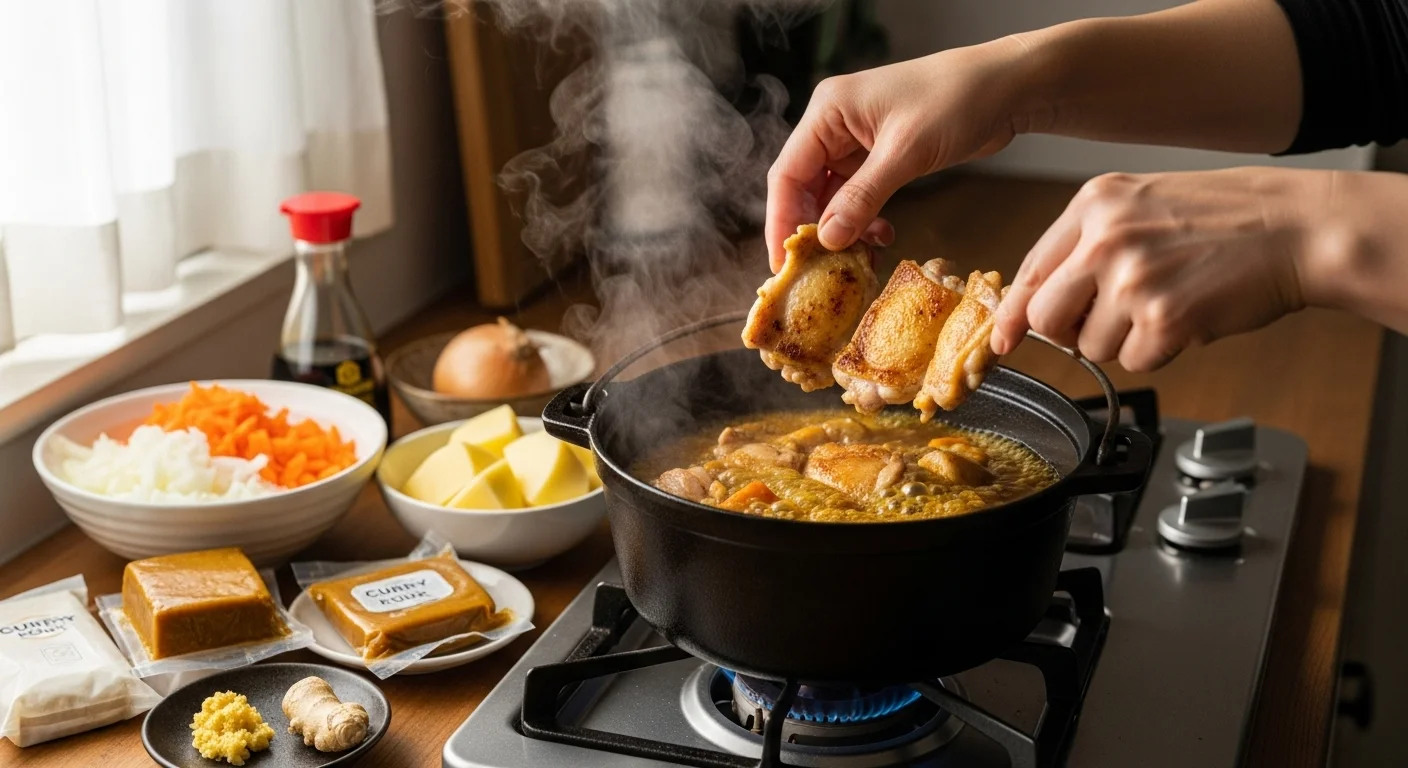
Making traditional Japanese chicken curry involves a few key ingredients that come together to create a harmonious flavor. Here’s what you’ll need:
- Chicken: I prefer using boneless chicken thighs for their rich flavor and tenderness.
- Curry Roux: This is the heart of the dish. You can buy pre-made curry roux blocks at Asian grocery stores or online. Brands like Golden Curry or Vermont Curry are popular.
- Vegetables: Traditional choices include onions, carrots, and potatoes. I like to add some green peas for color and texture.
- Broth or Water: Chicken broth enhances the flavor, but water works just fine if that’s what you have on hand.
- Oil: For sautéing the chicken and vegetables.
- Optional Seasonings: Some people like to add a bit of soy sauce, apple, or honey for an extra layer of flavor.
The Cooking Process
Now that you have your ingredients ready, let’s get into the cooking process. I find that following a systematic approach makes it easier and more enjoyable.
Step 1: Preparing the Ingredients
Start by chopping your vegetables. I usually peel and cut the potatoes into bite-sized pieces, slice the carrots, and chop the onions. The more uniform the pieces, the better they cook together. I also cut the chicken thighs into chunks, which helps them cook faster and soak up the curry flavor.
Step 2: Sautéing the Chicken
In a large pot, heat a couple of tablespoons of oil over medium heat. When it’s hot, add the chicken pieces. I like to season them lightly with salt and pepper at this stage. As the chicken browns, it releases its juices, which adds depth to the dish. This process usually takes about 5-7 minutes. You’ll know it’s ready when the chicken is no longer pink.
Step 3: Adding the Vegetables
Once the chicken is browned, it’s time to add the chopped onions. I love the smell that fills the kitchen at this point! Sauté the onions until they become translucent, which usually takes about 3-4 minutes. Next, toss in the carrots and potatoes. Stir everything together, ensuring the vegetables are coated in the oil and juices.
Step 4: Adding Liquid
Now, it’s time to pour in the broth or water. I usually add enough to cover the chicken and vegetables by about an inch. Bring the mixture to a boil and then reduce the heat to a simmer. I cover the pot and let it cook for about 15-20 minutes, or until the vegetables are tender. During this time, the flavors meld beautifully.
Step 5: Adding the Curry Roux
After the vegetables are tender, it’s time to add the curry roux. Break it into pieces and add it to the pot. I often find it helpful to dissolve the roux in a small bowl with a bit of the hot broth before adding it to the pot. This prevents any lumps and ensures a smooth texture. Stir well until the roux is completely dissolved. The curry will start to thicken, and that’s when the magic happens!
Step 6: Final Adjustments
As the curry simmers, I like to taste it and adjust the seasoning. Sometimes I add a splash of soy sauce or a spoonful of honey, depending on my mood. Let it simmer for another 5-10 minutes, allowing the flavors to deepen and the sauce to reach your desired thickness. The aroma will be absolutely incredible! At this point, I usually find myself getting a little impatient because I can’t wait to dig in.
Serving Suggestions
Once the curry is ready, it’s time to serve. Traditionally, it’s served over a bed of steamed white rice. I like to garnish it with some sliced green onions or a sprinkle of sesame seeds to add a bit of color and texture. For me, a side of pickled vegetables or a simple salad complements the dish perfectly.
Enjoying this homemade Japanese chicken curry brings back fond memories and creates new ones. It’s a wonderful dish for family dinners, gatherings with friends, or cozy nights at home. I hope you enjoy making it as much as I do!
Variations of Japanese Chicken Curry
I’ve come to realize that one of the great things about Japanese chicken curry is its versatility. Once you get the basic recipe down, you can easily experiment with different ingredients and styles. I love to play around with variations based on what I have on hand or the flavors I’m in the mood for. Here are some of my favorite twists on the classic recipe.
1. Adding Fruits
One delightful variation I’ve tried involves adding fruit. Apples are a traditional addition in many Japanese homes, and they bring a subtle sweetness that balances the savory flavors. I usually grate an apple into the curry during the final stages of cooking. It’s amazing how a little fruit can enhance the dish! Sometimes, I even toss in a handful of raisins for added texture and sweetness. The combination of savory and sweet is truly comforting.
2. Different Proteins
While chicken is my go-to choice, I’ve experimented with other proteins as well. One of my favorites is using pork, especially when I want a richer flavor. I find that pork tenderloin works wonderfully; it becomes incredibly tender and absorbs the curry flavor beautifully. I’ve even made a vegetarian version using firm tofu or chickpeas, which soak up the sauce and provide a lovely texture. Whatever protein I choose, the process remains much the same, and I love that adaptability.
3. Spice It Up
For those who enjoy a bit of heat, I’ve learned that it’s easy to spice up Japanese curry. While it’s traditionally mild, you can add fresh chili peppers or a dash of cayenne pepper to bring some warmth to the dish. I usually start with just a pinch and then taste as I go along. This way, I can control how spicy it gets. I once made a spicy version for a gathering, and it was a hit among my friends who love bold flavors!
4. Extra Vegetables
Another way I like to customize my curry is by adding extra vegetables. While the classic trio of onions, carrots, and potatoes is fantastic, I’ve found that incorporating bell peppers, zucchini, or even eggplant can create a colorful and nutritious meal. I sometimes use whatever I have in my fridge; it’s a great way to clean out the vegetable drawer. I remember one time I added butternut squash, and the sweetness balanced perfectly with the curry.
5. Serving Alternatives
While I adore serving my curry over rice, there are other delicious options. I’ve served it over udon noodles for a comforting noodle bowl experience. The thick curry sauce clings beautifully to the noodles, making every bite satisfying. Another alternative I enjoy is using bread, like a soft baguette or naan, to soak up the rich sauce. It’s a great way to change things up and makes for a hearty meal.
Tips for Perfecting Your Curry
Throughout my cooking journey, I’ve picked up a few tips that have made a real difference in my Japanese chicken curry. I’ve found that these little tricks can elevate the dish, making it even more enjoyable for my family and friends.
1. Browning the Chicken
One of the biggest game-changers for me was learning the importance of browning the chicken properly. It’s not just about cooking it through; it’s about developing flavor. The caramelization that happens when the chicken browns adds depth to the overall taste of the curry. I make sure to give the chicken enough space in the pot so that it sears instead of stewing. This simple step really enhances everything.
2. Letting It Sit
After making the curry, I often let it sit for a while before serving. I’ve noticed that allowing the flavors to meld together for even just 30 minutes makes a significant difference in taste. If I have time, I’ll make it a few hours ahead or even the day before. It’s one of those dishes that tastes better the next day! Just a quick reheat on the stove, and I’m ready to serve.
3. Using Quality Ingredients
While I love to experiment, I’ve learned that using good-quality ingredients can elevate the dish immensely. I try to use fresh vegetables and high-quality curry roux. I’ve found that the better the ingredients, the better the final product. Sometimes, I splurge on a premium curry roux, and I always notice the difference in flavor.
4. Customize to Your Taste
Lastly, I believe that personalizing the curry to match your taste is crucial. Don’t be afraid to adjust the sweetness or saltiness according to your preferences. Maybe you prefer a little more kick or a touch more sweetness—whatever it is, it’s your dish. I encourage everyone to taste as they go and make it their own!
Japanese chicken curry is not just a recipe for me; it’s a canvas for creativity and comfort. Each time I make it, I discover new ways to enhance the flavors and customize it to my liking. I hope you find joy in your own culinary journey with this beloved dish!
Pairing Suggestions for Japanese Chicken Curry
One of the things I love about Japanese chicken curry is how well it pairs with various side dishes and beverages. The comforting flavors of curry can be complemented beautifully by the right accompaniments. Over the years, I’ve experimented with different pairings, and I’ve found some that truly enhance the entire dining experience.
1. Rice Varieties
While I usually serve my curry over plain steamed white rice, I’ve discovered that different rice varieties can add unique flavors and textures. For instance, I sometimes use jasmine rice for its fragrant aroma, which provides a lovely backdrop to the curry. Brown rice is another great option since it adds a nutty flavor and is packed with fiber. I’ve even experimented with sushi rice, which, when cooked properly, adds a delightful stickiness that makes the curry cling beautifully to each grain.
2. Simple Salads
A light salad can be a refreshing contrast to the richness of the curry. I often create a simple green salad with mixed greens, cucumber, and a light vinaigrette to balance the dish. Sometimes, I add a sprinkle of sesame seeds or crushed nuts for extra crunch. I’ve also enjoyed a small side of Japanese-style potato salad, which has a creamy texture and subtle sweetness that pairs well with the savory curry.
3. Pickled Vegetables
Incorporating pickled vegetables is a tradition I’ve embraced while enjoying Japanese curry. The tangy flavor of pickled daikon or pickled ginger can cut through the richness of the dish and provide a delightful contrast. I remember the first time I had my curry with a side of tsukemono (Japanese pickles); the combination was simply divine! The bright acidity from the pickles elevates each bite of the curry and adds complexity to the meal.
4. Side Dishes
Sometimes, I like to serve my curry with additional side dishes to create a more complete meal. For example, I’ve made kabocha (Japanese pumpkin) simmered in soy sauce and mirin. The sweetness of the kabocha complements the curry perfectly. I’ve also tried making gyoza, which adds a fun, interactive element to the meal. The crispy dumplings filled with vegetables or meat provide a delightful texture that contrasts nicely with the curry’s creamy sauce.
5. Beverage Pairings
When it comes to beverages, I’ve found that both alcoholic and non-alcoholic drinks can enhance the meal. For a non-alcoholic option, a chilled green tea or a refreshing iced barley tea (mugicha) works wonderfully. The subtle flavors cleanse the palate between bites and help balance the richness of the curry. If I’m in the mood for something with a kick, I might opt for a light beer or a fruity sake, which both complement the savory notes of the dish.
6. Dessert to End the Meal
After a hearty bowl of Japanese chicken curry, I love to indulge in a light dessert to round off the meal. I often gravitate towards mochi or daifuku, which are sweet rice cakes filled with a variety of fillings like red bean paste or ice cream. The chewy texture and sweetness provide a satisfying finish. Another favorite of mine is a simple matcha green tea ice cream; its creaminess and slight bitterness pair nicely after the flavorful curry. I remember one dinner where I served a fruit platter with seasonal fruits like persimmons and strawberries, which was a refreshing way to cleanse the palate.
Cooking with Kids
One of the most rewarding experiences I’ve had with Japanese chicken curry is cooking it with my kids. It’s a wonderful way to introduce them to the joys of cooking and the importance of family meals. I’ve found that involving them in the process not only makes it more fun but also teaches them valuable skills.
1. Age-Appropriate Tasks
When cooking together, I like to assign age-appropriate tasks to my kids. My younger ones enjoy washing and peeling vegetables, while my older child can help with chopping under my supervision. It’s a great way to teach them about kitchen safety while making them feel involved. I usually let them stir the curry and watch in excitement as it transforms from a pot of ingredients to a thick, aromatic sauce.
2. Creating a Family Tradition
Cooking Japanese chicken curry has become somewhat of a family tradition for us. We try to make it together every month, and it’s something we all look forward to. During these cooking sessions, we chat about our week, share stories, and bond over the shared experience. I believe that these moments in the kitchen create lasting memories, and it’s heartwarming to see my kids starting to experiment with their own variations of the curry as they grow more confident in the kitchen.
3. Encouraging Creativity
One of the best parts about cooking with kids is encouraging their creativity. I love watching them suggest adding their favorite vegetables or trying out a different protein. They’ve even come up with their own unique twists, like using pineapple chunks or experimenting with different spices. It’s exciting to see their enthusiasm and how it sparks their curiosity about cooking and food.
Japanese chicken curry is more than just a dish for me; it’s a canvas for creativity, connection, and comfort. Whether I’m cooking solo or with family, it’s a recipe that brings warmth and joy to our home. I hope you find your own ways to enjoy this wonderful dish and create cherished memories along the way!
Frequently Asked Questions
“`htmlWhat is Japanese chicken curry known for?
Japanese chicken curry is known for its delightful blend of flavors, being milder, thicker, and slightly sweeter compared to Indian curry. It is considered comfort food and is deeply embedded in Japanese culture, often enjoyed as a family meal.
What ingredients are needed to make traditional Japanese chicken curry?
The key ingredients for traditional Japanese chicken curry include boneless chicken thighs, curry roux, onions, carrots, potatoes, broth or water, and oil. Optional seasonings such as soy sauce, apple, or honey can also be added for extra flavor.
How do you prepare the vegetables for Japanese chicken curry?
To prepare the vegetables, you should peel and cut the potatoes into bite-sized pieces, slice the carrots, and chop the onions. The chicken thighs should also be cut into chunks to help them cook faster and absorb the curry flavor.
What is the process for cooking Japanese chicken curry?
The cooking process involves sautéing the chicken, adding vegetables, pouring in broth or water, adding curry roux, and making final adjustments to the seasoning. The dish is simmered until everything is cooked through and the flavors meld together.
Can you customize Japanese chicken curry?
Yes, Japanese chicken curry is very versatile. You can experiment with different proteins, add fruits like apples or raisins, incorporate extra vegetables, or spice it up with fresh chili peppers or cayenne pepper.
What are some suggested side dishes to serve with Japanese chicken curry?
Suggested side dishes include steamed rice (various types), simple salads, pickled vegetables, and additional side dishes like kabocha or gyoza. These complement the rich flavors of the curry nicely.
What beverages pair well with Japanese chicken curry?
Beverages that pair well with Japanese chicken curry include chilled green tea, iced barley tea, light beer, or fruity sake. These drinks help cleanse the palate and enhance the meal experience.
How can cooking Japanese chicken curry be a family activity?
Cooking Japanese chicken curry can be a family activity by assigning age-appropriate tasks to kids, creating a family tradition of cooking together, and encouraging their creativity in suggesting ingredients or variations for the dish.
What tips can help improve the flavor of Japanese chicken curry?
Some helpful tips include properly browning the chicken for flavor, allowing the curry to sit after cooking to meld flavors, using quality ingredients, and personalizing the sweetness or saltiness according to your taste.
What are some variations of Japanese chicken curry that can be tried?
Variations of Japanese chicken curry include adding fruits like apples, using different proteins such as pork or tofu, incorporating extra vegetables, and serving the curry over different bases like udon noodles or bread.
“`