
Have you ever tasted the delicious, smoky goodness of traditional Japanese kebab? If you’re like me, you know there’s something special about these skewers that makes them a must-try. Let’s dive into the wonderful world of yakitori and how to create it at home!
Understanding Yakitori: The Heart of Japanese Kebab
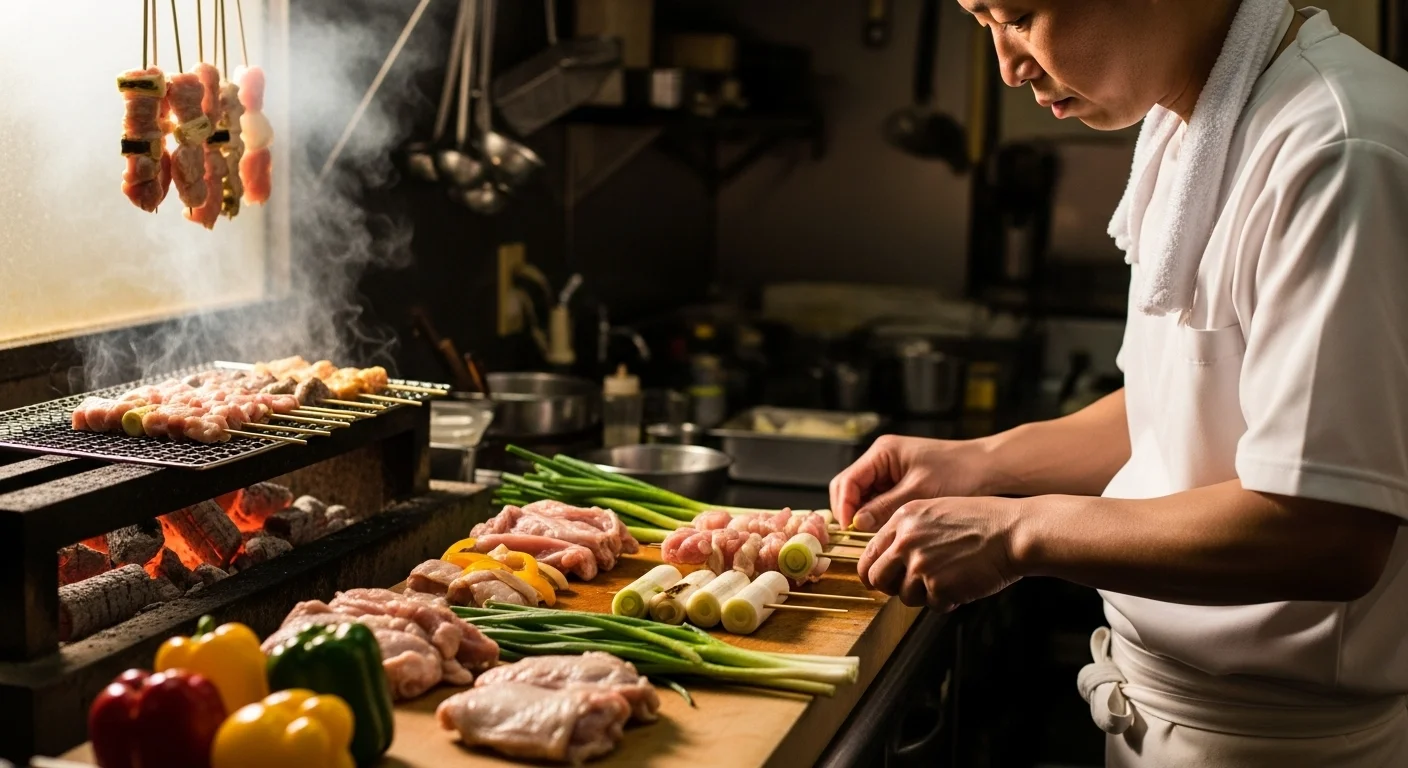
When I first encountered yakitori, I was instantly captivated. The sight of perfectly grilled skewers with their charred edges and succulent pieces of chicken or vegetables made my mouth water. Yakitori literally means “grilled bird” in Japanese, and while it primarily features chicken, you can use a variety of meats and vegetables. I believe that exploring the origins and the different types of yakitori can truly enhance your cooking experience.
The Origins of Yakitori
Yakitori has a rich history that dates back to the Edo period in Japan (1603-1868). Back then, food vendors would set up stalls selling grilled chicken skewers, catering to hungry passersby who wanted a quick and satisfying meal. This culinary tradition has evolved over the years, but the essence remains the same: simple, flavorful, and expertly grilled food. I remember my first taste of yakitori at a small izakaya, where the aroma of grilling chicken filled the air. It was an unforgettable experience!
Types of Yakitori
There’s a delightful variety of yakitori that I’ve come to appreciate. Here are some of the most popular types:
- Negima: This is a classic version that features chicken thigh pieces interspersed with green onions. The combination of juicy chicken and the slightly sweet flavor of grilled green onions is simply divine.
- Tsukune: Ground chicken is formed into meatballs and grilled on skewers. Often seasoned with a savory tare sauce, these bite-sized treats are perfect for dipping.
- Reba: Chicken liver takes center stage here, providing a rich and savory taste that many yakitori lovers adore. It’s often garnished with a touch of salt or tare for added depth.
- Hatsu: This is the chicken heart, and while it might seem unusual, I’ve found that when grilled, it has a tender texture and rich flavor that’s quite satisfying!
- Shishito Peppers and Other Vegetables: For those who prefer something lighter, skewered and grilled vegetables like shishito peppers, eggplant, or mushrooms are popular options.
As I explored these varieties, I realized that the beauty of yakitori lies in its simplicity and versatility. You can mix and match ingredients based on your preferences, making it an enjoyable experience for everyone involved in the cooking process.
Essential Ingredients
To create authentic yakitori at home, you don’t need a long list of complicated ingredients. Here’s what you’ll need:
- Chicken: I recommend using boneless chicken thighs for their juiciness. However, you can also use chicken breast or other cuts if you prefer.
- Tare Sauce: This is a sweet soy-based sauce that enhances the flavor of the grilled meat. Making your own tare is easy; just combine soy sauce, mirin, sake, and sugar in a saucepan and simmer until thickened.
- Salt: For some skewers, a simple sprinkle of salt will do. I personally love the contrast of flavors it adds.
- Vegetables: Green onions are a must, but feel free to add bell peppers, cherry tomatoes, or mushrooms.
- Skewers: Bamboo skewers work well, and I recommend soaking them in water for about 30 minutes before use to prevent burning.
Preparing the Ingredients
Before you start grilling, proper preparation is key. I’ve learned that taking the time to prepare the ingredients makes a huge difference in the final product. Start by cutting your chicken into bite-sized pieces. If you’re using chicken thighs, trim any excess fat and skin, but don’t be too harsh; some fat adds flavor. I like to cut the green onions into similar lengths as the chicken pieces for even cooking.
When it comes to the vegetables, you can get creative! For instance, I’ve found that halving cherry tomatoes or cutting bell peppers into thick slices works beautifully. Just remember that uniformity in size will help ensure everything cooks evenly.
Marinating for Flavor
While marinating isn’t traditionally necessary for yakitori, it can definitely boost the flavor. I like to marinate the chicken in a mixture of soy sauce, sake, and a bit of sugar for about 30 minutes. It’s a simple step, but it adds depth to the dish. If you’re short on time, you can skip this, but I think you’ll appreciate the extra flavor if you give it a try!
Now that you have all your ingredients prepped and ready to go, you’re on your way to creating your own delicious yakitori at home. In the next sections, I’ll guide you through the grilling process, tips for achieving that perfect char, and some delicious dipping sauces to elevate your yakitori experience even further!
Grilling Your Yakitori: Tips for Perfecting the Technique
Now that we have our ingredients prepped and marinated (if you chose to), it’s time to fire up the grill! I remember my first attempt at grilling yakitori; I was nervous but excited. The sizzling sound as the skewers hit the grill was music to my ears, and the aroma that filled the air was absolutely intoxicating. Here’s how to achieve that perfect char and keep the flavors locked in.
Choosing the Right Grill
For grilling yakitori, I’ve found that a charcoal grill really elevates the experience. The smoky flavor from the charcoal adds an authentic touch that gas grills can’t quite replicate. However, if charcoal isn’t an option, a gas grill or even a stovetop grill pan will work just fine. Just make sure the grill is preheated to a medium-high heat before you start cooking. This helps to sear the chicken and vegetables quickly, locking in their juices and flavors.
Skewering Like a Pro
When skewering your ingredients, I like to alternate between meat and vegetables. It creates a colorful presentation and allows the flavors to mingle. I usually thread the chicken pieces and veggies close together, but not too tight; leaving a bit of space helps with even cooking. Also, I recommend using two skewers for each piece of chicken. This way, when you flip them on the grill, they stay together and don’t fall apart. Trust me, this little trick has saved me a lot of frustration!
The Grilling Process
As you place your skewers on the grill, keep an eye on them. I’ve learned that yakitori cooks relatively quickly, usually within 5 to 10 minutes, depending on the size of your pieces. I like to turn them frequently to achieve that beautiful char on all sides. One thing I’ve noticed is that if you leave them unattended for too long, you risk burning them. We definitely don’t want that!
About halfway through the grilling process, I like to brush on some tare sauce. This adds a beautiful glaze and enhances the flavor even more. I usually reserve some tare sauce to serve as a dipping option later, so I’m always careful not to contaminate the sauce that’s been on the raw chicken. It’s a simple step but makes a world of difference in taste.
Understanding Doneness
There’s nothing worse than overcooked chicken, right? I’ve been there, and it’s such a letdown. To avoid this, I recommend using a meat thermometer. Chicken should reach an internal temperature of 165°F for it to be safe to eat. If you don’t have a thermometer handy, a good visual cue is when the juices run clear and the meat is no longer pink in the center. I often check a thick piece of chicken to be sure, just to play it safe!
Resting Your Skewers
After removing the skewers from the grill, I like to let them rest for a few minutes. This helps the juices redistribute and keeps the meat tender and juicy. While they rest, I often take the opportunity to prepare my dipping sauces, which really elevate the yakitori experience.
Delicious Dipping Sauces
Speaking of dipping sauces, let’s talk about some easy options. While tare sauce is a classic, I’ve discovered a few other sauces that pair beautifully with yakitori:
- Spicy Mayo: A simple mix of mayonnaise and sriracha gives a creamy and spicy kick that complements the smoky flavors.
- Sesame Sauce: Made with tahini, soy sauce, and a touch of honey, this nutty sauce adds another layer of flavor to the skewers.
- Yuzu Kosho: This citrusy and spicy paste made from yuzu citrus and chili peppers offers a unique tang that brightens up each bite.
Experimenting with different sauces has been one of my favorite parts of the yakitori experience. Feel free to try out your own combinations or adjust the spice levels to suit your taste! I’ve learned that there are no strict rules; it’s all about what makes your taste buds happy.
Serving Your Yakitori
When it comes time to serve, I recommend presenting your skewers on a wooden board or a platter for a rustic feel. It’s always fun to arrange them in a way that showcases the vibrant colors of the ingredients. I often garnish with sliced green onions or sesame seeds to add a final touch of flair. The moment you set that platter on the table, I guarantee everyone will be eager to dig in!
So there you have it! With the right techniques and a bit of creativity, you can create a yakitori feast that rivals any izakaya. In the next sections, I’m excited to share some sides that complement yakitori beautifully and how to create a complete meal that’s sure to impress! Let’s keep this culinary journey going!
Perfect Sides to Complement Your Yakitori
As I’ve explored the world of yakitori, I’ve come to appreciate that it’s not just about the skewers themselves; the sides truly elevate the whole meal. I remember the first time I paired yakitori with some traditional Japanese sides, and it transformed my dining experience entirely. Here are some of my favorite dishes that beautifully complement yakitori and make for a well-rounded meal.
1. Japanese Rice
No meal is complete without a good serving of rice! For me, nothing beats a bowl of fluffy Japanese short-grain rice alongside yakitori. The slight stickiness of the rice makes it perfect for soaking up the delicious tare sauce. I recommend using a rice cooker for perfectly cooked rice, but if you don’t have one, a pot on the stovetop works just fine. Just be sure to rinse the rice until the water runs clear to remove excess starch; this will give you that lovely texture that Japanese rice is famous for.
2. Miso Soup
Miso soup is such a comforting dish, and it’s a staple in Japanese cuisine. I love how it’s simple to make and pairs wonderfully with yakitori. A basic miso soup only requires dashi stock, miso paste, and some tofu and green onions. I often throw in some seaweed for extra flavor and nutrients. The warm, savory broth balances out the smoky flavors of the skewers and adds a soothing touch to the meal. Plus, it’s a great way to incorporate more umami into your dining experience!
3. Pickled Vegetables
I’ve discovered that pickled vegetables, or tsukemono, provide a refreshing contrast to the richness of yakitori. They’re bright, tangy, and add a delightful crunch to the meal. You can find various types of pickled veggies at Asian markets, but making your own is surprisingly easy. I usually slice cucumbers, daikon radish, or carrots and soak them in a mixture of rice vinegar, sugar, and salt for a few hours. The acidity cuts through the richness of the yakitori and revitalizes your palate with each bite.
4. Goma-ae (Sesame Salad)
Goma-ae is one of my go-to side dishes when I want something simple yet satisfying. It’s typically made with blanched spinach and sesame seeds, tossed in a sweet and savory dressing. The nuttiness of the sesame complements the flavors of yakitori beautifully. I often make my dressing by grinding toasted sesame seeds with soy sauce, mirin, and a bit of sugar. It’s a quick and easy way to incorporate some greens into the meal while adding a delightful texture and flavor.
5. Edamame
Another easy side that I love to serve with yakitori is edamame. These young soybeans are not only delicious but also packed with protein. I usually steam them and sprinkle a little sea salt on top, but you can get creative by tossing them with garlic or drizzle them with a bit of sesame oil for added flavor. They make for a great appetizer or snack while you’re grilling, and they’re fun to pop out of their pods as you enjoy your skewers!
Creating a Complete Meal
Once you have your sides ready, it’s all about the presentation and timing. I’ve learned that serving everything at once creates a festive atmosphere, and it allows everyone to mix and match as they please. I like to set up a communal table where everyone can help themselves to the yakitori and sides. This not only makes for a more relaxed dining experience but also encourages conversation and sharing.
When I’m putting together a meal, I often plan it out so that the yakitori is freshly grilled just before serving. This way, the skewers are hot and juicy, and the aroma fills the air, enticing everyone to gather around. Remember to have plenty of dipping sauces on hand, as they’re essential for elevating each bite of yakitori.
In my experience, creating a complete meal around yakitori can be a delightful journey. The combination of smoky skewers, comforting rice, refreshing sides, and tasty dipping sauces is truly satisfying. And what’s more, you can customize your side dishes based on what you enjoy or what’s in season, making it a versatile option for any occasion.
With these sides and the yakitori ready to go, you’ll have a fantastic meal that’s sure to impress your family and friends. In the next sections, I can’t wait to share some tips on hosting a yakitori-themed gathering, complete with cooking techniques and fun ideas to make the night unforgettable!
Hosting a Yakitori-Themed Gathering
When I decided to host a yakitori-themed gathering, I knew it would be a fun and interactive way to bring friends and family together. There’s something magical about grilling together, sharing stories, and enjoying delicious food straight off the grill. If you’re considering a similar gathering, let me share some tips and ideas that worked well for me!
Setting the Scene
Creating the right atmosphere is key to any gathering. I like to start by setting up an outdoor area, if the weather permits. A few string lights, cozy blankets, and candles can transform any space into a warm and inviting setting. If you’re grilling indoors, I recommend laying out a clean tablecloth and setting the table with chopsticks, small plates, and plenty of napkins. I find that a colorful display not only makes the meal more appealing but also gets everyone excited about the food!
Interactive Cooking
One of the best parts of a yakitori gathering is that it can be interactive. I like to prepare the ingredients beforehand, but I leave the skewering and grilling to my guests. It’s a great conversation starter! I set up a DIY station with all the ingredients laid out, including various meats, vegetables, and sauces. Watching everyone create their own skewers is always entertaining—and it adds a personal touch to each dish. I often find that guests come up with some surprisingly delicious combinations!
Drink Pairings
No meal feels complete without some great drinks. I remember the first time I paired sake with yakitori; the flavors complemented each other perfectly. Depending on your guests’ preferences, you could offer a range of drinks. For a casual vibe, I recommend serving chilled sake, Japanese beer, or even a refreshing yuzu lemonade. If your guests enjoy cocktails, consider whipping up a yuzu spritz or a simple shochu cocktail. These drinks can really enhance the flavors of your meal and keep the energy lively!
Games and Activities
To keep the atmosphere lively, I like to incorporate some games or activities. Whether it’s a simple trivia quiz about Japanese cuisine or a fun karaoke session, these little additions can create lasting memories. I’ve found that laughter and conversation flow more freely when everyone is engaged in something fun. It lightens the mood and makes the evening even more enjoyable!
Final Touches
As the night winds down, I always like to have a little dessert on hand. While it’s not traditional to serve dessert after yakitori, I find that a light treat can leave everyone feeling satisfied. Mochi ice cream or dorayaki (Japanese pancakes filled with sweet red bean paste) are perfect options. They’re easy to grab and enjoy while chatting or winding down for the evening. I often serve them alongside some freshly brewed green tea for a refreshing finish.
Final Thoughts
Hosting a yakitori-themed gathering is not just about the food; it’s about the experience of coming together, sharing stories, and creating memories. I believe that cooking and eating should be a communal activity, and yakitori offers the perfect opportunity for that. From the smoky aroma of the grill to the laughter shared around the table, it’s an experience that can be cherished for years to come.
Whether it’s a casual weeknight dinner or a special occasion, yakitori can easily adapt to any setting. The key is to enjoy the process—both in cooking and in the company you keep. So, gather your loved ones, fire up the grill, and indulge in the deliciousness of yakitori. I can’t wait to hear about your own yakitori adventures!
Frequently Asked Questions
“`htmlWhat is yakitori?
Yakitori is a traditional Japanese kebab that literally means “grilled bird”. It primarily features chicken but can also include a variety of meats and vegetables, grilled on skewers.
What are the origins of yakitori?
Yakitori has a rich history dating back to the Edo period in Japan (1603-1868), when food vendors would sell grilled chicken skewers to hungry passersby. This culinary tradition has evolved but remains centered around simple, flavorful, and expertly grilled food.
What types of ingredients are used in yakitori?
Essential ingredients for making yakitori include chicken (preferably boneless thighs), tare sauce (a sweet soy-based sauce), salt, vegetables (like green onions, bell peppers, and mushrooms), and bamboo skewers.
How can I prepare the ingredients for yakitori?
Preparation involves cutting chicken into bite-sized pieces, trimming excess fat, and cutting vegetables into uniform sizes for even cooking. Marinating chicken in a mixture of soy sauce, sake, and sugar for about 30 minutes can enhance flavor but is not necessary.
What tips can help achieve the perfect grilling technique for yakitori?
To grill yakitori perfectly, use a charcoal grill for an authentic smoky flavor, alternate between meat and vegetables on the skewers, turn them frequently during cooking, and brush on tare sauce halfway through for added flavor.
How do I know when the chicken is cooked properly?
Chicken for yakitori should reach an internal temperature of 165°F. If you don’t have a meat thermometer, ensure the juices run clear and the meat is no longer pink in the center.
What are some recommended dipping sauces for yakitori?
Popular dipping sauces for yakitori include tare sauce, spicy mayo (a mix of mayonnaise and sriracha), sesame sauce (made with tahini, soy sauce, and honey), and yuzu kosho (a spicy paste made from yuzu citrus and chili peppers).
What sides complement yakitori well?
Some great sides to serve with yakitori include Japanese rice, miso soup, pickled vegetables (tsukemono), goma-ae (sesame salad), and edamame.
What atmosphere should I aim for when hosting a yakitori-themed gathering?
Create a warm and inviting atmosphere with outdoor seating, string lights, and cozy blankets. If indoors, use a clean tablecloth and set up with chopsticks and small plates to enhance the dining experience.
What activities can I include in a yakitori gathering?
Incorporate interactive cooking, drink pairings, and games or activities like trivia or karaoke to keep the atmosphere lively and engaging for guests during the gathering.
“`