
Meal planning has transformed my kitchen routine, saving me both time and money. If you’re diving into this world for the first time, I’m excited to share my journey and tips to help you navigate meal planning with ease!
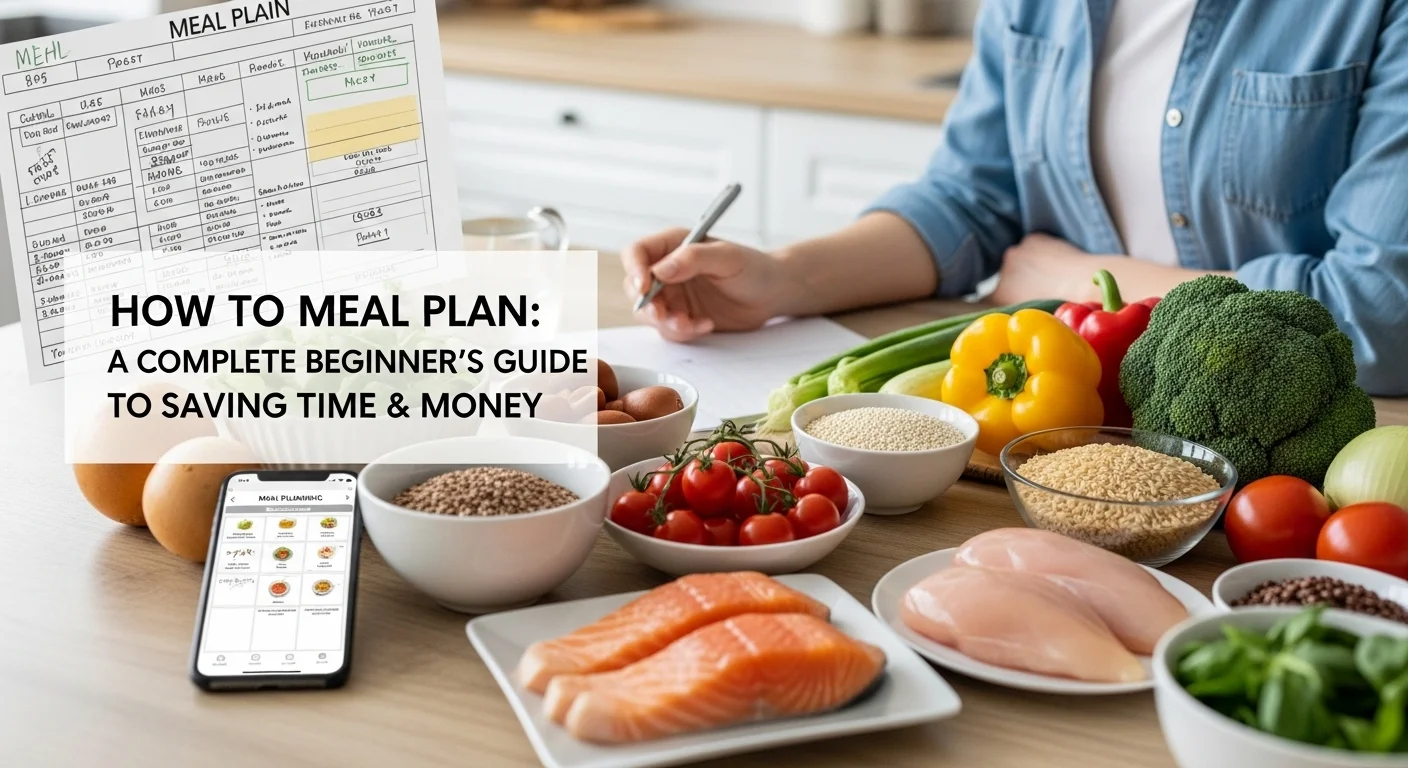
Understanding Meal Planning: Why It Matters
When I first delved into meal planning, I had no idea how impactful it would be on my daily life. The concept seemed simple: plan out meals for the week, shop for groceries, and cook with intention. But as I began to explore the nuances, I realized that meal planning is not just about organizing recipes; it’s about simplifying life, reducing stress, and making healthier choices.
The Benefits of Meal Planning
One of the first things I discovered was the myriad benefits of meal planning. I found that planning my meals ahead of time saved me precious hours during the week. Instead of staring blankly at my fridge each evening, wondering what to whip up for dinner, I had everything organized. Here are some key benefits I’ve experienced:
- Time Efficiency: Planning meals means I spend less time in the kitchen and more time doing what I love. I typically dedicate a couple of hours on the weekend to prep and cook, which makes my week so much smoother.
- Cost Savings: By creating a grocery list based on my planned meals, I avoid impulse buys and reduce food waste. I’ve noticed a significant drop in my grocery bill since I started meal planning.
- Healthier Choices: With a set meal plan, I’m more likely to stick to nutritious recipes rather than reaching for unhealthy takeout options when I’m tired and hungry.
- Variety and Creativity: Planning ahead encourages me to diversify my meals. I love trying new recipes and rotating ingredients, which keeps my diet exciting.
Getting Started with Meal Planning
Feeling motivated? Let’s jump into how I got started with meal planning. Here are the steps that have guided me through the process:
1. Set Your Goals
First, I had to define what I wanted to achieve with meal planning. Was it purely about saving money, or did I also want to eat healthier? Maybe it was to reduce food waste or make better use of my time. Identifying my goals helped shape my meal planning approach and kept me focused on what mattered most to me.
2. Assess Your Schedule
Next, I took a good look at my weekly schedule. Knowing which days would be busier helped me determine how many meals I could realistically prepare. For instance, on days when I had late meetings, I would plan for quick meals or leftovers, while I reserved more time-consuming recipes for the weekends.
3. Choose Your Recipes
Once I had my goals and schedule figured out, I started selecting recipes. I often browse my favorite cooking blogs and websites for inspiration, but I also keep a list of tried-and-true favorites that I can rely on. I focus on recipes that use similar ingredients to minimize waste and maximize savings.
4. Create a Grocery List
With my selected recipes in hand, I drafted a grocery list. I categorize items by sections—produce, dairy, grains, etc.—to make shopping more efficient. I also check my pantry and fridge first to avoid buying duplicates. This step has become one of the most crucial parts of my meal planning as it directly affects my budget.
5. Meal Prep
Meal prep is where the magic happens! On my designated prep day, I wash, chop, and cook ingredients that I know will be used throughout the week. I often batch cook staples like grains and proteins, which allows me to assemble meals quickly. I also find that prepping snacks in advance helps keep me on track with my health goals.
6. Store and Label
To stay organized, I invest in good-quality containers and labels. I portion out meals and label them with dates to ensure freshness. This organization helps me grab meals on the go and prevents any confusion about what’s available in the fridge.
Adapting to Change
As with any new habit, flexibility is key. I learned quickly that not every week will go as planned. Life happens—unexpected events and cravings can derail even the best meal plans. It’s essential to adapt and make adjustments. I keep a few backup meals in the freezer for emergencies, which has saved me more times than I can count!
Final Thoughts on the Meal Planning Journey
Meal planning has been a game-changer for me. As I continue to hone my skills, I’m constantly learning and discovering new techniques to streamline the process. Whether you’re looking to save time, cut costs, or eat healthier, meal planning can help you regain control over your kitchen and create a more fulfilling culinary experience. Remember, the key is to start simple, and as you become more comfortable, you can expand your planning strategies.
Exploring Meal Planning Strategies
As I delved deeper into the art of meal planning, I discovered various strategies that can elevate the experience and make it even more effective. Each week presents unique challenges, and experimenting with different approaches has allowed me to find what resonates most with my lifestyle and preferences.
Batch Cooking
Batch cooking has become one of my favorite techniques. The idea is simple: I prepare large quantities of meals or ingredients at once. This means that on some days, I can simply reheat a hearty stew or a casserole, saving time and effort. When I first tried batch cooking, I focused on one or two recipes. Now, I often make several dishes in a single prep day, such as soups, grains, and roasted vegetables. This not only saves time but also allows me to build a variety of meals throughout the week. For example, I can use roasted chicken in salads, wraps, or grain bowls, offering flexibility without feeling repetitive.
Theme Nights
Another fun strategy I’ve embraced is theme nights. Assigning specific themes to certain nights of the week keeps things exciting. For instance, I have “Taco Tuesdays,” “Meatless Mondays,” and “Soup Sundays.” This approach not only simplifies my meal planning by narrowing down my recipe choices, but it also adds an element of fun to the week. I can get creative within these themes, exploring different cuisines and ingredients. Plus, it gives me something to look forward to each week, making meal planning more enjoyable.
Flexible Recipes
Flexibility in recipes is key. I’ve learned to adapt dishes based on what I have on hand. For instance, if a recipe calls for a specific vegetable that I don’t have, I’ll substitute it with whatever is fresh in my fridge. This not only reduces waste but also encourages culinary creativity. Sometimes, these spontaneous adjustments lead to delightful new meals! I keep a mental note of which substitutions work well, gradually building a repertoire of flexible recipes I can rely on.
Incorporating Leftovers
Leftovers are an integral part of my meal planning strategy. I intentionally prepare larger portions so that I can enjoy them for lunch the next day or repurpose them into another meal. For example, if I make a stir-fry for dinner, I can easily transform the leftovers into a fried rice dish for lunch. This not only minimizes food waste but also streamlines my cooking efforts. I’ve realized that planning for leftovers can be just as crucial as planning for new meals.
Utilizing Seasonal Ingredients
Seasonal ingredients have transformed how I plan my meals. Shopping for produce that’s in season not only supports local farmers but also enhances the flavors of my dishes. I often consult seasonal produce guides to inspire my weekly meal plans. When I incorporate seasonal fruits and vegetables, I find that my meals taste fresher and more vibrant. Plus, it helps me stay within budget, as seasonal ingredients are often more affordable.
Involving Family and Friends
Meal planning doesn’t have to be a solo journey. I’ve found that involving family or friends can make the process more enjoyable and collaborative. By discussing what everyone wants to eat for the week, I create a collective meal plan that satisfies everyone’s preferences. I’ve also had friends over for meal prep parties, where we all contribute to cooking and prepping. This not only strengthens relationships but also makes the task feel less daunting. Plus, sharing recipes and tips leads to even more inspiration!
Keeping Track of What Works
Throughout my meal planning journey, I’ve started maintaining a journal to document what works and what doesn’t. After each week, I jot down notes about recipes that were hits or misses and any adjustments I made that enhanced the meals. This practice has been invaluable for refining my approach. By tracking my successes and challenges, I can continuously improve and adapt my meal planning strategy.
Final Thoughts
Meal planning has opened up a world of possibilities in my kitchen. It’s not just about having organized meals; it’s a holistic approach to nourishing my body, saving time, and enhancing my culinary skills. As I continue to explore different strategies and techniques, I feel a sense of empowerment over my eating habits. The journey of meal planning is an ongoing adventure, and I’m excited to see where it leads me next!