
I recently jumped on the food trend train and tried the much-talked-about Chinese Sticky Chicken. Let me tell you, this dish is a game-changer! Here’s how my culinary adventure unfolded and why I believe it’s worth your attention. Read Interesting article: This Hot Honey Meatball Bake Trend Is Too Good
Exploring the Origins of Chinese Sticky Chicken
When I first heard about Chinese Sticky Chicken, I was intrigued. I mean, who wouldn’t be drawn in by the appeal of a dish that promises sweet, savory, and sticky goodness? My curiosity got the best of me, and I decided it was time to find out what all the fuss was about. I started by doing a little research into its origins. What I discovered was fascinating!
Chinese Sticky Chicken, often referred to in recipes as “sticky soy chicken,” has roots in traditional Chinese cooking. The dish typically uses dark meat chicken, which I’ve always preferred for its juicy texture. The marinade primarily consists of soy sauce, honey, and a blend of spices that create a beautiful balance of sweet and salty flavors. I found some recipes that even suggested adding five-spice powder for an extra kick. I knew I had to try it!
Gathering Ingredients
Before diving into the cooking process, I made a list of ingredients. I wanted to ensure I had everything on hand to make the dish just right. Here’s what I gathered:
- 2 pounds of chicken thighs (bone-in, skin-on for extra flavor)
- 1/4 cup of soy sauce
- 1/4 cup of honey
- 2 tablespoons of rice vinegar
- 4 cloves of garlic (minced)
- 1 tablespoon of freshly grated ginger
- 1 teaspoon of five-spice powder (optional)
- Sesame seeds and green onions for garnish
As I laid out the ingredients, I felt a wave of excitement wash over me. I was ready to dive into this culinary adventure. I remember the first time I experienced the joy of cooking something new. It felt like I was about to embark on a little journey, and I couldn’t wait to see where this one would lead me.
Marinating the Chicken
Once I had everything ready, I began by preparing the marinade. I combined the soy sauce, honey, rice vinegar, minced garlic, ginger, and five-spice powder in a bowl. Watching those ingredients blend together was visually satisfying. The colors and aromas were just a preview of the deliciousness to come.
I placed the chicken thighs in a large resealable bag and poured the marinade over them. As I sealed the bag, I made sure to massage the marinade into the chicken. This step is crucial; it allows the flavors to really seep in. I let the chicken marinate for at least two hours, but I’ve read that letting it sit overnight can work wonders, too. I decided to be patient and waited until the next day for maximum flavor.
Cooking the Sticky Chicken
The next day, I was bubbling with anticipation. I preheated my oven to 375°F (190°C), and the aroma of the marinade filled my kitchen as I took the chicken out of the fridge. I opted for roasting as it seemed like the perfect way to get that golden, sticky glaze I had been dreaming about. I arranged the chicken on a baking sheet lined with foil for easy cleanup. I poured the excess marinade over the chicken, which made my mouth water all over again.
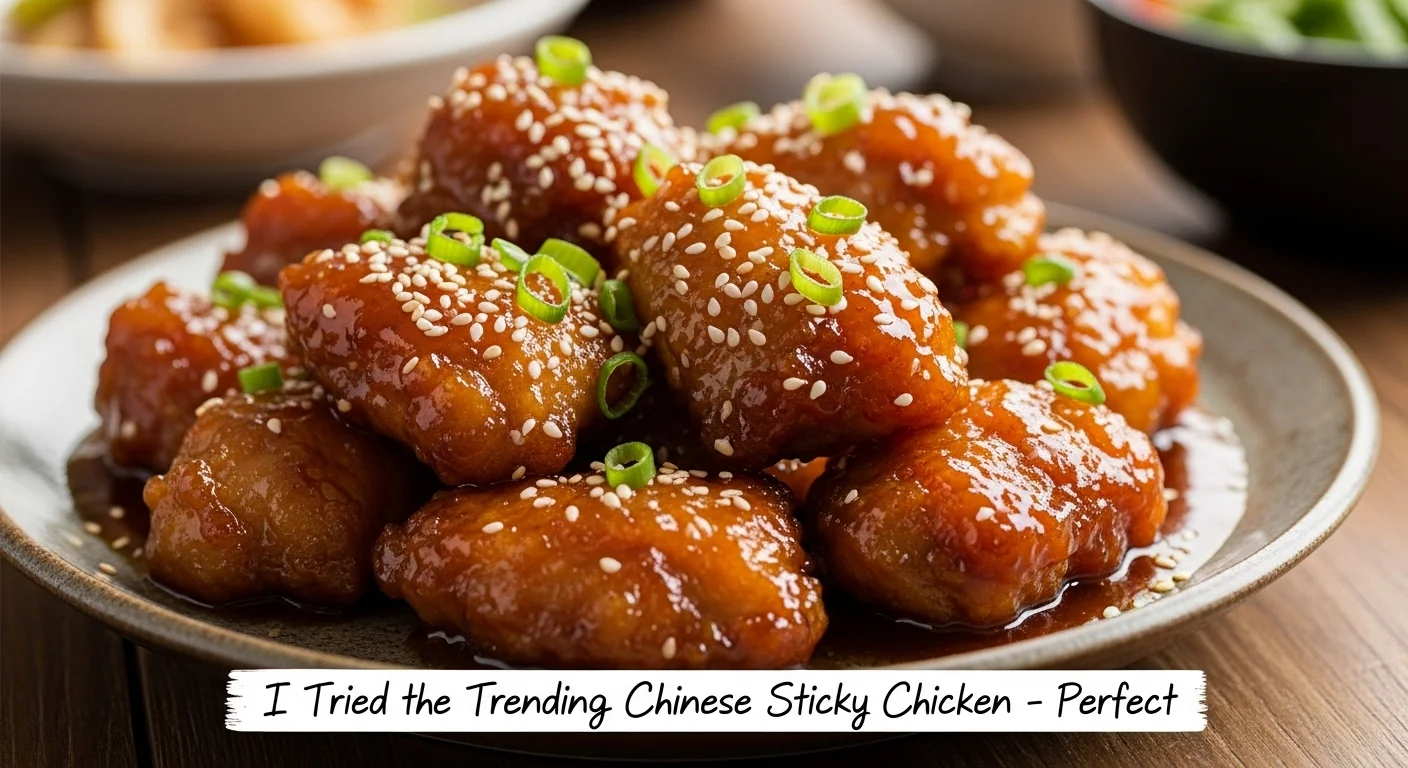
After about 45 minutes in the oven, I turned on the broiler for the last few minutes to really caramelize the sauce. I stood by the oven, watching the chicken transform into a sticky, golden masterpiece. The sound of sizzling and the sweet aroma wafting through my home were enough to drive my family wild with hunger. I could hardly wait! I took the chicken out, and the glaze was just perfect—thick and shiny, sticking to the chicken like a sweet hug.
Serving and Enjoying the Dish
After letting the chicken rest for a few minutes, I garnished it with sesame seeds and chopped green onions. The colors popped, and I was thrilled with how it looked. I served it alongside jasmine rice and steamed broccoli, which made for a colorful and appetizing plate. The moment I took my first bite, I was in heaven. The chicken was tender, the glaze was sweet and savory, and the flavors danced on my palate. I can’t emphasize enough how satisfying it was to create something so delicious!
Sharing this meal with my family was a joy in itself. I felt proud to present them with a homemade dish that was not only trending but also packed with flavor. They loved it as much as I did! It sparked a conversation about trying more international recipes together, and I couldn’t have asked for a better outcome. Read Interesting article: Quick Mexican tacos without sugar
After this experience, I can confidently say that Chinese Sticky Chicken is a must-try. Whether you’re a seasoned chef or just starting, this dish is not only easy to prepare but also offers a delightful mix of flavors that will impress anyone you serve it to.
Variations and Personal Twists
One of the things I love most about cooking is how there’s always room for creativity. After trying the traditional Chinese Sticky Chicken, I found myself thinking about how I could put my own spin on it. I mean, isn’t that part of the fun? I started brainstorming some variations that I could try on my next cooking adventure.
One idea that came to mind was to play around with the marinade itself. I enjoy experimenting with flavors, so I thought about adding some citrus to the mix. A splash of fresh orange juice or even some lime could bring a refreshing twist to the dish. I can already picture how the bright acidity would balance out the sweetness of the honey. It got me excited to try it out!
I also thought about adding some heat. I’m a big fan of spicy food, and I know a sprinkle of red pepper flakes or a drizzle of sriracha could elevate the dish to another level. The thought of that sweet, sticky glaze mixed with a little heat was enough to make my mouth water. Plus, I could serve it with a side of cool cucumber salad to balance out the spice. It felt like a win-win situation.
Cooking Methods to Explore
While roasting the chicken in the oven was a delightful experience, I couldn’t help but wonder how this dish would turn out if cooked differently. I’ve seen recipes that suggest grilling the chicken, and I think that’s something I want to try. The idea of those grill marks and smoky flavor adds another layer to the dish, which sounds absolutely delicious. I remember the last time I grilled chicken; the way the juices sealed in while getting that nice char was simply mouthwatering.
Another method I considered was using a slow cooker. I’ve always found slow-cooked meals to be so comforting, and I could already imagine coming home after a long day to the aroma of sticky chicken filling my home. The chicken would be tender and infused with flavor, just falling off the bone. I might even add some vegetables into the slow cooker to make it a complete meal without much effort. The ease of letting it cook while I go about my day is so appealing to me.
Pairing Suggestions
As I reflected on my experience, I started thinking about what else could complement the Chinese Sticky Chicken on the dinner table. I’m a firm believer that the right sides can elevate a meal, and I wanted to explore some options that would harmonize beautifully with the dish.
First up, I thought about fried rice. I’ve always loved how versatile fried rice can be, and pairing it with the sticky chicken would create a delightful contrast of textures. The crispy bits of rice mixed with the tender chicken sounds like a match made in heaven. I could add some peas and carrots for color and extra nutrition, too.
Another side that crossed my mind was a simple Asian slaw. I feel like the crunch of fresh vegetables dressed in a tangy sesame vinaigrette would be a refreshing counterpoint to the sweetness of the chicken. I remember having a similar slaw at a restaurant once, and it felt so light and satisfying alongside rich dishes.
Incorporating Seasonal Ingredients
As the seasons change, I can’t help but think about how to incorporate fresh, seasonal ingredients into my cooking. For instance, in the summer, I could add fresh peaches or mango slices to the marinade or serve them alongside the chicken. The sweetness from the fruit could enhance the dish even further, making it a perfect summertime meal.
In the fall, I could experiment with adding roasted butternut squash or sweet potatoes as a side. The natural sweetness of these vegetables would pair so nicely with the sticky chicken’s flavors. I can already envision a warm plate filled with the chicken, roasted veggies, and a sprinkle of autumn spices.
Cooking Together as a Family
After my initial experience with Chinese Sticky Chicken, I found myself wanting to involve my family more in the cooking process. I remember the joy of cooking together when I was younger. It’s such a beautiful way to bond, share stories, and create lasting memories. So, I decided to make cooking a family affair!
We’ve picked a date to try out our variations together, and I’m thrilled at the thought of collaborating in the kitchen. My kids are excited to help with the marinade and maybe even creating their own side dishes. I believe this will not only make the cooking process more enjoyable but also allow us to create our unique family recipes.
As we plan this culinary adventure, I feel grateful for how food can bring us together. Making meals, sharing flavors, and trying new things is a beautiful way to connect. Plus, who knows? Maybe we’ll discover our new favorite family dish along the way!
Embracing the Cultural Significance of Sticky Chicken
As I delved deeper into the world of Chinese Sticky Chicken, I found myself fascinated not only by the flavors but also by the cultural significance behind the dish. Food has a remarkable ability to tell stories and reflect traditions, and I wanted to understand how this dish fit into the larger tapestry of Chinese cuisine. I learned that dishes like Sticky Chicken often embody the essence of family gatherings and celebrations in Chinese culture, emphasizing the importance of togetherness.
In Chinese households, meals are often a communal affair. The act of sharing food, especially dishes that are sticky and sweet, symbolizes unity and harmony. This resonated with me as I reflected on my own family dynamics. It reminded me of the times we gathered around the table, the laughter echoing, and the shared plates overflowing with delicious dishes. This connection made me appreciate the Sticky Chicken even more, as it is not just a meal but a catalyst for creating cherished memories.
Another intriguing aspect I uncovered was the symbolism of the ingredients. For instance, the use of soy sauce represents prosperity, while honey is often associated with happiness and sweetness in life. This made me think about how each bite I took of my Sticky Chicken was not just about flavor but also about celebrating life’s blessings. I felt like I was indulging in a dish that carried with it wishes of joy and abundance.
The Role of Food in Festivals and Celebrations
Diving further into the cultural significance, I discovered that certain dishes, including variations of Sticky Chicken, are often prepared for festivals and special occasions in China. For example, during the Lunar New Year, sticky foods symbolize a wish for a prosperous year ahead. I couldn’t help but feel inspired to bring this tradition into my own home. Maybe I could make Sticky Chicken a part of our holiday celebrations, creating a new family tradition that honors both our heritage and the joy of good food.
This led me to think about how food can connect us to our roots, even if we’re not in the country of origin. I realized how important it is to keep these traditions alive in our own way. Perhaps I could explore other traditional recipes that hold cultural significance, sharing them with my family as we gather around the dinner table. It felt like a wonderful opportunity to educate my children about different cultures while also enjoying delicious meals together.
Exploring Regional Variations
As I continued my culinary exploration, I started to look into regional variations of Sticky Chicken across China. I found it fascinating that different provinces have their unique spins on this beloved dish. For example, in Sichuan, they often incorporate bold spices that pack a punch, while in Guangdong, the chicken might be prepared with a lighter touch, emphasizing freshness and delicate flavors. This inspired me to think about how traveling through food could be a way to experience different cultures without leaving my kitchen.
Imagine hosting a themed dinner night where each dish represents a different region of China! It could be a fun way to delve into the rich diversity of flavors while also allowing my family to learn about the customs and traditions of each area. I could prepare the classic Sticky Chicken for one night and then switch it up with a spicy Sichuan version the next. It felt like a delicious adventure waiting to happen! Read Interesting article: Takeout Fakeout: 5 Secrets for Easy Homemade Pad Thai
Joining a Cooking Class
With all this excitement bubbling inside me, I decided it might be a good idea to take my culinary journey a step further by joining a cooking class focused on Chinese cuisine. I’ve always enjoyed the idea of learning from experienced chefs who can share tips and techniques that I might not find in a recipe book. Plus, it would be a fantastic opportunity to meet new people who share my passion for cooking.
Finding a local class that specializes in Chinese cooking felt like a win-win. I could immerse myself in the culture, learn more about its culinary techniques, and perhaps even connect with others who cherish the communal aspect of food. I can already picture myself chopping vegetables alongside fellow food lovers, sharing stories, and, of course, tasting our creations together. There’s something so special about the camaraderie that comes from cooking with others, and I was eager to experience it firsthand.
Documenting the Journey
Another idea that struck me was the thought of documenting my cooking journey. I often enjoy capturing special moments through photos and writing, so why not do the same with my culinary adventures? I envisioned creating a blog or a scrapbook dedicated to my experiences in the kitchen, focusing on recipes, cultural insights, and personal stories. I believe it would not only keep me motivated to try new things but also serve as a beautiful keepsake to share with my family in the future.
As I imagined flipping through the pages filled with sticky notes, photos of mouthwatering dishes, and written reflections, I felt a sense of excitement. It would be like creating a visual diary of my cooking escapades, where I could look back and remember the flavors, the laughter, and the moments spent with loved ones. I could even invite my family to contribute—sharing their experiences and favorite recipes—making it a true family project.
All in all, my journey with Chinese Sticky Chicken has opened my eyes to so much more than just a delicious meal. It’s become a gateway to exploring culture, heritage, and the joy of gathering around the table. I can’t wait to see where my next culinary adventure will lead! Each dish I try, each recipe I explore, brings me closer to understanding not just the food itself but the stories and love that come with it.
Frequently Asked Questions
What is Chinese Sticky Chicken?
Chinese Sticky Chicken, also known as “sticky soy chicken,” is a dish that features dark meat chicken marinated in a mixture of soy sauce, honey, and spices. It is known for its sweet, savory, and sticky flavors.
What ingredients are needed to make Chinese Sticky Chicken?
To make Chinese Sticky Chicken, you will need 2 pounds of chicken thighs (bone-in, skin-on), 1/4 cup of soy sauce, 1/4 cup of honey, 2 tablespoons of rice vinegar, 4 cloves of minced garlic, 1 tablespoon of freshly grated ginger, and optionally, 1 teaspoon of five-spice powder. Sesame seeds and green onions are suggested for garnish.
How long should the chicken be marinated?
The chicken should be marinated for at least two hours, but it is recommended to let it marinate overnight for maximum flavor.
What cooking method is used for Chinese Sticky Chicken?
The chicken is typically roasted in the oven at 375°F (190°C) for about 45 minutes. The broiler can be used at the end of cooking to caramelize the sauce for a sticky glaze.
What are some suggested side dishes to serve with Chinese Sticky Chicken?
Some suggested side dishes include jasmine rice, steamed broccoli, fried rice, or an Asian slaw. Fried rice adds a delightful contrast of textures, while a slaw provides a refreshing counterpoint to the sweetness of the chicken.
Can variations be made to the marinade for Chinese Sticky Chicken?
Yes, variations can be made to the marinade. Ideas include adding citrus like fresh orange juice or lime for brightness, or incorporating heat with red pepper flakes or sriracha.
What cultural significance does Chinese Sticky Chicken have?
Chinese Sticky Chicken embodies themes of family gatherings and celebrations in Chinese culture. It symbolizes unity and harmony, as meals are often communal and shared among family members.
Are there regional variations of Sticky Chicken in China?
Yes, different provinces in China have unique spins on Sticky Chicken. For instance, Sichuan versions often use bold spices, while Guangdong preparations emphasize freshness and delicate flavors.
What are some alternative cooking methods for Chinese Sticky Chicken?
Alternative cooking methods include grilling the chicken for a smoky flavor or using a slow cooker for a tender, infused dish that cooks while you go about your day.
How can cooking be made a family activity?
Cooking can be made a family activity by involving family members in the preparation process, such as creating the marinade or side dishes together. This fosters bonding and the creation of unique family recipes.