
Looking for a delightful treat that’s light, airy, and gluten-free? These popovers might just be your new favorite recipe! Perfect for breakfast or as a side, they’re easy to make and absolutely delicious. If you’re also interested in improving your overall diet, consider checking out Your 2-Week Healthy Eating Challenge: A Complete Meal Plan with Recipes.
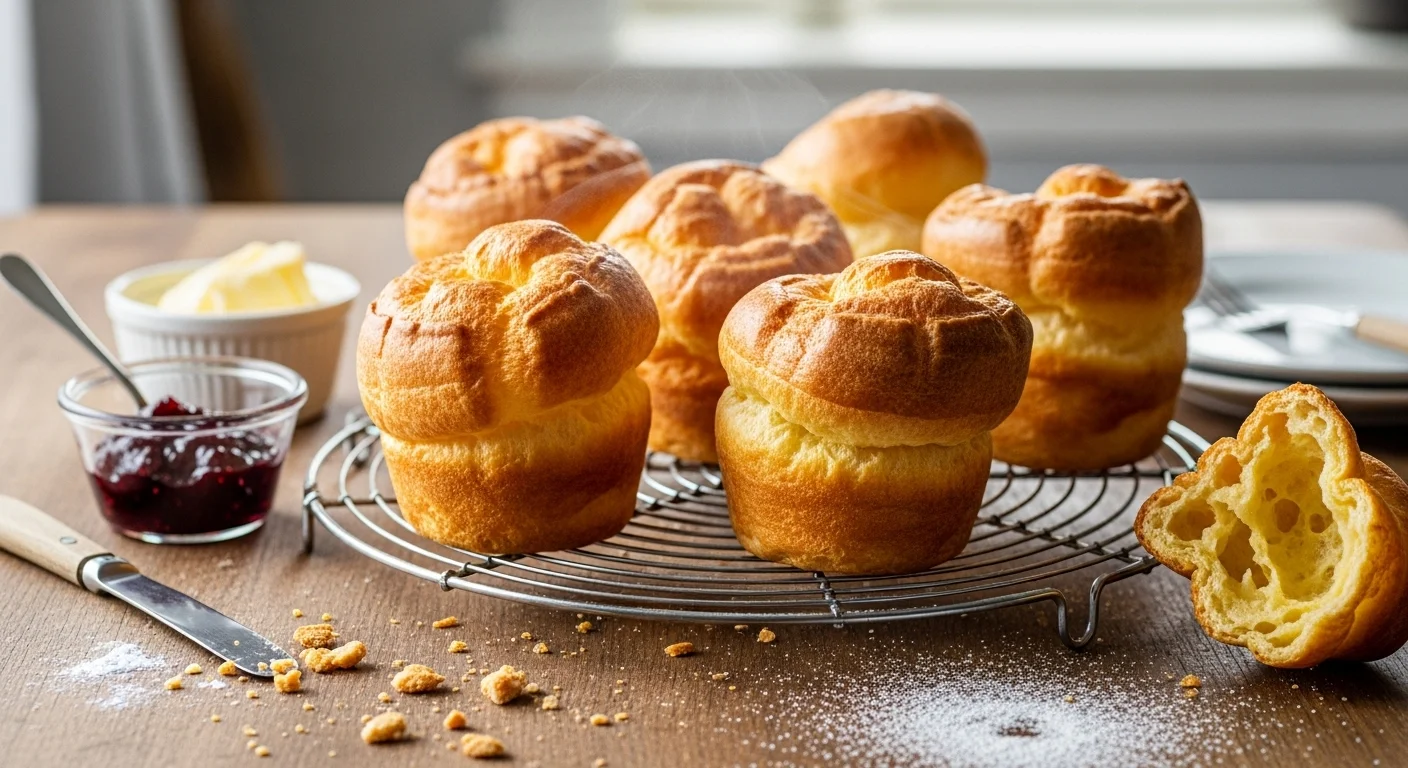
Understanding Gluten-Free Popovers
What Are Popovers?
When I first discovered popovers, I was mesmerized by their incredible rise and airy texture. These delightful pastries originated in the United States and are made from a simple batter of eggs, flour, and milk. They bake up to create a crispy outer shell and a soft, hollow interior that is perfect for filling with sweet or savory goodies. The best part? They’re incredibly versatile and can be served at any meal!
Key Differences Between Regular and Gluten-Free Popovers
While traditional popovers rely on wheat flour for that perfect rise, gluten-free popovers switch things up. I’ve noticed that using gluten-free flour can change the texture a bit. Regular popovers tend to be a bit more robust due to the gluten structure, which helps them rise. In contrast, gluten-free popovers can be just as light and airy if made correctly, but they often require a little extra care with the ingredients and mixing methods. I learned that the right combination of gluten-free flours can make a world of difference in achieving that fluffy popover texture without any gluten.
Essential Ingredients for Gluten-Free Popovers
Gluten-Free Flour Options
Finding the right gluten-free flour is crucial for making popovers. Personally, I love using a blend of brown rice flour and tapioca flour. Brown rice flour adds a nice depth of flavor, while tapioca flour contributes to that essential chewiness and helps with rise. I’ve also found that using a store-bought gluten-free flour blend designed for baking can save you time and effort. These blends often include xanthan gum, which mimics the elasticity of gluten and helps with the rise. If you’re looking for more meal prep ideas, check out 7-Day High-Protein Meal Plan for Energy and Strength.
Eggs: The Binding Agent
Eggs play a vital role in binding the ingredients together and providing moisture. In my experience, using large eggs gives the best results. They help create that puffy structure we all love in popovers. When I’ve tried recipes with fewer eggs, I noticed that the popovers didn’t rise as beautifully, leading to a denser texture. So, I always stick to the number of eggs specified in the recipe for that perfect lift!
Milk and Dairy Alternatives
Milk adds moisture and richness to popovers. If you’re dairy-free or lactose intolerant, I’ve had great success using almond milk or oat milk. These alternatives still provide the liquid needed without compromising the texture. Just be sure to choose an unsweetened variety to keep the flavor profile intact. The key is to have the milk at room temperature, as this helps the batter combine more smoothly.
Salt and Other Flavor Enhancers
Don’t underestimate the power of salt! It enhances the overall flavor of your popovers. I always add a pinch of salt to the batter, and it makes a significant difference. You might also consider adding herbs or spices for a unique twist. I love incorporating a bit of garlic powder or fresh herbs like rosemary or thyme, especially when I’m making savory popovers. It elevates the flavor to a whole new level!
Equipment Needed for Baking Popovers
Popover Pan vs. Muffin Tin
Choosing the right pan is essential for achieving that classic popover shape. A popover pan has deep wells that help create the right environment for the batter to rise. I’ve used muffin tins in a pinch, but they don’t give the same impressive height. If you’re serious about popovers, investing in a good-quality popover pan is worth it. You’ll be amazed at the difference it makes!
Mixing Tools and Equipment
As for mixing tools, a whisk is my go-to for combining the ingredients. I prefer to whisk the eggs first, then gradually add in the milk and finally the flour. This helps prevent lumps and ensures a smooth batter. A blender can also work nicely, especially if you’re using a gluten-free flour blend. Just remember to scrape down the sides to mix everything evenly. A spatula comes in handy for this too!
Oven Requirements
When it comes to baking popovers, having a hot oven is crucial. I usually preheat my oven to around 425°F (220°C) because the high heat helps them rise quickly. I’ve learned that when the temperature isn’t hot enough, the popovers tend to be denser and don’t puff up as nicely. Also, resist the urge to open the oven door while they’re baking; it can cause them to collapse!
Step-by-Step Gluten-Free Popover Recipe
Preparation: Prepping Your Ingredients
Getting everything ready before you start baking is key to success. I always take a moment to gather my ingredients and tools. It helps me feel organized, and I find that the process flows much more smoothly. First, I measure out my gluten-free flour, eggs, and milk, setting them on the counter. I find that having everything at room temperature makes a big difference in how well the batter comes together. If I’m using any herbs or spices, I chop or measure those out too. It’s a small step, but it really sets the stage for delicious popovers!
Mixing the Batter
When it’s time to mix, I start by whisking the eggs in a large bowl. There’s something about the rhythmic action of whisking that I find calming! Once the eggs are nicely beaten, I add the milk and whisk again until it’s combined. Then, I slowly sift in my gluten-free flour while continuing to whisk. This step helps prevent lumps and ensures a smooth batter. I’ve learned that over-mixing can lead to dense popovers, so I stop whisking as soon as I see that everything is just combined. If I’m feeling adventurous, I sometimes fold in a handful of grated cheese or herbs at this point for added flavor.
Baking Instructions
Now comes the exciting part! I pour the batter into my preheated popover pan, filling each cup about halfway. I remember the first time I made popovers; I was so nervous about them spilling over! But I learned that the batter needs room to rise. After filling the pan, I place it carefully in the hot oven. I set my timer for about 20 minutes. It’s hard to resist peeking at them, but I remind myself to avoid opening the oven door until the time is up. Watching them puff up through the oven window is always a thrill!
Tips for Achieving Perfect Rise and Texture
From my experience, there are a few tips that can help ensure your popovers rise beautifully. First, the oven must be hot enough—425°F (220°C) is perfect for starting. I’ve found that any lower temperature leads to lackluster results. Also, I make sure to use a well-greased pan, as this helps the popovers release easily and achieve that desired golden-brown color. Another trick is to avoid opening the oven door while they bake, as any sudden temperature change can cause them to collapse. Finally, I like to let my popovers cool for just a minute in the pan before transferring them to a wire rack, which helps maintain their structure.
Serving Suggestions for Gluten-Free Popovers
Sweet vs. Savory Fillings
Once my popovers are out of the oven, the fun part begins—deciding how to serve them! I’ve tried both sweet and savory fillings, and each offers a delightful experience. For a sweet treat, I love filling them with a dollop of fresh whipped cream and a drizzle of honey or maple syrup. Sometimes, I’ll even add fresh berries for a pop of color and flavor. On the savory side, I enjoy filling them with a mixture of sautéed spinach and feta cheese or a classic cheese blend. The possibilities are endless, and it’s a great way to use up leftovers or experiment with new flavors!
Pairing with Dips and Sauces
Pairing popovers with dips and sauces is another fantastic way to elevate your snack or meal. I’ve enjoyed serving them alongside a creamy garlic dip or a zesty tomato salsa. If I’m going with a savory popover, a rich cheese sauce can take it over the top! For sweet popovers, I sometimes whip up a quick berry compote or serve them with a side of chocolate sauce for dipping. I love how versatile they are; no matter the occasion, there’s a perfect pairing for everyone!
Common Issues and Troubleshooting
Why Are My Popovers Not Rising?
If your popovers aren’t rising as expected, don’t fret; it happens to the best of us! I’ve learned that using room temperature ingredients is crucial, as cold ingredients can hinder that beautiful rise. Also, check your oven temperature—if it’s not hot enough, they simply won’t puff up. Lastly, ensure your batter is mixed just enough to combine the ingredients without overdoing it. It’s all about finding that sweet spot!
Dealing with Density and Texture Problems
Sometimes, popovers can come out denser than we’d like. If that happens, I usually look back at my ingredients and mixing method. Too much flour or not enough liquid can lead to a heavy texture. I’ve also found that using old or expired baking powder can affect how well they rise, so it’s always a good idea to check the freshness of your ingredients. If you find yourself with a dense batch, don’t be discouraged—experimenting with the ratios can lead to tasty improvements in future batches!
Storage and Reheating Tips
If there are any popovers left over (which is rare in my house!), I store them in an airtight container at room temperature. I’ve noticed that they’re best enjoyed fresh, but if I need to reheat them, I pop them back in a hot oven for a few minutes. This helps to restore their crispiness and warmth, making them almost as delightful as when they first came out of the oven!
Variations and Creative Twists on Gluten-Free Popovers
Herb and Cheese Popovers
One of my favorite ways to mix things up with gluten-free popovers is by adding herbs and cheese directly into the batter. I remember the first time I tried this variation; I was looking for something to accompany a soup I was making. I decided to add some fresh chopped chives and a handful of shredded cheddar cheese to the batter. The result was a savory popover that was bursting with flavor! The cheese melted beautifully inside, creating a deliciously gooey center. If you’re a fan of stronger flavors, I recommend trying feta cheese with fresh rosemary or thyme. These combinations not only enhance the taste but also create a delightful aroma while baking. It’s a great way to impress guests or simply treat yourself to a comforting snack!
Sweet Popovers with Fruit and Jam
When it comes to sweet popovers, the possibilities are endless! I absolutely love filling them with fruit and jam. One of my go-to combinations is a dollop of homemade berry jam and a sprinkle of powdered sugar on top. After pulling my popovers from the oven, I slice them open while they’re still warm, and spoon in the jam. I’ve also experimented with adding mashed bananas and a bit of cinnamon to the batter for a sweet twist. These popovers can be a delightful breakfast or a lovely dessert when paired with some whipped cream or vanilla ice cream. Another fun idea is to fill them with a mixture of cream cheese and fresh fruit; it’s like a mini stuffed pastry that’s sure to impress!
Health Benefits of Gluten-Free Baking
Nutritional Considerations
Switching to gluten-free baking isn’t just about avoiding gluten; it can also introduce a range of different nutrients into your diet. I’ve found that many gluten-free flours, like almond flour or chickpea flour, are packed with protein, fiber, and healthy fats. When I started exploring gluten-free options, I noticed I was incorporating more whole foods into my baking, like oats, nuts, and seeds. These ingredients not only enhance the nutritional profile but also add unique flavors and textures. For instance, using almond flour in my popovers not only gives them a nutty taste but also boosts their protein content. I feel good knowing that I can make indulgent treats that still nourish my body!
Gluten Sensitivity and Celiac Disease
For those with gluten sensitivity or celiac disease, enjoying baked goods can sometimes feel like a challenge. I’ve spoken to friends who have celiac, and they often express how difficult it can be to find delicious gluten-free options. That’s why I love sharing my gluten-free popover recipe with them. It feels great to know I’m offering a treat that they can enjoy without worrying about their health. Gluten-free baking opens up a world of possibilities, allowing people with dietary restrictions to indulge in foods they once thought were off-limits. Plus, as I’ve learned through my own journey, experimenting with gluten-free recipes can lead to exciting new discoveries in the kitchen!
Final Thoughts
As I reflect on my journey with gluten-free popovers, I can’t help but feel a sense of excitement about the endless possibilities they offer. These airy delights have become a staple in my kitchen, and I love how they can adapt to any occasion, whether it’s a cozy breakfast, a fancy brunch, or a simple snack. Each time I make them, I’m reminded of the joy found in creating something delicious that everyone can enjoy, regardless of dietary restrictions.
For me, the key to successful gluten-free popovers lies in experimentation. I encourage you to play around with different flavors and ingredients. Maybe you’ll discover a new favorite combination that surprises you! I’ve learned that cooking is as much about creativity as it is about following recipes. Don’t hesitate to add your personal touch—whether it’s a sprinkle of your favorite spices or a new filling—that makes your popovers truly unique.
Sharing these popovers with friends and family has also been a delightful experience. I love watching their faces light up when they take that first bite and discover how light and fluffy they are. It’s a reminder that food is more than just sustenance; it’s a way to connect, celebrate, and create lasting memories. I often find that people are amazed that something gluten-free can taste so good, and that reaction makes all the effort worthwhile.
So, whether you’re gluten-sensitive, experimenting with healthier baking, or simply looking to try something new, I hope you feel inspired to give gluten-free popovers a chance in your kitchen. They’re not just a substitute; they’re an opportunity to explore new flavors and techniques. Happy baking, and may your popovers rise high and taste amazing!
Remember, each batch is a chance to learn something new, so embrace the journey and enjoy the process. Here’s to many more delicious gluten-free popovers in our future!
Frequently Asked Questions
What are popovers?
Popovers are delightful pastries that originated in the United States, made from a simple batter of eggs, flour, and milk. They have a crispy outer shell and a soft, hollow interior that can be filled with sweet or savory goodies, making them versatile for any meal.
What are the key differences between regular and gluten-free popovers?
Regular popovers use wheat flour for their rise, while gluten-free popovers require a different approach. Gluten-free popovers can achieve a light and airy texture, but they often need extra care in choosing the right gluten-free flour and mixing methods.
What gluten-free flour options work best for popovers?
A blend of brown rice flour and tapioca flour is recommended for gluten-free popovers. Brown rice flour adds flavor, while tapioca flour contributes to chewiness and rise. Store-bought gluten-free flour blends that contain xanthan gum can also be effective.
Why are eggs important in gluten-free popovers?
Eggs are essential for binding the ingredients together and providing moisture. Using large eggs helps create the puffy structure that is characteristic of popovers. Fewer eggs may result in a denser texture.
What milk alternatives can be used in gluten-free popovers?
If you’re dairy-free or lactose intolerant, almond milk or oat milk can be used as substitutes. It’s important to choose unsweetened varieties and to use them at room temperature for the best results.
What equipment is needed for baking popovers?
A popover pan is ideal for achieving the classic popover shape, as it has deep wells that help the batter rise. A whisk or blender can be used for mixing, and it’s crucial to preheat the oven to around 425°F (220°C) for optimal baking.
How can I ensure my popovers rise properly?
To achieve a good rise, ensure your oven is preheated to 425°F (220°C), use a well-greased pan, and avoid opening the oven door during baking. Using room temperature ingredients and mixing the batter just enough to combine can also help.
What are some common filling options for popovers?
Popover fillings can be sweet or savory. Sweet options include fresh whipped cream, honey, or fruit jams, while savory fillings might consist of sautéed spinach, feta cheese, or a cheese blend. The possibilities are endless!
How should leftover popovers be stored and reheated?
Leftover popovers should be stored in an airtight container at room temperature. To reheat, place them back in a hot oven for a few minutes to restore their crispiness and warmth.
What health benefits come from gluten-free baking?
Gluten-free baking can introduce a variety of nutrients into your diet, such as protein, fiber, and healthy fats. Many gluten-free flours, like almond or chickpea flour, are nutritious alternatives that enhance the overall health profile of baked goods.