
If you think popovers are just a classic English treat, wait until you try them with a sourdough twist! These sourdough popovers are not only light and airy but also a fantastic way to use up your sourdough discard. Get ready for a delicious culinary adventure!
Understanding Sourdough Popovers
What are Sourdough Popovers?
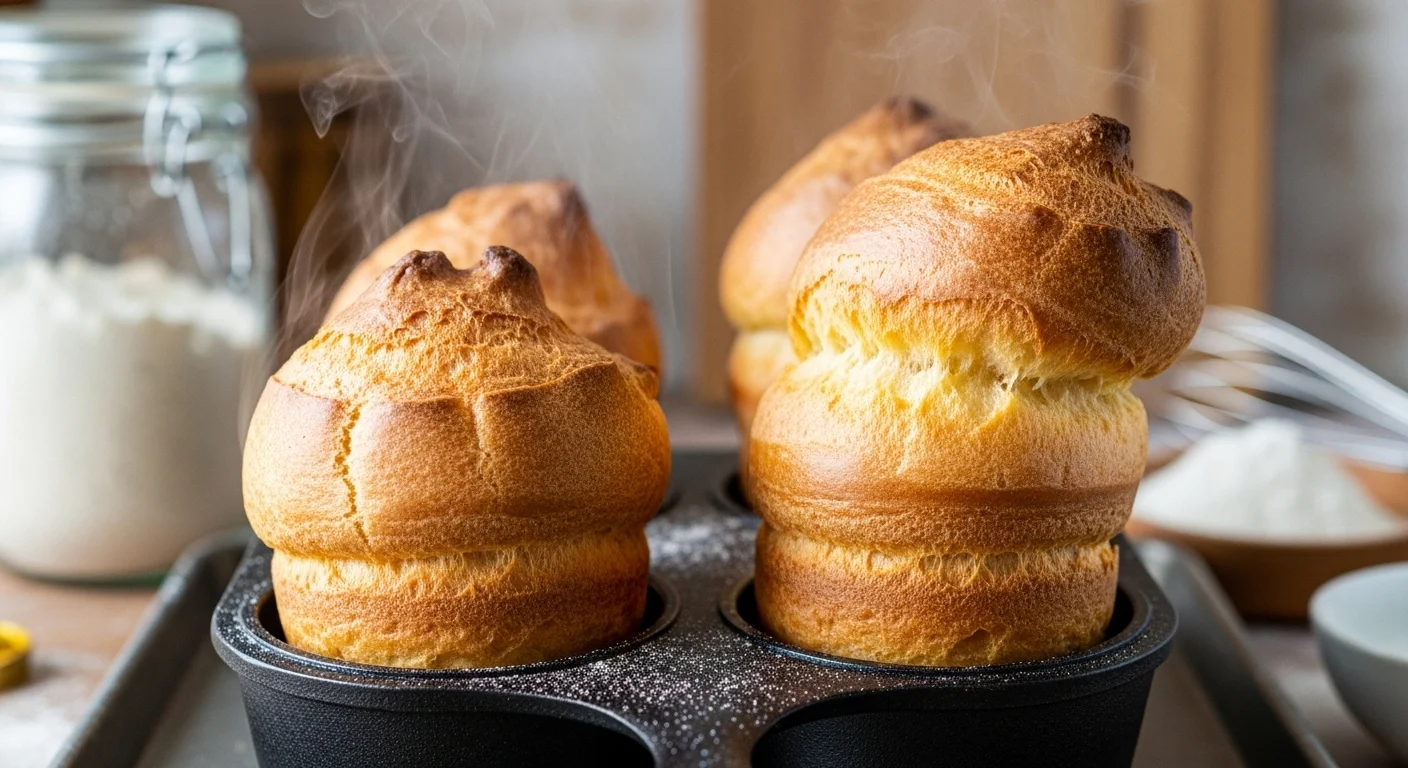
Sourdough popovers are a delightful variation of traditional popovers, which are light, hollow rolls made from a simple batter of flour, eggs, and milk. What sets sourdough popovers apart is the inclusion of sourdough starter, or more specifically, sourdough discard. This gives them a unique tangy flavor and a wonderful texture that’s crispy on the outside and soft on the inside. When I first stumbled upon this recipe, I was amazed at how something so simple could be transformed into such a delightful treat. The sourdough adds depth, making each bite an experience of its own. Read Interesting article: This Creamy Cheesy Veg Bake Is All Over My Feed
History and Origin of Popovers
The popover has its roots in the early 19th century in the United States, inspired by similar dishes from Europe. The name “popover” comes from the way these delightful pastries puff up and “pop over” the edges of the pan while baking. I remember the first time I tried a popover at a local brunch spot; it was served warm with butter, and I was instantly hooked. Over the years, popovers have become a beloved staple at family gatherings and special occasions, often served alongside soup or as a part of the main meal. The transition to using sourdough in popovers is a more recent innovation, allowing home bakers like us to explore new flavors and reduce food waste at the same time.
The Role of Sourdough in Popovers
Incorporating sourdough into popovers not only enhances their taste but also brings a range of benefits. The natural fermentation process of sourdough starter offers a unique flavor profile, and the acidity helps create a lighter texture. I’ve learned that the fermentation also aids in digestibility, which is often a concern with bread products. The rise that sourdough provides helps those popovers achieve that signature puffiness we all adore. It’s like a little miracle in the oven! I can’t tell you how satisfying it is to see them rise, especially when you know you’re using something that might have otherwise gone to waste.
Key Ingredients for Sourdough Popovers
Sourdough Discard: What is it?
Sourdough discard is the portion of sourdough starter that you remove before feeding it. Rather than toss it out, I’ve found that using this discard can lead to some of the most delicious baked goods. It’s packed with flavor and beneficial bacteria that enhance the taste and texture of whatever you’re making. Whenever I feed my sourdough starter, I look forward to putting that discard to good use. Using it in popovers not only utilizes this ingredient but also minimizes food waste, which is something I feel strongly about.
Essential Ingredients Overview
The beauty of sourdough popovers lies in their simplicity. Here’s what you’ll need:
- Sourdough Discard: This is the star of the show!
- All-Purpose Flour: Provides structure.
- Eggs: Essential for binding and leavening.
- Milk: Adds moisture and flavor.
- Salt: Enhances the overall taste.
- Butter: For richness and crispy edges.
These ingredients are likely staples in your kitchen, and that’s what makes this recipe so accessible. I love how you can whip them up in no time, especially when you’re in the mood for a quick yet impressive snack or side dish!
Optional Ingredients for Flavor Variations
While the basic recipe is fantastic on its own, there are endless possibilities for flavor variations. I encourage you to experiment a bit! Here are some optional ingredients to consider:
- Cheese: Adding shredded cheese like cheddar or Gruyère can elevate the flavor tremendously.
- Herbs: Fresh herbs like rosemary or thyme can add a fragrant touch.
- Spices: A pinch of nutmeg or garlic powder can bring a warm, savory depth.
- Sweeteners: If you’re leaning towards a sweeter version, consider adding a bit of sugar or vanilla extract.
In my experience, it’s all about what you have on hand and what flavors inspire you in that moment. Some of my favorite popover moments have come from little bursts of creativity! Read Interesting article: Easy Gluten-Free Flatbread (No Yeast, Just 5 Ingredients)
Step-by-Step Guide to Making Sourdough Popovers
Prepping Your Ingredients
Before diving into the baking process, it’s essential to prep your ingredients. I’ve found that having everything ready makes the process smoother and more enjoyable. Start by gathering your sourdough discard, all-purpose flour, eggs, milk, salt, and butter. It’s helpful to measure everything out ahead of time. I like to set my eggs and milk out for about 30 minutes before I start; bringing them to room temperature helps achieve a better rise. Also, preheating your oven is crucial. I set mine to 425°F (220°C) so it’s hot and ready when it’s time to bake, ensuring those popovers puff up beautifully.
The Mixing Process
Now comes one of my favorite parts: mixing the ingredients! In a large bowl, I whisk together the sourdough discard, milk, and eggs until they’re well combined. It’s such a satisfying sight to see the blend start to come together. Next, I add the flour and salt, gently folding them in until just combined. I try to avoid overmixing, as this can lead to denser popovers. The batter should be somewhat lumpy, and that’s perfectly fine! I’ve learned that less is more when it comes to mixing. Finally, I melt some butter in a microwave-safe bowl and add it to the batter, which gives the popovers that rich flavor and crispy edges.
Choosing the Right Popover Pan
Choosing the right pan can really make a difference in how your popovers turn out. I’ve experimented with different pans, and I’ve found that a traditional popover pan is the best option. The individual cups help the batter rise evenly, creating those classic, airy shapes. If you don’t have a popover pan, you can use a muffin tin, but I recommend greasing it well to prevent sticking. No one likes a popover that refuses to come out! Preheating the pan in the oven for a few minutes before pouring in the batter can also give that extra push for puffiness.
Filling the Pan and Baking
Once your batter is ready and the pan is hot, it’s time to fill those cups! I usually fill each cup about halfway full. This allows enough room for the popovers to rise without overflowing. After filling, I slide the pan into the preheated oven and close the door quickly; the heat is essential for that initial puff. I try not to open the oven door while they’re baking for at least the first 20 minutes, as this can cause them to deflate. The aroma that fills the kitchen while they bake is absolutely heavenly! I can hardly contain my excitement as I wait for that perfect moment to take them out.
Tips for Achieving Perfectly Puffed Popovers
Over the years, I’ve picked up a few tips that have helped me achieve perfectly puffed popovers. First, using fresh sourdough discard makes a noticeable difference in flavor and rise. Also, make sure your oven is fully preheated before putting the pan in. Another tip I swear by is not to open the oven door until they’re nearly done. If you’re worried about them browning too quickly, you can lower the temperature slightly after the initial 20 minutes. Lastly, I’ve found that letting the popovers cool in the pan for a couple of minutes before transferring them to a wire rack helps maintain their structure. Enjoying them warm straight from the oven is an experience I highly recommend!
Serving Suggestions and Pairings
Sweet vs. Savory Fillings
One of the most delightful aspects of sourdough popovers is how versatile they are when it comes to fillings. For savory popovers, I’ve enjoyed filling them with cheese, cooked spinach, or even a dollop of herbed cream cheese. The warm, puffy texture pairs beautifully with rich flavors. On the sweeter side, I’ve filled popovers with whipped cream and fresh berries for a decadent treat. I remember making these for brunch once, and they were a hit! Whether you choose sweet or savory, I believe the fillings can really elevate the experience.
Best Sauces and Dips
To take your popover experience to the next level, consider serving them with sauces or dips. A lovely garlic butter sauce is a personal favorite of mine; just melt butter with minced garlic and pour it over the warm popovers. Alternatively, a spicy aioli can add an exciting kick. I’ve also enjoyed pairing them with a classic marinara or a creamy herb dip. Experimenting with different sauces can really showcase the popovers and make them the star of your meal!
Pairing with Meals: When to Serve Sourdough Popovers
Sourdough popovers are incredibly versatile and can be served during any meal. I often whip them up for brunch, but they also make a fantastic side for dinner, especially with soups and salads. One memorable dinner I had featured popovers alongside a rich beef stew, and they were the perfect complement. They can also be a fun addition to holiday meals, like Thanksgiving or Christmas. I love how they can elevate the dining experience, making any occasion feel a little more special. Read Interesting article: Easy Pad Thai Recipe (A 30-Minute Meal)
Storage and Reheating Tips
How to Store Leftover Popovers
I can’t tell you how often I’ve found myself with leftover popovers after a meal. While they’re best enjoyed fresh from the oven, I’ve learned a few tricks for storing them to maintain their texture and flavor. First, let them cool completely on a wire rack. This helps prevent condensation from making them soggy. Once they’re cool, I place them in an airtight container or a resealable bag. I’ve found that wrapping them in parchment paper before putting them in the container keeps them a bit crisper. If you know you won’t eat them within a day or two, I recommend freezing them. Just make sure to vacuum seal or wrap them tightly to avoid freezer burn. In my experience, they can last in the freezer for up to three months without losing too much quality.
Best Practices for Reheating
When it comes to reheating leftover popovers, I prefer to use the oven instead of the microwave. The microwave tends to make them chewy rather than keeping that lovely airy texture. To reheat, I preheat my oven to 350°F (175°C), and then place the popovers directly on the oven rack or on a baking sheet for about 5-10 minutes. This method helps restore their crispiness and warmth. I often sprinkle a little water on the baking sheet to create a bit of steam; I think it really helps revive the popovers. If you’re in a hurry, a toaster oven works wonders as well. Just keep an eye on them to avoid over-browning!
Common Mistakes and Troubleshooting
Overcoming Flat Popovers
We’ve all been there—excitedly pulling flat popovers out of the oven. I remember my first few tries where they didn’t puff up at all. One common mistake I’ve noticed is not preheating the oven adequately. The initial blast of heat is crucial for getting that rise. Another factor is the temperature of your ingredients; if your eggs and milk are too cold, they won’t create the steam needed for puffiness. I’ve also found that overmixing the batter can lead to dense results. The batter should be lumpy, and that’s totally okay! If your popovers still fall flat, consider checking your baking powder or sourdough discard for freshness, as both can impact the rise significantly.
Dealing with Soggy Bottoms
Soggy bottoms are another challenge I’ve faced. This usually happens when there’s too much moisture in the batter or the oven isn’t hot enough. To prevent soggy bottoms, I recommend ensuring the popover pan is hot when you add the batter. I also avoid overfilling the cups; filling them about halfway allows for proper expansion. If you find your popovers are still soggy after baking, try placing them back in the oven for a few more minutes to dry them out a bit. I’ve learned that a little extra time in the oven can make a world of difference!
Adjusting for Oven Variations
Every oven is a bit different—some run hotter or cooler than others. I’ve had to adapt my baking times and temperatures based on my own oven’s quirks. A simple way to test this is to use an oven thermometer to ensure your oven is at the right temperature. If you notice your popovers consistently bake unevenly, consider rotating the pan halfway through the baking time. This can help ensure they rise evenly and are baked thoroughly. I’ve discovered that getting to know your oven will take some trial and error, but it’s worth it once you start getting those perfect popovers every time!
Creative Variations of Sourdough Popovers
Cheesy Sourdough Popovers
One of my absolute favorite variations is cheesy sourdough popovers. I often add a generous amount of shredded cheese to the batter—cheddar is a go-to for me, but Gruyère or even a spicy pepper jack can add an exciting twist! The melted cheese creates a delightful surprise in each bite, and I love how it pairs with the tangy flavor of the sourdough. I’ve even experimented with mixing in some herbs like chives or thyme to elevate the flavor even further. Every time I make these, they disappear in no time!
Herb-Infused Versions
If you’re looking to add a fresh touch to your popovers, consider infusing the batter with herbs. I’ve tried incorporating finely chopped fresh rosemary and thyme, which adds a lovely fragrance and flavor. Just a tablespoon or two can transform the profile of your popovers. I remember serving these at a family gathering, and everyone was raving about the herbaceous aroma filling the kitchen. They not only look beautiful with a sprinkling of fresh herbs on top, but they taste incredible too!
Sweet Sourdough Popovers with Fillings
For those with a sweet tooth, sweet sourdough popovers are a fantastic option. I love filling them with whipped cream and fresh fruit, like strawberries or blueberries. Drizzling a bit of honey or maple syrup on top brings it all together. I’ve also experimented with adding a touch of vanilla extract or cinnamon to the batter for a hint of sweetness. These sweet versions make for a perfect brunch treat or dessert, and I often find myself making a batch when I have guests over. They’re always a hit!
Benefits of Using Sourdough Discard
Reducing Food Waste
One of the biggest reasons I love using sourdough discard is the impact it has on reducing food waste. In a world where many ingredients can easily go to waste, finding ways to incorporate leftover sourdough starter feels like a small victory. I always look forward to baking days when I can transform what would usually be discarded into something delicious. It’s an incredible feeling to know that I’m not just making tasty treats, but also doing my part to be more sustainable in the kitchen. I believe that every bit counts, and using sourdough discard in recipes like popovers is a simple yet effective way to embrace this philosophy.
Health Benefits of Sourdough
Sourdough bread and its byproducts, like popovers, come with a range of health benefits that I find appealing. The fermentation process helps break down gluten, making it easier to digest compared to regular bread. This is particularly beneficial for those with mild gluten sensitivities. I’ve also found that sourdough starter is rich in beneficial bacteria, promoting gut health. Whenever I indulge in sourdough popovers, I feel good knowing I’m treating myself to something that can be better for my body compared to other baked goods. Plus, the slow fermentation allows for the development of nutrients, making these treats not only delicious but also a bit more nutritious.
Enhancing Flavor and Texture
The unique tang of sourdough is something I’ve come to appreciate deeply. Using sourdough discard in popovers offers a flavor that’s simply unmatched. It adds a depth that regular popovers just can’t achieve. I remember the first time I made sourdough popovers for friends; the flavor was a hit, sparking a conversation about sourdough and its many uses. The texture, too, is worth mentioning. The light, airy quality of a well-made popover is simply elevated by the inclusion of sourdough. I’ve experimented with different ratios of discard to flour, and every time, the results are consistently delightful. It’s amazing how a simple ingredient can transform an ordinary recipe into something extraordinary.
FAQs About Sourdough Popovers
Can I use regular flour instead of sourdough discard?
While you can technically use regular flour in popovers, you’ll miss out on the unique flavor and benefits that sourdough discard brings to the table. Sourdough discard not only adds tanginess but also contributes to the airy texture that makes popovers so special. If you’re looking for an authentic popover experience, I highly recommend sticking with the sourdough discard!
How do I make my popovers more flavorful?
There are plenty of ways to enhance the flavor of your popovers! You can experiment with adding different types of cheese, herbs, or spices to the batter. Personally, I love adding a hint of garlic powder or fresh herbs like thyme or chives for a lovely savory twist. For a sweeter option, consider drizzling honey or maple syrup over the popovers once they are baked, or incorporating vanilla extract into the batter. These little additions can transform your popover experience.
What is the best way to serve popovers?
Serving popovers is all about creativity! They’re fantastic on their own, warm and crispy, but they can also be served alongside delicious fillings or dips. I love serving them with a selection of sweet and savory options so guests can choose what suits their palate. Pairing them with a rich soup, a fresh salad, or even filling them with whipped cream and berries makes for an impressive presentation. The possibilities are endless, and that’s part of what makes popovers so enjoyable!
Final Thoughts
Sourdough popovers are more than just a treat—they’re a celebration of creativity, sustainability, and flavor. Every time I whip up a batch, I’m reminded of the joy that comes from baking with purpose. Using sourdough discard not only lessens waste but also elevates the dish, making the whole experience feel fulfilling. I encourage you to embrace this delightful recipe, play around with flavors, and make it your own. Whether you’re serving them at a special occasion or enjoying them as a casual snack, I believe that sourdough popovers will become a beloved addition to your kitchen repertoire, just as they have in mine.