
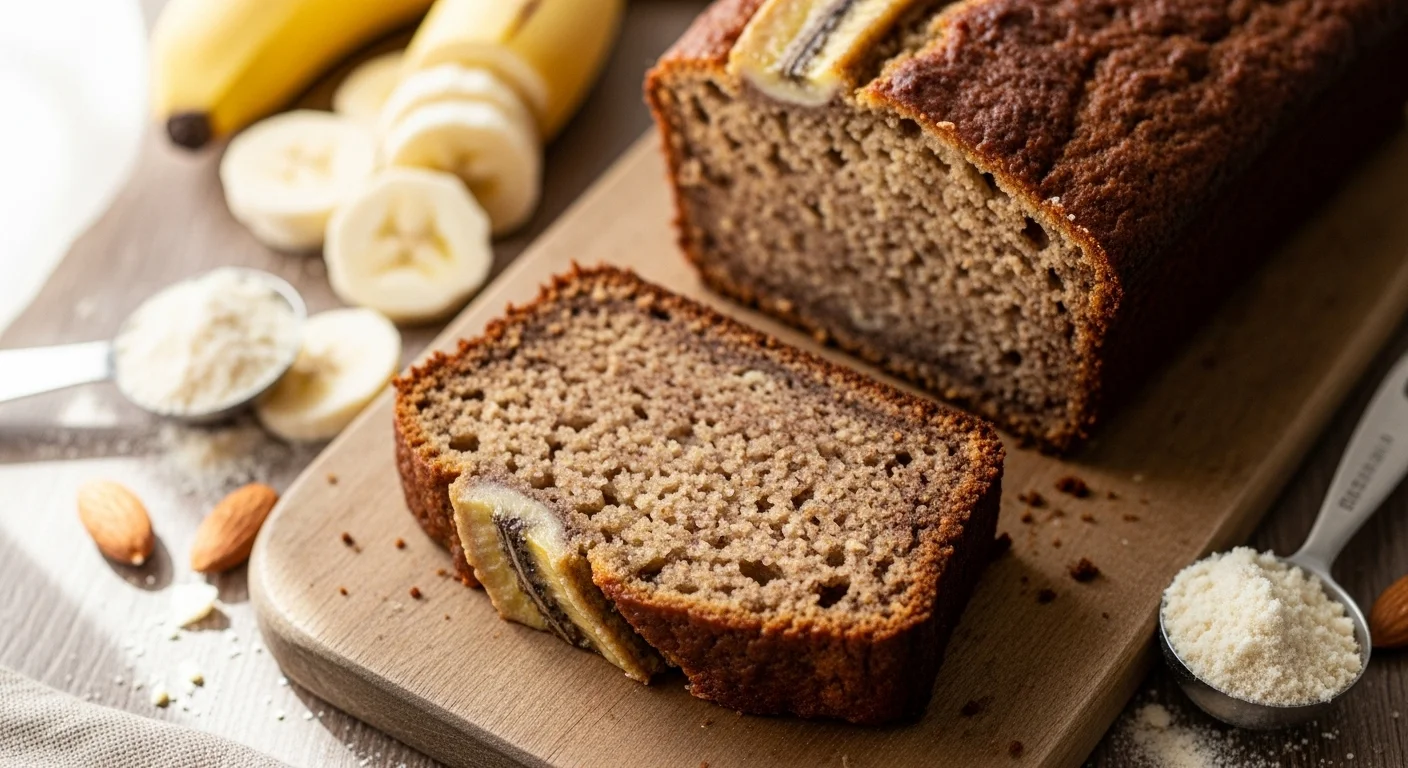
Who doesn’t love the smell of freshly baked banana bread wafting through the kitchen? This incredibly moist gluten-free banana bread recipe is not only delicious but also simple to make, ensuring everyone can enjoy a slice! If you’re looking for more healthy baking ideas, check out Guilt-Free Indulgence: The 8 Best Healthy Zucchini Bread Recipes.
Understanding Gluten-Free Baking
What is Gluten-Free Baking?
When I first ventured into gluten-free baking, I was a bit overwhelmed. I had heard so many stories about how tricky it could be, but I was determined to make delicious treats that everyone could enjoy, especially those with gluten sensitivities. Gluten-free baking simply means creating baked goods without wheat or any gluten-containing ingredients. Instead, we rely on alternative flours and binders. The goal is to achieve that delightful texture and flavor we all love in traditional recipes, and it’s totally possible with a little knowledge and practice.
Common Gluten-Free Flours for Banana Bread
One of the most exciting parts about gluten-free baking is experimenting with different flours. I’ve found that certain combinations can yield the best results for banana bread. Some common gluten-free flours include:
- Almond Flour: This is a favorite of mine for its mild flavor and light texture. It adds a nutty richness to the bread.
- Coconut Flour: Coconut flour is absorbent and provides a slight sweetness, but I recommend using it in moderation.
- Oat Flour: Ground from gluten-free oats, this flour gives a hearty texture and a comforting taste.
- Brown Rice Flour: This is a great base flour that blends well with others to create a nice structure.
I often use a blend of these flours, which not only enhances the flavor but also helps achieve that perfect moist texture in my banana bread. For more variations on healthy baking, consider trying Blueberry French Toast Casserole: Effortless & Fruity Perfection.
How Gluten-Free Ingredients Affect Texture and Moisture
When baking without gluten, understanding how different ingredients interact is crucial. Gluten provides structure and elasticity, so when we replace it, we need to think about how to achieve a similar result. I noticed that adding ingredients like yogurt or applesauce not only adds moisture but also helps bind the batter together. This is essential because gluten-free batters can sometimes end up dry or crumbly if we’re not careful.
Another factor is the rise. I often use baking soda and vinegar to create a reaction that helps the bread rise and gives it a nice fluffy texture. It’s fascinating how a few adjustments in ingredients can lead to a completely different outcome!
Key Ingredients for Incredibly Moist Gluten-Free Banana Bread
Ripe Bananas: The Foundation of Flavor
Using ripe bananas is non-negotiable in my banana bread. I always wait until the peels are speckled with brown spots because that’s when they are at their sweetest and most flavorful. The natural sugars in ripe bananas contribute to the bread’s moisture and sweetness, making them the star of the recipe. I remember the first time I used overripe bananas; I was amazed at how rich and flavorful the bread turned out. It really set the tone for my future baking adventures!
Gluten-Free Flour Blends: Choosing the Right One
Choosing the right gluten-free flour blend can make or break your banana bread experience. I prefer to use a blend that includes a mix of flours with some starch for binding and moisture retention. There are many store-bought blends that work perfectly, but I also enjoy making my own. In my case, I combine almond flour, brown rice flour, and tapioca starch for a light and fluffy texture. Experimenting to find the right combination for my taste has been a fun journey, and I encourage you to do the same!
Binding Agents: Eggs vs. Flaxseed Meal
Binding agents are crucial in gluten-free baking because they help hold everything together. I typically use eggs, which also add moisture and richness. However, for a vegan option, flaxseed meal can work wonders. My first time substituting eggs with flaxseed meal was a bit nerve-wracking, but the result was surprisingly delicious! I mix one tablespoon of flaxseed meal with three tablespoons of water and let it sit for a few minutes until it thickens. This creates a perfect binding agent for my banana bread without sacrificing taste or texture.
Moisture Enhancers: Yogurt, Applesauce, and Nut Butters
To elevate the moisture content in my banana bread, I often add yogurt or applesauce. Both ingredients are fantastic at keeping the bread tender and moist. Yogurt adds a slight tanginess, which I love, while applesauce contributes natural sweetness. On days when I want to go all out, I’ll even add a dollop of almond butter, which not only enhances flavor but also provides healthy fats. Trust me; these little additions can take your banana bread to the next level!
Sweeteners: Natural vs. Refined Options
Sweetening my banana bread can be a fun choice. While ripe bananas provide a natural sweetness, I sometimes add a little maple syrup or honey for depth. I prefer natural sweeteners because they bring out the flavors beautifully and keep the bread moist. I remember trying refined sugars once, and it just didn’t compare. For me, the goal is to create something wholesome that feels good to eat, and using natural sweeteners fits right into that philosophy.
Add-ins: Nuts, Chocolate Chips, or Dried Fruits
Lastly, I can’t stress enough how fun it is to customize your banana bread with add-ins! I love tossing in walnuts or pecans for a satisfying crunch, or dark chocolate chips for a decadent treat. Dried fruits like raisins or cranberries can also add a lovely chewiness. Each time I make a batch, I like to switch it up, and it always feels like a new treat. I’ve even tried adding spices like cinnamon or nutmeg for an extra flavor boost, which is delightful!
Step-by-Step Recipe for Moist Gluten-Free Banana Bread
Preparation: Gathering Your Ingredients
Before diving into the baking process, I always make sure I have all my ingredients on hand. It makes the whole experience smoother and more enjoyable. Here’s what you’ll need for my favorite gluten-free banana bread:
- 3 ripe bananas, mashed
- 1/3 cup melted coconut oil (or vegetable oil)
- 1/2 cup yogurt (or applesauce for a vegan option)
- 2 large eggs (or flaxseed meal mixed with water for a vegan alternative)
- 1 cup gluten-free flour blend
- 1/2 teaspoon baking soda
- 1 teaspoon baking powder
- 1 teaspoon cinnamon (optional)
- 1/2 cup maple syrup or honey
- 1/2 cup nuts, chocolate chips, or dried fruits (optional)
Once I have everything laid out, I feel a sense of excitement; I know a delicious treat is just around the corner!
Instructions: Mixing the Ingredients
Now, onto the fun part! I recommend following these steps for perfectly mixed banana bread:
- Preheat the oven: I always preheat my oven to 350°F (175°C) so it’s hot and ready to bake.
- Mix the wet ingredients: In a large bowl, I mash the ripe bananas with a fork until smooth. Then, I whisk in the melted coconut oil, yogurt, and eggs (or flaxseed mixture). The combination should be creamy and well-blended.
- Combine the dry ingredients: In another bowl, I mix the gluten-free flour blend, baking soda, baking powder, and cinnamon. This helps distribute the leavening agents evenly.
- Combine wet and dry: I gradually add the dry ingredients to the wet mixture, stirring gently until just combined. It’s important not to overmix; I want to keep that lovely texture!
- Add sweeteners and mix-ins: Finally, I fold in the maple syrup or honey, along with any nuts, chocolate chips, or dried fruits. This is where I get creative, and I always look forward to the delightful surprises in every bite!
Baking: Optimal Temperature and Time
With the batter ready, it’s time to pour it into a greased loaf pan. I usually use an 8×4-inch pan, which fits the recipe perfectly. I smooth the top with a spatula and pop it in the oven. The bread typically bakes for about 50-60 minutes. I love the anticipation during this time as the aroma fills my kitchen!
To check for doneness, I insert a toothpick into the center; if it comes out clean or with a few crumbs, it’s ready. If not, I let it bake for an additional 5-10 minutes, keeping a close eye on it.
Cooling: Importance of Allowing Bread to Rest
After pulling my banana bread out of the oven, I let it cool in the pan for around 10 minutes before transferring it to a wire rack. This step is crucial—allowing the bread to cool completely enhances its flavor and texture. I often find myself sneaking a slice while it’s still warm, but I’ve learned that patience rewards me with a better slice later!
Once cooled, I slice it up and enjoy it plain or with my favorite toppings. There’s something so satisfying about serving a freshly baked loaf, and I love sharing it with friends and family. They can’t believe it’s gluten-free!
Variations of Gluten-Free Banana Bread
Chocolate Chip Gluten-Free Banana Bread
One of my absolute favorite twists on the classic recipe is adding chocolate chips. I can’t resist the melty goodness that blends perfectly with the banana flavor. I usually add about 1/2 cup of dark chocolate chips to the batter, and it transforms the bread into a decadent treat. Every bite feels like a little indulgence!
Nuts and Seeds Addition
If I’m in the mood for something crunchy, I love adding nuts and seeds. Walnuts, pecans, or even sunflower seeds can elevate the texture and add a satisfying crunch. I typically toss in about 1/2 cup of chopped nuts. It not only enhances the flavor but also packs in some extra nutrients.
Vegan Gluten-Free Banana Bread
For those times when I want to make a vegan version, I simply swap the eggs for flaxseed meal mixed with water, as mentioned earlier. I also use a plant-based yogurt instead of dairy yogurt. The result is just as delicious and moist, ensuring that everyone can enjoy this delightful bread!
Spices and Flavor Enhancements
Sometimes, I like to play around with spices to give my banana bread an extra kick. Cinnamon is my go-to, but I’ve also experimented with nutmeg, ginger, and even a dash of vanilla extract. Each spice adds a unique depth of flavor, and it’s amazing how a little bit can change the entire profile of the bread!
Common Issues and Solutions in Gluten-Free Baking
Why is My Banana Bread Dense?
One of the most frustrating things I’ve encountered in my gluten-free baking journey is making banana bread that turns out dense instead of fluffy. I remember the first time I pulled out a loaf that looked promising, only to find it heavy and compact. After some experimenting, I discovered a few reasons this might happen. One common culprit is using too much flour. Gluten-free flours absorb moisture differently than regular flour, so it’s essential to measure accurately. I now use a kitchen scale for better precision.
Another factor can be overmixing the batter. While I love mixing away, I’ve learned that gluten-free batters need a gentle hand. Overmixing can lead to a denser bread because it develops the structure differently. I now mix just until combined for the best results. Lastly, make sure that your leavening agents are fresh; expired baking soda or powder can affect the rise significantly. A light and fluffy loaf is always the goal!
How to Keep Banana Bread Moist After Baking
Keeping banana bread moist can be a challenge, especially as it cools. I’ve had my fair share of loaves that dried out too quickly, and it’s disappointing! One trick I’ve learned is to wrap the cooled bread in plastic wrap or aluminum foil. This seals in moisture and keeps the bread tender for longer. I often store my banana bread in an airtight container, and it remains delightful for days.
Another tip involves adding a bit more moisture to the batter. Incorporating yogurt or applesauce not only enhances the flavor but also helps the bread stay moist after baking. If I’m feeling adventurous, I sometimes add a tablespoon of honey or maple syrup directly into the mix for extra moisture. It’s amazing how a small adjustment can make such a big difference!
Dealing with Crumbly Texture
Crumbly banana bread can be disappointing, especially when you’re looking forward to that perfect slice. I’ve faced this issue a few times and learned that it often comes down to our binding agents. If I forget to add enough eggs or a suitable substitute like flaxseed meal, the bread lacks cohesion. I’ve found that ensuring I have the right amounts of binding agents is crucial for a satisfying texture.
Another reason for crumbliness might be the flour blend. Some gluten-free flour blends don’t provide enough structure, leading to a fragile loaf. I recommend experimenting with different blends and finding one that works best for you. Additionally, adding moisture enhancers, like nut butters or applesauce, can help create a more cohesive texture. Every time I get it right, it feels like a little victory!
Storage Tips for Gluten-Free Banana Bread
Best Practices for Storing Banana Bread
After all the effort put into baking, I want to ensure that my banana bread stays fresh and delicious for as long as possible. My go-to method is to wait for the bread to cool completely before storing it. Once cooled, I wrap it tightly in plastic wrap or aluminum foil to keep air out and moisture in. I’ve found that this simple step makes a huge difference in maintaining the bread’s texture.
For everyday storage, I usually keep my banana bread at room temperature, especially if I’m planning to eat it within a few days. However, if I know I won’t finish it within that time frame, I pop it in the fridge. I’ve learned that the refrigerator can extend its life, though it may slightly alter the texture. To enjoy it at its best, I like to warm it up quickly in the microwave before eating!
Freezing Banana Bread: Steps and Tips
If I ever have more banana bread than I can eat, freezing is my favorite option. It’s super simple! First, I slice the bread into individual portions. This makes it easy to grab just what I need without defrosting the whole loaf. I wrap each slice tightly in plastic wrap, and then I place them in a freezer-safe bag. I’ve found that labeling the bag with the date helps me keep track of how long it’s been in the freezer.
When I’m ready to enjoy a slice, I simply take it out and let it thaw at room temperature for about an hour. If I’m in a hurry, I’ll microwave it for about 15-20 seconds, and it tastes just like fresh-baked banana bread again. It’s such a treat to have a homemade snack ready to go!
How Long Does Gluten-Free Banana Bread Last?
Understanding how long my banana bread lasts is vital for planning. Typically, I find that gluten-free banana bread stays fresh at room temperature for about 3-4 days. When refrigerated, it can last up to a week. However, if I freeze it properly, it can last for about 2-3 months! I love knowing that I can whip out a slice whenever the craving strikes, even weeks later.
Every time I take a bite of that frozen slice, it brings back memories of that delightful baking day. Being able to savor homemade goodness any time I want makes all the effort worthwhile!
Serving Suggestions for Banana Bread
Delicious Toppings: Butter, Nut Butters, or Cream Cheese
The best part about banana bread, in my opinion, is how versatile it is when it comes to toppings! Sometimes, I enjoy it plain, but I often find myself slathering a little butter on a warm slice. The way it melts into the bread is pure bliss. On other days, I’ll reach for nut butter—almond or peanut butter are my favorites. They add a rich, nutty flavor that complements the sweetness of the banana so well.
If I’m feeling a bit indulgent, cream cheese is another favorite topping of mine. The creaminess pairs perfectly with the moist bread, and it feels like a special treat. I even like to add a sprinkle of cinnamon or a drizzle of honey on top for an extra touch. Each topping creates a new experience, and I love discovering new combinations!
Pairing Banana Bread with Beverages
No banana bread experience is complete without the perfect drink to accompany it. Personally, I love pairing my banana bread with a warm cup of tea or coffee. The rich flavors of the coffee enhance the sweetness of the bread beautifully. On a cozy morning, I might even choose a latte—there’s something about the creaminess that just elevates the whole experience.
For a lighter option, a glass of almond milk or a refreshing fruit smoothie makes a delightful pair as well. Sometimes, I even whip up a smoothie with bananas, spinach, and a splash of orange juice for a bright complement to my slice of banana bread. It’s amazing how the right beverage can enhance those comforting flavors and create a truly enjoyable moment!
Frequently Asked Questions
What is gluten-free baking?
Gluten-free baking means creating baked goods without wheat or any gluten-containing ingredients, using alternative flours and binders to achieve a similar texture and flavor as traditional recipes.
What are some common gluten-free flours for banana bread?
Common gluten-free flours include almond flour, coconut flour, oat flour, and brown rice flour. A blend of these flours can enhance flavor and achieve a moist texture in banana bread.
How do different ingredients affect the texture of gluten-free banana bread?
Without gluten, ingredients like yogurt or applesauce can add moisture and help bind the batter. Additionally, using baking soda and vinegar can create a reaction that helps the bread rise and achieve a fluffy texture.
Why are ripe bananas important in banana bread?
Ripe bananas are crucial for flavor and moisture. They should be used when the peels are speckled with brown spots, as their natural sugars contribute to the sweetness and richness of the banana bread.
What are some binding agents I can use in gluten-free baking?
Eggs are commonly used as binding agents in gluten-free baking, but flaxseed meal can also serve as a vegan alternative. To use flaxseed meal, mix one tablespoon with three tablespoons of water and let it thicken.
What are some moisture enhancers for my banana bread?
Yogurt, applesauce, and nut butters are excellent moisture enhancers. Yogurt adds a tangy flavor, while applesauce contributes sweetness, and nut butters bring both flavor and healthy fats.
How can I customize my banana bread with add-ins?
Add-ins such as nuts, chocolate chips, or dried fruits can be mixed into the batter for added texture and flavor. Spices like cinnamon or nutmeg can also enhance the overall taste of the banana bread.
What should I do if my banana bread turns out dense?
Dense banana bread can result from using too much flour, overmixing the batter, or using expired leavening agents. Measuring flour accurately and mixing gently can help achieve a lighter loaf.
How should I store gluten-free banana bread to keep it fresh?
Store cooled banana bread wrapped tightly in plastic wrap or aluminum foil at room temperature for a few days. For longer storage, refrigerate it or freeze it in slices to maintain freshness.
What are some delicious toppings for banana bread?
Banana bread can be enjoyed plain or with toppings such as butter, nut butters, or cream cheese. Sprinkling cinnamon or drizzling honey can also enhance the flavor of each slice.