
There’s something incredibly special about a light and airy angel food cake. This classic dessert is a delightful treat that can be enjoyed by everyone, especially when it’s gluten-free. Let’s explore the world of angel food cake together! Read Interesting article: I Finally Understand the Hype Behind the 10-Min Pasta Trick
Understanding Angel Food Cake
What is Angel Food Cake?
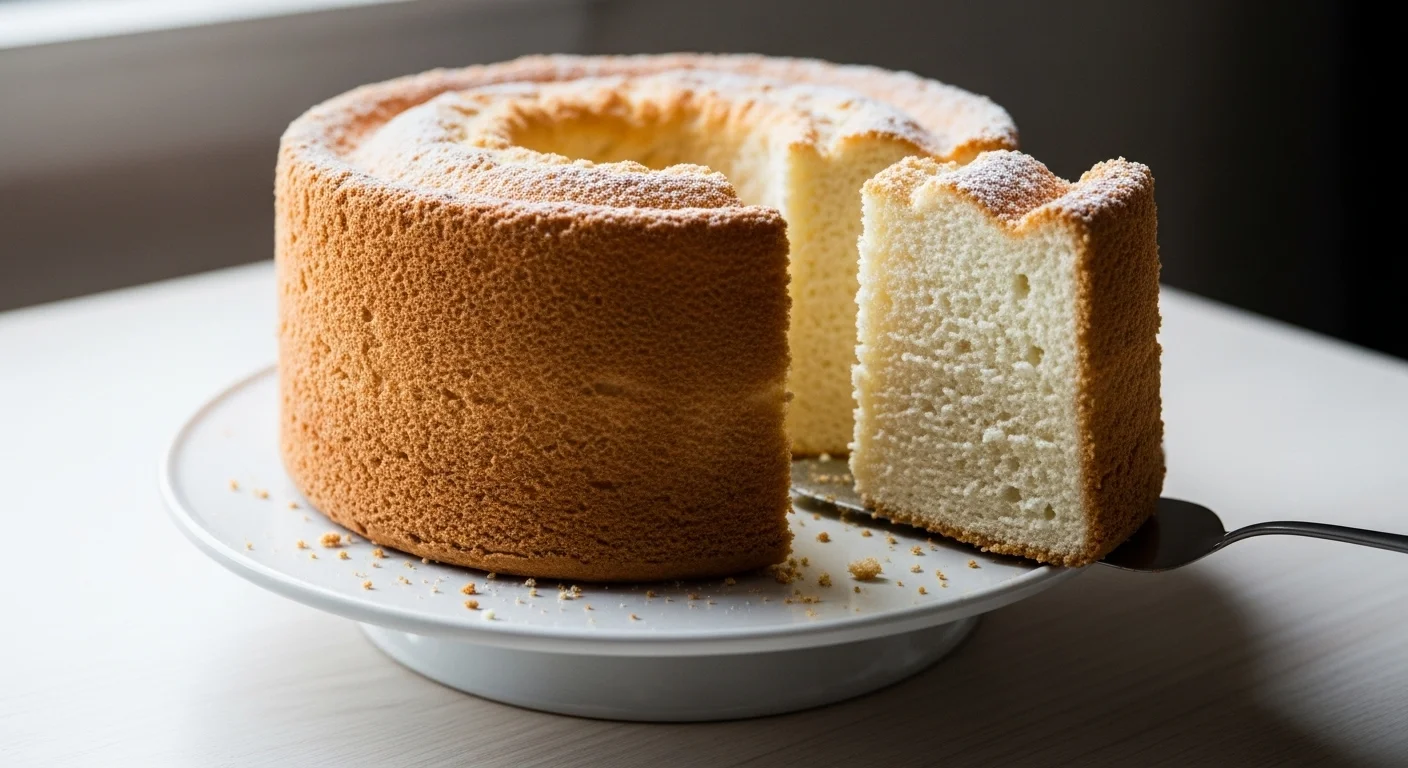
Angel food cake is a type of sponge cake that is known for its light and fluffy texture. It gets its unique structure from whipped egg whites, which are beaten until they form stiff peaks. This process allows the cake to rise without any added fat, making it incredibly airy and delicate. When you take a bite, it melts in your mouth, offering a sweet, soft experience that feels almost ethereal. I remember the first time I tried an angel food cake; it was like tasting a cloud!
History of Angel Food Cake
The history of angel food cake is as fascinating as its texture. It is said to have originated in the United States in the late 19th century. Although variations existed in other cultures, the lightness of this cake made it popular among American bakers. The name “angel food” may have come from its lightness, suggesting that it was a dessert fit for the angels. I’ve often thought about how this cake embodies the spirit of celebration, often gracing tables at special occasions. As we dive deeper into its background, it’s clear that this cake has a rich legacy that many of us cherish today.
Traditional Ingredients in Angel Food Cake
Traditional angel food cake is made with just a few simple ingredients: egg whites, sugar, flour, and a pinch of salt. The egg whites are the star here, creating that beautiful rise and texture. Sugar adds sweetness and helps stabilize the egg whites during whipping. The flour, traditionally all-purpose, contributes to the cake’s structure, while salt enhances flavor. I love how such basic ingredients can come together to create something so extraordinary! Just imagine the aroma wafting through your kitchen as it bakes, filling you with anticipation.
Why Gluten-Free?
The Benefits of Gluten-Free Baking
Choosing to bake gluten-free can be a game-changer, especially for those with gluten intolerances or sensitivities. I decided to explore gluten-free baking when I discovered that several friends had to eliminate gluten from their diets. It turns out gluten-free baking isn’t just for those with dietary restrictions; it can be a fun way to experiment with new ingredients. Gluten-free cakes can be just as delicious and fluffy as their traditional counterparts, allowing everyone to enjoy sweet treats together. Read Interesting article: This Creamy Cajun Chicken Trend Will Haunt Your Cravings
Common Gluten-Free Substitutes for Angel Food Cake
When I began my journey into gluten-free baking, I was pleasantly surprised to find a variety of substitutes that work beautifully in angel food cake. Some popular options include almond flour, coconut flour, and gluten-free all-purpose flour blends. Each of these options brings its own unique flavor and texture to the cake. I often recommend trying a blend that contains xanthan gum, as it helps mimic the elasticity of gluten, providing that much-needed structure. It took me a few tries, but I eventually found my favorite blend that made my gluten-free angel food cake rise beautifully.
Understanding Gluten Sensitivity and Celiac Disease
Gluten sensitivity and celiac disease are more common than many people realize. I’ve seen firsthand how avoiding gluten can dramatically improve someone’s quality of life. Celiac disease is an autoimmune disorder that causes the body to react negatively to gluten, leading to various health issues when gluten is consumed. For those with gluten sensitivity, the reactions can range from mild to severe. I believe that understanding these conditions not only creates empathy but also encourages more inclusive baking practices. We want everyone to experience the joy of a delicious dessert, right?
Key Ingredients for Gluten-Free Angel Food Cake
Egg Whites: The Key to Lightness
When it comes to angel food cake, egg whites are not just an ingredient; they’re the heart and soul of this dessert. I’ve spent many afternoons whipping egg whites into a frothy, airy cloud, and it’s almost meditative. The trick is to ensure they’re at room temperature before you start whipping. This helps them achieve their maximum volume. I remember the first time I thought I had over-whipped them, only to find that they created the fluffiest cake I’d ever tasted. It’s amazing how these little proteins can transform into something so delightful!
Gluten-Free Flour Options
Finding the right gluten-free flour for angel food cake can feel a bit overwhelming, but it’s a fun journey! I’ve tried several flour blends, and my favorites include almond flour and a high-quality gluten-free all-purpose flour blend. Each brings a different texture and flavor to the table. For instance, almond flour gives the cake a nutty flavor that I absolutely love, while a well-balanced blend can mimic traditional flour’s properties. I’ve learned that it’s essential to check the ingredients in your blend; look for those that contain xanthan gum or other binding agents to help maintain the cake’s structure.
Sweeteners: Sugar vs. Alternatives
Traditional angel food cake relies on granulated sugar for sweetness and stability. However, if you’re looking to cut down on sugar or explore alternatives, there are options. I’ve experimented with coconut sugar and even agave nectar. While they can work, I found that they often change the texture or flavor in ways I didn’t expect. If you decide to go this route, I recommend starting with a half-and-half mix of granulated sugar and your chosen sweetener to maintain that airy quality while reducing sugar content. It’s all about finding that balance that works for your taste buds!
Flavorings and Enhancements (Vanilla, Almond Extract)
No angel food cake is complete without a touch of flavor, and this is where your personality can shine through. I adore adding vanilla extract, which complements the sweetness of the cake beautifully. Sometimes, I even add a splash of almond extract for a nutty twist that elevates the flavor profile. The key is to use quality extracts; I’ve found that they make a significant difference in the final taste. A couple of teaspoons can transform a simple cake into something much more memorable. I remember serving a vanilla-almond angel food cake at a family gathering, and the compliments just kept coming!
Step-by-Step Recipe for Gluten-Free Angel Food Cake
Preparation: Tools and Equipment Needed
Before diving into the baking process, it’s essential to gather the right tools. I remember the first time I made angel food cake; I didn’t have a proper tube pan, and it made a world of difference. You’ll need a 10-inch tube pan, a mixing bowl, and a hand or stand mixer. Don’t forget a rubber spatula for folding in the flour! I also recommend having a sifter on hand, as it helps to aerate the gluten-free flour, ensuring your cake turns out light and fluffy.
Mixing the Batter
Once you have your tools ready, start by preheating your oven to 350°F. Next, whip those egg whites until they form stiff peaks; this can take about 5 to 10 minutes with a stand mixer. It’s one of my favorite parts because you can see the transformation happening right in front of you! After that, gently fold in the sifted gluten-free flour and sugar mixture. I’ve learned that using a folding motion instead of stirring helps keep the air in the batter, which is crucial for that ethereal texture we love. It’s a delicate dance, but so rewarding!
Baking Instructions
Pour the batter into your prepared tube pan and use a spatula to smooth the top. It’s important to bake the cake without greasing the pan—trust me on this! The cake needs to cling to the pan to rise properly. Bake for about 30-35 minutes or until the top is golden brown and springs back when lightly touched. The aroma wafting through your kitchen during this time is nothing short of heavenly. I often find myself pacing, eagerly waiting for the cake to rise!
Cooling and Serving the Cake
Once baked, it’s crucial to cool the cake upside down. This allows it to maintain its height and lightness. I use a bottle to prop the center of my tube pan, letting gravity do its thing. After about an hour, the cake should be completely cool. Gently run a knife around the edges to release it from the pan. When you finally slice into it, you’re rewarded with a beautiful, fluffy texture. I love serving it with fresh berries and a dollop of whipped cream; it’s such a classic combination that never fails to impress!
Tips for Perfecting Your Angel Food Cake
Avoiding Common Baking Mistakes
As I’ve navigated the world of baking angel food cake, I’ve stumbled upon a few common mistakes that can really throw a wrench in the process. One of the biggest pitfalls is leaving any yolk in the egg whites. Even the tiniest speck of yolk can prevent the egg whites from whipping up to their full potential. I remember the frustration of watching my egg whites refuse to fluff up because of a rogue yolk. So, I always crack my eggs into a separate bowl before adding them to the mixing bowl. It’s a small step that makes a big difference!
Another mistake to avoid is not sifting the flour. Sifting helps aerate the flour, which is crucial for that light, fluffy texture we’re aiming for. I’ve learned that this step adds an extra layer of airiness to the cake. Oh, and be careful not to overmix the batter after folding in the flour. I’ve found that gentle folding is key to preserving the air pockets created by the whipped egg whites. Remember, we’re not trying to deflate all that hard work!
How to Achieve the Perfect Texture
Achieving that perfect texture is truly an art form. I’ve discovered that the temperature of your ingredients plays a significant role. Make sure your egg whites are at room temperature; they whip up better and create that airy structure we love. I also like to use a clean, dry bowl when whipping the egg whites. Any trace of grease can hinder their ability to reach stiff peaks. It’s like creating a little magic in your kitchen!
Another tip that has worked wonders for me is to let the cake cool upside down. This is a game-changer! Cooling it in this position prevents it from collapsing as it cools down. I remember the first time I neglected this step and ended up with a sad, flat cake. Now, I always ensure it’s propped upside down, allowing gravity to work its magic. Trust me; it’s worth the extra effort!
Using the Right Pan for Baking
The pan you choose can make all the difference in your angel food cake’s success. I can’t stress enough how important it is to use a tube pan. The central tube allows the cake to rise evenly and provides the necessary support as it bakes. I made the mistake once of using a regular cake pan, and the results were less than stellar. It just didn’t have the same rise or texture!
Make sure your pan is ungreased as well. While it might seem counterintuitive, the batter actually needs to cling to the sides of the pan to rise properly. I remember being hesitant when I first tried this method, but the results were fantastic. A perfectly fluffy cake is worth that little leap of faith!
Serving Suggestions and Pairings
Frosting and Toppings (Whipped Cream, Berries)
Once your angel food cake is ready, it’s time to think about how to serve it. I find that keeping it simple often leads to the most delightful results. A dollop of freshly whipped cream is a classic choice that never fails to impress. The lightness of the cream complements the airy cake perfectly. I sometimes add a touch of vanilla to the whipped cream for an extra flavor boost!
Fresh berries are another favorite of mine. Strawberries, blueberries, and raspberries not only add a pop of color but also bring a refreshing tartness that balances the sweetness of the cake. I often layer the cake with whipped cream and berries for a beautiful presentation. It’s like creating a little masterpiece on a plate! You can even add a drizzle of fruit coulis for a touch of elegance.
Serving Ideas for Special Occasions
Angel food cake is a great choice for special occasions. Whether it’s a birthday, holiday, or just a gathering with friends, this dessert has a way of elevating any celebration. I love to serve it at summer barbecues, pairing it with a fruit salad or a berry compote. It feels light and festive, making it perfect for warmer weather.
For more formal gatherings, consider serving individual slices of angel food cake on elegant dessert plates, topped with a sprig of mint. It adds a touch of sophistication that impresses guests. I once hosted a dinner party where I served mini angel food cakes with assorted toppings, allowing everyone to customize their dessert. It was a hit, and I loved seeing all the creative combinations! Read Interesting article: 6 Recipes for the Perfect Happy Hour at Home
Storing Leftovers: Best Practices
If you happen to have any leftover angel food cake (which, let’s be honest, is rare in my house), it’s important to store it properly to maintain its light texture. I recommend wrapping it in plastic wrap to keep it fresh. Just make sure to let it cool completely before wrapping to avoid condensation, which can make it soggy.
For longer storage, you can freeze the cake. I’ve done this a few times and found it works beautifully! To freeze, slice the cake into portions and wrap each slice tightly in plastic wrap. Then, place them in an airtight container. When you’re ready to enjoy a slice, just let it thaw at room temperature. It’s a wonderful way to have a delicious dessert on hand for unexpected guests or cravings!
Variations on the Classic Recipe
Chocolate Gluten-Free Angel Food Cake
I love a good chocolate dessert, and when it comes to angel food cake, incorporating chocolate can take this classic to another level. To make a chocolate gluten-free angel food cake, I usually start by adding cocoa powder to the gluten-free flour blend. I recommend using unsweetened cocoa powder so that it doesn’t throw off the cake’s sweetness. The key here is to sift the cocoa powder with the flour to ensure even distribution. The result is a light and airy chocolate cake that satisfies my chocolate cravings without feeling heavy. I remember serving this at a dinner party, and it disappeared in no time!
Citrus-Flavored Angel Food Cake
There’s nothing quite like the bright and zesty flavor of citrus to elevate angel food cake. I’ve experimented with lemon and orange zest, and both add fantastic freshness. For a citrus-flavored angel food cake, I usually add the zest of one large lemon or orange to the batter, along with a bit of fresh juice. This not only enhances the flavor but also gives the cake a beautiful aroma while it bakes. I’ve paired this version with a citrus glaze or just a dusting of powdered sugar for a light finish, and it’s always a hit during spring and summer gatherings.
Seasonal Variations (Pumpkin, Berry)
Seasonal variations are one of my favorite ways to keep things interesting. In the fall, I love making a pumpkin angel food cake. I simply add pumpkin puree and pumpkin pie spice to the batter. The result is a delightful twist that celebrates the flavors of the season. It’s light yet packed with flavor, making it perfect for Thanksgiving or any autumn gathering. Similarly, in the summer, I often whip up a berry-infused angel food cake. I use fresh berries, like mashed strawberries or blueberries, mixed into the batter, lending a lovely color and flavor. I find that these seasonal touches help keep my baking fresh and exciting!
Frequently Asked Questions (FAQs)
Can I make Angel Food Cake ahead of time?
Absolutely! I’ve made angel food cake a day in advance for special occasions. Just make sure to store it properly. I recommend wrapping it in plastic wrap after it’s completely cooled to keep it fresh. It actually tastes great the next day, as the flavors have had time to settle!
How do I store gluten-free angel food cake?
Storing gluten-free angel food cake is similar to traditional cake. Be sure to let it cool completely before wrapping it in plastic wrap. This prevents any moisture from getting trapped and making it soggy. If you want to keep it for a longer period, consider freezing it. I often slice it into portions and store them in an airtight container. It’s so convenient to have a slice ready to go when a sweet craving strikes!
Can I use egg replacers in this recipe?
While I personally haven’t tried using egg replacers in angel food cake, I’ve seen others experiment with it—especially those who follow a vegan diet. If you decide to go this route, I recommend looking for a replacer that mimics egg whites, such as aquafaba (the liquid from canned chickpeas). It can whip up quite nicely, but I would suggest testing it out first to see how it affects the texture.
What can I do if my cake collapses?
A collapsed angel food cake can be disheartening, but it happens to the best of us! If your cake collapses, it could be due to a few factors—like not whipping the egg whites enough or not cooling it upside down. If it does collapse, don’t fret too much. You could turn it into a trifle by layering the cake with whipped cream and fruit. I’ve done this before, and it turned out delicious! It’s a creative way to salvage the cake and still enjoy a delightful dessert.
Final Thoughts
Angel food cake, particularly in its gluten-free form, is a wonderful dessert that can truly bring people together. Whether you’re celebrating a special occasion or just enjoying a quiet afternoon treat, this cake can fit any moment. I love how versatile it is; with simple variations, you can create an array of flavors that suit any palate and season. From the airy texture to the delightful toppings, every bite is a reminder of the joy that baking can bring. I hope you feel inspired to try whipping up your own gluten-free angel food cake, exploring the variations, and sharing it with loved ones. Happy baking!
Frequently Asked Questions
What is Angel Food Cake?
Angel food cake is a type of sponge cake known for its light and fluffy texture, created primarily from whipped egg whites, sugar, flour, and a pinch of salt. It rises without added fat, resulting in an airy and delicate cake that melts in your mouth.
Can I make Angel Food Cake ahead of time?
Absolutely! You can make angel food cake a day in advance for special occasions. Just be sure to wrap it in plastic wrap after it’s completely cooled to keep it fresh. It actually tastes great the next day as the flavors have had time to settle.
How do I store gluten-free angel food cake?
Storing gluten-free angel food cake is similar to traditional cake. Let it cool completely before wrapping it in plastic wrap to prevent moisture from making it soggy. For longer storage, slice it into portions and store them in an airtight container in the freezer.
What can I do if my cake collapses?
If your angel food cake collapses, it could be due to under-whipped egg whites or not cooling it upside down. If it collapses, you can turn it into a trifle by layering the cake with whipped cream and fruit, which is a delicious way to salvage it.
Can I use egg replacers in this recipe?
While using egg replacers in angel food cake hasn’t been personally tested by the author, options like aquafaba (the liquid from canned chickpeas) might work as they can whip up nicely. It’s recommended to test it out first to see how it affects the texture.
What are common gluten-free substitutes for Angel Food Cake?
Common gluten-free substitutes for angel food cake include almond flour, coconut flour, and gluten-free all-purpose flour blends. Each brings its own unique flavor and texture, with blends containing xanthan gum providing necessary structure.
What ingredients are essential for making gluten-free Angel Food Cake?
The key ingredients for gluten-free angel food cake include egg whites, gluten-free flour (like almond or all-purpose blends), sugar, and salt. Egg whites are particularly crucial for achieving the lightness of the cake.
How should I flavor my Angel Food Cake?
You can add flavor to your angel food cake by incorporating vanilla extract, almond extract, or citrus zest. Quality extracts enhance the cake’s flavor profile, while citrus zest adds a refreshing touch.
What tools do I need for baking Angel Food Cake?
To bake angel food cake, you will need a 10-inch tube pan, a mixing bowl, and a hand or stand mixer. A rubber spatula for folding in the flour and a sifter for aerating the gluten-free flour are also recommended.
What are some serving suggestions for Angel Food Cake?
Angel food cake is best served with a dollop of freshly whipped cream and fresh berries, such as strawberries, blueberries, or raspberries. It can also be served at special occasions with elegant toppings and garnishes.