
Meal planning can transform the way I cook and eat, making my life easier and healthier. I’m excited to share my simple step-by-step guide to help you get started on this rewarding journey!
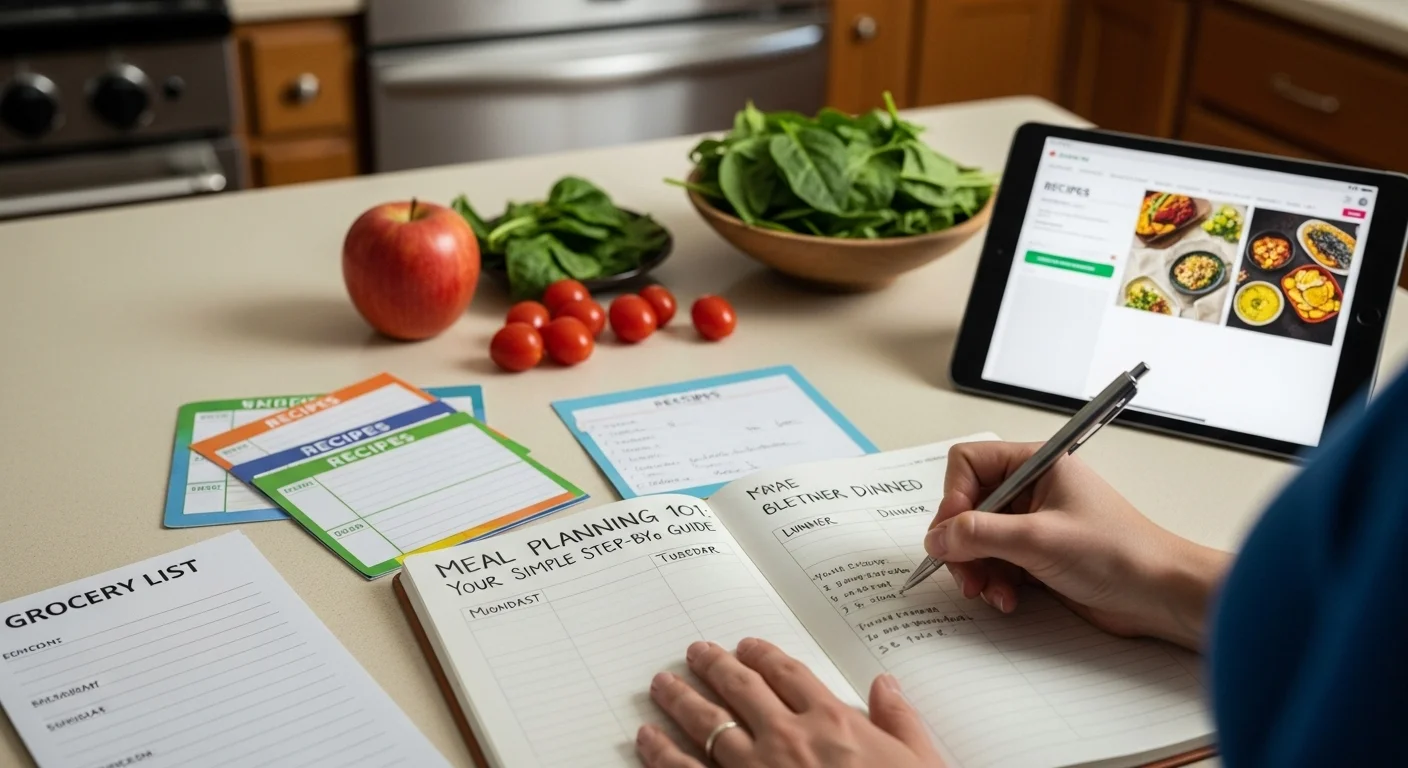
Understanding the Basics of Meal Planning
When I first heard about meal planning, I thought it was just for those who wanted to stick to strict diets or save money. However, I quickly realized that meal planning is for anyone looking to simplify their cooking routine, reduce food waste, and make healthier choices. By dedicating some time to plan my meals, I found that I could enjoy diverse foods while also saving time during the week. Here’s how I approached meal planning and how you can too!
1. Set Your Goals
Before diving into the nitty-gritty of meal planning, I found it essential to set my goals. What do I want to achieve through meal planning? Do I want to save time, eat healthier, or stick to a budget? By defining my goals, I was able to tailor my meal planning strategy to suit my lifestyle. For instance, if my primary goal was to eat healthier, I focused on incorporating more fruits, vegetables, and whole grains into my meals. If saving time was my priority, I prioritized easy-to-prepare recipes and batch cooking.
2. Assess Your Schedule
Next, I took a good look at my weekly schedule. I found that understanding when I would be busy and when I’d have more free time was crucial. I typically had more time to cook on weekends, so I planned to prepare meals during that time. For weeknights, I chose quicker recipes or meals that could be made in large batches and reheated. By aligning my meal planning with my schedule, I avoided the stress of cooking elaborate meals on busy nights.
3. Choose Your Meals
Now comes the fun part: choosing my meals! I started by browsing through my cookbooks, favorite food blogs, and even my own recipe collection. I aimed to create a balance of proteins, vegetables, and grains while also considering variety. I learned that a diverse menu not only keeps things interesting but also ensures I get a wide range of nutrients.
To make this process easier, I often relied on themes for each day of the week. For example, I designated Mondays for meatless meals, Tuesdays for tacos, and Thursdays for stir-fries. This approach sparked my creativity and simplified my planning process. I also took into account any leftovers I planned to use, ensuring nothing went to waste.
4. Create a Shopping List
Once I had my meals planned out, I created a shopping list based on the ingredients I needed. I found that organizing my list by grocery store sections (produce, dairy, grains, etc.) made my shopping trips more efficient. This simple step not only saved me time in the store but also helped me avoid impulse buys, which can derail my budget and meal plan.
I also made sure to check my pantry and fridge before heading to the store. Often, I discovered that I already had some of the ingredients I needed, which helped cut down on my grocery expenses. I kept my list handy on my phone, making it easy to check off items as I went through the store.
5. Prep in Advance
Prep day became one of my favorite days of the week. I typically chose Sundays to get everything ready for the week ahead. I would wash, chop, and portion out my fruits and vegetables, making them convenient for snacking and cooking. If I planned to make a casserole or soup, I would prepare it in advance and store it in the fridge or freezer for later use.
Batch cooking became a game-changer for me. Whenever I prepared a meal, I would double the recipe and freeze half for future meals. This practice not only saved time but also ensured that I had nutritious options ready to go during busy weeks. I discovered that dedicating a few hours to prep could save me countless hours of cooking throughout the week.
6. Stay Flexible
While having a plan is crucial, I learned that flexibility is equally important. Life can be unpredictable, and sometimes plans change. I made it a point to embrace spontaneity; if a friend invited me out for dinner or if I simply craved something different, I allowed myself to adjust my meal plan accordingly. I kept some easy-to-cook staples in my pantry, like pasta and canned beans, for those last-minute changes.
This flexibility not only kept me from feeling restricted but also made meal planning a more enjoyable experience. I learned to view meal planning as a guideline rather than a strict rulebook, which led to greater satisfaction in my cooking adventures.
7. Review and Adjust
At the end of each week, I took a moment to review my meal plan. I reflected on what worked well, what I enjoyed eating, and where I could improve. This practice helped me refine my meal planning skills and adapt my approach as needed. I also paid attention to whether I had too many leftovers or if certain meals didn’t get eaten. This feedback loop allowed me to make more informed decisions for the upcoming week, ensuring my meal planning was continuously evolving.
By following these steps, I found that meal planning became a rewarding part of my weekly routine. It allowed me to take control of my diet, save money, and enjoy cooking again. I’m excited to share more tips and strategies in the next section, so keep reading as we delve deeper into the meal planning world!
Exploring Meal Prep Techniques
As I continued my meal planning journey, I discovered that meal prep techniques could take my efforts to the next level. Learning how to effectively prepare my meals not only saved me time but also made my food taste fresher and more flavorful. Here are a few techniques that I found particularly helpful.
1. Batch Cooking
Batch cooking became one of my go-to strategies. Instead of preparing a single meal each night, I would cook larger portions of recipes that stored well. Dishes like soups, stews, and casseroles were ideal for this method. I found that cooking in bulk not only saved time but also made it easy to have healthy meals on hand whenever I needed them.
On my batch cooking days, I would often cook two or three different meals that I could store in the fridge or freezer. This practice meant that I never had to worry about what to eat during the week, and it reduced the temptation to order takeout. I also learned to label each container with the meal name and date, which helped me keep track of what I had available.
2. One-Pot Meals
One-pot meals quickly became a favorite in my kitchen. These recipes are not only easy to prepare but also minimize cleanup, which is an absolute win in my book! I loved the idea of combining all ingredients into one pot or pan, letting the flavors meld together while I went about my day. Dishes like stir-fries, sheet pan dinners, and casseroles often turned into my go-to options.
What I appreciated most about one-pot meals was their versatility. I could easily swap out ingredients based on what I had on hand. If a recipe called for chicken, but I had leftover turkey, I could make that substitution without any issues. This adaptability made meal prep a breeze and helped me reduce food waste.
3. Freezer-Friendly Meals
When I discovered the world of freezer-friendly meals, it felt like I had struck gold. I began to collect a repertoire of recipes that I could make in advance and freeze for later use. These meals were perfect for those weeks when I simply didn’t have time to cook from scratch.
Some of my favorite freezer-friendly meals included chili, lasagna, and breakfast burritos. I would prepare these meals in bulk and store them in portion-sized containers. This practice not only saved me time but also allowed me to enjoy home-cooked meals even on my busiest days. I made it a habit to keep a list of what was in my freezer, which proved helpful when I was deciding what to eat.
4. Pre-Assembly Meals
Another technique that I found beneficial was pre-assembling meals. For instance, I would prepare ingredients for salads or wraps in advance, storing them separately in the fridge. This method ensured that I had quick and healthy options available without having to do all the chopping and mixing when hunger struck.
I would often create “meal kits” for myself, where I assembled all the necessary ingredients for a meal in one container. This was perfect for lunches, as I could just grab a kit, throw everything together, and enjoy a nutritious meal within minutes. I discovered that prepping my meals in this way kept me motivated to eat healthy during hectic weeks.
5. Utilize Kitchen Gadgets
Investing in kitchen gadgets was another game-changer for me. I found that tools like slow cookers, pressure cookers, and food processors significantly sped up my meal prep process. For example, using a slow cooker allowed me to throw ingredients in at the beginning of the day and return later to a perfectly cooked meal. This hands-off approach made meal prepping feel less daunting.
Exploring different gadgets also expanded my culinary repertoire. I became more adventurous in trying new recipes and techniques, knowing that I had the right tools to support my efforts. The more I experimented, the more I learned about the endless possibilities of meal prep.
6. Organizing My Kitchen
As I embraced meal prep, I realized that organizing my kitchen was just as crucial. I made a point to keep my pantry stocked with staples that I could use across multiple recipes. By having a well-organized kitchen, I could easily find what I needed, saving time and reducing frustration during meal prep.
I also took the time to arrange my fridge in a way that made sense for my meal prep routine. I labeled shelves and designated specific areas for fruits, vegetables, proteins, and prepared meals. This organization made it simple to grab ingredients quickly and ensured that I was always using the freshest items first.
Meal prep transformed my approach to cooking and eating. By incorporating these techniques into my meal planning routine, I not only saved time but also made healthier choices effortlessly. I’m eager to share more insights and tips in the next section, so let’s keep exploring how to make meal planning work even better for you!
Final Thoughts
Meal planning has genuinely changed my life in ways I never expected. It has allowed me to take control of my eating habits, save time, and enjoy the cooking process once again. The techniques and strategies I’ve shared have proven invaluable, and I hope they inspire you to embark on your meal planning adventure. Remember, it’s all about finding what works best for you and your lifestyle. Happy cooking!