
Are you ready to indulge in something truly delightful? Melt-in-your-mouth almond flour shortbread cookies are the perfect treat for anyone looking for a gluten-free option that doesn’t compromise on flavor or texture. Let’s dive into the world of these irresistible cookies!
What Are Almond Flour Shortbread Cookies?
Definition and Characteristics
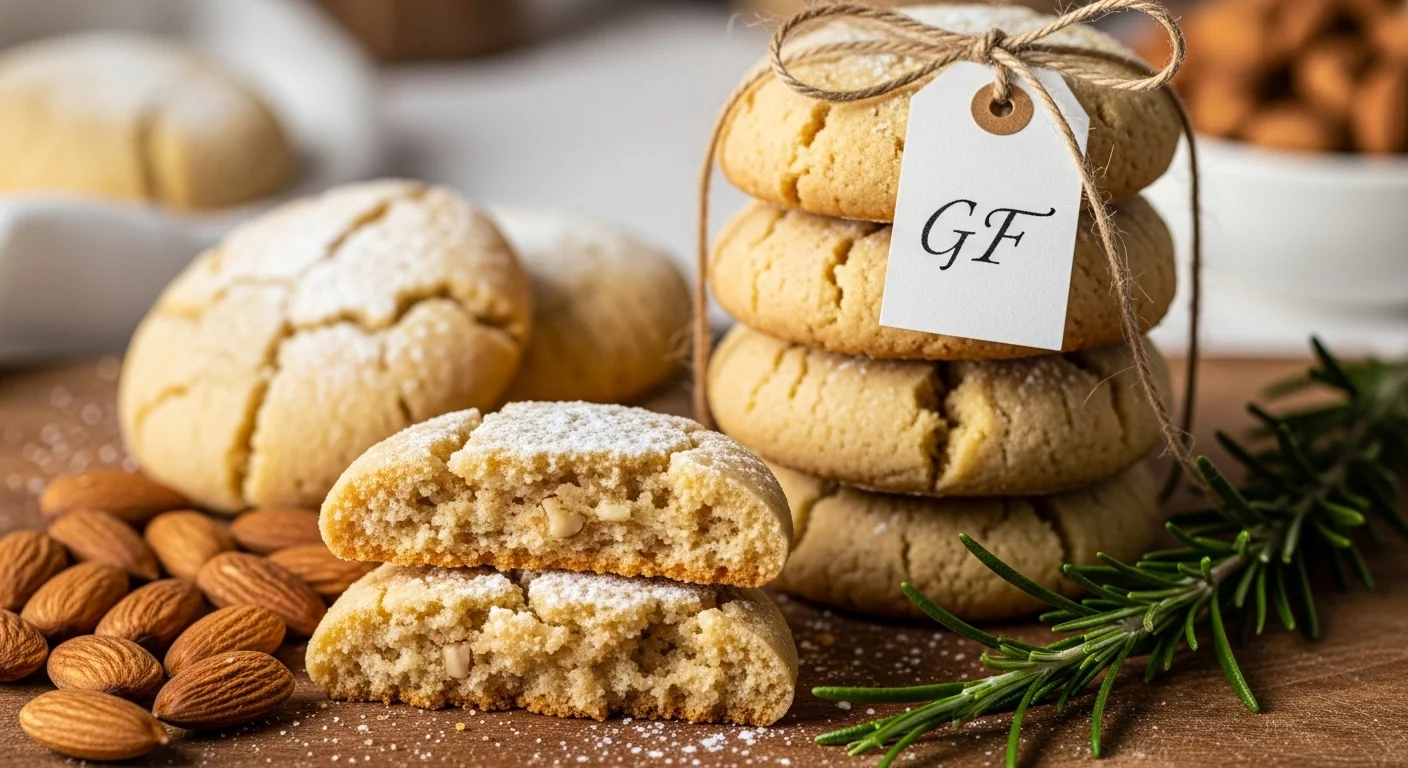
Almond flour shortbread cookies are a delightful twist on the classic shortbread we know and love. Instead of using traditional wheat flour, these cookies use almond flour, which gives them a unique flavor and texture. When I first tried making these cookies, I was amazed by how buttery and crumbly they turned out. The almond flour not only adds a nutty flavor but also makes the cookies incredibly soft and melt-in-your-mouth. They have a slightly sandy texture that just makes them feel luxurious with every bite. If you’re looking for something that feels special for a gathering or just a cozy night in, these cookies are perfect! For another delicious gluten-free treat, check out our Classic Gluten-Free Anzac Biscuits (Chewy Oat Cookies).
Why Choose Almond Flour?
Choosing almond flour has been a game changer in my baking adventures. First and foremost, it’s gluten-free, making it a fantastic choice for anyone with gluten sensitivities or celiac disease. I remember when I was hosting a friend who had these dietary restrictions; I wanted to whip up a treat that everyone could enjoy. Almond flour came to my rescue! Beyond its health benefits, almond flour is rich in healthy fats, protein, and vitamin E, which are great for our bodies. Plus, it adds a natural sweetness and depth of flavor that regular flour just can’t compete with. I believe that choosing almond flour elevates the cookie experience while ensuring we’re making a healthier choice.
Ingredients for Melt-In-Your-Mouth Almond Flour Shortbread Cookies
Almond Flour: Benefits and Types
When it comes to almond flour, I’ve learned there are a few different types available. You can find blanched almond flour, which is made from almonds with the skins removed, giving it a finer texture that’s perfect for baking. Then there’s almond meal, which includes the skins and has a coarser texture. For these cookies, I recommend using blanched almond flour. It gives a smoother cookie that melts beautifully in your mouth. Additionally, almond flour is packed with nutrients, making it not just a delicious choice but also a smart one for our health.
Sweeteners: Granulated Sugar vs. Alternatives
Now let’s talk sweeteners. Most traditional shortbread recipes call for granulated sugar, and I often find myself reaching for it. However, I’ve experimented with various alternatives like coconut sugar and maple syrup. Each brings a different flavor profile to the cookies. Granulated sugar gives that classic sweetness we all know, but if I want a more caramel-like flavor, I’ll go for coconut sugar. It’s all about personal preference. I recommend trying both to see which one you like better! In my experience, adjusting the sweetener can completely change the cookie’s character.
Additional Flavorings: Vanilla, Salt, and More
Flavorings are where you can really get creative! I love adding a splash of vanilla extract to my dough; it enhances the overall flavor and makes the cookies taste even more gourmet. A pinch of salt is essential too; it balances the sweetness and brings out the flavors. I’ve also played around with adding almond extract for an extra almond punch. If you want to spice things up, consider adding a dash of cinnamon or nutmeg, especially around the holidays. These little tweaks can make your cookies truly unique and tailored to your taste.
Step-by-Step Recipe for Almond Flour Shortbread Cookies
Preparation: Tools and Equipment Needed
Before we get started on the recipe, let’s gather the tools and equipment. For me, having everything ready makes the whole process smoother and more enjoyable. You’ll need a mixing bowl, a whisk or electric mixer, a baking sheet lined with parchment paper, and a cookie cutter if you want fun shapes. I also find that having a spatula handy helps with transferring the cookies onto the baking sheet without breaking them. With my experience, it’s always better to be overprepared than scrambling mid-bake!
Mixing the Dough
Now it’s time to mix our dough! In a bowl, I combine almond flour, sweetener, and any additional flavorings we’ve chosen. I usually mix the dry ingredients first to ensure everything is well incorporated. Then, I add softened butter or coconut oil and mix until it resembles a crumbly texture. You can use your hands to bring it together into a dough; I find this part incredibly satisfying! The key is not to overmix, as we want the cookies to maintain that tender, melt-in-your-mouth quality.
Shaping the Cookies
Once we have our dough ready, it’s shaping time! I like to roll the dough out on a lightly floured surface (you can use more almond flour) to about ¼ inch thick. Then, using cookie cutters, I cut out my favorite shapes. If I’m feeling fancy, I’ll use a fork to create a pattern on top or sprinkle a little extra salt for that gourmet touch. If you prefer round cookies, just make little balls and flatten them slightly with your palm.
Baking Instructions
Finally, we’re ready to bake! I preheat my oven to 350°F (175°C) and place the cookies on the prepared baking sheet. They usually take around 10-12 minutes to bake, but I keep a close eye on them. I like my cookies to be just lightly golden on the edges while remaining soft in the center. Once they’re done, I let them cool on the baking sheet for a few minutes before transferring them to a wire rack to cool completely. The aroma that fills the kitchen during baking is truly heavenly! You’ll want to savor each moment, especially when you finally take that first bite of your freshly baked almond flour shortbread cookie.
Tips for Perfecting Your Shortbread Cookies
Achieving the Right Texture
When it comes to almond flour shortbread cookies, texture is everything! From my experience, the key to that perfect melt-in-your-mouth sensation lies in a few small details. First, make sure your butter is softened but not melted. Softened butter incorporates air into the dough, which is essential for a light and tender cookie. I always let my butter sit at room temperature for about 30 minutes before mixing to ensure it’s just right. Another tip is to carefully measure your almond flour. Too much can lead to dense cookies, so I like to spoon the flour into the measuring cup and level it off with a knife. This keeps the texture just as I love it—light and crumbly.
Common Mistakes to Avoid
As I’ve experimented with these cookies, I’ve learned a few common pitfalls to watch out for. One mistake is not chilling the dough before baking. I know it can be tempting to skip this step, especially when the aroma of cookies is already filling the kitchen, but chilling helps the cookies hold their shape and prevents spreading. I usually let the dough rest in the fridge for at least 30 minutes. Another mistake is overbaking. It can be hard to resist that golden color, but I’ve found that the cookies continue to firm up as they cool. So, I take them out of the oven when they’re lightly golden around the edges but still soft in the center. Trust me, that’s when they’re at their best!
Storage Tips for Freshness
After spending time making these delicious cookies, you’ll want to keep them fresh as long as possible. I recommend storing almond flour shortbread cookies in an airtight container at room temperature. They typically stay fresh for about a week. If I want to keep them for longer, I’ll freeze them! I usually place the cooled cookies in a single layer on a baking sheet to freeze them, then transfer them to a freezer-safe bag once they’re solid. This way, they won’t stick together, and I can pull out just what I need. When I’m ready for a cookie, I simply let it thaw at room temperature or warm it in the oven for a few minutes. It’s like having a little taste of homemade goodness anytime I want!
Variations of Almond Flour Shortbread Cookies
Chocolate-Dipped Almond Flour Shortbread
If you’re anything like me, you might believe that chocolate makes everything better! One of my favorite variations is chocolate-dipped almond flour shortbread cookies. After baking and cooling the cookies, I melt some good-quality dark chocolate and dip half of each cookie into it. Then, I let them cool on parchment paper. The rich chocolate combined with the buttery almond cookie creates a heavenly treat. It’s an impressive yet simple way to elevate your cookies for a special occasion or just a little indulgence! You might also enjoy trying our Beautiful Gluten-Free Rugelach Recipe (Holiday Cookies) for a festive twist.
Nut and Seed Additions
Another way I love to change things up is by adding nuts and seeds. Sometimes, I’ll chop up some almonds, walnuts, or even pecans and mix them into the dough. It adds a delightful crunch and even more flavor. I’ve also experimented with seeds like chia or sunflower seeds for a nut-free option. This not only boosts the nutritional value but also adds a lovely texture that pairs beautifully with the softness of the cookie. I always believe that a little extra crunch can enhance the overall experience!
Spiced Versions for Seasonal Flavors
As the seasons change, I find myself craving different flavors. Around the holidays, I love to add warming spices such as cinnamon, nutmeg, or ginger to my almond flour shortbread cookies. Just a teaspoon of these spices can transform the cookies into a festive treat that fills my home with cozy aromas. Another fun twist I’ve tried is incorporating citrus zest—like lemon or orange—for a fresh, bright flavor. It’s incredible how just a few tweaks can turn a simple cookie recipe into something seasonal and special!
Health Benefits of Almond Flour
Gluten-Free Advantages
One of the reasons I keep coming back to almond flour is its gluten-free nature. For anyone with gluten sensitivities or celiac disease, almond flour opens up a world of baking possibilities. I remember the first time I made a gluten-free treat that actually tasted good; it felt like a real breakthrough! Almond flour allows people to enjoy delicious baked goods without the worry of gluten, making it a great choice for gatherings where dietary needs vary. I love that baking with almond flour makes it possible to share treats with everyone, without compromising on taste.
Nutritional Profile of Almond Flour
Beyond being gluten-free, almond flour is packed with nutrients. It’s rich in healthy fats, which I’ve learned are essential for a balanced diet. Plus, it contains protein, fiber, and vitamin E—a powerful antioxidant. When I bake with almond flour, I feel like I’m not just treating myself but also nourishing my body. It’s a win-win! I’ve noticed that cookies made with almond flour not only satisfy my sweet tooth but also leave me feeling more energized than traditional cookies. It’s a delightful change I fully embrace. For a delightful pairing, try our Crunchy Almond Flour Biscotti (Perfect With Coffee) for a perfect complement!
Serving Suggestions and Pairings
Best Beverages to Pair With Cookies
When I enjoy my almond flour shortbread cookies, I love to pair them with a cozy beverage. A cup of tea, whether it’s a classic Earl Grey or a soothing chamomile, complements the buttery flavors beautifully. I’ve also found that a rich cup of coffee makes for a delightful pairing, especially if I’ve added a little chocolate to my cookies. For something more refreshing, a glass of cold almond milk or iced herbal tea can cool down the sweetness and balance the flavors. It’s all about finding that perfect match to enhance the overall experience!
Using Cookies in Desserts
These cookies are not just great on their own; they can also be used in other desserts! I’ve crumbled them over yogurt or ice cream for a delightful crunch that adds a whole new layer of flavor. Another favorite is using them as a base for a cheesecake crust. The nutty taste of almond flour shortbread adds a delicious twist to traditional desserts. I love getting creative with these cookies, finding new ways to incorporate them into my favorite treats!
Frequently Asked Questions
Can I Substitute Other Flours?
While almond flour is a star in this recipe, I’ve had people ask if they can substitute it with other flours. From my perspective, almond flour brings a unique flavor and texture that’s hard to replicate. If you’re looking for a nut-free option, I recommend trying a gluten-free flour blend, but keep in mind that the texture may differ. I suggest doing a little experimentation to see what works best for you!
How to Make Cookies Vegan?
If you want to make these cookies vegan, it’s easier than you might think! I’ve swapped out the butter for coconut oil or a vegan butter alternative, and they still turn out delicious. For the egg, I like using applesauce or a flaxseed egg (one tablespoon of ground flaxseed mixed with three tablespoons of water). This way, everyone can enjoy these delightful cookies, regardless of dietary preferences!
How Long Do These Cookies Last?
In my experience, almond flour shortbread cookies stay fresh for about a week when stored in an airtight container at room temperature. However, if you freeze them, they can last for several months! Just make sure to let them thaw completely before enjoying, so they regain their lovely texture. It’s nice to have a little stash ready for whenever a cookie craving hits!
Frequently Asked Questions
“`htmlWhat are almond flour shortbread cookies?
Almond flour shortbread cookies are a delightful twist on classic shortbread, using almond flour instead of traditional wheat flour. They have a unique flavor and texture, being buttery, crumbly, and melt-in-your-mouth soft with a slightly sandy texture.
Why choose almond flour for baking?
Almond flour is gluten-free, making it suitable for people with gluten sensitivities or celiac disease. It is also rich in healthy fats, protein, and vitamin E, adding a natural sweetness and depth of flavor that regular flour cannot match.
What types of almond flour are available?
There are two main types of almond flour: blanched almond flour, which is made from almonds with the skins removed and has a finer texture, and almond meal, which includes the skins and has a coarser texture. For shortbread cookies, blanched almond flour is recommended for a smoother result.
What sweeteners can be used in almond flour shortbread cookies?
While granulated sugar is commonly used in traditional shortbread, alternatives like coconut sugar and maple syrup can be experimented with. Each sweetener offers a different flavor profile, allowing for customization based on personal preference.
What additional flavorings can be added to the cookies?
Flavorings such as vanilla extract, a pinch of salt, almond extract, cinnamon, or nutmeg can enhance the cookie’s taste. These additions can make the cookies unique and tailored to personal tastes, especially during different seasons.
How should the dough be prepared for almond flour shortbread cookies?
To prepare the dough, combine almond flour, sweetener, and any additional flavorings in a bowl. Mix the dry ingredients first, then add softened butter or coconut oil, mixing until crumbly. Avoid overmixing to maintain the tender, melt-in-your-mouth quality.
What baking instructions should be followed?
Preheat the oven to 350°F (175°C) and place the shaped cookies on a lined baking sheet. Bake for 10-12 minutes until the edges are lightly golden and the centers remain soft. Allow them to cool on the baking sheet before transferring to a wire rack.
What are common mistakes to avoid when baking these cookies?
Common mistakes include not chilling the dough before baking, which can cause cookies to spread, and overbaking them. It’s important to remove the cookies when they are lightly golden on the edges but still soft in the center.
How should almond flour shortbread cookies be stored?
Store almond flour shortbread cookies in an airtight container at room temperature for about a week. For longer storage, freeze them in a single layer before transferring to a freezer-safe bag. Thaw them at room temperature or warm in the oven before enjoying.
How can these cookies be modified for vegan diets?
To make the cookies vegan, substitute butter with coconut oil or a vegan butter alternative and use applesauce or a flaxseed egg as an egg replacement. This way, the cookies can be enjoyed by those with dietary preferences that exclude animal products.
“`