
If you’re looking for a delightful way to sneak veggies into your diet, vegan zucchini bread is an absolute winner! This moist and delicious treat not only satisfies sweet cravings but also packs a nutritious punch. Let’s dive into the world of this sneaky veggie delight!
Understanding Vegan Zucchini Bread
What is Vegan Zucchini Bread?
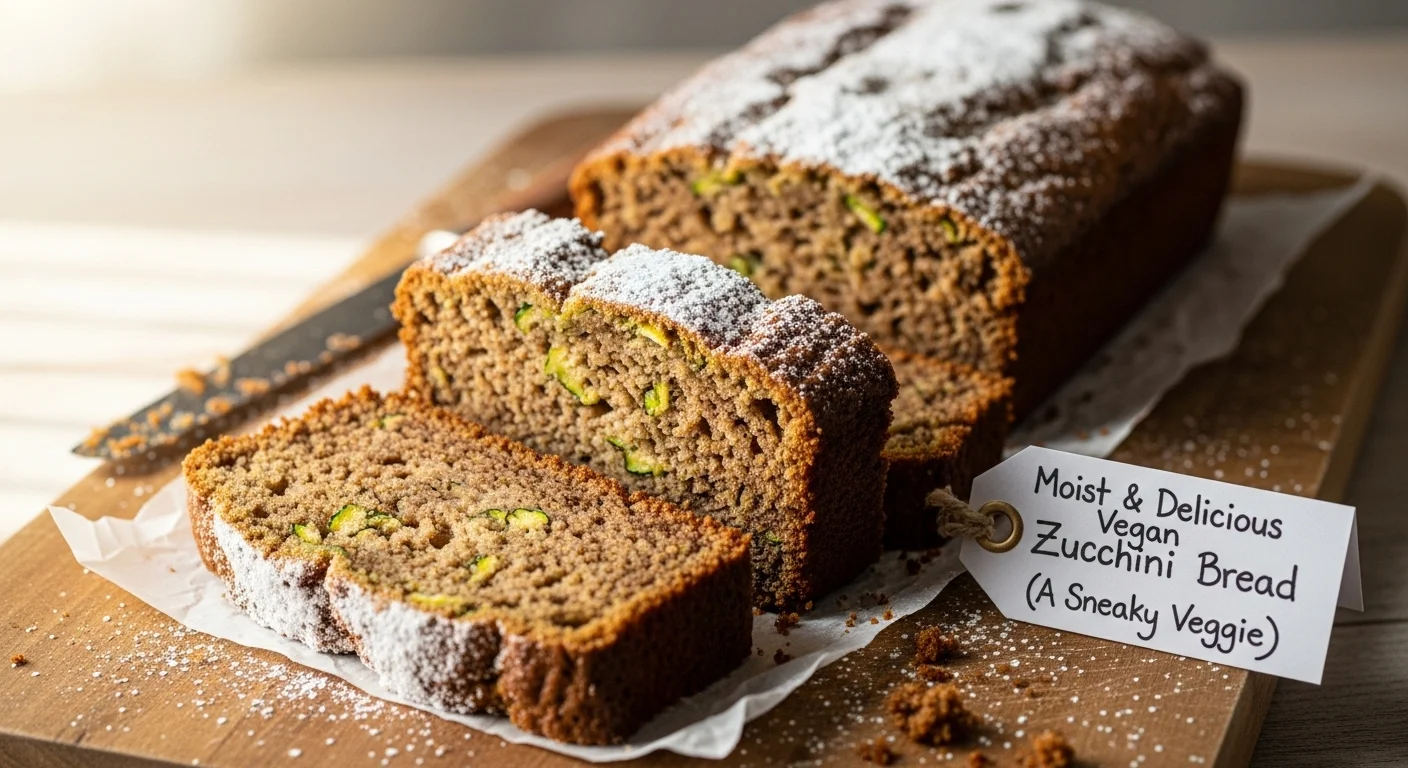
Vegan zucchini bread is a plant-based quick bread made with grated zucchini, flour, and various sweeteners and spices. What I love about this bread is that it’s incredibly moist and has a soft, tender crumb, thanks to the addition of zucchini. It’s often sweetened with natural sugars like maple syrup or agave, making it a healthier alternative to traditional sweet breads that might use refined sugars. The flavor is subtly sweet, with hints of warm spices like cinnamon and nutmeg, which can transport you right back to cozy kitchen baking days.
Benefits of Using Zucchini in Baking
When I first started baking with zucchini, I was amazed at how versatile it can be. Not only does zucchini add moisture to baked goods, but it’s also low in calories and high in essential nutrients. It’s a great source of vitamins A and C, potassium, and antioxidants. Plus, it’s a fantastic way to use up extra zucchini during the summer harvest. I remember feeling proud when I discovered that my kids loved the bread, completely unaware they were eating their veggies! Zucchini is also rich in fiber, which helps promote healthy digestion, making this bread not just a treat but a beneficial addition to our diet. Read Interesting article: Moist & Healthy Almond Flour Zucchini Bread (GF)
Common Ingredients in Vegan Zucchini Bread
Now, let’s talk about the common ingredients you’ll find in vegan zucchini bread. Typically, the base includes grated zucchini, flour (whether whole wheat or all-purpose), and a sweetener. When I bake, I also love to add spices like cinnamon and nutmeg for warmth and flavor. Here’s a breakdown of the common ingredients:
- Zucchini: The star of the show, adding moisture and nutrients.
- Flour: Either whole wheat for added fiber or all-purpose for a lighter texture.
- Sweeteners: Maple syrup, agave nectar, or even coconut sugar are often used to sweeten the bread.
- Binding agents: Ingredients like flaxseed meal or applesauce are essential to replace eggs, providing moisture and binding properties.
- Spices: Cinnamon and nutmeg are popular choices, but don’t hesitate to experiment with your favorites!
Key Ingredients for Moist & Delicious Vegan Zucchini Bread
Zucchini: The Star Ingredient
Zucchini is undeniably the star ingredient in this recipe. When I grate it, I often try to use the smaller, fresher zucchinis, as they tend to be sweeter and less seeded. I usually don’t peel the zucchini; the skin contains many nutrients and adds a bit of color to the bread. As I mix the grated zucchini into the batter, I’m always amazed at how much moisture it contributes without a strong veggie flavor. This makes it an ideal ingredient for those of us who want to include more vegetables in our baking.
Flours: Whole Wheat vs. All-Purpose
Choosing the right flour can make a significant difference in the outcome of your zucchini bread. I enjoy using whole wheat flour for its health benefits, including higher fiber content, which keeps us feeling full longer. However, I’ve also baked with all-purpose flour, and the texture remains light and fluffy. Depending on my mood and dietary preferences, I sometimes do a half-and-half mix to achieve the best of both worlds. Experimenting with different flours can lead to tasty variations each time! Read Interesting article: Easy Vegan Banana Bread (The Only Recipe You Need)
Sweeteners: Maple Syrup, Agave, and More
When it comes to sweetening my zucchini bread, I often gravitate towards natural sweeteners. Maple syrup is my go-to; it adds a rich, caramel-like flavor that I can’t resist. Agave syrup is another option I enjoy, as it dissolves easily and provides a mild sweetness. If I’m in the mood for something different, I might use coconut sugar, which gives the bread a subtle hint of flavor. I recommend starting with a bit less than the recipe calls for, tasting the batter, and adjusting to your preference – it’s all about finding that perfect balance!
Binding Agents: Flaxseed Meal and Applesauce
In vegan baking, we need to find alternatives for eggs that provide moisture and help bind the ingredients together. Flaxseed meal is one of my favorites; I usually mix one tablespoon of flaxseed meal with three tablespoons of water and let it sit until it becomes gel-like. It’s a simple and effective egg substitute. Applesauce is another fantastic option I use. It not only provides binding but also adds natural sweetness and moisture, making the bread even more delicious.
Spices and Flavorings: Cinnamon, Nutmeg, and Vanilla
Spices are what really elevate the flavor of vegan zucchini bread. I can’t resist adding a generous amount of cinnamon and nutmeg; they create that warm, cozy aroma that fills my kitchen while it bakes. I also love a splash of vanilla extract for depth. Sometimes, I even throw in a bit of ginger for an unexpected kick! Trust me; these flavors blend beautifully with the zucchini and create a comforting treat perfect for any time of day.
Step-by-Step Recipe for Vegan Zucchini Bread
Preparing the Zucchini
Getting started with the zucchini is a breeze! I usually wash the zucchini thoroughly to remove any dirt, and then I grab my trusty box grater. I love using the large holes for grating; it gives the bread a lovely texture. As I grate, I often think about how this simple step adds so much moisture and nutrition. I prefer not to peel the zucchini since the skin has lots of nutrients. Once I’m done, I let the grated zucchini sit in a colander for a few minutes to allow some excess moisture to drain off. This little trick helps prevent the bread from becoming too soggy, which is something I’ve learned from experience!
Mixing Dry Ingredients
Next up, I gather all my dry ingredients in a large mixing bowl. I typically start with flour, then add baking soda, baking powder, and a pinch of salt. I can’t stress enough how important it is to measure accurately – too much or too little can throw off the whole recipe! After measuring, I whisk everything together until it’s well combined. I also add my favorite spices, like cinnamon and nutmeg, at this stage. The aroma of those spices is simply delightful and instantly gets me in the baking mood.
Combining Wet Ingredients
In a separate bowl, I mix my wet ingredients. I usually begin with the sweetener, like maple syrup or agave, and then add in the flaxseed meal mixture I’ve prepared (remember that gel-like consistency?). Then, I pour in some unsweetened applesauce and a splash of vanilla extract. Whisking these together is so satisfying; it creates a smooth and inviting mixture. I often find myself tasting it just to ensure it’s perfectly sweet, and I’m never disappointed!
Incorporating Zucchini and Nuts
With the wet and dry ingredients ready, it’s time to combine them. I pour the wet mixture into the bowl with the dry ingredients and gently fold them together. I’ve learned that overmixing can lead to a dense loaf, so I take my time, stirring until just combined. Once that’s done, I add in the grated zucchini, folding it carefully into the batter. If I’m feeling adventurous, I often toss in some chopped walnuts or pecans at this stage for that extra crunch. I find that the nuts add a lovely texture contrast, making each bite even more enjoyable.
Baking Instructions and Tips
Now it’s time to bake! I preheat my oven to 350°F (175°C) and grease a loaf pan with a bit of oil or line it with parchment paper for easier removal later. Pour the batter into the prepared pan and smooth the top with a spatula. I often sprinkle a few extra nuts or even some chocolate chips on top for a special touch. Once it’s in the oven, the waiting begins! I typically bake my zucchini bread for about 50-60 minutes, but I keep an eye on it after the 45-minute mark. I poke it with a toothpick; if it comes out clean, it’s done! The smell that wafts through my kitchen during baking is heavenly and worth every moment of anticipation.
After taking it out of the oven, I let the bread cool in the pan for about 10 minutes before transferring it to a wire rack. This little cooling time helps it set up perfectly. I often find it hard to resist slicing into it right away; the warm bread with that cinnamon aroma is just too tempting! But I’ve learned that letting it cool completely leads to better slices.
Variations of Vegan Zucchini Bread
Chocolate Chip Vegan Zucchini Bread
If you’re a chocolate lover like me, adding chocolate chips to your zucchini bread is a game changer. I usually sprinkle a cup of dairy-free chocolate chips into the batter right before baking. The melted chocolate and the tender zucchini create a deliciously decadent treat that feels like dessert while still being healthy. My kids absolutely adore this version, and it’s a fantastic way to get them to eat more veggies without them even realizing it!
Nuts and Seeds Add-Ins
Another way I like to enhance my zucchini bread is by incorporating different nuts and seeds. Chopped walnuts, pecans, or even sunflower seeds add a delightful crunch and extra nutrition. I often experiment with whatever I have on hand. Sometimes I’ll throw in some chia seeds for a boost of omega-3 fatty acids. These add-ins not only provide extra texture but also make the bread more hearty and filling.
Gluten-Free Options
For my friends and family who are gluten-sensitive, I’ve tried making gluten-free zucchini bread using almond flour, coconut flour, or a gluten-free flour blend. It’s a fun challenge that yields delicious results! I usually have to adjust the liquid content a bit since gluten-free flours can absorb moisture differently, but it’s worth it to see everyone enjoy a slice without worry. Read Interesting article: Seriously Moist Gluten-Free Zucchini Bread (Easy Recipe)
Flavor Enhancements: Citrus Zest and Dried Fruits
If I’m in the mood for something a little different, I love adding citrus zest or dried fruits like raisins or cranberries to my zucchini bread. The bright flavor of lemon or orange zest brings a refreshing twist to the sweetness of the bread. Dried fruits add natural sweetness and chewiness that complement the moistness of the zucchini beautifully. It’s all about experimenting and finding the combinations that make your taste buds sing!
Common Mistakes to Avoid When Baking Vegan Zucchini Bread
Overmixing Batter
One of the most common pitfalls I’ve encountered while baking vegan zucchini bread is overmixing the batter. I used to think that mixing it thoroughly would ensure a better loaf, but I learned that this can lead to a dense and chewy texture. The key is to mix the wet and dry ingredients until just combined. When I see a few flour streaks, that’s my cue to stop. Trust me, a little lumpiness is okay! I find that this method keeps my bread light and airy, which is exactly what I want.
Using Excess Moisture from Zucchini
Another mistake I’ve made is not draining the excess moisture from the grated zucchini properly. Zucchini is about 95% water, and while that’s great for moisture, too much can make the bread soggy. I remember the first few times I baked this bread, I’d skip draining it, thinking it would add more flavor. Instead, I ended up with a mushy loaf that fell apart. Now, I always let the grated zucchini sit in a colander for a bit, allowing that extra liquid to drain before mixing it into the batter. It’s a simple step that makes a world of difference!
Incorrect Baking Time and Temperature
Getting the baking time and temperature right is crucial for a perfect vegan zucchini bread. I’ve had my share of underbaked or overbaked loaves. Initially, I would set a timer and walk away, only to return to a bread that was either too gooey in the middle or too dry on the edges. I’ve learned to check the bread around the 45-minute mark, using a toothpick or skewer to test for doneness. If it comes out clean, I know it’s ready. If not, I give it a few more minutes while keeping an eye on it. Every oven can be a bit different, and I’ve found that being attentive really pays off.
Storage and Serving Suggestions
How to Store Vegan Zucchini Bread
Once my vegan zucchini bread has cooled completely, I like to store it properly to keep it fresh. I wrap it in plastic wrap or aluminum foil and place it in an airtight container. This helps maintain its moisture and flavor. If I know I won’t finish it within a few days, I often slice it and freeze the pieces. This way, I can just grab a slice whenever I need a quick snack or breakfast option. I find that it stays good in the freezer for about three months. Just let it thaw at room temperature or pop it in the toaster for a warm treat!
Best Ways to Serve: Warm or Cold?
When it comes to serving my zucchini bread, I have to say I prefer it warm. There’s something magical about slicing into a loaf that’s just come out of the oven. Usually, I let it cool for about 10-15 minutes, then slice it up and enjoy it fresh. If I’m serving it later, I sometimes warm it in the microwave for a few seconds or in a toaster oven. It’s delicious on its own, but I also love pairing it with a dollop of nut butter or some fresh fruit spread. For me, that adds an extra layer of flavor that makes each bite even more enjoyable!
Pairing Ideas: Spread and Toppings
As I mentioned, spreads can really elevate your zucchini bread experience. My go-to is almond butter or peanut butter; the creaminess complements the moist bread so well. Sometimes, I’ll add a drizzle of maple syrup on top for a sweet touch. I’ve also enjoyed it with a spread of vegan cream cheese, which adds a delightful tanginess. If I’m feeling adventurous, I might top it with sliced bananas and a sprinkle of cinnamon. The combinations are endless, and I love experimenting with new flavors each time I bake!
Health Benefits of Vegan Zucchini Bread
Nutritional Value of Zucchini
Zucchini is not just a delicious addition; it also brings a wealth of nutritional benefits. I appreciate that it’s low in calories but high in vitamins and minerals. One medium zucchini contains about 33 calories, making it a great choice for adding volume to my meals without the extra calories. Plus, it’s rich in vitamins A and C, which are important for maintaining healthy skin and boosting the immune system. I feel good knowing I’m including such a nutritious veggie in my baking.
Benefits of Vegan Baking
Baking vegan is something I’ve embraced wholeheartedly. I love that it allows me to use wholesome ingredients, avoiding refined sugars and unhealthy fats. Vegan baking typically incorporates natural sweeteners and healthier fats, which means I can indulge without feeling guilty. I’ve noticed that my energy levels are steadier when I opt for these healthier options, and I feel good about feeding my family something that’s both tasty and nutritious. It’s a win-win in my book!
How Zucchini Bread Fits into a Healthy Diet
Including vegan zucchini bread in my diet has been a delightful experience. It can be enjoyed as a snack, breakfast, or even a dessert without the guilt. I often find myself reaching for a slice instead of less healthy options. The fiber content from the zucchini and whole wheat flour keeps me feeling full, making it an excellent choice to fight off cravings. Plus, it’s easy to sneak in a few extra nutrients, especially when I add nuts or seeds. Overall, zucchini bread is a delicious way to incorporate more vegetables into our daily meals!
Frequently Asked Questions (FAQs)
Can I Substitute Other Vegetables?
Absolutely! While zucchini is the star, I’ve tried using shredded carrots or even mashed bananas in place of zucchini. Each vegetable brings its unique flavor and moisture, which can lead to delicious variations. Just keep in mind that different vegetables may change the baking time slightly, so keep an eye on it!
How Can I Make It Oil-Free?
For those looking to make oil-free zucchini bread, I’ve found that applesauce works beautifully. It adds moisture without the fat, and I often substitute it in equal parts for oil. You can also use a nut butter for richness without relying on oil, but be mindful of the flavor balance.
What Can I Use Instead of Flaxseed Meal?
If you’re out of flaxseed meal or prefer another option, chia seeds are an excellent substitute. I’ve used them in the same way by mixing them with water to create a gel. Additionally, silken tofu or banana can work as binding agents, offering a different flavor profile but still keeping that moisture!
Can I Freeze Vegan Zucchini Bread?
Yes, I’ve successfully frozen my zucchini bread many times! Just make sure it’s completely cooled before wrapping it tightly in plastic wrap or aluminum foil. It keeps well in the freezer for up to three months. When I want a slice, I simply let it thaw at room temperature or warm it up a bit, and it tastes just as good as fresh!
Frequently Asked Questions
“`htmlWhat is Vegan Zucchini Bread?
Vegan zucchini bread is a plant-based quick bread made with grated zucchini, flour, and various sweeteners and spices. It is moist and tender, often sweetened with natural sugars like maple syrup or agave, making it a healthier alternative to traditional sweet breads.
What are the benefits of using zucchini in baking?
Zucchini adds moisture to baked goods, is low in calories, and is high in essential nutrients such as vitamins A and C, potassium, and antioxidants. It also promotes healthy digestion due to its fiber content, making zucchini bread a beneficial addition to the diet.
What common ingredients are used in vegan zucchini bread?
Common ingredients include grated zucchini, flour (whole wheat or all-purpose), sweeteners (like maple syrup or agave), binding agents (such as flaxseed meal or applesauce), and spices (like cinnamon and nutmeg).
How do you prepare the zucchini for baking?
To prepare the zucchini, wash it thoroughly, grate it using a box grater, and let it sit in a colander for a few minutes to drain excess moisture. This step helps prevent the bread from becoming too soggy.
What should I avoid when baking vegan zucchini bread?
Avoid overmixing the batter, as this can lead to a dense loaf. Also, ensure to drain excess moisture from the grated zucchini and monitor the baking time and temperature to avoid underbaking or overbaking.
Can I add nuts or seeds to my zucchini bread?
Yes! You can enhance your zucchini bread by adding chopped nuts, such as walnuts or pecans, or seeds like sunflower seeds and chia seeds for extra crunch and nutrition.
How should I store vegan zucchini bread?
Once cooled completely, store the zucchini bread by wrapping it in plastic wrap or aluminum foil and placing it in an airtight container. It can also be sliced and frozen for up to three months.
Can I freeze vegan zucchini bread?
Yes, you can freeze vegan zucchini bread. Make sure it’s completely cooled before wrapping it tightly in plastic wrap or aluminum foil. It keeps well in the freezer for up to three months.
What are some ways to serve vegan zucchini bread?
Vegan zucchini bread can be served warm or cold. It is delicious on its own, but you can also enjoy it with spreads like almond butter or peanut butter, or topped with fruit spreads or slices of banana.
How can I make vegan zucchini bread oil-free?
To make oil-free zucchini bread, you can substitute applesauce for oil in equal parts. Nut butter can also be used for richness, but be mindful of the flavor balance when making the substitution.
“`