
One-Pot Spaghetti is the ultimate game-changer for pasta lovers like me. It combines convenience with flavor, making dinner a breeze without sacrificing taste. Read Interesting article: This Indian Butter Chicken Pasta Is Going Wild Online
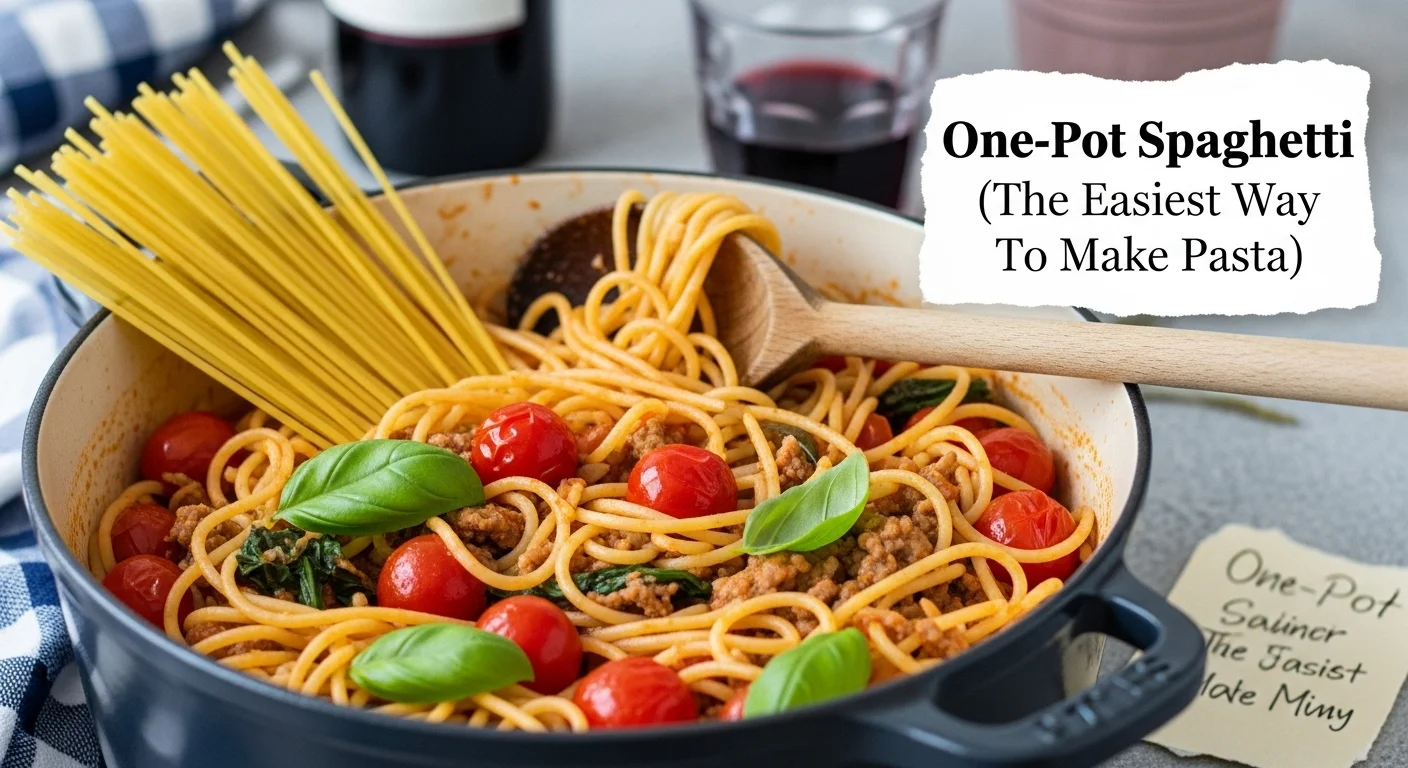
What is One-Pot Spaghetti?
Definition and Concept
One-Pot Spaghetti is exactly what it sounds like: a simple pasta dish where everything cooks together in one pot. Instead of boiling the pasta in one pot and preparing the sauce in another, you throw it all in together. The pasta cooks in the same liquid that flavors it, creating a delightful, cohesive dish. I remember the first time I tried this method; it felt revolutionary! No more juggling multiple pots on the stove. Just one pot, and I was done. It was a revelation that changed my approach to cooking pasta forever.
Benefits of One-Pot Cooking
The benefits of one-pot cooking go beyond just convenience. For starters, you save time on both cooking and cleaning. I love that I can whip up a meal without the mountain of dishes that usually follows. Plus, cooking everything together means the pasta absorbs all the flavors from the other ingredients, making each bite a burst of deliciousness. This method also encourages creativity; you can easily experiment with various ingredients and flavors all in one go. It’s like a culinary adventure every time I step into the kitchen!
Essential Ingredients for One-Pot Spaghetti
Pasta Types: Spaghetti, Linguine, and More
When it comes to choosing pasta for your one-pot dish, spaghetti is the classic choice, but don’t feel limited! I’ve used linguine, fettuccine, and even penne. Each type brings its own texture and flavor. The key is to ensure that whatever pasta you choose cooks evenly in the liquid you’re using. I’ve had success with both dried and fresh pasta, but I generally prefer dried for this method. It holds up well during the cooking process and absorbs flavors beautifully.
Base Ingredients: Water, Broth, or Sauce
The base of your one-pot spaghetti is crucial. You can use plain water, but I highly recommend broth for added flavor. Chicken, vegetable, or beef broth can elevate your dish significantly. I often use a mix of broth and a little bit of tomato sauce for a richer taste. The liquid not only cooks the pasta but also serves as the sauce itself, creating a deliciously cohesive dish that’s both comforting and satisfying. Experimenting with different broths has been a fun way for me to tailor the flavor to my mood. Read Interesting article: I Finally Understand the Hype Behind the 10-Min Pasta Trick
Flavor Enhancers: Garlic, Onion, and Herbs
Garlic and onion are my go-to flavor enhancers. I typically start by sautéing them in a bit of olive oil to create a fragrant base. The aroma that fills the kitchen is simply irresistible. Fresh herbs like basil, oregano, or thyme can also make a big difference. I love to add them towards the end of cooking to keep their flavors fresh and vibrant. I’ve learned that a sprinkle of red pepper flakes can kick things up a notch, especially if I’m in the mood for a bit of heat.
Protein Options: Meat, Seafood, or Vegetarian
One of the best parts of one-pot spaghetti is how versatile it is regarding protein. I often use ground meat, like beef or turkey, which cooks quickly and infuses the dish with flavor. Sometimes, I crave seafood, so I’ll toss in shrimp or scallops, which cook in mere minutes. For a vegetarian option, I’ve had great success with chickpeas or lentils. They not only add protein but also texture, making the dish hearty and filling.
Vegetables to Add for Nutrition
Adding vegetables is a fantastic way to make your one-pot spaghetti even more nutritious. I usually toss in whatever I have on hand—spinach, bell peppers, zucchini, or mushrooms work well. They add color, texture, and essential nutrients. I remember a time when I had a bunch of cherry tomatoes that were about to go bad, so I threw them in whole. They burst while cooking, creating a natural sauce that was simply divine. It’s a great way to use up leftovers and keep meals interesting!
Step-by-Step Guide to Making One-Pot Spaghetti
Preparation: Chopping and Measuring Ingredients
Before I dive into cooking, I like to get everything ready. It makes the process smoother, and I can focus on enjoying the experience. I start by gathering all my ingredients—pasta, protein, vegetables, and flavor enhancers. Then, I chop my vegetables and measure out everything I need. I remember the first time I forgot to prep and had to scramble while ingredients were sizzling away. Now, I take a moment to ensure everything is ready to go. It really helps keep the cooking process enjoyable and stress-free!
Cooking Process: Combining Ingredients
Once I have my ingredients prepped, it’s time to cook! I usually heat some olive oil in my pot over medium heat, then add garlic and onion to sauté until they’re fragrant and golden. It’s one of my favorite moments in cooking, as the aroma fills the kitchen and makes me feel like a gourmet chef. After that, I throw in my protein and let it brown slightly. Then comes the exciting part: I add the pasta along with my chosen liquid, which could be broth, water, or sauce. I give everything a good stir to ensure the pasta is submerged and starting to soak up those delicious flavors!
Timing: Cooking Pasta to Perfection
Timing is everything when it comes to one-pot spaghetti. I’ve learned that keeping an eye on the clock is crucial for achieving that perfect al dente texture. Based on my experience, I usually follow the cooking time on the pasta package but subtract a minute or two since the pasta will continue to cook a bit after I remove it from the heat. It’s essential to taste test a couple of minutes before the timer goes off. This way, I can make sure the pasta is just how I like it—firm but tender.
Finishing Touches: Adding Cheese and Seasoning
Once the pasta is cooked to perfection, I take it off the heat and add my finishing touches. This is where I get creative! I love stirring in a generous handful of freshly grated Parmesan cheese; it melts beautifully and adds a creamy richness to the dish. Sometimes, I also add a splash of lemon juice for brightness or a few extra herbs for freshness. I often sprinkle in some black pepper and red pepper flakes for a little kick. It’s amazing how these small steps transform the dish into something extraordinary!
Variations of One-Pot Spaghetti Recipes
Classic Marinara One-Pot Spaghetti
If you’re looking for a comforting, classic dish, the Marinara one-pot spaghetti is a go-to for me. I start with a good quality marinara sauce and combine it with water or broth. The flavors meld beautifully as everything cooks together, and it’s satisfying to serve up a dish that feels like it’s from a cozy Italian restaurant.
One-Pot Spaghetti with Meatballs
On days when I’m feeling indulgent, I love making one-pot spaghetti with meatballs. I mix ground meat with breadcrumbs and seasonings, shape them into balls, and brown them in the pot. Then I add my pasta and sauce, letting it all simmer together. The meatballs soak up the sauce, creating a dish that’s hearty and filling—perfect for family dinners!
Vegetarian One-Pot Spaghetti
For a lighter option, I often whip up a vegetarian one-pot spaghetti. I use a combination of vegetables like bell peppers, zucchini, and spinach, along with chickpeas for protein. The beauty of this dish is how colorful and vibrant it looks on the plate, and it’s packed with nutrients while still being extremely satisfying.
Spicy One-Pot Arrabbiata Spaghetti
If I’m in the mood for something with a kick, I go for a spicy Arrabbiata version. I add crushed red pepper flakes generously to the oil while sautéing the garlic and onion. With a robust tomato sauce, it turns into a fiery yet delicious dish that I can’t get enough of. I serve it with a sprinkle of parsley for a fresh touch!
One-Pot Lemon Garlic Shrimp Spaghetti
For a quick and elegant meal, I absolutely love making lemon garlic shrimp spaghetti. I sauté garlic in olive oil, then add shrimp and cook until they’re just pink. After that, I add my pasta and broth, along with a generous squeeze of lemon juice. The bright, zesty flavor of the lemon paired with the shrimp is simply divine. It’s a dish that impresses but is surprisingly easy to throw together!
Tips for Perfect One-Pot Spaghetti
Choosing the Right Pot
The type of pot you use can make a significant difference in your one-pot spaghetti experience. I recommend using a large, heavy-bottomed pot or a Dutch oven. These types of pots distribute heat evenly, preventing any hot spots that could lead to uneven cooking. I’ve learned this the hard way with flimsy pots that left me with burnt pasta on the bottom and undercooked pasta on top!
Adjusting Liquid Quantities
Finding the right balance of liquid is key. I’ve found that starting with enough broth or water is crucial to ensure the pasta cooks properly and absorbs all the flavors. If I notice the liquid reducing too quickly, I add a splash more broth. It’s all about watching and adjusting as you go, which is part of the fun!
Cooking Times and Techniques
Using the right cooking technique also helps achieve that perfect texture. I usually bring the mixture to a boil and then reduce the heat to a simmer. This gentle cooking process helps the pasta cook evenly without becoming mushy. I find myself stirring occasionally, which not only helps prevent sticking but also allows me to keep an eye on how everything is coming together.
How to Avoid Overcooking Pasta
Overcooking pasta is a common pitfall, but I’ve learned a few tricks to avoid it. I keep a close watch on the time and taste test a couple of minutes before the package instructions say to stop cooking. I’ve also found that taking the pot off the heat just before it reaches my desired doneness is a smart move, as the residual heat continues to cook the pasta. This way, I always get that perfect bite!
Common Mistakes to Avoid
Using Too Much or Too Little Liquid
One of the most common mistakes I’ve encountered when making one-pot spaghetti is misjudging the amount of liquid. If you add too much, you end up with a soupy mess—definitely not what we want! On the other hand, not enough liquid can leave your pasta hard and undercooked. I’ve found that following the pasta package instructions for liquid ratios is a good starting point, but I always keep an eye on the pot. If I notice it drying out too quickly, I add a splash more broth or water to keep everything cooking evenly. It’s all about finding that perfect balance, and with a little practice, you’ll get the hang of it!
Not Stirring Regularly
Another pitfall is forgetting to stir the pot. I’ve had moments where I got distracted by a show or a phone call, and when I returned, I found the pasta stuck together or worse, burnt at the bottom. Stirring occasionally not only helps prevent sticking but also allows the flavors to meld beautifully. It’s a simple step that makes a world of difference! I usually set a timer for a few minutes and give it a gentle stir every so often, which allows me to enjoy the cooking process without worrying about burnt pasta.
Skipping the Flavor Building Steps
Flavor building is crucial in any dish, but it’s especially important in one-pot cooking. I’ve learned that rushing through this step can lead to a bland meal. Sautéing garlic and onion in olive oil before adding anything else creates a delicious base that enhances the overall flavor profile. I never skip this step anymore; the aroma alone is worth it! Adding herbs at the right moment, too, can make a significant difference. If I add them too soon, they lose their freshness, but adding them towards the end keeps them vibrant and aromatic.
Overcrowding the Pot with Ingredients
While it might be tempting to toss in every vegetable and protein I have on hand, overcrowding the pot can lead to uneven cooking. It’s crucial to strike a balance and allow each ingredient enough space to cook properly. I’ve learned this lesson after a few less-than-stellar meals where the pasta turned out mushy because it was overwhelmed by too many ingredients. Instead, I try to stick to a combination of a few key ingredients that complement each other. This way, they can all shine in the dish without competing for attention!
Serving Suggestions for One-Pot Spaghetti
Pairing with Side Dishes
When it comes to serving one-pot spaghetti, I love to enhance the meal with some delightful side dishes. A simple green salad with a light vinaigrette is a favorite of mine. The crispness of the greens complements the warmth of the pasta perfectly. Garlic bread is another go-to; there’s something about dipping that buttery, garlicky goodness into the sauce that feels like a real treat. Sometimes, I also whip up a quick sauté of seasonal vegetables, which adds color and nutrition to the meal without much effort!
Best Wine Pairings for Pasta
Pairing wine with pasta can elevate the dining experience even more. I’ve found that a light red wine like Pinot Noir or a crisp white like Sauvignon Blanc works beautifully with one-pot spaghetti. The fruity notes in these wines enhance the flavors of the dish without overpowering them. I remember a lovely dinner where I paired my lemon garlic shrimp spaghetti with a nice glass of Chardonnay. The combination was simply divine! I always encourage a bit of experimentation to find what works best for your palate.
Garnishes and Toppings
Garnishes can take a dish from good to spectacular, and one-pot spaghetti is no exception. I love adding a sprinkle of freshly grated Parmesan cheese right before serving—it melts into the warm pasta and adds a creamy richness. Fresh herbs like basil or parsley not only bring color but also a burst of flavor. If I want to add a bit of a kick, a sprinkle of red pepper flakes is my go-to. Sometimes, I even drizzle a bit of good extra virgin olive oil on top for that finishing touch. These small details make serving the dish feel special!
Frequently Asked Questions (FAQs)
Can I Use Whole Wheat or Gluten-Free Pasta?
Absolutely! I’ve used whole wheat pasta in my one-pot dishes, and I’ve found that it works just as well, adding a nice nutty flavor and extra fiber. Gluten-free pasta is another option I’ve explored, especially when cooking for friends with dietary restrictions. Just keep in mind that gluten-free pasta can have different cooking times, so it’s essential to check the package instructions and adjust the cooking time accordingly.
How to Store Leftover One-Pot Spaghetti?
Leftovers are a fantastic perk of one-pot spaghetti! I typically let it cool down before transferring it into an airtight container. It can be stored in the fridge for up to three days. When I’m ready to enjoy it again, I just reheat it on the stove with a splash of water or broth to prevent it from drying out. Microwaving is another option, but I prefer the stovetop for even heating.
Can I Make One-Pot Spaghetti Ahead of Time?
Yes, making one-pot spaghetti ahead of time is entirely feasible! I often prepare it earlier in the day if I know I’ll have a busy evening. Just follow the usual steps, let it cool, and then store it in the fridge. When it’s time to eat, I reheat it, and it tastes just as delicious. It’s a lifesaver for hectic weeknights when I want a home-cooked meal without the fuss!
What Can I Substitute for Ingredients?
If you find yourself missing an ingredient, don’t worry! One of the reasons I love one-pot spaghetti is its flexibility. For example, if I’m out of broth, I’ve used water with a splash of soy sauce or Worcestershire sauce for depth. Missing fresh herbs? Dried herbs can work in a pinch, though I usually use less since they’re more concentrated. And if I don’t have a specific vegetable on hand, I simply swap it out for whatever I have available. Cooking should feel liberating, not restrictive!
Frequently Asked Questions
What is One-Pot Spaghetti?
One-Pot Spaghetti is a simple pasta dish where everything cooks together in one pot, allowing the pasta to absorb the flavors from the other ingredients, creating a cohesive and delicious meal.
What are the benefits of One-Pot cooking?
One-Pot cooking saves time on both cooking and cleaning, allows the pasta to absorb flavors, encourages creativity with ingredients, and makes the cooking process enjoyable and stress-free.
What types of pasta can I use for One-Pot Spaghetti?
While spaghetti is the classic choice, you can also use linguine, fettuccine, penne, and both dried and fresh pasta, though dried pasta is generally preferred for better texture and flavor absorption.
What base ingredients should I use for One-Pot Spaghetti?
The base can be plain water, but using broth (chicken, vegetable, or beef) is highly recommended for added flavor. A mix of broth and tomato sauce can create a richer taste.
What flavor enhancers can I add to One-Pot Spaghetti?
Common flavor enhancers include garlic, onion, and fresh herbs such as basil, oregano, or thyme. Adding red pepper flakes can also introduce a nice kick to the dish.
What protein options work well in One-Pot Spaghetti?
You can use ground meat (like beef or turkey), seafood (such as shrimp or scallops), or vegetarian options like chickpeas or lentils to add protein and texture to the dish.
How can I add vegetables to One-Pot Spaghetti?
Add vegetables like spinach, bell peppers, zucchini, or mushrooms to increase nutrition, color, and texture. Using up leftover vegetables is a great way to keep meals interesting!
What are some common mistakes to avoid when making One-Pot Spaghetti?
Avoid using too much or too little liquid, not stirring regularly, skipping flavor building steps, and overcrowding the pot with ingredients to ensure even cooking and flavor.
What are some serving suggestions for One-Pot Spaghetti?
Pair One-Pot Spaghetti with side dishes like a green salad, garlic bread, or sautéed seasonal vegetables. Wine pairings such as Pinot Noir or Sauvignon Blanc can also enhance the meal.
Can I make One-Pot Spaghetti ahead of time?
Yes, One-Pot Spaghetti can be prepared ahead of time, stored in the fridge, and reheated later. This is a convenient option for busy evenings when you want a home-cooked meal.