
Cooking can often feel overwhelming, especially when trying to impress someone special. But what if I told you that you could whip up fancy Air Fryer Scallops in just 10 minutes? Let’s dive into this gourmet delight!
Understanding Scallops: A Culinary Delight
Scallops have always held a special place in my heart and on my plate. They represent the essence of the sea, with their delicate flavor and tender texture making them a favorite among seafood lovers. But there’s more to scallops than what meets the eye. Let’s explore the different types of scallops, their unique flavor profiles, and the health benefits they bring. You can also check out A 7-Day Food Guide for the Carnivore Diet for more culinary insights.
Types of Scallops
When it comes to scallops, the two most common types you’ll encounter are the Atlantic scallops and the Pacific scallops. Atlantic scallops, often referred to as Placopecten magellanicus, are known for their sweet flavor and tender texture. They are typically larger and have a more pronounced sweetness compared to their Pacific cousins. On the other hand, Pacific scallops (Patinopecten caurinus) are smaller and slightly firmer, making them a great option for dishes where you want a bit more chew.
There’s also a variety called bay scallops, which are smaller and sweeter, often used in salads or pasta dishes. Personally, I love using Atlantic scallops when I want to impress guests—they just scream elegance!
Flavor Profile and Texture
The beauty of scallops lies in their subtle yet rich flavor. When I take a bite of a perfectly cooked scallop, I’m often reminded of the ocean breeze and sandy beaches. They have a mild sweetness, which pairs beautifully with various seasonings and sauces, enhancing their natural taste.
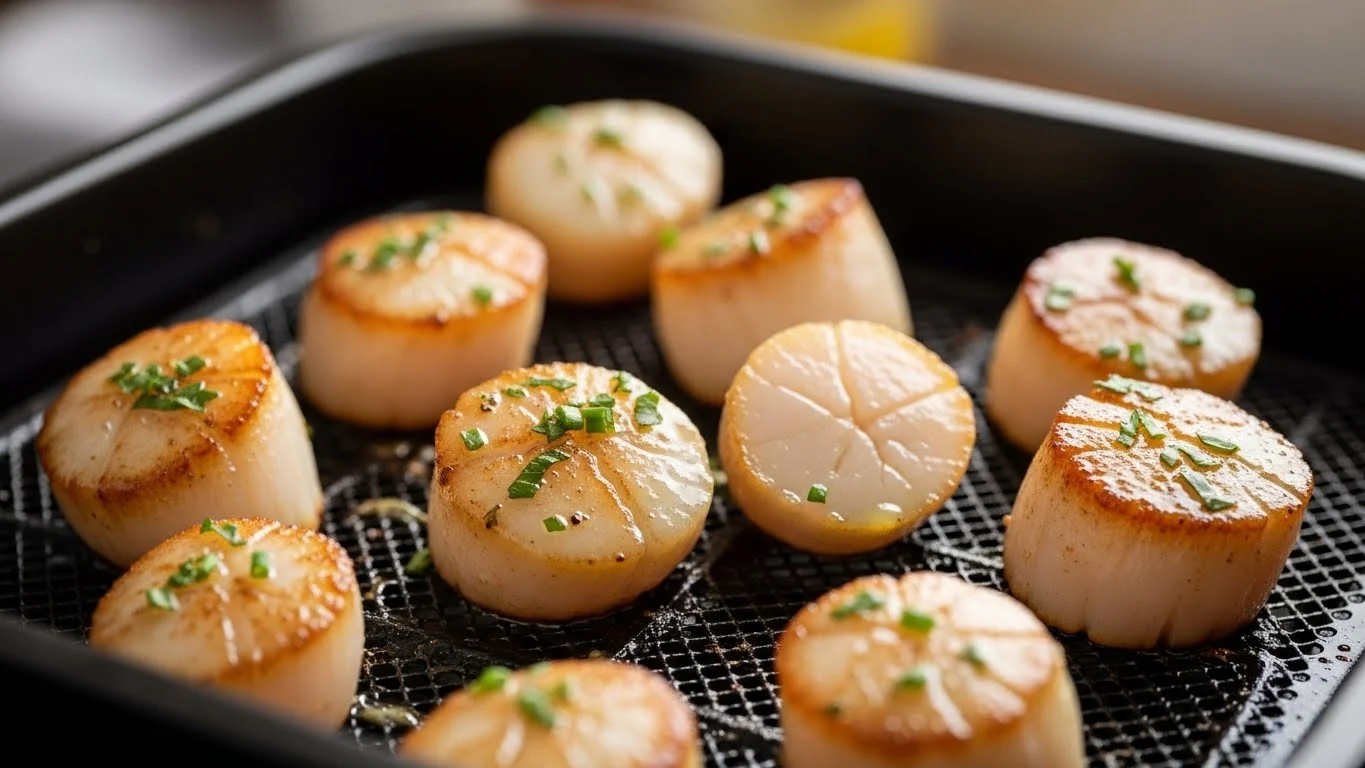
In terms of texture, scallops are unique. When cooked correctly, they are tender, almost buttery, with a slight crispness on the outside. I remember the first time I made scallops; I was amazed at how the sear created a delightful contrast with the soft interior. It’s a texture you want to achieve every time you cook them!
Health Benefits of Scallops
In addition to being delicious, scallops are also a healthy choice. They are low in calories and packed with protein, making them a great option for those looking to maintain a healthy diet. I’ve found that enjoying scallops can be a guilt-free way to indulge in a delightful meal. They are rich in essential nutrients like vitamin B12, omega-3 fatty acids, and selenium, which are all important for maintaining good health.
When I cook scallops, I often think about how they fit into my healthy lifestyle. They’re not just a fancy meal; they’re a smart choice too! Eating scallops regularly can help boost energy levels and support heart health, which is a win-win in my book. For more healthy recipes, you might enjoy This Viral Healthy Tacos Hack Tastes Shockingly Good.
The Air Fryer Advantage
Now that we’ve covered scallops, let’s talk about the magic of the air fryer. I remember the day I got my air fryer; it felt like I had unlocked a new level in my cooking game. The convenience and speed of cooking in an air fryer can’t be overstated, especially when it comes to preparing scallops.
Benefits of Cooking with an Air Fryer
One of the biggest advantages of using an air fryer is the reduction in cooking time. With scallops, you can go from raw to gourmet in just 10 minutes. I love that I can get a beautifully cooked meal on the table quickly, perfect for those busy weeknights or impromptu dinner guests. The air fryer also uses hot air circulation, which means you can achieve that coveted crispy exterior without the need for excessive oil.
How Air Fryers Work
Understanding how an air fryer works can enhance your cooking experience. The air fryer circulates hot air around the food, cooking it evenly and quickly. This method allows for that crunchy finish we all love while keeping the inside juicy and tender. I was blown away by how similar the texture was to deep-fried food without the added grease. It’s like magic!
Comparing Air Frying to Traditional Cooking Methods
When comparing air frying to traditional cooking methods, I find air frying to be significantly more efficient. For instance, when I would previously pan-sear scallops, I had to be mindful of the heat and timing. With the air fryer, I can set the temperature and walk away for a few minutes. Plus, clean-up is a breeze! No more splattered oil everywhere or messy pans to scrub afterward.
Using an air fryer has truly transformed the way I cook, especially for seafood. The results are consistently impressive, and I know I can trust my air fryer to deliver perfectly cooked scallops every time. It’s a game-changer!
Ingredients for Perfect Air Fryer Scallops
Fresh vs. Frozen Scallops
When it comes to scallops, I’ve often debated whether fresh or frozen is the better option. In my experience, fresh scallops can’t be beaten when it comes to flavor and texture. They have a sweetness and tenderness that just can’t be replicated. If you’re lucky enough to get your hands on fresh scallops from a local fish market, go for it! The taste is worth the extra effort.
However, I understand that fresh scallops aren’t always accessible. Frozen scallops can be a great alternative, especially when you’re in a pinch. Just remember to thaw them properly—ideally overnight in the fridge or, if you’re short on time, in a bowl of cold water. I’ve learned that rushing this step can lead to a watery result, which isn’t what we want for our gourmet dish.
Essential Seasonings and Marinades
Now, let’s talk about how to make those scallops sing with flavor! I love to keep my seasoning simple yet effective. A pinch of sea salt and freshly cracked black pepper can work wonders. Sometimes, I’ll add a dash of paprika for a hint of smokiness, or a sprinkle of garlic powder for that extra depth. I’ve found that the beauty of scallops lies in their natural taste, so I prefer not to overpower them.
If I’m in the mood for something fancier, I’ll whip up a quick marinade. A mix of olive oil, lemon juice, and minced garlic is one of my favorites. It not only adds flavor but also helps to keep the scallops moist during cooking. I usually let them marinate for about 15-30 minutes, which allows the flavors to seep in without overpowering their delicate nature.
Recommended Cooking Oils
When it comes to oils, I’ve experimented with a few different options. A good quality olive oil is my go-to choice for most seafood dishes, including scallops. It adds a nice richness without overshadowing the scallops’ flavor. However, I’ve also had success using avocado oil. It has a higher smoke point, which is great for air frying, plus it has a mild flavor that works well with scallops.
For those times when I want to kick it up a notch, I might drizzle a bit of truffle oil over the scallops before serving. The earthy aroma and flavor of truffle oil add a luxurious touch that’s sure to impress. Just a small amount goes a long way, and I’ve learned that balance is key!
Preparing Scallops for Air Frying
Cleaning and Drying Scallops
Before I start cooking, I make sure to give my scallops a thorough clean. If you’ve ever handled scallops, you know they can have a bit of grit on them. I rinse them under cold water and gently pat them dry with a paper towel. I can’t stress enough how important this step is! If they’re too wet, they won’t get that lovely sear we all crave.
In my experience, taking the time to dry the scallops is essential for achieving that perfect texture. I remember the first time I skipped this step and ended up with scallops that were more steamed than seared. Lesson learned! Now, I always ensure they’re dry and ready for their moment in the air fryer.
Marinating Tips for Maximum Flavor
After cleaning, I move on to marinating. I’ve found that marinating scallops for too long isn’t necessary; a quick soak of 15-30 minutes usually does the trick. If I’m using a citrus-based marinade, I’m especially cautious not to overdo it, as the acidity can start to “cook” the scallops if left too long. I learned this the hard way—no one wants a scallop ceviche when they were expecting a sear!
During marination, I like to toss them gently in the mixture to make sure every scallop gets a nice coating. This not only enhances the flavor but also helps tenderize the meat. I’ve noticed that the longer I let them soak, the more tender they become, but I always keep an eye on the clock. For me, the goal is to enhance their natural flavor, not mask it.
Step-by-Step Cooking Instructions
Preheating the Air Fryer
Before I start cooking my scallops, I always make sure to preheat the air fryer. I’ve learned that preheating is crucial for achieving that perfect sear. It’s similar to how you would preheat an oven for baking. I usually set my air fryer to 400°F (about 200°C) and let it warm up for about 5 minutes. This short wait is worth it; it ensures that the scallops cook evenly right from the start. I remember one time when I skipped this step, and the scallops didn’t have that lovely crispy exterior I was aiming for. Now, I never forget this important step!
Arranging Scallops in the Air Fryer Basket
Once the air fryer is preheated, I carefully arrange the scallops in the basket. I make sure not to overcrowd them because they need room for the hot air to circulate around each piece. This little detail can make a big difference in getting that golden-brown finish. I usually place them in a single layer, leaving a bit of space between each scallop. If I’m making a larger batch, I’ll cook them in batches to keep the quality high. I’ve noticed that when I overcrowd the basket, the results can be less than stellar.
Cooking Times and Temperature Settings
Now comes the exciting part: cooking! I set the timer for about 8-10 minutes, depending on the size of the scallops. For larger Atlantic scallops, I lean towards the 10-minute mark, while smaller bay scallops often need just 8 minutes. I’ve found that it’s best to check them a minute or two before the timer goes off. The anticipation builds as I watch through the air fryer window; knowing I’m just moments away from a delicious meal makes it all the more thrilling!
Checking for Doneness
After the timer goes off, I carefully remove the basket and check the scallops for doneness. A perfectly cooked scallop should be opaque and firm to the touch, with a nice golden-brown crust on the outside. I like to use a fork to gently poke one of the scallops—if it feels firm and has that delightful slightly springy texture, I know they’re ready. I remember once undercooking a batch and having to pop them back in for a couple more minutes. It’s a good reminder to stay vigilant during the cooking process. Once they’re done, I can’t wait to plate them up!
Serving Suggestions
Complementary Side Dishes
When it comes to serving my air fryer scallops, I like to think about what will complement their delicate flavor. I often pair them with a light salad, perhaps a simple arugula salad with lemon vinaigrette. The peppery arugula and zesty dressing balance the sweetness of the scallops perfectly. Another favorite side is a creamy risotto, which adds a wonderful richness to the meal. If I’m feeling adventurous, I might whip up some garlic mashed potatoes, as their buttery flavor provides a delightful contrast.
Perfect Pairings: Wine and Sauce Recommendations
Pairing wine with scallops can elevate the dining experience even further. In my opinion, a crisp white wine, like Sauvignon Blanc or a light Chardonnay, is the perfect match. The acidity in these wines complements the sweetness of the scallops beautifully. If I want something a bit bolder, I might reach for a light Pinot Grigio. As for sauces, I love a simple lemon-butter sauce drizzled over the top. The acidity of the lemon plays well with the scallops, enhancing their natural flavors without overpowering them.
Garnishing Ideas for Presentation
Presentation is key when serving scallops, especially if I’m trying to impress guests! I often garnish my scallops with fresh herbs like parsley or chives for a pop of color. A sprinkle of zest from a lemon or lime adds a bright touch, and I love how it looks against the golden scallops. Sometimes, I’ll even drizzle a bit of balsamic reduction for added visual interest and a touch of sweetness. It’s all about making that dish not only taste amazing but also look beautiful on the plate. I find that taking a little extra time for presentation makes the meal feel even more special!
Common Mistakes to Avoid
Overcooking Scallops
One of the biggest pitfalls when cooking scallops is overcooking them. Trust me, I’ve been there! When scallops are overcooked, they can become rubbery and lose that tender texture we all love. I always keep an eye on the timer and check for doneness a minute or two before the suggested time. I’ve learned that even if they look a tad translucent, they can continue cooking after being removed from the air fryer, so taking them out at just the right moment is key!
Ignoring the Importance of Drying
Another mistake I used to make was not drying the scallops thoroughly after rinsing them. If they’re too wet, they won’t sear properly, which can lead to a less than desirable texture. I now make it a point to pat them dry with paper towels before cooking. It’s a simple step that makes a world of difference in the final dish!
Using the Wrong Type of Scallops
Choosing the right type of scallops can also impact the outcome of my dish. I’ve experimented with both fresh and frozen scallops, and I’ve found that while frozen can work in a pinch, fresh scallops truly shine in terms of flavor and texture. I always try to use the best quality scallops I can find; it makes all the difference in the final result!
FAQs About Air Fryer Scallops
Can I use frozen scallops directly in the air fryer?
It’s possible to cook frozen scallops directly in the air fryer, but I recommend thawing them first for the best results. This ensures that they cook evenly and achieve that lovely sear. If you’re short on time, just be sure to check them frequently to avoid overcooking.
What is the best way to season scallops?
The best way to season scallops is to keep it simple. I usually go with sea salt and freshly cracked black pepper. If I want to get fancy, I might add a bit of garlic powder or a squeeze of lemon juice after cooking. The goal is to enhance their natural flavor without overwhelming it.
How do I store leftover scallops?
If I have any leftover scallops, I store them in an airtight container in the fridge. They can last for about 1-2 days. However, I’ve found that they are best enjoyed fresh, and reheating can sometimes lead to a loss of that lovely texture.
Exploring Variations of Air Fryer Scallops
Adding Different Flavors: Citrus, Garlic, and Herbs
One of the things I love about scallops is how versatile they are. I often explore different flavors by adding citrus, garlic, or fresh herbs to my recipes. For example, mixing some orange zest or fresh lime juice into the marinade can add a refreshing twist. I’ve also enjoyed infusing my olive oil with garlic for an aromatic touch that perfectly complements the sweetness of scallops.
Incorporating Additional Ingredients: Bacon or Veggies
Sometimes, I like to get creative by incorporating additional ingredients. One of my favorite combinations is wrapping scallops in bacon before cooking. The smokiness of the bacon adds a delicious contrast to the scallops’ sweetness. I’ve also experimented with adding thinly sliced vegetables, like bell peppers or zucchini, in the air fryer along with the scallops for a complete meal.
Creating a Scallop Skewers Recipe
Another fun way to enjoy scallops is by making skewers. I thread scallops onto skewers with colorful vegetables like cherry tomatoes, bell peppers, and onions. Not only do they look beautiful on the plate, but grilling them in the air fryer adds a lovely char. It’s a great way to serve them at a gathering or barbecue, and they always get rave reviews!
Frequently Asked Questions
Can I use frozen scallops directly in the air fryer?
It’s possible to cook frozen scallops directly in the air fryer, but I recommend thawing them first for the best results. This ensures that they cook evenly and achieve that lovely sear. If you’re short on time, just be sure to check them frequently to avoid overcooking.
What is the best way to season scallops?
The best way to season scallops is to keep it simple. I usually go with sea salt and freshly cracked black pepper. If I want to get fancy, I might add a bit of garlic powder or a squeeze of lemon juice after cooking. The goal is to enhance their natural flavor without overwhelming it.
How do I store leftover scallops?
If I have any leftover scallops, I store them in an airtight container in the fridge. They can last for about 1-2 days. However, I’ve found that they are best enjoyed fresh, and reheating can sometimes lead to a loss of that lovely texture.
What types of scallops are there?
The two most common types of scallops are Atlantic scallops and Pacific scallops. Atlantic scallops are larger and have a sweet flavor, while Pacific scallops are smaller and firmer. There are also bay scallops, which are smaller and sweeter, often used in salads and pasta dishes.
How should I prepare scallops before cooking?
Before cooking, it’s important to clean and dry the scallops. Rinse them under cold water and gently pat them dry with a paper towel to ensure they get a lovely sear. Proper drying is essential for achieving the perfect texture.
What is the ideal cooking time for scallops in an air fryer?
The ideal cooking time for scallops in an air fryer is about 8-10 minutes, depending on their size. Larger Atlantic scallops may need around 10 minutes, while smaller bay scallops often require just 8 minutes.
What should I do if my scallops are overcooked?
If scallops are overcooked, they can become rubbery and lose their tender texture. To avoid this, keep an eye on the timer and check for doneness a minute or two before the suggested cooking time.
What are some complementary side dishes for air fryer scallops?
Some complementary side dishes for air fryer scallops include a light salad, creamy risotto, or garlic mashed potatoes. These pair nicely with the delicate flavor of the scallops.
What type of oil is recommended for cooking scallops?
A good quality olive oil is recommended for cooking scallops, as it adds richness without overshadowing their flavor. Avocado oil is also a great option due to its higher smoke point and mild flavor.
How do I know when scallops are done cooking?
A perfectly cooked scallop should be opaque and firm to the touch, with a nice golden-brown crust. You can gently poke one with a fork; if it feels firm and has a slightly springy texture, they are ready to be served. For dessert ideas to complement your meal, consider a delicious treat like No-Bake Vegan Chocolate Tart (A Decadent, Easy Dessert).