
If you’re looking for a vibrant and flavorful dish that can be whipped up in no time, a quick African curry without eggs might just be your answer. Bursting with spices and goodness, it’s a delightful meal that suits any occasion.
Exploring African Curry: A Flavorful Journey
When I first ventured into the world of African cuisine, I was captivated by its rich tapestry of flavors. Each dish tells a story, reflecting the diverse cultures and traditions across the continent. One of my favorites has become a quick African curry, which I often prepare when time is short but my craving for something delicious is high. What I love about this recipe is that it’s flexible, allowing for various vegetables and proteins based on what I have on hand. Plus, it’s completely egg-free!
The Base Ingredients
Every great curry starts with a solid base. For me, this often includes onions, garlic, and ginger. These ingredients not only add depth but also create an aromatic foundation that fills my kitchen with a warm, inviting scent. I usually start by finely chopping one large onion, a couple of cloves of garlic, and a small piece of fresh ginger. The key is to sauté them together until they’re soft and fragrant. This usually takes about five minutes over medium heat.
Next, I like to add a variety of spices. I typically use cumin, coriander, turmeric, and a pinch of cayenne pepper for some heat. The spices create a wonderful warmth and complexity in the dish. I remember the first time I added them to my sautéed base; the aroma was intoxicating, and I knew I was onto something special. Just a teaspoon of each spice works wonders, and I usually add them after the onions are translucent, letting them toast for about a minute to release their essential oils.
Adding Vegetables
The beauty of this curry is that it’s so versatile! I often incorporate whatever vegetables I have in my fridge. My go-to choices are bell peppers, carrots, and spinach, but I’ve also used zucchini, cauliflower, and green beans. I chop these veggies into bite-sized pieces and add them to the pot after my spices have toasted. At this point, I like to cook them for about five minutes, just enough to soften them slightly while still retaining some crunch.
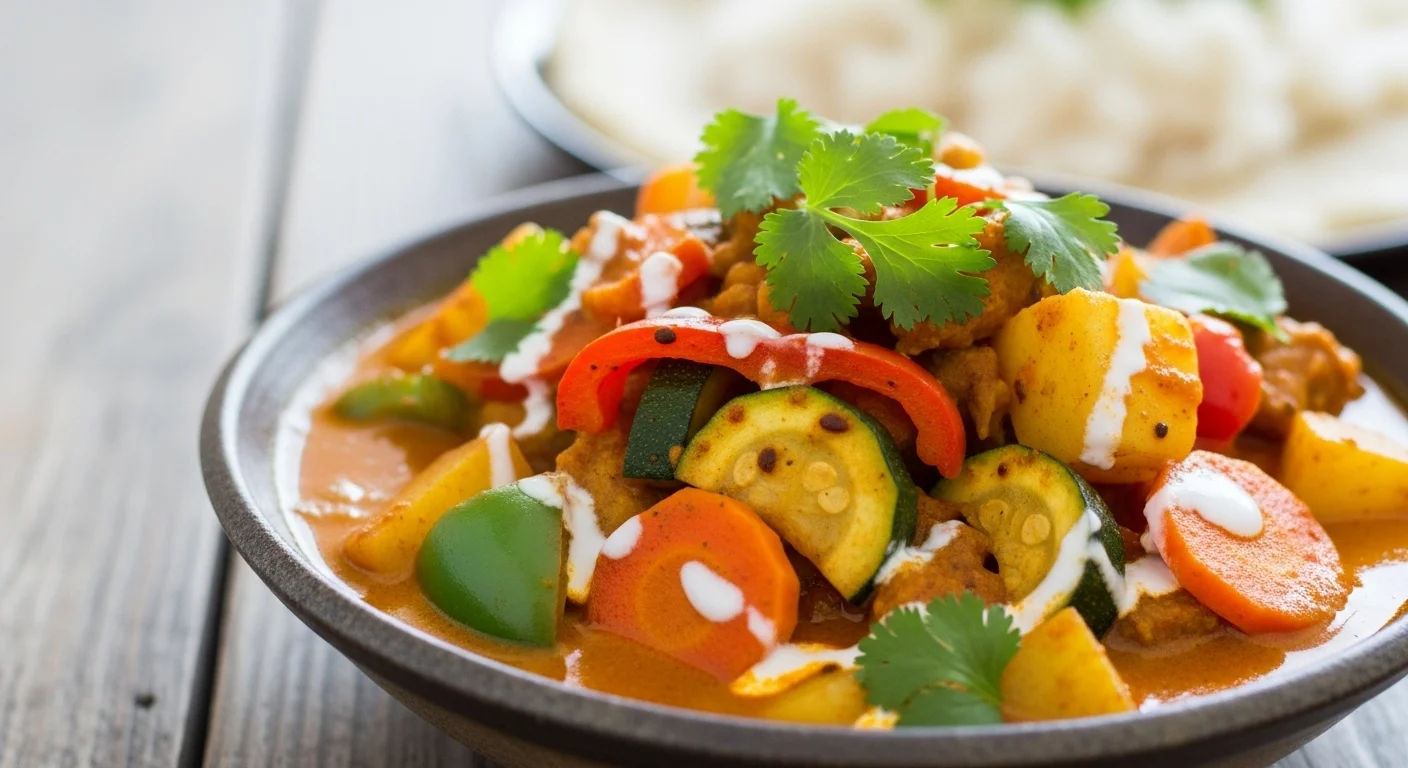
One of the things I enjoy is how colorful the dish becomes. The vibrant reds of the bell peppers, the bright orange of the carrots, and the deep green of the spinach create a feast for the eyes. I believe that we eat with our eyes first, and this colorful medley makes me excited to dig in!
The Liquid Gold
To transform my sautéed veggies and spices into a curry, I add coconut milk or vegetable broth. Coconut milk gives the dish a rich, creamy texture that’s incredibly satisfying. I pour in about a can, which is roughly 13.5 ounces. If I’m looking for something lighter, I might use vegetable broth instead. I’ve found that both options work beautifully, depending on my mood and dietary preferences.
Once the liquid is added, I stir it all together and let it simmer for about 10-15 minutes. This simmering time allows the flavors to meld together beautifully. During this process, I often find myself daydreaming about serving it over a bed of fluffy rice or alongside some warm flatbread. The anticipation makes the cooking experience all the more enjoyable!
Enhancing the Flavor
As the curry simmers, I like to enhance the flavor further. A splash of soy sauce or tamari adds a wonderful umami element. If I’m feeling adventurous, I might throw in some chopped tomatoes or a dash of lime juice for a pop of acidity. I remember once adding fresh cilantro at the end, which added a lovely freshness that perfectly balanced the spices.
When the vegetables are tender and the sauce has thickened slightly, I know my curry is nearly ready. I usually taste it at this stage to adjust the seasonings. Sometimes, I add a little more salt or a sprinkle of sugar to balance the flavors. It’s all about finding that sweet spot that satisfies my palate.
Serving Suggestions
Now comes the fun part: serving! I usually prepare a pot of jasmine rice or couscous to accompany my curry. The fluffy grains pair wonderfully with the creamy sauce, soaking it up beautifully. For me, a generous scoop of curry on a bed of rice is the ultimate comfort food.
Another option I enjoy is serving it with warm naan or pita bread. There’s something so satisfying about dipping bread into the curry, soaking up every last drop of that delicious sauce. I often make a meal out of it by adding a side salad for some crunch and freshness, making it a well-rounded dish that’s satisfying and nourishing.
Final Touches
Sometimes, I sprinkle some toasted sesame seeds or chopped nuts on top for added texture. It’s amazing how these little touches can elevate the dish and make it feel special. I also love serving it with a wedge of lime or lemon on the side, inviting everyone to squeeze it over their servings for that extra zing.
This quick African curry has become a staple in my kitchen. I appreciate that it’s not only easy to make but also adaptable to whatever ingredients I have on hand. It’s a dish that never fails to impress, whether I’m cooking for myself or hosting friends for dinner. I always look forward to sharing this vibrant meal and introducing others to the delightful flavors of African cuisine.
Variations to Try
One of the things I love most about cooking is experimenting with variations. With my quick African curry, there are so many ways to switch things up and keep it exciting. Each time I make it, I feel like I’m on an adventure, discovering new flavors and textures. Here are some of my favorite variations that I’ve tried and absolutely loved.
Protein Options
While I typically stick to vegetables for a meat-free meal, there are times when I want to add some protein. I’ve found that chickpeas are an excellent choice. They’re packed with protein, and their nutty flavor complements the spices beautifully. I just toss in a can of drained chickpeas when I add the veggies, allowing them to absorb the curry’s flavors as it simmers.
If I’m in the mood for something heartier, I might use diced chicken or shrimp. Both cook quickly, so I add them right after the spices have toasted, letting them cook through before adding the liquid. I remember the first time I used shrimp; the vibrant pink of the shrimp against the colorful vegetables was a sight to behold, and of course, the taste was absolutely divine!
Incorporating Different Grains
Though I often serve my curry with jasmine rice or couscous, I’ve discovered that other grains can add a unique twist. Quinoa has become one of my favorites because it’s not only nutritious but also adds a lovely nuttiness to the meal. I usually cook it separately and serve the curry over a fluffy bed of quinoa. It feels like a gourmet dish without much extra effort!
Another grain I enjoy using is farro. Its chewy texture adds a wonderful contrast to the smoothness of the curry. I remember one evening when I was feeling particularly adventurous, I decided to serve the curry over a mix of quinoa and farro. The combination was a hit! It’s fun to play with different grains and see how they change the dish.
Adding Heat
If you’re like me and enjoy a bit of spice, there are various ways to amp up the heat in your curry. For instance, I’ve experimented with adding fresh chilies, like jalapeños or serranos, during the sautéing stage. Depending on how much heat I’m in the mood for, I might include just one or two, or really go for it with a handful!
Another option I’ve found to be delightful is using a spicy curry paste. I discovered this gem when I wandered into an international grocery store. They had a whole aisle dedicated to different kinds of curry pastes, and I couldn’t resist picking a few. Just a tablespoon or two, mixed in with the spices, can elevate the heat level significantly while adding depth to the flavor profile.
Experimenting with Seasonal Ingredients
Seasonality plays a big role in my cooking, and I love to incorporate whatever is fresh and available. During the summer months, I enjoy adding in ingredients like zucchini and corn, which lend a sweetness to the curry. I remember the first time I used fresh corn; it added a delightful crunch and a burst of sweetness that perfectly balanced the spices.
In the fall, I often turn to root vegetables like sweet potatoes and butternut squash. Their natural sweetness complements the spices wonderfully, and they create a hearty texture that’s perfect for cooler weather. I typically roast them just slightly before adding them to the curry for an extra layer of flavor. The warm, comforting essence of a fall curry is something I look forward to every year.
Flavoring with Fresh Herbs
Fresh herbs can truly elevate any dish, and I always have a few on hand to add that final touch. I love to garnish my curry with fresh cilantro; its bright flavor cuts through the richness of the coconut milk wonderfully. I also enjoy using mint or basil, depending on the flavor profile I’m aiming for. I remember one time when I topped my curry with a mix of mint and cilantro, and the freshness was a game-changer.
Another herb I’ve enjoyed using is dill. It may not be the first herb that comes to mind for curry, but I find it adds a unique twist that’s surprisingly pleasing. I usually sprinkle it on just before serving, and it gives the dish a fresh, aromatic quality that lingers beautifully.
Creative Serving Ideas
While I love serving my curry over rice or with bread, I’ve also gotten creative with my presentation. A few times, I’ve made curry bowls, layering it with grains, greens, and a sprinkling of toppings. It not only looks stunning but also allows everyone to customize their meal to their liking. I remember sharing this idea with friends during a dinner party, and it quickly became a favorite way to serve the dish!
Another fun way I’ve enjoyed serving my quick African curry is in hollowed-out bell peppers. After cooking the curry, I stuff it into the peppers and bake them until they’re tender. It transforms the dish into a colorful, fun meal that’s perfect for gatherings.
With all these variations and creative ideas, I feel like I can never tire of my quick African curry. It’s a dish that always brings a smile to my face and warmth to my heart, and I genuinely believe that it has the power to do the same for anyone who tries it. Whether I’m keeping it simple or experimenting with new ingredients, this curry has a special place in my kitchen and my life.
Cooking Tips for the Perfect Curry
As I’ve spent more time perfecting my quick African curry, I’ve picked up a few tips and tricks that have helped me elevate the dish. I believe that small tweaks in the cooking process can make a significant difference in flavor and texture. Here are some of the most valuable insights I’ve gathered along the way.
Choosing the Right Pan
The pan you use can truly affect how your curry turns out. I’ve found that a wide, heavy-bottomed pot is ideal for cooking curries. It allows for even heat distribution and gives the ingredients enough space to cook properly without overcrowding. I remember the first time I tried using a smaller pot; the vegetables ended up steaming rather than sautéing, which left them lacking that delicious roasted flavor. Now, I always opt for a larger pot or Dutch oven, which really makes a difference in the final result.
Layering Flavors
One of the key aspects of making a great curry is layering flavors. I’ve learned that taking the time to sauté the onions, garlic, and ginger until they’re perfectly caramelized sets the stage for a deeper taste profile. I often let them cook a little longer than I initially think is necessary. The sweetness that develops enhances the overall richness of the dish. I’ve also started adding spices in stages—first, I toast the whole spices in oil, then add ground spices to the sautéed base. This process allows the spices to bloom and release their essential oils, resulting in a more aromatic curry.
Don’t Rush the Simmer
Patience is essential when it comes to simmering your curry. I’ve noticed that when I rush this step, the flavors don’t meld as beautifully as they could. By allowing my curry to simmer gently, I can really appreciate how the ingredients interact and deepen in flavor. I often set a timer for about 15 minutes but sometimes extend it to 20 minutes if I’m not in a hurry. This extra time allows the sauce to thicken and the spices to fully infuse the dish. Plus, the smell wafting through my kitchen during that simmering time is simply heavenly!
Texture Matters
Texture plays a vital role in making a dish enjoyable, and my curry is no exception. I love a good contrast, so I usually balance soft ingredients with something crunchy. For instance, if I’m using chickpeas or tender vegetables, I might add some toasted nuts or seeds at the end. The crunchiness adds an exciting element that makes each bite more interesting. I’ve even experimented with topping my curry with crispy fried onions or shallots, which provide that delightful crunch and a burst of flavor.
Balance is Key
Finding the right balance of flavors can take some practice, but I’ve learned that it’s all about tasting as I go. I always keep a small spoon handy to sample the curry at different stages. Sometimes, I might need to add a pinch of salt or a dash of sweetness with sugar or honey to round out the flavors. I remember once making the mistake of adding too much salt, and it completely overwhelmed the dish. Since then, I’ve made it a habit to adjust my seasonings gradually, ensuring that the flavors stay harmonious.
Storing Leftovers
One of the best parts about making a big batch of curry is enjoying the leftovers. I’ve found that curries often taste even better the next day after the flavors have had a chance to mingle overnight. When storing leftovers, I always let the curry cool completely before transferring it to an airtight container. It usually keeps well in the fridge for about three to four days. I’ve also started freezing portions for later use, which is a lifesaver on busy nights when I don’t feel like cooking. I simply thaw it in the fridge overnight, and it’s ready to be warmed up and enjoyed again!
Making It Ahead of Time
There have been times when I needed to prepare a meal in advance, especially when hosting friends or family. I’ve discovered that this curry is perfect for making ahead of time. I usually prepare it a day in advance and store it in the fridge. This allows the flavors to develop even further, and when it’s time to eat, all I have to do is reheat it. I often serve it alongside freshly cooked rice or bread, which makes for a deliciously convenient option.
Cooking with Kids
Cooking can be a wonderful family activity, and I’ve enjoyed getting my kids involved in making this curry. They love helping with tasks like chopping vegetables or stirring the pot. It’s a great way to teach them about cooking and introducing them to different flavors. I’ve noticed that when they’re involved in the process, they’re much more likely to try new foods. Plus, it turns out that they have some creative ideas for ingredients too—I never thought to add sweet potato until my daughter suggested it one day!
Overall, cooking my quick African curry has become more than just a meal for me; it’s an experience filled with creativity and joy. With these tips and tricks, I feel confident every time I step into the kitchen to make this dish. My journey into African cuisine has been delightful, and I can’t wait to see what new twists I’ll discover next!
Frequently Asked Questions
“`htmlWhat are the base ingredients for a quick African curry?
The base ingredients typically include onions, garlic, and ginger, which are sautéed together to create an aromatic foundation for the curry.
What spices are commonly used in this African curry?
The spices commonly used include cumin, coriander, turmeric, and a pinch of cayenne pepper to add some heat.
What types of vegetables can be added to the curry?
Various vegetables can be used, such as bell peppers, carrots, spinach, zucchini, cauliflower, and green beans, depending on what is available.
What liquid is used to make the curry sauce?
Coconut milk or vegetable broth is added to the sautéed vegetables and spices to create the curry sauce, with coconut milk providing a rich, creamy texture.
How can the flavor of the curry be enhanced during cooking?
Flavors can be enhanced with a splash of soy sauce or tamari, chopped tomatoes, lime juice, or fresh herbs like cilantro added at the end of cooking.
What are some suggested serving options for the curry?
The curry can be served over jasmine rice or couscous, with warm naan or pita bread on the side, and can be complemented with a side salad.
What are some variations that can be made to the recipe?
Variations can include adding protein like chickpeas, chicken, or shrimp, using different grains like quinoa or farro, and incorporating seasonal ingredients.
What tips are recommended for achieving the perfect curry?
Tips include using a wide, heavy-bottomed pot for even cooking, layering flavors by sautéing ingredients properly, and allowing the curry to simmer patiently for the best flavor.
How should leftovers be stored?
Leftovers should be cooled completely before being transferred to an airtight container, where they can be refrigerated for three to four days or frozen for longer storage.
Can cooking this curry be a family activity?
Yes, cooking the curry can be a fun family activity, allowing kids to help with tasks like chopping vegetables, which can encourage them to try new foods.
“`