
Bibimbap is not just a dish; it’s a vibrant celebration of flavors and textures in a bowl! Let’s dive into this quick and easy Korean mixed rice bowl that will elevate your weeknight dinners. If you’re looking for more delicious Korean recipes, check out This Korean Honey Butter Chicken Is Breaking the Internet.
What is Bibimbap?
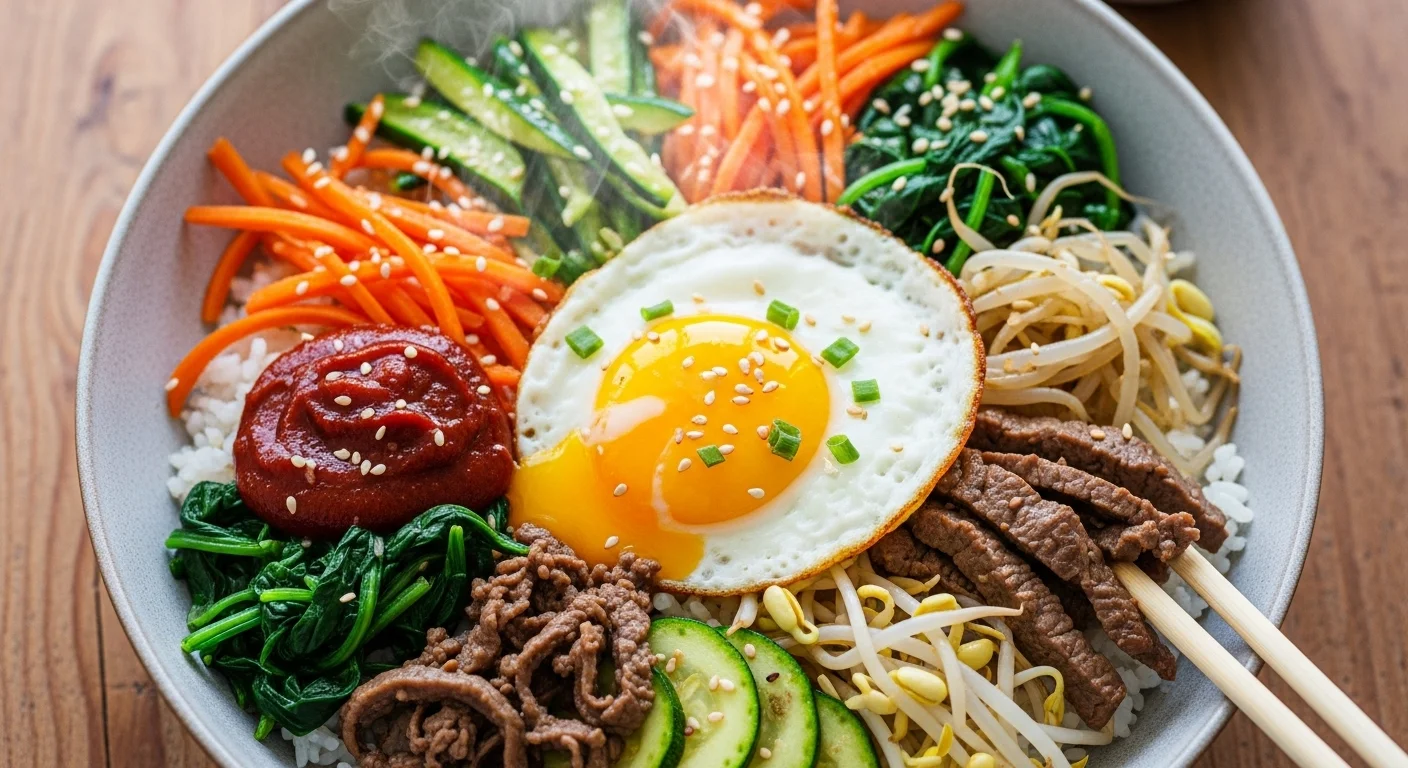
When I first encountered bibimbap, I was instantly captivated by its colorful presentation and the delightful mix of textures. This classic Korean dish is a harmonious blend of rice, vegetables, protein, and a fiery kick from gochujang, the beloved Korean chili paste. The beauty of bibimbap lies in its versatility—each bowl can be tailored to individual tastes, making it a favorite for many.
Historical Background of Bibimbap
To truly appreciate bibimbap, it’s fascinating to explore its roots. The origins of this dish can be traced back to ancient Korea, where it was often served as a way to use up leftover ingredients. Traditionally known as “goldongban,” which means “mixed rice,” it was a meal for farmers who needed to refuel after a long day in the fields. Over the years, bibimbap evolved, becoming a staple in Korean cuisine, celebrated for its balance of flavors and nutritional value.
Regional Variations of Bibimbap
Throughout Korea, bibimbap has taken on various regional twists. For instance, Jeonju bibimbap is particularly famous and is often recognized for its rich array of toppings, including raw egg and a variety of seasonal vegetables. In contrast, the Busan version tends to feature seafood, highlighting the coastal flavors of the region. I remember trying a spicy version during a trip to Busan, and it inspired me to experiment with my own recipes at home. Each region’s take on bibimbap reflects local ingredients and culinary traditions, making it a dish that continually surprises and delights.
Key Ingredients in Bibimbap
What makes bibimbap so special? It’s all about the ingredients! The combination of fresh vegetables, hearty rice, and flavorful proteins create a symphony of tastes. Here’s a closer look at these essential components.
Rice: The Foundation of Bibimbap
Rice is the heart of any bibimbap. Traditionally, short-grain white rice is used for its sticky texture, which helps hold everything together. I’ve found that using a rice cooker simplifies the process, allowing me to focus on preparing the toppings. While white rice is the classic choice, brown rice or even quinoa can be delicious alternatives for a healthier twist. The key is to cook the rice perfectly, fluffy yet slightly sticky, ensuring a satisfying base for all the toppings.
Vegetables: Common Choices and Their Benefits
The vegetables in bibimbap not only add color but also bring a variety of flavors and textures to the dish. Common choices include julienned carrots, zucchini, spinach, and mushrooms. I love incorporating a mix of sautéed and fresh vegetables for added crunch. Each vegetable offers unique health benefits—spinach is rich in iron, while carrots provide a boost of beta-carotene. The vibrant variety is not just for looks; it’s a way to pack in nutrients while keeping the dish exciting.
Proteins: Traditional and Alternative Options
Traditionally, bibimbap is topped with beef, often marinated for extra flavor. However, I’ve discovered that chicken, tofu, or even a fried egg can work just as beautifully! For a quick weeknight meal, I sometimes use pre-cooked rotisserie chicken or leftover proteins. This flexibility makes bibimbap an ideal choice for using up what’s in the fridge, allowing for endless customization. If you’re interested in more protein options, check out I Tried the TikTok Chia Pudding Parfait—Shocked.
Gochujang: The Essential Korean Chili Paste
No bibimbap is complete without gochujang, the spicy-sweet fermented chili paste that adds depth and character to the dish. I remember the first time I tasted it; the balance of heat and sweetness was unlike anything I had experienced before. A little goes a long way, so I recommend starting with a small amount and adjusting to your taste. For those who prefer a milder flavor, you can mix gochujang with a bit of sesame oil or a touch of honey to tone it down without losing the essence of the dish.
How to Prepare Quick and Easy Bibimbap
Making bibimbap at home can be a fulfilling experience, especially when you realize how simple it is to whip up. I love how this dish allows for both creativity and efficiency, making it perfect for busy weeknights. Let’s break it down into manageable steps so you can enjoy your homemade bibimbap in no time!
Step-by-Step Recipe for Bibimbap
Here’s a straightforward recipe I often rely on for my bibimbap. It’s flexible, so you can adjust it based on what you have on hand.
- Gather Your Ingredients: Start with cooked rice (about 2 cups), a selection of vegetables (carrots, spinach, zucchini, etc.), your choice of protein (beef, chicken, tofu), and gochujang.
- Prepare Your Rice: If you haven’t cooked your rice yet, do this first. I usually rinse the rice in cold water a couple of times before cooking to remove excess starch, which helps it turn out fluffy.
- Cook Your Protein: Marinate your chosen protein in soy sauce, garlic, and sesame oil for at least 20 minutes. If you’re using pre-cooked chicken or tofu, you can skip this step and just heat it up.
- Sauté Your Vegetables: In a pan, heat a little sesame oil and quickly sauté your vegetables, keeping them vibrant and slightly crunchy. I usually start with the tougher veggies like carrots and zucchini, adding in softer ones like spinach towards the end.
- Fry an Egg: If you like, fry an egg sunny-side up for topping. This adds rich creaminess. I find that the runny yolk brings everything together beautifully.
- Assemble Your Bowl: In a bowl, place a serving of rice at the bottom, then artfully arrange your vegetables and protein on top. Finish with a dollop of gochujang and the fried egg.
Tips for Cooking Rice Perfectly
Getting the rice right is crucial for a good bibimbap. I’ve learned a few tricks over time:
- Use the Right Rice: Short-grain rice is best due to its stickiness. If you’re using brown rice, remember it takes longer to cook.
- Water Ratio: A common ratio is 1 cup of rice to 1.2 cups of water. I usually adjust this slightly based on my rice type and how moist I want it.
- Let It Rest: After cooking, let the rice sit covered for about 10 minutes. This helps the moisture distribute evenly.
Preparing Vegetables: Quick Methods
To speed up the prep time, I often use a few quick methods for my vegetables:
- Pre-Chop Your Veggies: If you know you’ll be making bibimbap during the week, I recommend chopping your vegetables in advance and storing them in airtight containers in the refrigerator.
- Blanching: For leafy greens like spinach, blanch them briefly in boiling water, then shock them in cold water to retain their color and crispness.
- Microwave Option: If time is really tight, I sometimes microwave my vegetables for a minute or two. It’s not traditional, but it works in a pinch!
Choosing the Right Protein: Quick Cooking Techniques
Protein is essential in bibimbap, and I’ve found several quick cooking techniques that work well:
- Marinated Meat: If you have time, marinating beef or chicken in a simple mixture of soy sauce, sesame oil, and garlic can enhance the flavor. Stir-frying it on high heat is quick and keeps it juicy.
- Tofu: For a vegetarian option, I usually press and cube the tofu, then pan-fry it until golden brown. It’s simple and adds a great texture.
- Pre-Cooked Options: I often use leftover proteins or rotisserie chicken, which cuts down on cooking time significantly while still delivering a tasty result.
Assembling Your Bibimbap Bowl
Assembling the bibimbap is where the fun begins! I love the art of layering everything, and here’s how I do it:
- Layering: Start with a base of rice, then add your protein and vegetables in sections. I like to keep them separate for that classic bibimbap look.
- Final Touches: Don’t forget to add that fried egg on top! It’s the crown jewel of the dish.
- Gochujang Drizzle: Add a generous or light drizzle of gochujang based on your spice preference. You can always serve extra on the side for those who want a little more heat.
- Mix It Up: Just before eating, I give everything a good mix. That’s when the magic happens! The flavors meld together, and every bite is a burst of deliciousness.
Variations and Customizations
One of the things I love most about bibimbap is its adaptability. You can truly make it your own! Whether you’re a meat lover, a vegetarian, or someone who likes a little heat, there’s a version of bibimbap just for you. Let’s explore some variations and customizations that I’ve tried over the years.
Vegetarian and Vegan Bibimbap Options
As I’ve explored different dietary preferences, I’ve found that creating a vegetarian or vegan bibimbap is not only easy but also incredibly satisfying. For a vegetarian bibimbap, I simply skip the meat and focus on the vibrant array of vegetables. You can use mushrooms for a meaty texture, and I often include tofu or tempeh for added protein. I remember one night when I made a vegan version using sautéed shiitake mushrooms, spinach, julienned carrots, and a delicious sesame soy sauce drizzle instead of gochujang. It was a hit! For those who are completely plant-based, using a vegan gochujang or other chili pastes can still bring that signature spice and flavor.
Spicy vs. Mild Bibimbap
When it comes to spice, I’ve learned that everyone has different preferences. I personally enjoy a good kick in my bibimbap, but I know not everyone does. If you’re like me, go ahead and pile on the gochujang! However, if you prefer a milder flavor, there are ways to adapt. I often mix gochujang with a bit of sesame oil or even yogurt to create a creamy, spicy sauce that tones down the heat while still maintaining that unique flavor. You can also serve extra gochujang on the side, allowing each person to customize their spice level, which is great for family dinners or gatherings with friends.
Seasonal Ingredients: Adapting Bibimbap Throughout the Year
Another fun aspect of bibimbap is how it can change with the seasons. In spring, I love to incorporate fresh greens like asparagus and peas, while in summer, I go for colorful bell peppers and cucumbers. Fall brings in hearty vegetables like squash and sweet potatoes, and in winter, I opt for root vegetables and hearty greens like kale. I remember experimenting with a winter version that included roasted sweet potatoes and sautéed kale, topped with a warm fried egg. It was comforting and packed with nutrients. Adapting bibimbap to seasonal ingredients not only enhances the flavor but also keeps the dish exciting and fresh throughout the year!
Health Benefits of Bibimbap
As someone who loves food that tastes good and is good for you, I appreciate that bibimbap is not just a feast for the eyes but also a healthy meal option. Let’s break down some of the health benefits of this delightful dish.
Nutritional Value of Key Ingredients
Each component of bibimbap contributes to its nutritional profile. The rice provides carbohydrates for energy, while the variety of vegetables adds essential vitamins, minerals, and fiber. For instance, spinach is rich in iron, which I find particularly beneficial, and carrots provide a good amount of beta-carotene, which is great for eye health. The protein choice contributes to muscle repair and satiety, making this dish a well-rounded meal. I often feel good knowing I’m fueling my body with wholesome ingredients when I dig into a bowl of bibimbap!
Balanced Meal: Carbs, Proteins, and Vegetables
What I love about bibimbap is how it brings together a balance of macronutrients. With rice as the carbohydrate base, protein from meat or tofu, and a generous portion of vegetables, it’s a complete meal. I remember feeling particularly energized after having a bibimbap bowl for lunch; the combination of everything left me satisfied without feeling sluggish. This balance is perfect for anyone looking to maintain a healthy diet while enjoying their meals.
Serving Suggestions and Pairings
When serving bibimbap, I’ve found that pairing it with complementary dishes can elevate the experience. Let’s delve into some traditional side dishes and drink options that go wonderfully with your bibimbap.
Traditional Side Dishes (Banchan)
No Korean meal feels complete without a selection of banchan, or side dishes. I love serving my bibimbap with a few small plates of these delightful accompaniments. Common choices include kimchi, pickled radishes, or seasoned seaweed salad. Each banchan adds another layer of flavor and texture to the meal. I remember the first time I made bibimbap for friends; I had an array of banchan on the table, and it turned what could’ve been a simple dinner into a vibrant feast. Everyone enjoyed sampling different flavors alongside their bibimbap.
Best Drinks to Complement Bibimbap
When it comes to drinks, I usually opt for something refreshing to balance the spiciness of the bibimbap. A classic choice is barley tea, known as “bori-cha” in Korea. It’s nutty and soothing, making it a perfect match. If you’re looking for something with a bit more fizz, I’ve enjoyed serving it with Korean sodas or even a light beer. They can help cut through the richness of the dish and enhance the overall dining experience. I love experimenting with different pairings, and I always encourage friends to find their favorite match! You might also enjoy This Greek Lemon Rice Soup Trend Warms the Soul as a comforting option.
Common Mistakes to Avoid When Making Bibimbap
Even though bibimbap is relatively easy to prepare, there are a few common pitfalls I’ve encountered along the way. Here are some mistakes to avoid to ensure you create the perfect bibimbap.
Overcooking or Undercooking Rice
The texture of the rice is crucial in bibimbap. I’ve learned the hard way that overcooking can lead to mushy rice that doesn’t hold the toppings well, while undercooked rice can be hard and unappetizing. I recommend keeping an eye on the cooking time and using the right water ratio for the best results.
Neglecting Ingredient Balance
It’s easy to get carried away with one ingredient, but I’ve found that a good balance of protein, vegetables, and rice is key to a satisfying bibimbap. Too much or too little of any component can throw off the flavor and texture. I always try to keep a good ratio in mind when preparing my bowls.
Using Incorrect Proportions of Gochujang
As I mentioned earlier, gochujang is essential, but getting the proportion right can be tricky. I’ve made the mistake of adding too much and overpowering the other flavors. Start small, taste as you go, and adjust according to your spice preference. This way, you’ll ensure every bite is harmonious!
Frequently Asked Questions about Bibimbap
As I’ve shared my love for bibimbap, I’ve encountered many questions from friends and family. Here are some of the most common queries and my thoughts on them.
Can I make Bibimbap in advance?
Absolutely! I often prepare different components in advance. The rice can be cooked and refrigerated, and vegetables can be prepped ahead of time. Just keep everything stored separately, and when you’re ready to eat, you can quickly assemble your bowl. It’s a great way to have a nutritious meal ready on busy nights!
What can I substitute for Gochujang?
If you can’t find gochujang, I’ve had success using other chili pastes or even hot sauce, though the flavor will be different. Mixing miso with chili powder can also create a similar taste profile. Just remember to adjust the amount based on your heat preference!
How to store leftover Bibimbap?
Leftovers can be stored in an airtight container in the fridge for a couple of days. I recommend keeping the components separate if possible, especially the rice and vegetables, to maintain their textures. When reheating, I like to add a splash of water to the rice to keep it from drying out. It’s a great way to enjoy bibimbap again without losing its charm!
Frequently Asked Questions
What is Bibimbap?
Bibimbap is a classic Korean dish that features a vibrant mix of rice, vegetables, protein, and gochujang, a Korean chili paste. It is known for its colorful presentation and versatility, allowing for customization based on individual tastes.
What are the historical origins of Bibimbap?
Bibimbap originated in ancient Korea, where it was traditionally known as “goldongban,” meaning “mixed rice.” It was often served as a way to use up leftover ingredients and became a staple for farmers needing to refuel after working in the fields.
What are the key ingredients in Bibimbap?
The key ingredients in bibimbap include short-grain rice, a variety of fresh vegetables (such as carrots, zucchini, and spinach), protein options (like beef, chicken, tofu, or a fried egg), and gochujang, which adds flavor and heat.
How do you prepare the rice for Bibimbap?
To prepare the rice for bibimbap, short-grain white rice is typically used. It is rinsed in cold water to remove excess starch and then cooked with a common ratio of 1 cup of rice to 1.2 cups of water. After cooking, it should rest covered for about 10 minutes to ensure the right texture.
Can Bibimbap be made in advance?
Yes, you can prepare different components of bibimbap in advance. Cooked rice can be refrigerated, and vegetables can be prepped ahead of time. Just store them separately and assemble the bowl when ready to eat for a quick meal.
What can be used as a substitute for Gochujang?
If gochujang is unavailable, other chili pastes or hot sauces can be used, though the flavor will differ. Mixing miso with chili powder may also create a similar taste profile. Adjust the amount based on personal heat preference.
How should leftover Bibimbap be stored?
Leftover bibimbap can be stored in an airtight container in the refrigerator for a couple of days. It’s best to keep the components separate, especially the rice and vegetables, to maintain texture. Adding a splash of water when reheating helps keep the rice moist.
What are some common mistakes to avoid when making Bibimbap?
Common mistakes include overcooking or undercooking the rice, neglecting the balance of ingredients, and using incorrect proportions of gochujang. It’s important to monitor cooking times, maintain ingredient ratios, and adjust the spice level to ensure a harmonious dish.
What are some popular regional variations of Bibimbap?
Regional variations of bibimbap include Jeonju bibimbap, known for its rich toppings, and Busan bibimbap, which often features seafood. Each region’s version reflects local ingredients and culinary traditions, making bibimbap diverse and exciting.
What are the health benefits of Bibimbap?
Bibimbap is a balanced meal that includes carbohydrates from rice, proteins from meat or tofu, and a variety of vegetables that provide essential vitamins and minerals. This combination makes it a nutritious option that supports a healthy diet.