
Ready to whip up a delicious shrimp curry in just 20 minutes? This quick and easy recipe will take your taste buds on a flavorful journey without keeping you in the kitchen for hours!
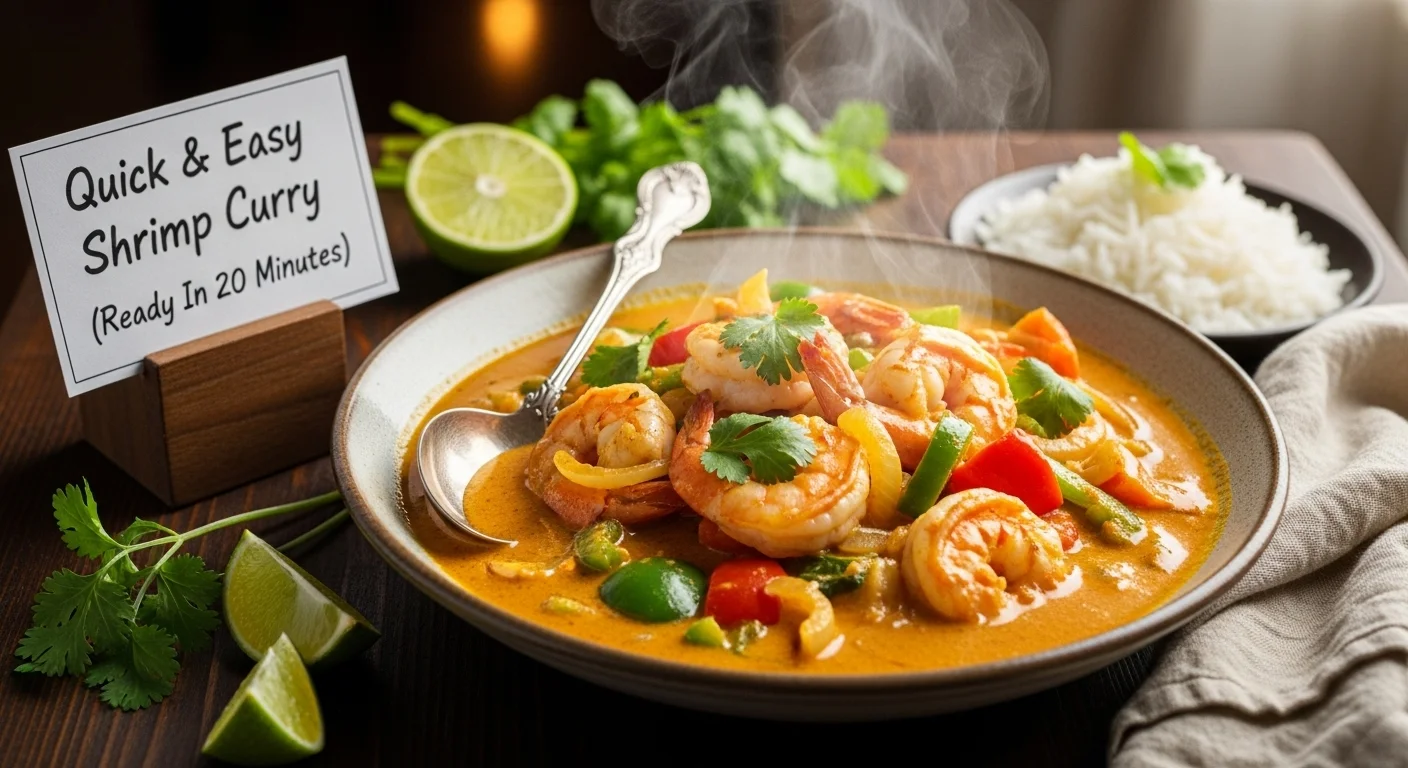
What is Shrimp Curry?
Overview of Shrimp Curry
Shrimp curry is a delightful dish that blends the natural sweetness of shrimp with a rich, spicy sauce. I remember the first time I tried shrimp curry; the combination of spices, creaminess, and fresh seafood was nothing short of magical. It’s a staple in many households, particularly in coastal regions where fresh shrimp is abundant. The beauty of shrimp curry lies in its versatility; it can be mild or spicy, creamy or tomato-based, depending on your preference. As someone who loves a quick meal that doesn’t compromise on flavor, I find shrimp curry to be the perfect go-to option for busy weeknights. Read Interesting article: I Tried the Trending Veg Curry Pasta—Instant Favorite
Regional Variations of Shrimp Curry
One of the fascinating aspects of shrimp curry is its regional diversity. For instance, Indian shrimp curry often features a blend of spices like turmeric, cumin, and coriander, creating a warm, aromatic dish. I’ve enjoyed many versions of this dish during my travels across India, each one offering a unique twist based on local ingredients.
On the other hand, Thai shrimp curry usually incorporates coconut milk, lemongrass, and lime leaves, giving it a fresh, zesty flavor. When I make a Thai-style shrimp curry, I can’t help but feel like I’m sitting on a beach in Thailand, relishing the sun and sea. Other regions, like the Caribbean, have their own takes, often featuring mango, pineapple, or other tropical fruits that add sweetness to the dish. Each version tells a story of its culture, and I love exploring these variations in my kitchen. If you’re interested in other curry styles, check out This Japanese Curry Udon Is Blowing Up Online for a delightful twist!
Key Ingredients for Quick & Easy Shrimp Curry
Fresh Shrimp
Starting with fresh shrimp is crucial for any shrimp curry. I always opt for shrimp that’s peeled and deveined, as it saves me time in the kitchen. Plus, fresh shrimp has a delightful texture and flavor that frozen shrimp just can’t match. If you’re unsure where to buy fresh shrimp, local seafood markets or grocery stores with a good seafood section are great places to start. I’ve learned that if the shrimp smells like the ocean, it’s usually a good sign!
Curry Paste vs. Powder
When it comes to flavoring my shrimp curry, I often debate between using curry paste or curry powder. While curry powder is convenient and can be found in most spice cabinets, I’ve found that curry paste delivers a more intense and authentic flavor. It typically contains a blend of spices, herbs, and sometimes even aromatics, which makes it a powerhouse of flavor. If you’re in a pinch, though, curry powder will still work; just add a bit more to get that robust taste.
Coconut Milk
Coconut milk is another key ingredient that adds creaminess to the dish. I love how it balances the spices and brings everything together. When I pour in the coconut milk, I can almost taste the tropical vibes. If you’re looking to lighten the dish, you can use light coconut milk, but I personally feel that regular coconut milk gives it that extra richness that I crave.
Vegetables (Bell Peppers, Spinach, etc.)
Adding vegetables to my shrimp curry not only enhances the nutrition but also adds color and flavor. Bell peppers are my go-to choice, as their sweetness complements the shrimp beautifully. I also like to throw in some spinach for a pop of green and extra vitamins. Sometimes, I even toss in frozen peas or carrots if I have them on hand. The great thing about this dish is its adaptability; you can use whatever veggies you have in your fridge!
Aromatics (Garlic, Ginger, Onions)
No curry is complete without a good base of aromatics. Garlic and ginger are my favorites; they provide a fantastic foundation for the flavors to build upon. I usually sauté diced onions until they’re translucent, then add minced garlic and ginger to the mix. The aroma fills my kitchen and signals that something delicious is on its way! I’ve learned that taking the time to sauté these aromatics makes a huge difference in the final taste of the curry.
Step-by-Step Cooking Instructions
Preparing the Ingredients
Before I start cooking, I make sure to have all my ingredients prepped and ready to go. I peel and devein the shrimp, chop the vegetables, and measure out the spices. This way, when it’s time to cook, everything is within arm’s reach, and I can focus on bringing the flavors together. It’s a little trick I’ve picked up over the years to make the cooking process smoother and more enjoyable.
Cooking the Curry Base
To make the curry base, I heat some oil in a large skillet over medium heat. Once it’s hot, I add the onions, cooking them until they’re soft and translucent. Then, I toss in the minced garlic and ginger, allowing them to sizzle for just a minute. The fragrance is intoxicating! After that, it’s time to add the curry paste (or powder) and stir it in, letting it cook for a minute to release its flavors.
Adding Shrimp and Vegetables
Next, I pour in the coconut milk and stir until everything is well combined. Once the mixture starts to bubble, I add the shrimp and vegetables. I love watching the shrimp turn pink as they cook; it’s like a little dance in the pan! I usually let everything simmer for about five to seven minutes until the shrimp are cooked through and the vegetables are tender yet crisp.
Simmering and Final Touches
As the curry simmers, I taste it to see if it needs any adjustments. Sometimes I’ll add a dash of lime juice for brightness or a pinch of salt to enhance the flavors. Once I’m satisfied, I remove it from the heat and get ready to serve. The vibrant colors and enticing aroma make it hard to resist diving right in!
Serving Suggestions
Best Accompaniments (Rice, Naan)
When it comes to serving shrimp curry, I believe that the right accompaniments can truly elevate the dish. For me, there’s nothing quite like pairing shrimp curry with fluffy basmati rice. The rice absorbs the delicious sauce, ensuring that every bite is packed with flavor. I usually prepare the rice in a simple way—just boiling it with a pinch of salt until it’s nice and tender. Sometimes, I like to add a little turmeric to the water for a lovely golden hue and a hint of flavor.
If I’m feeling a bit adventurous, I might opt for naan bread instead. There’s something incredibly satisfying about tearing off a piece of warm naan and scooping up the curry. I often warm it up on a skillet or in the oven, brushing it with a bit of garlic butter for added richness. Whether you choose rice or naan, having a good base to soak up that creamy sauce is essential.
Garnishes (Cilantro, Lime)
Now that the curry is plated, I can’t resist the urge to add some garnishes. Fresh cilantro is my go-to choice; it adds a burst of color and a refreshing flavor that brightens up the dish. I like to chop it roughly and sprinkle it over the top just before serving. If I have a lime on hand, I’ll usually cut it into wedges and place them on the side. A squeeze of fresh lime juice right before diving in can bring a delightful zing to the curry, balancing the richness perfectly. These simple garnishes really transform the dish, making it look as good as it tastes!
Tips for Making the Perfect Shrimp Curry
Choosing the Right Shrimp
Choosing the right shrimp can make all the difference in your curry. I always look for shrimp that is fresh, firm, and has a slight ocean scent. If possible, I recommend buying shrimp that is wild-caught, as I find it often has a better flavor compared to farmed shrimp. Another little tip I’ve picked up is to check for the size of the shrimp. I prefer medium to large shrimp because they hold up well during cooking and give a satisfying bite. When I see shrimp that’s labeled as “easy peel” or “tail on,” I usually grab those, as they save me some prep time!
Adjusting Spice Levels
One of the great things about shrimp curry is how adjustable it is when it comes to spice levels. Depending on my mood or who I’m cooking for, I might want it to be mild or packed with heat. If you’re like me and enjoy a bit of spice, I recommend starting with a tablespoon of curry paste and adjusting to taste. You can always add more, but it’s hard to take it out once it’s in! If you find yourself in a situation where you’ve made it too spicy, adding a bit more coconut milk can help mellow it out. I’ve learned that a little sugar or honey can also balance out excess heat nicely.
Making it Ahead of Time
If I have a busy week ahead, I often make a batch of shrimp curry in advance. It’s one of those dishes that tastes even better the next day, as the flavors have time to meld together. I usually let it cool completely and then store it in an airtight container in the refrigerator. When I’m ready to enjoy it, I just reheat it on the stove over low heat, stirring occasionally until it’s warmed through. I find that this also gives me a quick and satisfying meal option after a long day!
Common Variations and Substitutions
Vegetarian Options
For those times when I want a lighter option or if I have friends who are vegetarian, I’ve discovered that making a vegetarian version of shrimp curry is just as delightful. I swap the shrimp for chickpeas or even tofu, which absorbs the flavors of the curry beautifully. I’ve had great success using vegetables such as cauliflower, zucchini, or eggplant, which add heartiness to the dish. The cooking process remains the same, and I love how it still offers that comforting, rich flavor. It’s amazing how versatile this dish can be!
Using Different Proteins (Chicken, Tofu)
Sometimes, I crave a change from shrimp and experiment with other proteins. Chicken is a fantastic substitute; I usually cut it into bite-sized pieces and adjust the cooking time to ensure it cooks through. When I use chicken, I find that adding a bit of extra curry paste enhances the flavors nicely. Tofu is another great option, especially for those looking to keep it plant-based. I often press the tofu to remove excess moisture and then cube it before adding it to the curry. It soaks up the sauce and makes for a deliciously satisfying meal.
Alternative Flavor Profiles (Thai, Indian)
I love how shrimp curry can be tailored to reflect different culinary styles. If I’m in the mood for something Thai-inspired, I’ll use lemongrass, kaffir lime leaves, and a splash of fish sauce for that authentic touch. For an Indian twist, I’ll stick with traditional spices like garam masala and perhaps add a bit of tomato puree for depth. The beauty of shrimp curry is that it can take on so many flavors, making it an exciting dish to play with. I always feel like a culinary explorer every time I step into the kitchen to create a new version! You can also explore a different take by learning How to make traditional French curry.
Frequently Asked Questions (FAQs)
Can I use frozen shrimp?
Absolutely! I’ve used frozen shrimp on numerous occasions, especially when I’m in a hurry or can’t find fresh shrimp. The key is to thaw them properly before cooking. I usually take them out of the freezer and let them sit in the fridge overnight, or if I’m short on time, I place them in a bowl of cold water for about 15-20 minutes. Just be careful not to let them sit in warm water, as that can lead to uneven thawing. Once they’re thawed, I make sure to pat them dry to remove excess moisture, which helps in achieving that perfect sear when cooking. Using frozen shrimp doesn’t compromise the flavor of the curry, and it’s a great option when fresh shrimp isn’t available!
How can I make it spicier?
If you’re like me and enjoy a good kick in your curry, there are several ways to amp up the heat! One of the easiest methods is to add more curry paste; I often start with a tablespoon and gradually increase it to suit my taste. If I want even more spice, I sometimes toss in a pinch of red pepper flakes or diced fresh chili peppers. Another trick I’ve learned is to add a splash of hot sauce at the end—just a little goes a long way! I also find that serving the curry with a side of spicy pickles or chili oil can elevate the heat level without overwhelming the dish. Remember, it’s all about balancing the flavors, so adjust the spice to your liking while keeping the richness of the curry intact!
What do I do if the curry is too thick?
If I ever find my curry a bit too thick, there’s no need to worry! I usually add a splash of water or broth to reach my desired consistency. Sometimes, I even use extra coconut milk, which not only thins it out but also adds a lovely creaminess. I stir it in gradually to avoid making it too runny. Another useful tip I’ve found is to let it gently simmer for a bit longer with the lid on; this allows the flavors to meld while also softening the ingredients. If I’ve added too much liquid, I can always let it simmer uncovered for a few minutes to thicken it back up. It’s all about finding that perfect balance, and with a little trial and error, you’ll get there!
Final Thoughts
Cooking shrimp curry has become one of my favorite culinary adventures. Each time I prepare it, I feel like I’m not just making a meal; I’m creating an experience filled with vibrant flavors and aromas. The beauty of this dish lies not only in its taste but also in its adaptability. I think about how it can be modified to suit different dietary needs or flavor preferences, making it a fantastic choice for gatherings or family dinners. Whether you’re a seasoned chef or someone just starting in the kitchen, shrimp curry welcomes you with open arms.
I’ve found that cooking can be a great way to bond with loved ones. I often invite friends over for a shrimp curry night, where we cook together, share stories, and enjoy the fruits of our labor. There’s something special about gathering around a table filled with good food that brings people closer. I can’t help but smile when I see everyone diving into the curry, savoring each bite with delight.
As I’ve mentioned, shrimp curry is all about personal preferences. I encourage you to experiment with different spices, vegetables, and proteins. Maybe you’ll discover a new twist that becomes your signature dish! I remember one time I added some roasted red peppers to my curry, and it turned out to be a game-changer. Each modification can lead to exciting flavors that keep the dish fresh and appealing.
Finally, I want to emphasize the joy of sharing this dish. Whether it’s with family, friends, or even just a quiet night at home, shrimp curry can be a comforting presence. The warmth of the spices, the creaminess of the coconut milk, and the tender shrimp come together to create something truly special. I hope that as you explore this recipe, you’ll find the same sense of joy and satisfaction that I have experienced.
So, gather your ingredients, roll up your sleeves, and get ready to create a dish that is not just food but a warm hug in a bowl. Enjoy your cooking journey, and remember that every meal is an opportunity to create memories!
Frequently Asked Questions
What is shrimp curry?
Shrimp curry is a dish that combines the natural sweetness of shrimp with a rich, spicy sauce. It can vary in flavor and texture, being either mild or spicy, creamy or tomato-based, depending on personal preference.
What are the key ingredients for making quick and easy shrimp curry?
The key ingredients for shrimp curry include fresh shrimp, curry paste or powder, coconut milk, various vegetables (like bell peppers and spinach), and aromatics such as garlic, ginger, and onions.
Can I use frozen shrimp in the recipe?
Yes, you can use frozen shrimp. It’s important to thaw them properly before cooking, either by leaving them in the fridge overnight or soaking them in cold water for about 15-20 minutes.
How can I adjust the spice levels in shrimp curry?
You can adjust the spice levels by adding more curry paste, using red pepper flakes, or including fresh chili peppers. To tone down the heat, adding more coconut milk or a bit of sugar can help balance the flavors.
What should I serve with shrimp curry?
Shrimp curry is best paired with fluffy basmati rice or naan bread. These accompaniments help to absorb the delicious sauce and enhance the overall meal experience.
Can I make shrimp curry ahead of time?
Yes, shrimp curry can be made ahead of time. It often tastes even better the next day as the flavors meld. Store it in an airtight container in the refrigerator and reheat on the stove when ready to serve.
What are some vegetarian options for shrimp curry?
For a vegetarian version, you can substitute shrimp with chickpeas or tofu, and use hearty vegetables like cauliflower, zucchini, or eggplant. The cooking process remains the same.
What do I do if the curry is too thick?
If the curry is too thick, you can add a splash of water or broth to adjust the consistency. Using extra coconut milk can also add creaminess while thinning it out. Simmering it longer with the lid on can help meld the flavors.
What are some regional variations of shrimp curry?
Regional variations of shrimp curry include Indian shrimp curry, which typically features spices like turmeric and cumin, and Thai shrimp curry, which often uses coconut milk and lemongrass. Caribbean versions may include tropical fruits for added sweetness.
How can I experiment with different flavors in shrimp curry?
You can experiment by using different spices, vegetables, and proteins. For a Thai twist, use lemongrass and lime leaves; for an Indian flavor, incorporate garam masala and tomato puree. Each modification can lead to exciting new flavors.