
Imagine coming home after a long day and whipping up a delicious, aromatic fish curry in just 20 minutes. That’s right! This quick fish curry is not only satisfying but also perfect for busy weeknights. If you’re interested in similar quick meals, check out Quick & Easy Shrimp Curry (Ready In 20 Minutes).
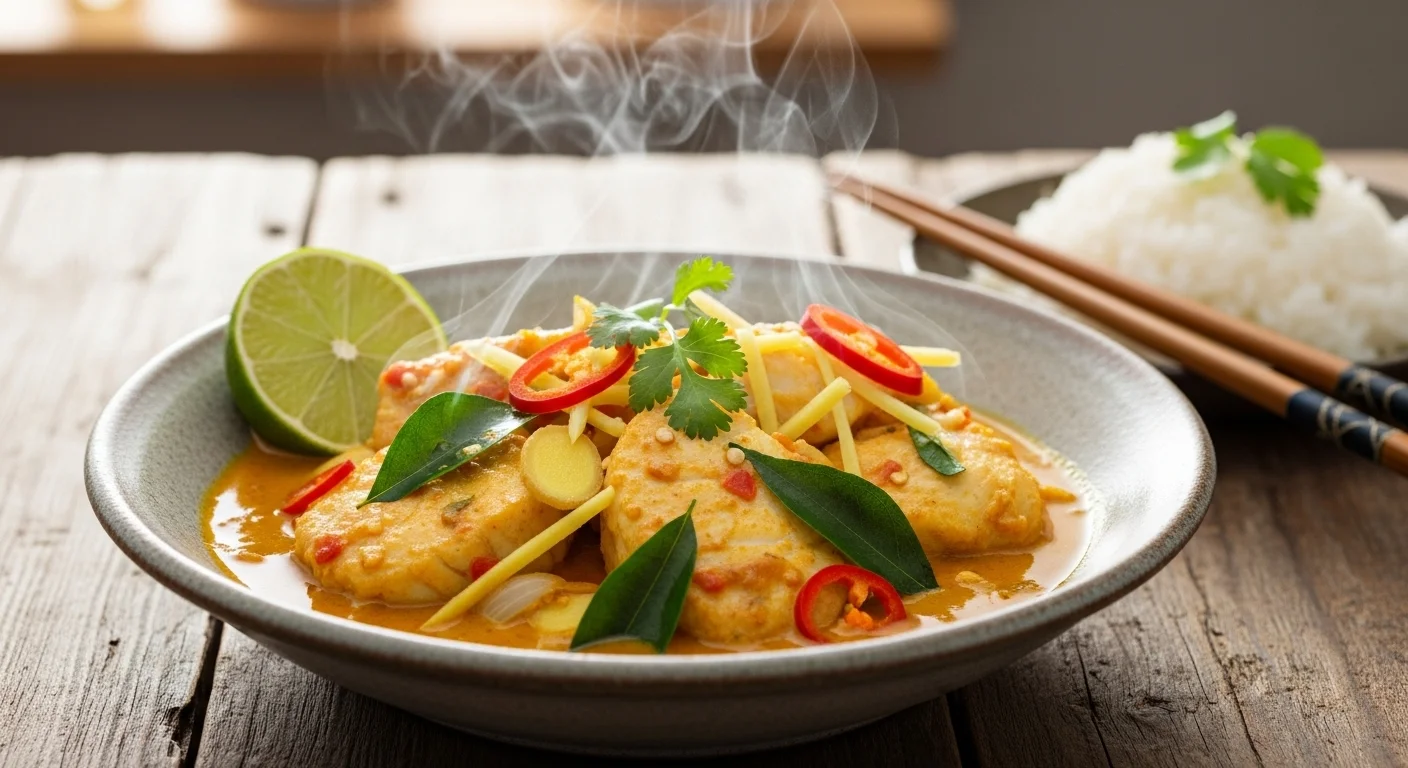
What is Quick Fish Curry?
Overview of the Dish
Quick fish curry is a delightful dish that brings together the rich flavors of spices and fresh fish. Originating from various regions, particularly in South Asia, this curry is known for its vibrant taste and aroma. I remember the first time I tried it; the warmth of the spices mixed with the tender fish was a revelation. It’s versatile, too! You can customize it based on what you have in your pantry or your taste preferences. This dish is perfect for those evenings when you want something hearty but don’t have hours to spend in the kitchen.
Key Ingredients
The beauty of quick fish curry lies in its simplicity and the freshness of its ingredients. Typically, you’ll need fish (like salmon, tilapia, or cod), onions, garlic, ginger, tomatoes, and a selection of spices such as turmeric, cumin, and coriander. I often find myself adding a splash of coconut milk to create a creamy texture, which elevates the dish even more. The combination of these key ingredients not only makes for a great taste but also a vibrant, colorful meal that looks as good as it tastes.
Health Benefits of Fish Curry
When it comes to health, fish curry packs a punch! Fish is an excellent source of protein, omega-3 fatty acids, and essential vitamins and minerals. I’ve learned that incorporating fish into our diets can improve heart health, boost brain function, and even enhance mood. Additionally, the spices used in curry, like turmeric, are known for their anti-inflammatory properties. Whenever I make fish curry, I feel like I’m not just treating my taste buds but nourishing my body as well.
Essential Ingredients for Quick Fish Curry
Fish Selection (Types of Fish to Use)
Choosing the right type of fish is crucial for a successful curry. I’ve found that firm, white fish like cod, haddock, or tilapia work wonderfully. They hold their shape well and absorb the spices beautifully. If you prefer a richer flavor, salmon is a fantastic choice. It adds a lovely depth to the dish. For me, it often depends on what I have in the freezer or what looks fresh at the market. Don’t hesitate to experiment with different types of fish to find your favorite combination!
Curry Base Ingredients (Spices and Aromatics)
The curry base is where the magic happens. I always start with onions, garlic, and ginger, sautéing them until they’re fragrant. Then I add my spices: turmeric for color, cumin for warmth, and coriander for that unique flavor profile. There’s something so satisfying about watching the spices bloom in the pan, releasing their aromas. I sometimes throw in a pinch of chili powder or fresh chilies if I’m in the mood for some heat. This base is the heart of the dish, and it sets the stage for everything that follows.
Vegetables to Include
While fish takes the spotlight, adding vegetables can enhance the dish and make it even healthier. I love to toss in some spinach or kale for a pop of color and nutrients. Bell peppers, carrots, or even eggplant can work beautifully, depending on what you have on hand. It’s a great way to sneak in more veggies, especially if you have picky eaters at home. The best part is that they cook quickly, so they fit perfectly into the 20-minute timeline. Additionally, you might enjoy The Internet Is Freaking Out Over This Veg Curry Hack for more vegetable ideas.
Optional Add-ins (Coconut Milk, Yogurt, etc.)
Coconut milk is one of my favorite optional ingredients. It adds a creamy texture and balances out the spices, creating a delightful contrast. If you’re looking for a lighter option, a dollop of yogurt can also work wonders, giving it a tangy flavor. I sometimes use a combination of both, especially when I’m feeling indulgent. Other add-ins like fresh herbs, such as cilantro or mint, can elevate the dish further, adding freshness and a burst of flavor right at the end.
Step-by-Step Cooking Instructions
Preparation Time and Tips
Getting ready to cook quick fish curry is part of the fun for me. I usually set aside about 10 minutes for prep. This includes chopping the onions, garlic, and ginger, and getting all my spices out. I’ve learned that having everything ready to go makes the actual cooking process so much smoother. It’s like having a mini cooking station! I recommend using a sharp knife to chop the vegetables quickly and safely. If you’re like me and don’t love spending too much time on prep, consider using a food processor for chopping. Just a quick pulse can save so much time and effort!
Cooking the Curry Base
Once everything is prepped, I heat a good amount of oil in a large skillet over medium heat. I like to use coconut oil or olive oil for a light flavor. When the oil is hot, I add the onions first, letting them cook until they start to turn golden. The smell is heavenly! Then comes the garlic and ginger; I sauté them for about a minute until fragrant. At this point, I add my spices—turmeric, cumin, and coriander. I feel like a magician watching those spices bloom and transform the oil into a vibrant golden color. If I’m feeling adventurous, I might even add a splash of fish sauce for an extra umami kick. Stirring often helps to prevent burning while ensuring those spices coat the onions beautifully.
Adding Fish and Vegetables
With the curry base ready, it’s time to add the stars of the dish: the fish and vegetables. I gently place the fish fillets into the skillet, making sure they are evenly nestled among the spices. Depending on the thickness of the fish, I usually let it cook for about 3-4 minutes on each side. The key here is to keep an eye on it to avoid overcooking, which I’ve done a few times! I then add any vegetables I’m using, like bell peppers or spinach. They cook quickly and add a lovely crunch and color to the curry. If I’ve decided to use coconut milk, I pour it in at this stage, letting everything simmer together for a few minutes until the fish is cooked through and the vegetables are tender.
Serving Suggestions
After about 15-20 minutes, I can barely contain my excitement as I plate the curry. I love serving it over a bed of fluffy rice—basmati or jasmine are my go-to choices. They soak up the delicious sauce perfectly. To add a touch of freshness, I sprinkle some chopped cilantro on top. If I want to elevate the dish even more, I serve it with a side of naan bread for dipping. There’s something so satisfying about tearing into warm naan and mopping up that rich curry sauce. Sometimes, I’ll even prepare a simple cucumber salad on the side, which adds a refreshing crunch that complements the warm spices beautifully.
Time-Saving Tips for Quick Fish Curry
Prepping Ingredients Ahead of Time
One of the best time-saving tips I’ve picked up is to prep ingredients ahead of time. On weekends, I’ll chop onions, garlic, and ginger, storing them in airtight containers in the fridge. This way, on weeknights, I can whip up my fish curry in no time! I’ve also noticed that washing and chopping vegetables in advance makes it so easy to toss them into the pan when I’m ready to cook. I can grab everything I need without any fuss, making weeknight dinners feel less stressful.
Using Frozen Fish
Another game-changer for me has been using frozen fish. It’s convenient and often just as fresh as what I find at the market. I keep a variety of fish in my freezer, so I can easily decide what I feel like cooking on any given night. I just take it out, let it thaw for a few hours, and it’s ready to go! Plus, frozen fish cooks up beautifully in the curry, absorbing all those wonderful flavors. I’ve found that it saves me the hassle of running out for fresh ingredients, especially on busy days.
One-Pot Cooking Techniques
Embracing one-pot cooking has been a lifesaver in my kitchen. I often make quick fish curry in a Dutch oven or a large saucepan, which allows me to cook everything in one vessel. This not only saves on cleanup but also helps the flavors meld together beautifully. I’ve discovered that this method works particularly well when I throw in the vegetables after the fish has started cooking, letting everything simmer together. It’s efficient and delicious, allowing me to savor the meal without worrying about multiple dishes piling up in the sink!
Variations of Quick Fish Curry
Regional Variations (Indian, Thai, etc.)
I love how adaptable quick fish curry can be, reflecting different regional flavors. For example, when I make an Indian-style curry, I often enhance it with garam masala and serve it with basmati rice. On the other hand, when I lean towards a Thai version, I include lemongrass and kaffir lime leaves, and it’s fantastic with jasmine rice. I’ve played with different sauces as well, like red or green curry paste, which brings its unique zest to the dish. This versatility allows me to explore new flavors while still enjoying my favorite dish!
Vegetarian Alternatives
Sometimes, I crave the flavors of fish curry without the fish. In those moments, I’ve made a delicious vegetarian version using tofu or chickpeas. The spices and coconut milk still shine through, and it’s just as satisfying. I often add hearty vegetables like sweet potatoes or cauliflower, which absorb the curry sauce beautifully. It’s amazing how a few simple swaps can transform this dish into a delightful meat-free option! You might also enjoy Quick Mexican tacos without sugar for another delicious alternative.
Spice Level Adjustments
Adjusting the spice level is something I’ve experimented with over time. I’ve learned that even a pinch more chili powder or fresh chilies can change the whole experience. I usually start light and then taste as I go, adding more spice if I’m in the mood for heat. For those who prefer a milder flavor, I often suggest balancing it out with a bit more coconut milk or serving it with yogurt on the side. It’s all about finding that perfect balance that makes everyone at the table happy!
Pairing Suggestions
Best Sides to Serve with Fish Curry
When I prepare quick fish curry, I love to think about what I can serve alongside it to create a complete meal. A vibrant side dish can elevate the whole experience! One of my go-to sides is a simple cucumber salad, which adds a refreshing crunch. I like to toss together diced cucumber, tomatoes, and a squeeze of lemon juice, sometimes with a sprinkle of salt and pepper. It balances the rich flavors of the curry perfectly.
Another fantastic option is roasted or sautéed vegetables. I often prepare a medley of seasonal veggies like zucchini, bell peppers, and asparagus, drizzled with a bit of olive oil and seasoned with salt and pepper. The caramelization from roasting brings out natural sweetness, which complements the spiciness of the curry.
Recommended Breads and Rice
Rice is a classic companion for any curry, and I usually opt for something aromatic like basmati or jasmine rice. The fluffy grains soak up the delicious curry sauce beautifully. I sometimes add a pinch of saffron or cardamom to the cooking water for an extra layer of flavor. If I’m in the mood for something more indulgent, I love serving the curry with warm naan or roti. The soft, pillowy bread is perfect for scooping up the curry, and there’s something so comforting about it! Occasionally, I’ll even make garlic naan at home, which adds an irresistible aroma to the meal.
Complementary Beverages
When it comes to beverages, I think a good drink can enhance the flavors of the meal. For me, a chilled glass of white wine, like Sauvignon Blanc or a light Riesling, pairs beautifully with the spices in the fish curry. The crispness complements the dish without overpowering it. If I’m looking for a non-alcoholic option, I often turn to coconut water or a simple mint lemonade. The refreshing qualities of these drinks balance the heat from the curry and keep the meal light and enjoyable.
Common Mistakes to Avoid
Overcooking Fish
One of the biggest mistakes I’ve made when cooking fish curry is overcooking the fish. It can go from tender and flaky to dry and rubbery in a matter of minutes. I’ve learned that it’s better to err on the side of caution. I usually check for doneness around the 3-4 minute mark, depending on the thickness of the fillets. Using a fork, I gently flake the fish to see if it’s opaque and easily separates. If it’s still slightly translucent in the center, I let it cook for another minute. This way, I ensure the fish is perfectly cooked and melts in your mouth!
Imbalance of Spices
Another common pitfall is getting the spice balance wrong. It can be tricky, especially if you’re excited about adding a bit more heat or flavor. When I first started making fish curry, I would often throw in spices without tasting as I went. I’ve since learned that it’s important to start small and build up the flavors gradually. I typically add spices a little at a time, tasting as I go to find that perfect harmony. If I accidentally go a bit overboard, I remedy it with a splash of coconut milk or some extra veggies to create balance.
Not Using Fresh Ingredients
Fresh ingredients truly make a difference in quick fish curry. I remember once using wilted herbs and stale spices, and the meal just didn’t have the same vibrancy. I always make an effort to check the freshness of my ingredients before starting. Fresh herbs, like cilantro or mint, can elevate the dish at the end, offering a burst of flavor and brightness. I recommend visiting local markets or checking your pantry to ensure your spices are not expired. Trust me, your taste buds will thank you!
FAQs about Quick Fish Curry
Can I Use Different Types of Fish?
Absolutely! One of the joys of making quick fish curry is the flexibility in choosing fish. I’ve tried different types, from tilapia and cod to salmon and even shrimp. Each brings its unique flavor and texture to the dish. Just keep in mind that cooking times may vary depending on the type and thickness of the fish, so adjust your cooking time accordingly.
How to Store Leftover Fish Curry?
Storing leftover fish curry is simple. I usually let it cool to room temperature, then transfer it to an airtight container. It can be kept in the fridge for about 2-3 days. When reheating, I suggest doing so gently on the stovetop, adding a splash of water or coconut milk if it seems too thick. This keeps the flavors intact and prevents the fish from becoming overcooked.
What Can I Substitute for Coconut Milk?
If you’re not a fan of coconut milk or need a substitute, I’ve found that almond milk or cashew cream can work well in a pinch. They provide a similar creaminess without the coconut flavor. For a richer alternative, you could also use heavy cream, but I recommend adjusting the spices a bit to find the right balance. It’s all about experimenting and finding what works best for your palate!
Frequently Asked Questions
What is quick fish curry?
Quick fish curry is a delightful dish that combines the rich flavors of spices and fresh fish, typically prepared in just 20 minutes. It is versatile and can be customized based on available ingredients and personal taste preferences.
What are the key ingredients for quick fish curry?
The key ingredients typically include fish (like salmon, tilapia, or cod), onions, garlic, ginger, tomatoes, and spices such as turmeric, cumin, and coriander. Optional add-ins like coconut milk can enhance the dish’s texture and flavor.
What types of fish are recommended for quick fish curry?
Firm, white fish like cod, haddock, or tilapia are great choices as they hold their shape well and absorb spices beautifully. Salmon is a fantastic option for a richer flavor.
How can vegetables be incorporated into quick fish curry?
Vegetables can enhance the dish’s flavor and nutrition. Options include spinach, kale, bell peppers, carrots, or eggplant, which cook quickly and fit within the 20-minute preparation time.
What are some time-saving tips for making quick fish curry?
Time-saving tips include prepping ingredients ahead of time, using frozen fish for convenience, and employing one-pot cooking techniques to reduce cleanup and enhance flavor integration.
What are some variations of quick fish curry?
Variations include regional styles such as Indian or Thai, using different spices and cooking techniques. Vegetarian alternatives can be made using tofu or chickpeas, and spice levels can be adjusted to personal preference.
What sides pair well with quick fish curry?
Good side options include cucumber salad for a refreshing crunch, and aromatic rice like basmati or jasmine. Warm naan or roti also complement the dish nicely.
How should leftover fish curry be stored?
Leftover fish curry should be cooled to room temperature and stored in an airtight container in the fridge for about 2-3 days. Reheat gently on the stovetop, adding a splash of water or coconut milk if necessary.
What can be used as a substitute for coconut milk?
Substitutes for coconut milk include almond milk, cashew cream, or heavy cream. Adjust spices as needed to maintain the dish’s flavor profile when using these alternatives.
What common mistakes should be avoided when making quick fish curry?
Common mistakes include overcooking the fish, using an imbalance of spices, and not using fresh ingredients. It’s important to monitor cooking times and taste as you go for the best results.