
Craving a flavorful dish that combines the best of Italian and Indian cuisines? Try this quick Italian curry without cream! It’s a delightful fusion that’s not just easy to make but also bursting with vibrant flavors.
The Charm of Italian Curry
As someone who adores both Italian and Indian food, I’ve often found myself wondering what it would be like to combine the two. I remember one evening, tired of the same old pasta dishes, I decided to experiment in my kitchen. The result was a delightful Italian curry that didn’t involve any heavy cream, yet still delivered on taste. It was a game changer for me, and I believe it could be for you too! Creating a curry with Italian flavors means incorporating elements we all love: fresh herbs, ripe tomatoes, and hearty vegetables. I found that using spices typically found in Indian cooking, like garam masala and turmeric, alongside classic Italian ingredients, created a unique dish that satisfied both cravings. Plus, it’s quick to whip up, making it perfect for busy weeknights.
Gathering Your Ingredients
Before diving into the cooking process, let’s talk about what you’ll need. I’ve learned that having all the right ingredients on hand makes the experience much smoother. Here’s a basic list of what works well for this recipe:
- 2 tablespoons olive oil
- 1 large onion, chopped
- 3 cloves garlic, minced
- 1 bell pepper, chopped (red or yellow for sweetness)
- 2 medium tomatoes, diced
- 1 cup chickpeas (canned for convenience)
- 1 medium zucchini, diced
- 1 cup fresh spinach (or any leafy greens you like)
- 2 tablespoons curry powder
- 1 tablespoon garam masala
- Salt and pepper to taste
- Fresh basil or parsley for garnish
Feel free to adjust these ingredients based on what you have available or to suit your taste. I often like to throw in whatever veggies are left in my fridge, making this dish versatile and a great way to reduce food waste.
Cooking Steps for Quick Italian Curry
Now that we have our ingredients ready, let’s get cooking! I remember the first time I made this dish; I was a little unsure about how the flavors would meld, but it turned out to be incredibly delicious and satisfying.
1. **Heat the olive oil:** In a large pan over medium heat, I start by adding the olive oil. As it warms up, I can almost smell the richness waiting to be infused into our dish.
2. **Sauté the aromatics:** Next, I toss in the chopped onion and sauté it until it’s translucent. This usually takes about 5 minutes. I love how the onions start to caramelize and create a sweet base for the curry. Then, I add the minced garlic, letting it cook for another minute until it’s fragrant. This step is crucial because the aroma is just heavenly!
3. **Add the bell pepper and tomatoes:** After the onions and garlic are ready, I throw in the chopped bell pepper and diced tomatoes. The colors are so vibrant, and I can’t help but feel excited about how delicious this dish will be. I stir everything together and let it simmer for about 5-7 minutes, allowing the tomatoes to break down and create a lovely sauce.
4. **Introduce the spices:** This is where the magic happens! I add the curry powder and garam masala, stirring to coat the vegetables. The spices will start to release their essential oils, filling the kitchen with an irresistible aroma. I often find myself tasting a little at this stage, adjusting the flavors with salt and pepper. It’s amazing how just a pinch can elevate the dish!
5. **Incorporate the chickpeas and zucchini:** Once the spices are well mixed, I add the chickpeas and zucchini. Chickpeas bring a wonderful protein boost, making the dish hearty and filling. I stir everything together, letting it cook for another 5-10 minutes until the zucchini is tender but still has a bit of crunch.
6. **Final touches with spinach:** Just before serving, I add the fresh spinach. I love how it wilts down, adding not only nutrients but also a beautiful splash of green to the dish. It’s quick, just a couple of minutes will do. I make sure to stir everything together one last time.
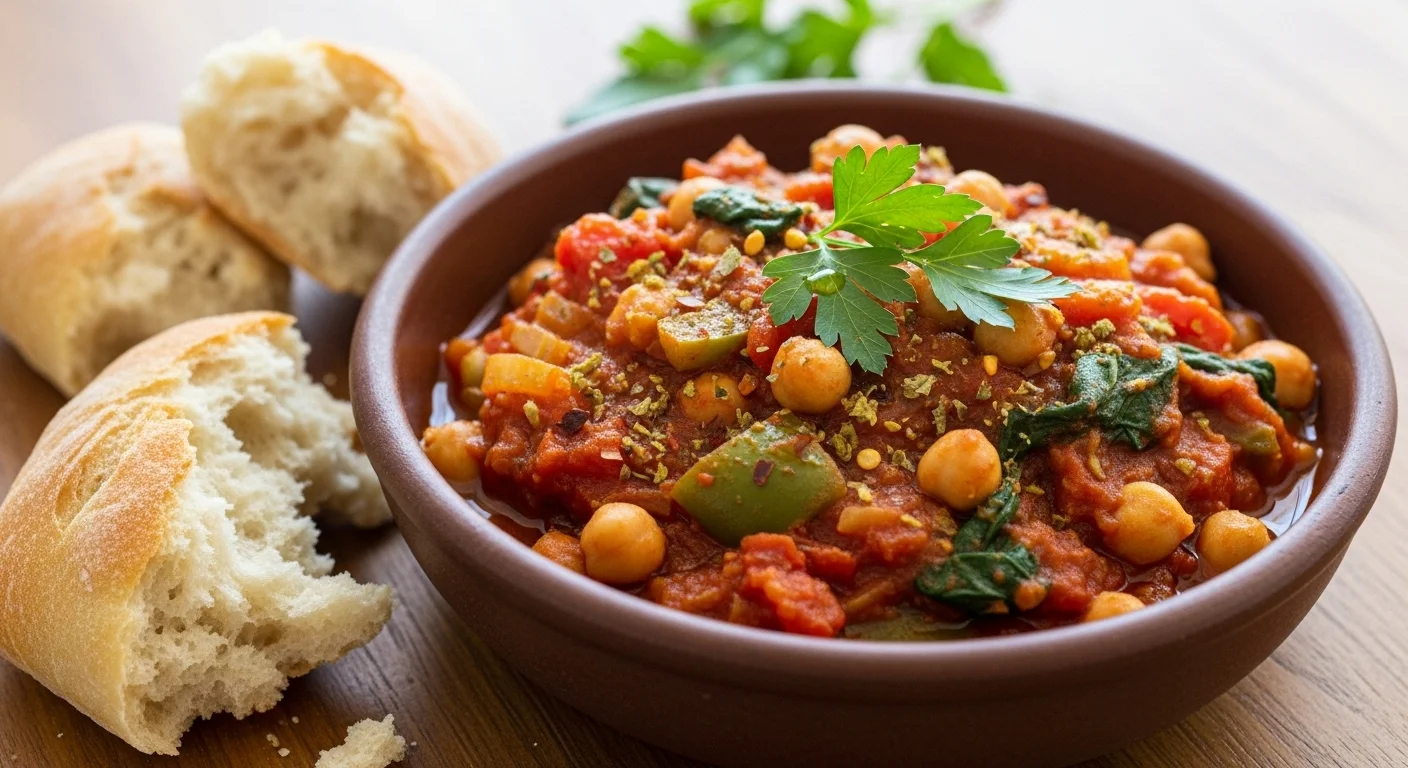
7. **Serve it up:** To serve, I like to ladle the curry into bowls and garnish it with fresh basil or parsley. The aroma wafting from the bowl is simply intoxicating. I often pair it with a side of crusty bread or serve it over rice, but it’s equally tasty on its own.
Why This Quick Italian Curry Works
This unique dish has become one of my go-to meals because it’s not only quick and easy but also incredibly satisfying. The blend of spices and fresh ingredients makes it feel indulgent without the heaviness of cream. I also appreciate that it’s a one-pan meal, which means less cleanup—a win for any home cook!
Another thing I love about this recipe is its flexibility. You can easily switch up the vegetables or spices based on what you have on hand or what’s in season. I’ve tried adding eggplant and even sweet potatoes, and each time it turns out deliciously different but equally satisfying. I think that’s the beauty of cooking; it’s all about experimentation and finding what works for you!
Pairing Suggestions for Your Italian Curry
When it comes to food, I love to pair dishes that complement each other, and this Italian curry is no exception. I’ve spent many evenings experimenting with various sides and drinks, and I’ve found some delightful combinations that elevate the whole experience. Here are a few of my favorites:
Bread: The Perfect Companion
For me, nothing beats a warm, crusty bread to scoop up this flavorful curry. I often opt for a rustic Italian loaf or a soft naan, which really brings out the flavors. There’s something so satisfying about tearing off a piece of bread and diving into the curry. It makes dinner feel more communal and cozy. I remember one night, I had friends over, and we all gathered around the table, sharing stories and dipping our bread into the curry. It created such a warm, inviting atmosphere.
Rice: A Classic Choice
If I’m in the mood for a heartier meal, I usually serve the curry over a bed of fluffy rice. Jasmine rice adds a subtle floral aroma that complements the spices in the curry beautifully. I’ve also tried brown rice for a nuttier flavor, and it turned out great. The rice absorbs the sauce, making every bite a delight. I often set out a bowl of rice alongside the curry and let everyone serve themselves; it’s a fun, family-style way to enjoy the meal.
Salad: A Fresh Contrast
Sometimes, I like to balance the richness of the curry with a light, refreshing salad. A simple green salad with arugula, cherry tomatoes, and a squeeze of lemon can be the perfect counterpoint to the savory dish. I’ve even added some diced avocado for creaminess, which adds another layer of flavor. The crispness of the salad contrasts with the curry’s warmth, creating a delightful harmony on the plate.
Wine Pairings
As someone who enjoys a good glass of wine, I’ve spent time discovering what pairs well with this Italian curry. I’ve found that a light-bodied white wine, like Pinot Grigio, complements the flavors nicely without overpowering them. The acidity cuts through the spices, enhancing the overall experience. If I’m feeling adventurous, I might even try a lightly chilled red wine, like a Beaujolais, which has fruity notes that can harmonize with the dish. It’s a little unconventional, but I’ve learned that sometimes the best pairings come from taking risks!
Making It Your Own
One of the joys of cooking, in my opinion, is making a recipe truly your own. I love to experiment with different ingredients and flavors to create something unique. For instance, I sometimes swap out the chickpeas for lentils, which offer a different texture and taste. I’ve also had success adding roasted vegetables like carrots or cauliflower. They bring a lovely sweetness to the dish and make it even more filling. The beauty of this curry is its adaptability; you can cater it to your family’s preferences or what you have on hand.
Another fun way to personalize this dish is by adjusting the spice levels. I have a friend who loves heat, so I’ve experimented by adding red pepper flakes or even a dash of cayenne pepper to the mix. On the other hand, if you prefer a milder flavor, feel free to go easy on the spices. I remember one evening, I created a milder version for my kids by cutting back on the curry powder and garam masala. They loved it! It was a win-win situation for everyone.
Storing Leftovers
Let’s be honest; sometimes we just can’t finish everything in one go. I’ve learned that this Italian curry stores beautifully for leftovers. After cooking, I let it cool down before transferring it to an airtight container. It usually keeps well in the fridge for about three to four days. I’ve even found that the flavors deepen overnight, making the leftovers taste even better the next day. Just reheat it on the stovetop or in the microwave, and it’s as good as new!
If I happen to have a lot left over, I’ve tried freezing it too. Portioning it out into freezer-safe containers allows me to have a quick meal ready for those busy nights when cooking feels like too much. I just label the containers with the date and pop them in the freezer. It’s a lifesaver, especially when life gets hectic!
Sharing the Joy
One of the best parts about cooking is sharing it with others. I love inviting friends or family over to enjoy this Italian curry together. It’s amazing how food can bring people together and create lasting memories. I’ve found that my friends appreciate the unique flavors and often ask for the recipe afterward. It’s such a joy to share something I’ve created with my own hands.
For those special occasions, I sometimes like to make it the star of a dinner party. I set the table with colorful plates, a simple floral arrangement, and maybe even some candles to create a cozy ambiance. It’s incredible how a home-cooked meal can turn an ordinary evening into something extraordinary.
Exploring Variations of Italian Curry
One of the most exciting aspects of cooking is that there’s always room for creativity. I’ve enjoyed exploring different variations of my Italian curry, and I think you might too! Each tweak makes the dish feel fresh and new, and it’s a great way to keep your meals interesting. Here are some variations I’ve come to love:
Protein Swaps
I often like to switch up the protein sources in my curry to suit my mood or dietary preferences. While chickpeas are my go-to, I’ve discovered that adding chicken or shrimp can elevate the dish in wonderful ways. When I opt for chicken, I usually sauté bite-sized pieces in the olive oil before adding the onions, allowing it to cook through before introducing the other ingredients. The chicken absorbs the spices beautifully, making each bite flavorful and satisfying. With shrimp, I add them towards the end of cooking, allowing them to turn pink and tender without overcooking. It’s fun to see how a simple protein swap can change the whole dynamic of the dish!
Different Spice Profiles
Another way I like to play with this recipe is by adjusting the spice profile. While curry powder and garam masala are fantastic, I’ve had success experimenting with different spice blends. For instance, on days when I crave something with a bit of a kick, I reach for a Thai red curry paste. The heat combined with the Italian flavors creates a unique fusion that’s both exciting and comforting. I also enjoy adding a pinch of smoked paprika or cumin for a smokier flavor that adds depth. The beauty of cooking is that it allows for exploration, and I find joy in discovering new flavor combinations!
Adding Fruits for Sweetness
In my culinary adventures, I’ve also tried adding fruits to my Italian curry, which adds a surprising twist. Pineapple is one of my favorites; its natural sweetness balances the spices beautifully. I remember one evening, I diced some fresh pineapple and tossed it in just a few minutes before serving. The bursts of sweet and tangy flavor were a delightful contrast to the savory elements of the dish. Similarly, I’ve enjoyed adding diced apples or even raisins on occasion. It’s these little surprises that keep my family on their toes during dinner!
Seasonal Variations
Cooking seasonally has become a priority for me, and I love adapting my Italian curry to incorporate fresh, seasonal produce. In the summer, I might add fresh corn or diced bell peppers, taking advantage of the crisp, sweet flavors of the season. During fall, I find myself tossing in pumpkin or butternut squash, which adds a warm, comforting vibe to the dish. I look forward to winter when root vegetables like carrots and parsnips can be included—they bring a hearty, earthy flavor that’s simply wonderful. Cooking with the seasons not only enhances the flavors but also brings a sense of connection to what’s fresh and available around us.
Vegan and Plant-Based Options
As I’ve explored plant-based eating, I’ve found that this Italian curry is incredibly accommodating for vegan diets. The core ingredients lend themselves beautifully to a completely dairy-free version. I like to substitute any non-vegan protein with lentils or tofu, ensuring a satisfying and nutritious meal. When using tofu, I prefer to press it beforehand to remove excess moisture, then cut it into cubes and sauté it to create a crispy texture before adding it to the curry. It’s a great way to add protein while keeping everything plant-based!
Serving Styles
How I serve my Italian curry can also vary depending on the occasion. For a casual weeknight dinner, I might just ladle it straight into bowls and let everyone dig in. However, for a special gathering, I like to elevate the presentation. I’ve found that serving the curry in a large dish with a colorful array of toppings, like chopped cilantro, sliced green onions, or a dollop of yogurt, makes it feel festive. It encourages everyone to customize their bowls, creating a fun, interactive dining experience.
Exploring Regional Influences
As I’ve learned more about food from different regions, I’ve enjoyed incorporating various cooking styles into my Italian curry. For example, I’ve found inspiration from Mediterranean cuisines, adding olives or artichokes to the mix for a briny contrast that enhances the dish’s depth. I’ve also experimented with North African influences, adding harissa or preserved lemons for a unique twist. Each regional influence brings its own flavor profile, making the curry an exciting canvas for experimentation.
Every time I tweak the Italian curry recipe, I’m reminded of the endless possibilities that cooking offers. It reminds me that food is not just about nourishment but also about creativity, exploration, and joy. I encourage you to dive into your own kitchen adventures and discover how you can make this dish uniquely yours!
Frequently Asked Questions
“`htmlWhat ingredients do I need to make Italian curry?
You will need 2 tablespoons of olive oil, 1 large chopped onion, 3 cloves of minced garlic, 1 chopped bell pepper (red or yellow), 2 medium diced tomatoes, 1 cup of canned chickpeas, 1 medium diced zucchini, 1 cup of fresh spinach, 2 tablespoons of curry powder, 1 tablespoon of garam masala, salt and pepper to taste, and fresh basil or parsley for garnish.
How do I cook the Italian curry?
Start by heating olive oil in a pan, sautéing chopped onion until translucent, then adding minced garlic. Next, incorporate chopped bell pepper and diced tomatoes, allowing them to simmer. After that, add curry powder and garam masala, followed by chickpeas and zucchini. Finally, stir in fresh spinach before serving.
Can I customize the ingredients in the Italian curry?
Yes, you can adjust the ingredients based on what you have available or to suit your taste. You can add different vegetables, swap chickpeas for lentils, or modify the spices to create a unique dish.
What are some suggested pairings for Italian curry?
Some popular pairings include warm crusty bread, fluffy rice (like jasmine or brown rice), and a light green salad. These sides complement the flavors of the curry nicely.
What type of wine pairs well with Italian curry?
A light-bodied white wine, such as Pinot Grigio, works well as it complements the flavors without overpowering them. A lightly chilled red wine, like Beaujolais, can also be a good option.
How can I store leftovers of the Italian curry?
Let the curry cool before transferring it to an airtight container. It can be stored in the fridge for about three to four days, and the flavors may deepen overnight. You can also freeze it for longer storage in freezer-safe containers.
Can I make the Italian curry vegan?
Yes, the Italian curry can be made vegan by using lentils or tofu instead of non-vegan proteins. Tofu should be pressed and sautéed to create a crispy texture before adding it to the dish.
What are some variations I can try with the Italian curry?
You can experiment with different proteins like chicken or shrimp, adjust the spice profile by using different blends, add fruits like pineapple for sweetness, or include seasonal vegetables to enhance the dish’s flavor.
Is it possible to adjust the spice level in the Italian curry?
Absolutely! You can increase the heat by adding red pepper flakes or cayenne pepper, or reduce the spices for a milder flavor based on your preference.
How can I make the presentation of the Italian curry more festive?
For a festive presentation, serve the curry in a large dish with colorful toppings like chopped cilantro, sliced green onions, or a dollop of yogurt, allowing guests to customize their bowls.
“`