
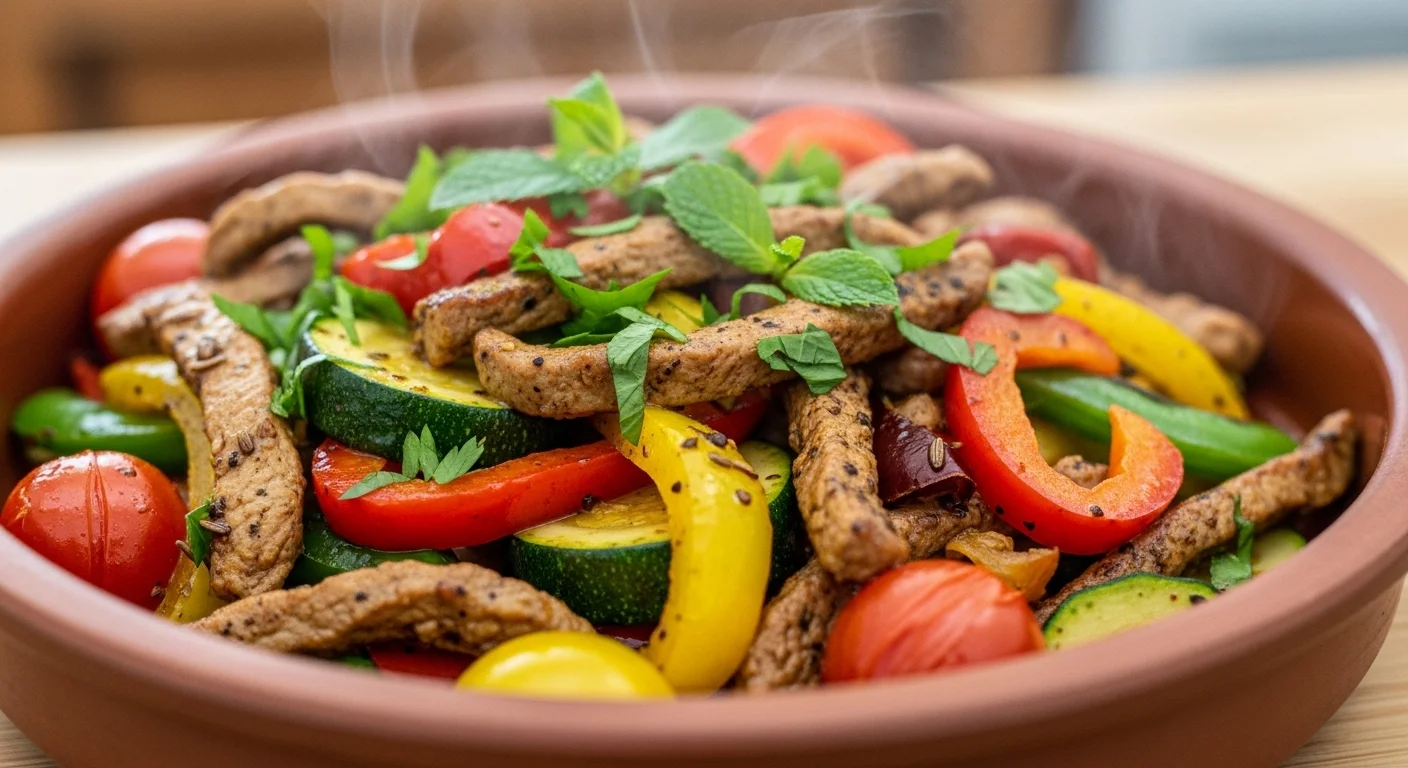
Craving a delicious, quick meal? This Middle Eastern stir fry without eggs is packed with flavor and nutrients, perfect for busy weeknights or when you want something light yet satisfying. Let’s dive into this vibrant dish that’s sure to impress!
Gathering the Ingredients
When I set out to make a quick Middle Eastern stir fry, I realized the beauty of this dish lies in its simplicity and the variety of flavors it offers. You can mix and match ingredients based on what you have at home or what inspires you at the market. Here’s what I like to keep on hand for a delightful stir fry:
Fresh Vegetables
Every stir fry starts with fresh vegetables. I usually go for a colorful mix, and here’s what often ends up in my pan:
- Bell Peppers: I love the sweetness and crunch they add. Red, yellow, or green, they all work well.
- Zucchini: This adds a nice texture and absorbs flavors beautifully.
- Carrots: Thinly sliced, they bring sweetness and color to the dish.
- Broccoli or Cauliflower: These provide a hearty bite and are rich in nutrients.
- Onions: I often use red onions for their mild sweetness, but yellow onions work too.
Proteins
Since we’re making a stir fry without eggs, I like to include proteins that complement the vegetables well. My go-to choices are:
- Chickpeas: Packed with protein and fiber, chickpeas are a fantastic addition. I usually use canned ones for convenience.
- Tofu: If I’m looking for something a bit more filling, I’ll sauté some firm tofu, which absorbs seasoning wonderfully.
- Lentils: Cooked lentils can add heartiness as well, and they’re great if you want to keep things plant-based.
Spices and Seasoning
The magic of Middle Eastern cuisine lies in its spices. Here’s what I typically use to create a flavor-packed stir fry:
- Cumin: This earthy spice adds warmth and depth. I always keep ground cumin in my spice cabinet.
- Coriander: Another essential, it brings a fresh, citrusy note that brightens the dish.
- Turmeric: I love how this vibrant spice not only adds color but also a subtle flavor that ties everything together.
- Sumac: A personal favorite, it adds a tangy brightness that’s unique to Middle Eastern dishes.
- Salt and Pepper: Classic but essential for bringing out the flavors of the ingredients.
Healthy Fats
I’ve found that a drizzle of healthy fat can elevate the dish significantly. Here are my preferred choices:
- Olive Oil: A staple in Middle Eastern cooking, it adds richness and depth.
- Sesame Oil: Just a small amount can give the stir fry a nutty aroma.
Cooking Method
Now that we have our ingredients ready, let’s talk about how to put everything together. The beauty of a stir fry is that it comes together quickly, allowing you to enjoy a meal without spending hours in the kitchen.
Preparation
First, I chop all my vegetables into bite-sized pieces. I usually start with the harder vegetables, like carrots and broccoli, and then move on to softer ones, like bell peppers and zucchini. This way, everything cooks evenly. I also prepare my protein — rinsing and draining the chickpeas or pressing and cubing the tofu. If I’m using lentils, I’ll make sure they’re cooked and ready to go.
Stir Frying Step-by-Step
Here’s how I typically cook my stir fry:
- Heat your pan: I usually use a large skillet or a wok for this. I heat it on medium-high and add a tablespoon of olive oil.
- Add the hard vegetables: I start with carrots and broccoli, sautéing them for about 3-4 minutes until they begin to soften.
- Introduce the softer vegetables: Next, I add the bell peppers, zucchini, and onions. I stir everything together and let it cook for another 3-4 minutes.
- Add the protein: Once the vegetables are vibrant and slightly tender, I toss in the chickpeas (or tofu) and stir well.
- Season it up: Now comes the fun part! I sprinkle in cumin, coriander, turmeric, salt, and pepper. I also add a bit of sumac for that extra zing. I mix everything thoroughly, allowing the spices to coat the veggies and protein evenly.
- Add a splash of water: If the mixture seems too dry, I add a tablespoon or two of water to create a bit of steam, helping everything cook through.
- Finish and serve: After everything is cooked to my liking (about 10-12 minutes total), I remove it from the heat. I love serving it with a sprinkle of fresh herbs like parsley or cilantro for an added fresh touch.
Serving Suggestions
When I serve my stir fry, I sometimes pair it with fluffy couscous or quinoa to soak up all those delicious flavors. I’ve also enjoyed it with a side of warm pita bread or over a bed of greens for a lighter option.
This quick Middle Eastern stir fry without eggs is not only a feast for the senses but also a simple way to enjoy a healthy meal without much fuss. With a little prep and the right ingredients, you can create a dish that’s not only tasty but also satisfying and nutritious. I can’t wait to share more tips and variations with you in the next part!
Variations and Customizations
One of the things I love about cooking is the freedom to experiment. This Middle Eastern stir fry is no exception. Depending on what I have on hand or what I’m in the mood for, I often switch things up. Here are some variations and customizations that I enjoy and think you might too!
Vegetarian or Vegan Options
For those of us who prefer a vegetarian or vegan lifestyle, this dish is incredibly adaptable. If chickpeas and tofu are not your thing, there are plenty of other plant-based proteins to consider. I’ve tried using tempeh, which has a nutty flavor and a firmer texture. Just like tofu, it soaks up the seasonings beautifully. Another option is using seitan, which has a chewy texture that mimics meat perfectly. Either choice adds a hearty element to the stir fry.
Adding Nuts and Seeds
Sometimes, I crave a bit of crunch in my meals. That’s when I reach for nuts and seeds. Toasted almonds or pine nuts can add a delightful texture and flavor. I often sprinkle them on top just before serving. If I’m in the mood for something a little different, I might toss in some sesame seeds for that nutty aroma I love. They not only enhance the taste but also provide a nice visual appeal!
Experimenting with Sauces
While the basic seasoning is fantastic, I’ve found that adding sauces can elevate the dish even more. For a bit of zing, I sometimes drizzle some tahini or a homemade tahini sauce on top. It adds creaminess and a touch of richness that complements the vegetables perfectly. Another favorite of mine is a splash of soy sauce or tamari for a savory note. If I want a bit of sweetness, I’ll use a dash of honey or maple syrup along with the soy sauce. This combination creates a beautiful balance of flavors.
Herb Infusions
Fresh herbs can breathe new life into any dish, and this stir fry is no different. I often like to add fresh herbs at the end of cooking, just before serving. Parsley and cilantro are my go-to choices, but I’ve also tried adding fresh dill for a unique twist. Not only do these herbs add a burst of freshness, but they also bring a pop of color that makes the dish even more appealing.
Using Whole Grains
While couscous and quinoa are fantastic bases for this stir fry, I’ve also experimented with other whole grains. Brown rice is a hearty option that pairs beautifully with the flavors of the dish. If I’m feeling adventurous, I might even try farro or barley. They add a nice chewy texture and really round out the meal. Plus, whole grains are packed with nutrients, making the dish even healthier!
Spicy Kick
For those of us who enjoy a little heat in our meals, adding some spice is a game changer. I often toss in some crushed red pepper flakes while cooking or finely chop a fresh chili pepper. If I’m feeling bold, I might even drizzle some sriracha or harissa over the top just before serving. It’s amazing how a little spice can transform a dish and make it even more exciting!
Seasonal Ingredients
In my experience, using seasonal ingredients can really enhance the flavor of any dish. In the summer, I love adding fresh corn or zucchini. In the fall, I might include roasted butternut squash or sweet potatoes. These ingredients not only vary the flavors but also make the meal feel fresh and vibrant. I’ve noticed that when I use what’s in season, my meals taste even more delicious.
Meal Prep and Storage
If you’re like me and sometimes find yourself short on time, meal prep is a lifesaver. I often prepare a big batch of this stir fry and store it in the fridge for quick lunches or dinners throughout the week. It keeps well for about 3-4 days, and I find that the flavors deepen as the ingredients sit together. Just reheat it on the stovetop or in the microwave, and you’re ready to enjoy a hearty meal in minutes!
Serving for Company
If I’m hosting friends or family, I love to serve this dish as part of a Middle Eastern-themed dinner. I’ll prepare a spread with hummus, tabbouleh, and warm pita bread. It’s not just about the food; it’s about creating a warm, inviting atmosphere. I find that sharing food brings us closer together, and this stir fry always gets rave reviews!
With all these variations and customizations, I hope you feel inspired to make this stir fry your own. Each change can bring a new flavor profile and a different dining experience. I can’t wait to explore more delicious combinations and share those with you in the next part!
Health Benefits of the Ingredients
As I’ve dived deeper into cooking and nutrition, I’ve become more aware of the health benefits that come from the ingredients in my Middle Eastern stir fry. It’s not just about flavor; it’s about nourishing our bodies too. Here’s what I’ve learned about some of the key components of this dish.
Vegetables
Vegetables are the stars of this stir fry, and for a good reason. Each vegetable brings its own set of nutrients. For instance, bell peppers are rich in vitamin C, which supports our immune system. I remember the first time I learned that just one cup of red bell peppers can provide more than 100% of our daily needs! Broccoli and cauliflower, on the other hand, are full of fiber and antioxidants that help reduce inflammation and promote digestive health.
Zucchini is another favorite of mine; it’s low in calories but high in vitamins A and C. Plus, it has a high water content, which is great for hydration. Carrots add a sweet crunch and are loaded with beta carotene, which our bodies convert to vitamin A, essential for good vision. By mixing all these veggies, I feel like I’m giving my body a colorful array of nutrients!
Plant-Based Proteins
Chickpeas and lentils are not only tasty but also packed with protein and fiber. They help keep me feeling full longer, which is a bonus when I’m trying to maintain my energy throughout the day. Chickpeas, in particular, are a great source of folate and manganese, which are important for various bodily functions. I often think about how these small legumes can pack such a powerful punch!
Tofu is another fantastic protein source. It’s versatile and can absorb any flavors you give it. I love that it’s also a complete protein, which means it contains all nine essential amino acids. This makes it a wonderful option for those of us following a plant-based diet. Plus, it contains calcium and iron, which are vital for bone health and energy production.
Healthy Fats
Olive oil is a staple in my kitchen, and for good reason. It’s rich in monounsaturated fats, which are heart-healthy and can help lower bad cholesterol levels. I try to remember that not all fats are created equal, and adding olive oil not only enhances flavor but also boosts the nutritional value of my stir fry. I find it’s a delightful way to incorporate healthy fats into my meals.
Sesame oil is another gem that I love to drizzle at the end. It’s high in antioxidants and has been linked to several health benefits, including improved heart health and anti-inflammatory properties. Just a little bit goes a long way in maximizing flavor!
Spices
The spices in my stir fry do more than just add flavor; they also come with health benefits that are hard to ignore. Cumin, for example, has been used for centuries in traditional medicine. I’ve learned that it can aid digestion and has antimicrobial properties. It’s fascinating how something so simple can have such a profound effect on our health!
Coriander is another spice I love. Beyond its citrusy flavor, it’s known for its ability to lower blood sugar levels and improve heart health. Turmeric, with its bright yellow hue, is a powerhouse of anti-inflammatory and antioxidant properties. I try to add it to as many dishes as I can, especially since I feel good knowing I’m doing something beneficial for my body.
Herbs
Herbs like parsley and cilantro aren’t just for garnish; they bring a whole host of health benefits. Parsley is rich in vitamins K and C, and cilantro is known for its ability to aid digestion and detoxify the body. I often feel a little burst of energy after adding fresh herbs to my meals, which is always a nice bonus!
Whole Grains
When I opt for whole grains like quinoa or brown rice as a base for my stir fry, I’m really adding a lot of nutritional value. Whole grains are packed with fiber, which supports digestive health and keeps me feeling full. They also contain important vitamins and minerals, including B vitamins, iron, magnesium, and selenium. I love how something as simple as a grain can provide such a range of nutrients!
With all these health benefits combined, I feel like each bite of my Middle Eastern stir fry is not only delicious but also nourishing. It’s gratifying to know that I’m fueling my body with wholesome ingredients while enjoying a meal that’s bursting with flavor. I can’t wait to share more cooking tips and ideas with you in the next part!
Final Thoughts
Reflecting on my journey with this Middle Eastern stir fry, I realize it represents more than just a quick meal for busy nights. It has become a canvas for creativity, a way for me to express my culinary preferences and adapt to the seasons. I often think about how food can connect us to our cultures and memories. Each time I make this dish, I remember the vibrant markets where I first discovered these spices and ingredients. It’s amazing how food can evoke such strong emotions and memories!
One of the things I cherish most about this stir fry is its versatility. I’ve seen friends and family alter the recipe to fit their tastes or dietary needs, which just goes to show how accommodating it can be. I’ve had my sister add in some fresh spinach or kale for extra greens, and my best friend swears by adding roasted red peppers for an added sweetness. These little tweaks can bring a whole new dimension to the dish, and it’s fun to share these variations with each other. I encourage you to explore what flavors resonate with you.
Another aspect I find delightful is the opportunity to turn this stir fry into a meal prep hero. On weekends, I often whip up a large batch, portion it out, and store it in the fridge. It’s such a relief to have a healthy meal ready to go during the week. Just a quick reheat, and I have a nourishing dinner that feels fresh, even after a couple of days. Plus, I love knowing that I have made something wholesome that I can feel good about nourishing my body with.
As I think about the health benefits we discussed, I feel even more motivated to choose ingredients that not only taste good but also do good for our bodies. It’s a reminder that the little choices we make in our cooking can add up to a big impact on our well-being. I’ve found that when I focus on feeding myself nourishing food, I feel more energized and ready to tackle whatever life throws my way.
I’ve also noticed that sharing meals, like this Middle Eastern stir fry, fosters connections. Whether it’s gathering friends for a casual dinner or cooking for my family, I feel that food brings us together. It creates an atmosphere of warmth and love, and everyone sitting around the table enjoying a meal nourishes not just our bodies but our relationships too. I remember hosting a dinner where I served this stir fry alongside homemade hummus and fresh pita. Watching everyone gather, share stories, and enjoy the meal filled my heart with joy. It’s those moments that I cherish the most.
As I wrap up my thoughts on this dish, I feel inspired to keep experimenting and exploring new combinations. Each time I make it, I challenge myself to try something new, whether it’s a different spice blend or a new vegetable. Cooking, for me, is a journey, and this stir fry is a beautiful part of that adventure. I hope you feel inspired to embrace your creativity in the kitchen too!
Thank you for joining me on this flavorful journey. I hope you give this Middle Eastern stir fry a try, and I’m excited to hear about the variations you create. Remember, the kitchen is your playground, and there’s always room for a little improvisation. Let’s keep cooking and sharing our love for food together!
Frequently Asked Questions
“`htmlWhat are the main ingredients needed for a Middle Eastern stir fry?
The main ingredients include fresh vegetables like bell peppers, zucchini, carrots, broccoli or cauliflower, and onions. Proteins such as chickpeas, tofu, or lentils are also essential, along with spices like cumin, coriander, turmeric, and sumac. Healthy fats like olive oil or sesame oil are recommended for cooking.
How do I prepare the vegetables for the stir fry?
Start by chopping all vegetables into bite-sized pieces. Begin with harder vegetables like carrots and broccoli, then move on to softer ones like bell peppers and zucchini to ensure even cooking.
What is the cooking method for this stir fry?
Heat a large skillet or wok on medium-high and add olive oil. Add hard vegetables first, sautéing for about 3-4 minutes, then introduce softer vegetables and cook for another 3-4 minutes. Add the protein, season with spices, and if necessary, add a splash of water to create steam. Cook for a total of about 10-12 minutes before serving.
Can this stir fry be made vegan?
Yes, the stir fry is highly adaptable for vegan diets. You can use plant-based proteins like chickpeas, tofu, tempeh, or seitan instead of any animal-based ingredients.
What are some recommended serving options for this stir fry?
This stir fry can be served with fluffy couscous, quinoa, warm pita bread, or over a bed of greens for a lighter option.
How can I customize the stir fry to add more flavor?
You can experiment with sauces like tahini or soy sauce, add nuts and seeds for crunch, toss in fresh herbs for flavor, or include seasonal ingredients to enhance taste and nutrition.
What health benefits do the ingredients in this stir fry provide?
The vegetables are rich in vitamins and antioxidants, chickpeas and lentils offer protein and fiber, and healthy fats from olive and sesame oil support heart health. Spices like cumin and turmeric have anti-inflammatory properties, while fresh herbs contribute additional vitamins.
How long can I store leftovers of this stir fry?
The stir fry can be stored in the fridge for about 3-4 days. The flavors tend to deepen as the ingredients sit together, making it a great option for meal prep.
What are some variations I can try with this stir fry?
You can add different vegetables, use various plant-based proteins, incorporate spices or sauces, or even include whole grains like brown rice, farro, or barley for a heartier meal.
How does cooking this stir fry connect to sharing meals with others?
This stir fry is not just a meal; it fosters connections. Sharing it with friends and family creates a warm atmosphere and promotes bonding over delicious food, making it an enjoyable experience for all.
“`