
Craving a quick, flavorful meal? This Middle Eastern stir fry without sugar is not only delicious but also incredibly easy to whip up. Let’s dive into the vibrant spices and fresh ingredients that will make your taste buds dance!
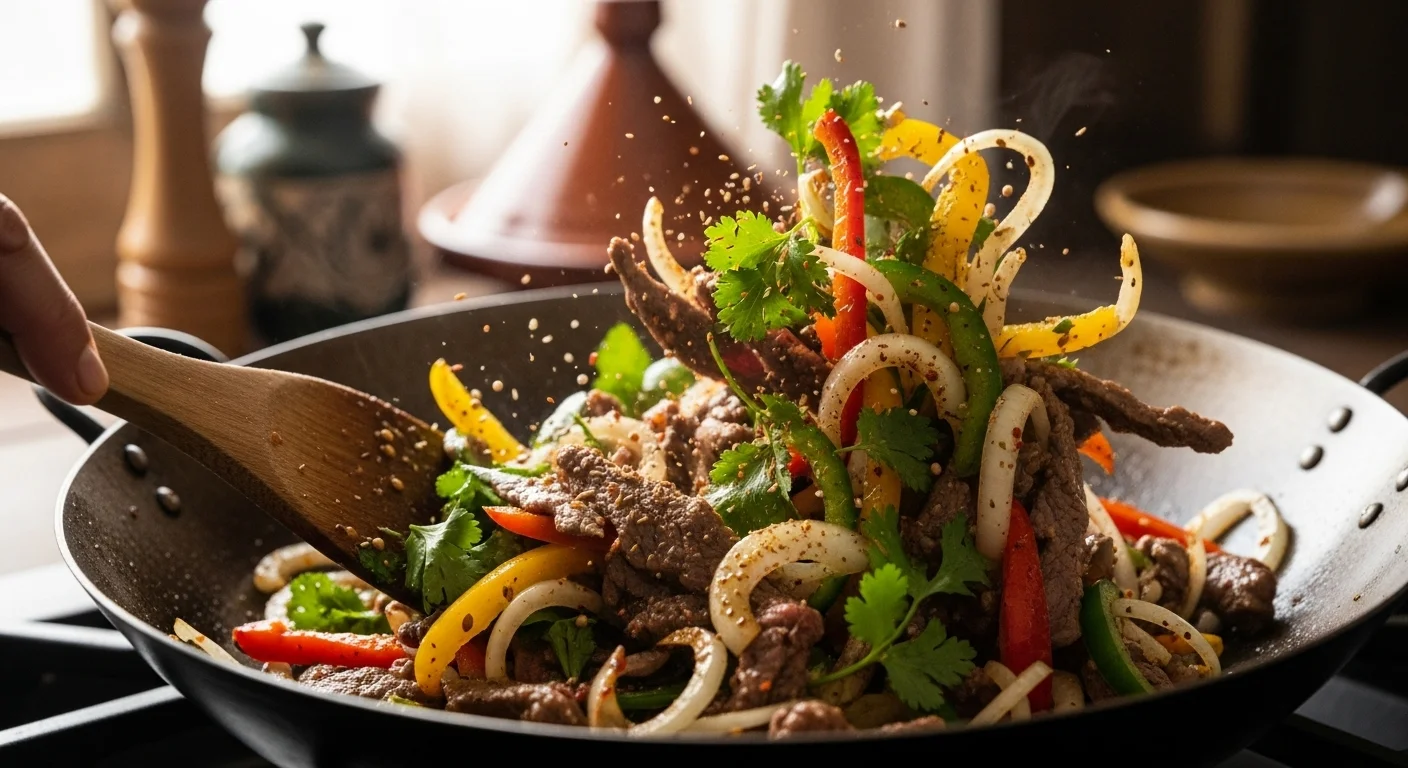
Understanding the Essentials of a Middle Eastern Stir Fry
When I think of Middle Eastern cuisine, my mind instantly fills with images of colorful spices, fresh herbs, and hearty vegetables. I remember the first time I ventured into making a stir fry inspired by this rich culinary tradition. It was a spontaneous decision, driven by my desire for something healthy yet bursting with flavor. I wanted to create a dish that was quick to prepare, free from sugar, and still satisfying. And let me tell you, I found it!
The Base Ingredients
The beauty of a stir fry lies in its versatility. You can tailor it to include your favorite vegetables and proteins, but I’ve discovered some essential ingredients that truly capture that Middle Eastern essence.
- Vegetables: Start with a colorful assortment like bell peppers, zucchini, and red onions. These not only add vibrant colors but also a range of flavors and textures. You can also throw in some spinach or kale for an extra nutrient boost.
- Proteins: Chicken, lamb, or chickpeas are wonderful options. I usually go for chicken because it cooks quickly and absorbs flavors well. However, for a vegetarian version, chickpeas are a fantastic choice as they provide a hearty texture and protein.
- Spices: The spice blend is what truly sets a Middle Eastern stir fry apart. I like to use cumin, coriander, paprika, and a pinch of cinnamon for warmth. The combination gives a depth that is simply irresistible.
- Fresh Herbs: Always add a handful of fresh herbs like parsley or cilantro. They add a refreshing layer that brightens the dish.
- Olive Oil: A good quality extra virgin olive oil is my go-to for sautéing. It’s not only healthier but also enhances the flavors of the spices.
Cooking Method
The method I use is straightforward, and I love how quickly everything comes together. Here’s how I usually go about it:
- Prep your ingredients: I start by chopping all my vegetables into bite-sized pieces. I find that slicing them evenly helps them cook at the same rate.
- Marinate your protein: If I’m using chicken, I’ll cut it into thin strips and marinate it in olive oil, cumin, paprika, and a sprinkle of salt and pepper for about 15 minutes. This step is crucial for infusing flavor.
- Heat your pan: I heat a large skillet or wok over medium-high heat. Once it’s hot, I add a bit of olive oil, swirling it around to coat the bottom.
- Add the protein: I toss in the marinated chicken (or chickpeas) and let them cook until they’re golden brown and cooked through. This usually takes about 5-7 minutes. The smell of spices filling the kitchen is one of my favorite parts!
- Stir in the vegetables: I then add the chopped vegetables, starting with the harder ones like bell peppers and onions, followed by softer ones like zucchini and spinach. I stir-fry everything together for about 5-6 minutes until the veggies are tender-crisp. Remember, you want to retain some crunch!
- Finish with herbs: Just before serving, I toss in a generous handful of chopped parsley or cilantro. The fresh herbs add a burst of flavor that’s simply delightful.
Flavor Enhancements
Even though this dish is sugar-free, you might wonder how to elevate the flavors further. I’ve discovered a few tricks along the way:
- Add a splash of lemon juice: Just before serving, a squeeze of fresh lemon juice can brighten everything up and enhance the existing flavors.
- Incorporate nuts or seeds: Toasted pine nuts or sunflower seeds sprinkled on top add a delightful crunch and a nutty flavor that complements the dish.
- Serve with whole grains: To make it a complete meal, I often serve my stir fry over a bed of quinoa or brown rice. Both options are nutritious and help soak up all the delicious juices.
Personal Touches
As I’ve made this dish over the years, I’ve learned that the best part of cooking is making it your own. I sometimes experiment with different vegetables based on what’s in season or what I have on hand. I encourage everyone to get creative! You might discover your own favorite combinations.
One evening, I had some leftover roasted eggplant, so I chopped it up and added it to the stir fry. It was a game-changer! The smokiness of the eggplant paired beautifully with the spices, and I felt a sense of accomplishment for using up what I had.
For me, cooking is more than just a necessity—it’s a way to express creativity and share joy with others. This quick Middle Eastern stir fry is a perfect example of how simple ingredients can come together to create something truly special. I hope you’ll give it a try and make it your own!
Pairing Suggestions
When I make my Middle Eastern stir fry, I love to think about what I can serve alongside it to create a complete dining experience. For me, it’s all about balance and complementing those vibrant flavors. Here are some pairings that I’ve discovered work wonderfully with this dish.
Breads
Bread is a staple in many Middle Eastern meals, and for good reason. I often serve my stir fry with warm pita or flatbread. There’s something so satisfying about scooping up the stir fry with soft bread. I remember the first time I made homemade pita; it was surprisingly easy, and the taste was far superior to store-bought! The pillowy texture and slightly charred edges made each bite even more delightful.
- Pita Bread: Ideal for dipping or wrapping around the stir fry. You can even make mini versions for a fun appetizer!
- Lavash: This thin flatbread is perfect for rolling up some of the stir fry and can add an extra layer of texture.
Salads
Salads are another fantastic way to enhance your meal. I love how a fresh salad can bring a crunch and brightness that balances the warm, savory stir fry. One of my go-to salads is a simple tabbouleh. The parsley, mint, and lemon in tabbouleh create a refreshing contrast to the rich spices in the stir fry.
- Tabbouleh: A refreshing salad made with parsley, tomatoes, bulgur, mint, and lemon juice. It’s light and full of flavor!
- Cucumber and Tomato Salad: This salad, with its crisp cucumbers and juicy tomatoes dressed in olive oil and lemon, is a perfect accompaniment.
Dips and Spreads
Dips can take your meal to the next level. I often whip up a batch of hummus or baba ganoush to serve on the side. The creaminess of these dips offers a nice contrast to the stir fry’s texture. Plus, they are great for spreading on your bread.
- Hummus: A classic choice that’s creamy, garlicky, and pairs beautifully with fresh veggies or pita. I like to add roasted red peppers to my hummus for an extra layer of flavor.
- Baba Ganoush: Made from roasted eggplant, tahini, and garlic, this dip adds a smoky element that complements the spices in the stir fry.
Beverages
Choosing the right drink can also elevate your dining experience. I often enjoy a refreshing beverage with my meal. Mint tea is a personal favorite—it’s sweet, fragrant, and helps cleanse the palate. If you’re looking for something a bit more substantial, a yogurt drink like Ayran can be wonderfully cooling alongside the spices.
- Mint Tea: Sweet and aromatic, this traditional drink is a lovely way to cleanse the palate.
- Ayran: A yogurt-based drink that’s tangy and refreshing, it complements the flavors of the dish beautifully.
Meal Prep and Leftovers
One of the best things about this stir fry is how well it holds up for leftovers. I often make a larger batch so I have meals ready for the next few days. When I have leftover stir fry, I’ve found a couple of creative ways to use it. Sometimes, I toss it with some whole grain pasta for a quick and filling lunch. Other times, I’ll make a wrap with the leftover stir fry and some fresh greens. It’s like giving the dish a new life!
Storing it is simple, too. I usually let it cool completely before transferring it to an airtight container. It lasts in the fridge for about three to four days. Just be sure to reheat it gently on the stove to keep those flavors vibrant! I’ve discovered that adding a splash of water while reheating helps maintain the moisture and prevents everything from drying out.
Experimenting with Variations
As I’ve made this stir fry time and again, I’ve also enjoyed exploring different variations. For instance, I sometimes swap out the spices based on what I have at home or what I’m in the mood for. If I’m craving something with a bit of heat, I might add a pinch of cayenne or some chili flakes. It’s amazing how a small change can create a whole new flavor profile!
I also like to experiment with different proteins. Recently, I tried using shrimp in the stir fry, and it was a hit! The shrimp cooked quickly and picked up the spices beautifully. It was a fun change from my usual chicken or chickpeas.
Cooking should be an adventure! I encourage everyone to try different ingredients and spices, making this dish uniquely yours.
Cooking for a Crowd
There are moments when I find myself hosting friends or family, and I want to create a meal that feels special yet is easy to prepare. This Middle Eastern stir fry has become my go-to for feeding a crowd. It’s not only flavorful but also allows me to cater to different dietary preferences without much extra effort. Here’s how I navigate the kitchen when I’m cooking for a larger group.
Scaling Up the Recipe
When I’m scaling up the ingredients, I focus on the ratios while keeping everything balanced. I’ve found that multiplying the vegetable and protein quantities by two or three works well without overwhelming the flavors. For example, if I usually use one pound of chicken, I’ll go for two pounds. This way, everyone gets enough protein without losing that delicious spice blend.
For the vegetables, I like to stick to my favorites but also add a few more varieties. This not only makes the dish visually appealing but also adds different textures. I might include eggplant, carrots, or snap peas, depending on what looks fresh at the market. The more, the merrier, right?
Setting Up a Stir Fry Station
To make things easier, I set up a stir fry station where everyone can customize their dish. I prepare the base stir fry with my favorite ingredients, but I also lay out extra toppings and sauces for my guests to personalize their plates. I’ve noticed that when people get to choose their add-ins, they feel more engaged with the meal. It also sparks conversation as we share our culinary preferences.
I usually have a few options like:
- Extra Proteins: In addition to chicken or chickpeas, I might have shrimp, beef, or even tofu for my vegetarian friends.
- Additional Vegetables: I cut up extra bell peppers, broccoli, or even some roasted vegetables for those who want more variety.
- Sauces: Alongside the spices, I sometimes offer a simple tahini sauce or a yogurt sauce. The creamy elements always complement the stir fry beautifully.
Interactive Dining Experience
I love how interactive dining can elevate a meal. When my friends arrive, I encourage them to get involved in the cooking process. It’s a fun way to bond and share stories while we prepare the meal together. I usually have a large skillet or wok on the stove, and as they help chop or sauté, the aroma fills the kitchen, creating a warm and inviting atmosphere.
One of my favorite memories is when my friends and I hosted a “Stir Fry Night.” We had music playing, and everyone brought their favorite veggies. The kitchen buzzed with laughter as we tossed everything into the wok, each person taking turns at the stove. It turned into a delightful culinary adventure!
Creating a Buffet-Style Spread
Once the stir fry is ready, I like to arrange it buffet-style on the dining table. I’ve found that this allows everyone to serve themselves and create the perfect plate. It not only makes for an easy clean-up afterward but also encourages a relaxed dining experience. I love seeing the variety on each plate, with different colors and textures coming together.
I typically include:
- A large bowl of stir fry: This is always the star of the show, vibrant and aromatic.
- Pita and lavash: Warm and ready for scooping or wrapping.
- Salads and dips: A few bowls of tabbouleh and hummus add freshness and variety.
- Optional toppings: Toasted nuts, seeds, and fresh herbs so everyone can customize their meal.
Making it Special with Desserts
After a hearty meal, I love serving a light dessert to round off the evening. Sometimes I make a simple fruit salad with seasonal fruits, or I whip up a batch of baklava. The sweet, flaky pastry is a wonderful contrast to the savory stir fry. I remember the first time I made baklava; it was a labor of love! Drizzling honey over the layers of nuts and phyllo dough made my kitchen smell heavenly.
Another favorite of mine is rosewater-infused yogurt with berries. It’s light and refreshing, plus it ties in beautifully with the Middle Eastern theme of the meal. Just a dollop of this yogurt on top of fresh strawberries or pomegranate seeds can be the perfect end to a satisfying dinner.
Reflecting on the Experience
Cooking for a crowd not only satisfies my love for good food but also strengthens the bonds I have with my loved ones. Every time I host a stir fry night, I’m reminded of how food brings people together. It’s about more than just the meal; it’s about the laughter, the stories shared, and the memories we create around the table.
So, if you’re ever in the mood for an easy, flavorful meal that can impress a group and spark joy, give this Middle Eastern stir fry a try. I promise it will be a hit, and who knows, it may just become your go-to recipe for gatherings, too!
Final Thoughts
Reflecting on my journey with this Middle Eastern stir fry, I can’t help but feel a sense of warmth and satisfaction. It’s amazing how a simple dish can weave its way into my life, creating moments of joy and connection. Each time I prepare this meal, it reminds me that cooking is not just about nourishment; it’s about crafting experiences and memories with those I care about.
One thing I’ve learned over the years is that every meal tells a story. When I cook, I often think about the origins of the ingredients I’m using. The spices, vegetables, and proteins all carry their own histories, and incorporating them into my cooking feels like paying homage to a rich culinary heritage. I find joy in discovering new ways to honor those traditions while making the dish my own.
As I’ve shared this recipe with friends and family, I’ve seen how it brings people together in the kitchen. Cooking together often leads to laughter, storytelling, and the creation of bonds that last long after the plates are cleared. I remember a time when I hosted a potluck-style dinner, and everyone brought a dish inspired by their own backgrounds. It was a heartwarming experience to see how diverse flavors complemented each other, just like the people at the table. We spent the night sharing memories tied to those dishes, and the Middle Eastern stir fry became a unifying centerpiece of the meal.
For anyone who might feel intimidated by cooking or think they don’t have the skills, I assure you that this stir fry is a great starting point. It’s forgiving, adaptable, and incredibly rewarding. I firmly believe that the kitchen should be a place for exploration and creativity. You don’t need to be a professional chef to whip up something delicious. I’ve had my fair share of mishaps in the kitchen, but I’ve learned to embrace them as part of the culinary adventure. Each mistake brings a lesson, and with every attempt, my skills have grown.
Moreover, this dish aligns beautifully with a healthy lifestyle. It’s refreshing to know that I can enjoy a meal rich in flavors without added sugars or overly processed ingredients. I appreciate how easy it is to include seasonal produce and make choices that align with my dietary preferences. The ability to tailor this stir fry to my needs—or those of my guests—makes it all the more special.
If you’re looking to elevate your cooking game, I encourage you to invite friends or family into the kitchen. Maybe create a “Stir Fry Challenge” where everyone tries their hand at different variations of this dish. It’s not just about the food; it’s about the joy of creating something together and sharing in the experience. Who knows? You might discover a new favorite combination or a cooking technique that will become a staple in your kitchen.
As I continue to experiment with this Middle Eastern stir fry, I’m reminded of the endless possibilities. Whether it’s adding different proteins, swapping out vegetables, or trying new spice blends, each variation brings something unique to the table. I often find myself looking forward to my next creation and the discoveries that await.
In the end, cooking should be about enjoyment, connection, and creativity. I encourage you to make this Middle Eastern stir fry your own and share it with those you love. It’s a simple yet profound way to celebrate food, culture, and the bonds we share. So grab your ingredients, gather your loved ones, and let the cooking adventure begin—it’s bound to be a delicious experience!
Remember, the kitchen is a space for joy. Let’s continue to fill it with flavors, laughter, and cherished moments that will stay with us long after the last bite.
Frequently Asked Questions
“`htmlWhat are the essential ingredients for a Middle Eastern stir fry?
The essential ingredients include a colorful assortment of vegetables like bell peppers, zucchini, and red onions, proteins such as chicken, lamb, or chickpeas, spices like cumin, coriander, paprika, and cinnamon, fresh herbs like parsley or cilantro, and olive oil for sautéing.
How do you prepare the protein for the stir fry?
If using chicken, cut it into thin strips and marinate it in olive oil, cumin, paprika, and a sprinkle of salt and pepper for about 15 minutes to infuse flavor.
What cooking method is recommended for making the stir fry?
Start by prepping and chopping the vegetables, marinate the protein, heat a large skillet or wok, cook the marinated protein until golden, stir in the vegetables, and finish with fresh herbs just before serving.
How can I enhance the flavors of the stir fry?
You can enhance flavors by adding a splash of lemon juice before serving, incorporating toasted nuts or seeds for crunch, and serving the stir fry over whole grains like quinoa or brown rice.
What are some suggested pairings to serve with the stir fry?
Suggested pairings include warm pita or flatbread, salads like tabbouleh or cucumber and tomato salad, dips such as hummus or baba ganoush, and beverages like mint tea or Ayran.
How should I store leftovers from the stir fry?
Let the stir fry cool completely before transferring it to an airtight container. It lasts in the fridge for about three to four days, and when reheating, add a splash of water to maintain moisture.
Can I experiment with the ingredients in the stir fry?
Absolutely! You can experiment with different vegetables, proteins, or spices based on what’s in season or what you have available, making the dish uniquely yours.
What is a good way to scale up the recipe for a crowd?
When scaling up, multiply the vegetable and protein quantities by two or three while keeping the flavors balanced. Add extra varieties of vegetables for more texture and visual appeal.
How can I create an interactive dining experience while serving this dish?
Set up a stir fry station where guests can customize their dish with extra proteins, vegetables, and sauces. This encourages engagement and sparks conversation as everyone personalizes their plate.
What light desserts pair well with the Middle Eastern stir fry?
Light desserts such as fruit salad with seasonal fruits, baklava, or rosewater-infused yogurt with berries make excellent complements to round off the meal.
“`