
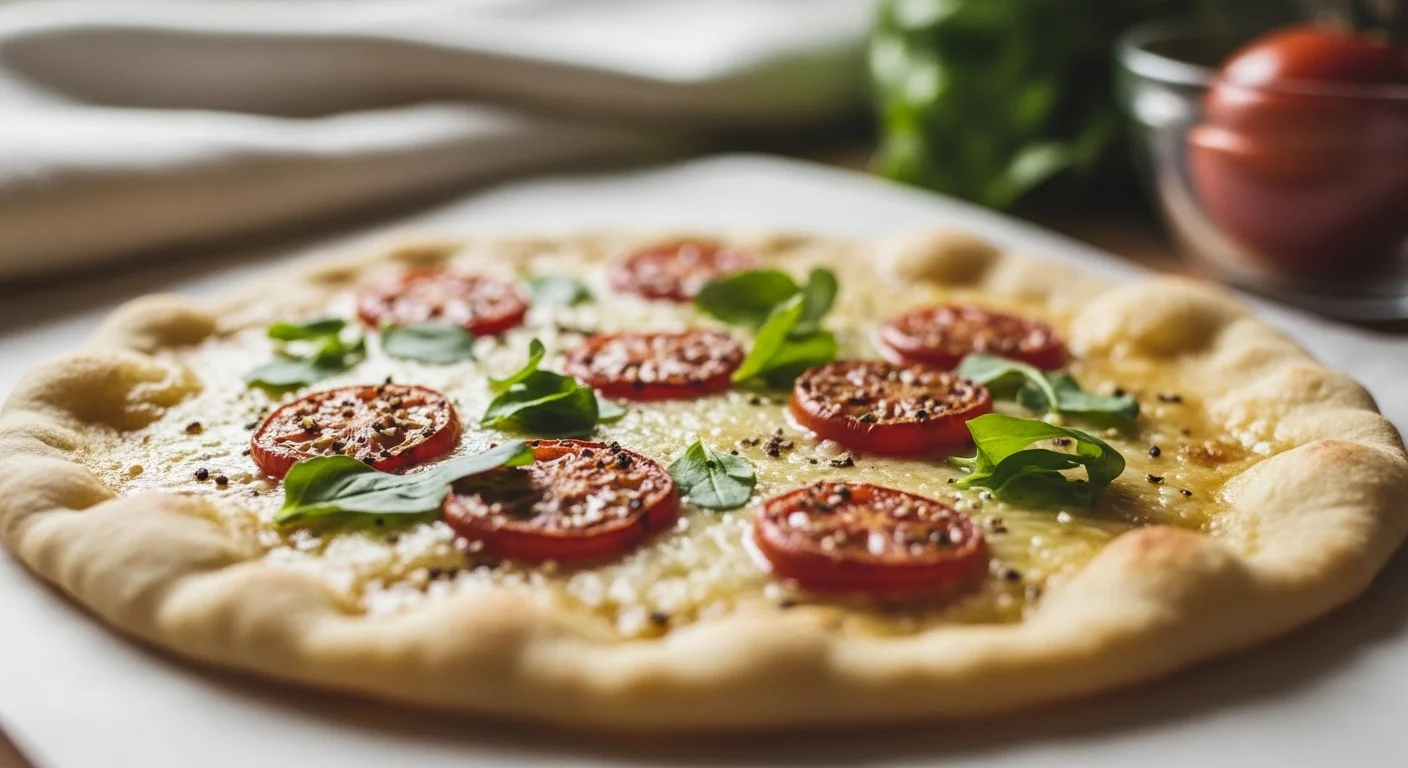
If you’ve ever made sourdough bread, you know the challenge of what to do with the leftover discard. Let me tell you about a game-changer: quick sourdough discard flatbread! It’s simple, delicious, and doesn’t require any yeast. Read Interesting article: The Easiest No-Knead Sourdough Bread (A Simple Method)
Understanding Sourdough Discard
What is Sourdough Discard?
Sourdough discard is the portion of sourdough starter that you remove when feeding it. As someone who loves baking, I always found it a bit frustrating to toss out that perfectly good mix of flour and water. Instead, I learned to embrace it! Discard can be used in various recipes, adding a unique tangy flavor and enriching the texture of baked goods.
Benefits of Using Sourdough Discard
There are so many benefits to using sourdough discard. For one, it reduces food waste. I hate the idea of throwing away something that could be delicious. Plus, incorporating sourdough discard into your cooking can enhance the flavor of your meals. The natural fermentation process means you get a hint of that sourdough taste without needing to wait for dough to rise. It also adds nutritional benefits, including probiotics and beneficial enzymes, which can aid in digestion. When I first started using sourdough discard, I felt like I had unlocked a treasure trove of possibilities in my kitchen!
Common Misconceptions About Sourdough Discard
One of the biggest misconceptions I encountered is that sourdough discard is only useful for baking bread. While it shines in bread recipes, it can also elevate pancakes, waffles, and, of course, flatbreads. Another myth is that you must use fresh discard. In my experience, even if your discard has been sitting in the fridge for a week or more, it can still be utilized effectively. Just make sure to give it a good stir before using it! I remember the first time I used chilled discard in a flatbread recipe; the results were fantastic. It’s all about being creative and open to new ideas!
Ingredients for Quick Sourdough Discard Flatbread
Main Ingredients
When it comes to making quick sourdough discard flatbread, the ingredient list is refreshingly simple. You’ll need:
- Sourdough discard: This is your star ingredient! Use at least 1 cup of discard. The consistency can vary, but that’s okay.
- Flour: All-purpose flour works well, but I’ve also mixed in whole wheat or spelt flour for a nuttier flavor.
- Salt: A pinch of salt elevates the taste of the flatbread. I usually go for about ½ teaspoon.
- Water: Depending on how thick your discard is, you might need a few tablespoons to adjust the dough’s consistency.
- Olive oil: This is optional but adds a lovely richness to the flatbread.
Optional Add-Ins and Variations
What I love about this flatbread recipe is its versatility. You can easily personalize it! Adding herbs like rosemary or thyme gives it an aromatic kick. Sometimes, I mix in spices like garlic powder or onion powder for an extra layer of flavor. If you want a cheesy twist, I’ve even added shredded cheese into the mix. The possibilities are endless! You can also experiment with toppings after cooking, such as fresh herbs or a drizzle of olive oil. Read Interesting article: This Creamy Parmesan Veg Rice Is the Trend You Needed Today
Choosing the Right Flour
Choosing the right flour can make a significant difference. I prefer using all-purpose flour for its lightness, but if I’m feeling adventurous, I’ll use whole wheat or even a gluten-free blend. Keep in mind that different flours absorb water differently. If you choose a whole grain flour, you might need to add a bit more water to achieve the right consistency. I’ve had a lot of fun experimenting with different types of flour, and each variation brings something unique to the table. My favorite combination is a mix of 50% all-purpose and 50% whole wheat flour—it’s just the right balance!
Tools and Equipment Needed
Essential Kitchen Tools
I’ve found that having the right tools can make all the difference when whipping up quick sourdough discard flatbread. First on my list is a mixing bowl. I prefer a large one that gives me enough room to mix the ingredients without making a mess. A sturdy spatula is also essential for combining the dough. When I first started, I used a wooden spoon, but I quickly realized that a spatula helps get every bit of the mixture off the sides of the bowl. A pastry mat or a clean countertop works wonders for kneading and shaping the flatbread. It’s nice to have a dedicated space where I can get my hands in the dough without worrying about cleanliness. Lastly, a rolling pin can help if you want uniformly thin flatbreads, although I often just use my hands to shape them. I enjoy the tactile experience of crafting each piece by hand.
Recommended Cookware
When it comes to cooking the flatbread, I’ve tried various pans, and I can tell you that the right cookware can elevate your experience. A cast iron skillet is my go-to choice. It heats evenly and retains heat well, which means that I can achieve a lovely golden-brown crust. If I don’t have my cast iron skillet handy, I’ll opt for a non-stick frying pan, and it still yields a great result. I’ve also experimented with baking sheets when I want to make several flatbreads at once. Just pop them in the oven for a few minutes, and they’re done! Each method has its charm, so I recommend trying them all to see what works best for you.
Measuring Tools for Accurate Results
Accurate measurements are key to successful baking, even with a forgiving recipe like this one. I always keep a set of measuring cups and spoons handy. For dry ingredients, a set of measuring cups that includes 1/4, 1/3, and 1/2 cup sizes is perfect. I also use a kitchen scale for the most accurate measurements, especially when I’m experimenting with different flours. I find that it takes out the guesswork, especially if I’m trying to maintain a consistent texture. When it comes to liquid ingredients, a liquid measuring cup is invaluable. It’s made my life a lot easier, as I can quickly pour and check the measurement in one go.
Step-by-Step Recipe for Quick Sourdough Discard Flatbread
Preparing the Dough
Now, let’s dive into the actual recipe! First, I gather my ingredients and tools. In my mixing bowl, I add the sourdough discard, followed by the flour and salt. For me, this is the fun part—getting my hands messy! I mix it all together until it forms a shaggy dough. If the dough feels too dry, I’ll gradually add water, a tablespoon at a time, until it reaches a consistency that’s slightly tacky but not overly sticky. Once the dough is combined, I usually give it a quick knead on my pastry mat for about five minutes. This step helps develop the gluten a little and makes the flatbread nice and chewy.
Shaping the Flatbread
After kneading, I let the dough rest for about 10-15 minutes. This short break allows the gluten to relax, making it easier to shape. When I’m ready, I divide the dough into equal portions, usually about the size of a golf ball. I find that smaller pieces are easier to work with. Using my rolling pin (or my hands), I flatten each piece into a thin circle, about 1/4 inch thick. I love how each flatbread takes on its own shape and character. If I’m feeling fancy, I sometimes use a knife to create a little pattern on the surface for a rustic look.
Cooking Methods: Stovetop vs. Oven
Now, it’s time to cook! I prefer the stovetop method for a quick and easy approach. I heat my cast iron skillet over medium heat and add a tiny drizzle of olive oil, just enough to lightly coat the pan. Once it’s hot, I carefully place the shaped flatbread into the skillet. I’ve found that cooking them for about 2-3 minutes on each side yields the best results. I keep an eye on them, flipping them when I see those lovely golden-brown spots forming. If I’m using the oven, I’ll preheat it to 450°F, place the flatbreads on a baking sheet, and bake for about 5-7 minutes until they puff up and get that beautiful color.
Cooking Time and Temperature Recommendations
Cooking times can vary based on your stove or oven, so I always recommend checking on the flatbreads as they cook. For me, the stovetop method is usually the quickest, allowing me to enjoy fresh hot flatbreads in less than 10 minutes from start to finish. It’s perfect for those busy weeknights or when I want something satisfying without too much fuss. If you’re baking them in the oven, keep a close watch, especially if you’re making a larger batch. I’ve had a few moments where I got a bit distracted, and my flatbreads turned from golden to a little too crispy. But hey, even the slightly overdone ones are still tasty!
Serving Suggestions and Pairings
Best Toppings for Flatbread
One of the joys of making quick sourdough discard flatbread is how customizable it is when it comes to toppings. Personally, I love to keep things simple yet flavorful. A drizzle of olive oil and a sprinkle of sea salt can transform the flatbread into something truly special. If I’m feeling a bit more adventurous, I often top it with fresh herbs like basil or oregano right after cooking. Sometimes, I’ll add a sprinkle of za’atar spice blend—it adds a delightful Middle Eastern touch that I can’t resist.
For a heartier option, I sometimes layer on some roasted vegetables like bell peppers and zucchini. If I have leftovers, I’ll even use some sautéed mushrooms or spinach. I remember one gathering where I served flatbreads topped with caramelized onions and goat cheese, and they were a hit! The trick is to let your creativity flow. Whether you prefer light toppings or a more filling approach, the flatbread serves as a perfect canvas. Read Interesting article: Decadent Chocolate Bundt Cake That’s Secretly So Easy
Pairing Flatbread with Dips and Spreads
Flatbread makes for an excellent companion to various dips and spreads. When I have friends over, I usually whip up a few dips to serve alongside. Hummus is always a favorite of mine; its creamy texture pairs beautifully with the warm flatbread. I also enjoy making a simple tzatziki sauce with yogurt, cucumber, and garlic—it adds a refreshing contrast that’s irresistible.
Another dip I find myself making often is a roasted red pepper dip. Just blend roasted red peppers, olive oil, garlic, and a hint of lemon juice, and you’ll have a flavorful spread that complements the flatbread wonderfully. I’ve even made a spicy avocado spread, mashing up ripe avocados with lime juice and chili flakes. It’s amazing how a few simple ingredients can elevate the eating experience!
Using Flatbread in Meals: Wraps and Pizzas
Beyond being a side dish or a snack, I’ve found that flatbread can be the star of my meals. One of my favorite ways to use it is as a wrap. I’ll fill it with grilled chicken, fresh veggies, and a drizzle of tangy dressing. It’s quick, healthy, and satisfying. I remember the first time I made a Mediterranean wrap with flatbread, stuffed with falafel, lettuce, and tahini sauce—it quickly became a staple in my meal prep.
Flatbread also makes for a delightful pizza base. When I have a craving for pizza but want something lighter, I spread some tomato sauce or pesto onto the flatbread, add cheese, and throw on my favorite toppings. It cooks up beautifully in the oven, and the result is a crispy, delicious pizza that doesn’t require a lot of effort. I’ve served this to friends, and they always ask for the recipe, which makes me smile!
Storage and Reheating Tips
How to Store Leftover Flatbread
After enjoying my fresh sourdough discard flatbread, I often have a few leftovers. I’ve learned that proper storage is crucial to keep them tasting great. I usually let the flatbread cool completely before storing them. Once they’re cool, I stack them and place them in an airtight container. If I have multiple layers, I separate them with parchment paper to prevent sticking.
In my experience, flatbread can last a few days in the fridge. However, if I want to keep them longer, I’ll consider freezing them. It’s amazing how well they hold up in the freezer, and I can pull them out anytime I crave a quick meal!
Best Practices for Reheating
Reheating flatbread is super easy, and I have a couple of methods I like to use. The quickest way is to pop them in the microwave for about 15-20 seconds. While this method works, I prefer to reheat them in a skillet for the best texture. I heat the skillet over medium heat and place the flatbread in for about a minute on each side. This method revives the crispy edges while warming through.
Another option is to reheat them in the oven. I preheat my oven to 350°F and place the flatbreads directly on the rack or on a baking sheet for about 5-7 minutes. This method is great if I’m reheating several flatbreads at once, especially when I’m hosting a gathering. Nothing beats the aroma of warm flatbread filling the kitchen!
Freezing Flatbread for Later Use
If I find myself with an abundance of flatbread, I don’t hesitate to freeze some for later. I’ve discovered that freezing them is a straightforward process that allows me to have homemade flatbread ready whenever I need it. I stack the cooled flatbreads with parchment paper between each layer, then wrap the entire stack in plastic wrap and place it in a freezer-safe bag. This way, they stay fresh and don’t get freezer burn.
When I’m ready to enjoy them, I simply take out a piece or two and let them thaw at room temperature for about 30 minutes before reheating. It’s a lifesaver for those busy days when I want something homemade without the effort of starting from scratch. I really appreciate having that option in my freezer, knowing that delicious flatbread is just a few minutes away!
Frequently Asked Questions (FAQs)
Can I use old sourdough discard?
Absolutely! I’ve used sourdough discard that’s been sitting in my fridge for a week or more, and it still works just fine. In fact, some people believe that older discard can actually add a deeper flavor to your baked goods. Just be sure to stir it well before using, as the separation of liquid is normal. I remember the first time I used older discard in my flatbread—it turned out delicious, and I was thrilled to not waste any of my starter!
What if I don’t have enough sourdough discard?
If you’re short on discard, don’t worry! You can easily adjust the recipe. I’ve had occasions where I only had half a cup of discard left. In those cases, I simply reduced the amount of flour and water accordingly to maintain the same ratios. For a quick fix, you can also use a little bit of yogurt or buttermilk as a substitute. Just remember, the discard is there to add that lovely tang, so try to maintain some level of fermentation in your mix!
Can I substitute other flours?
Yes, you can! I love experimenting with different flours in my flatbread. Whole wheat flour adds a nutty flavor, while spelt flour brings a slightly sweet touch. If you’re going gluten-free, there are excellent gluten-free blends available that work well too. Just keep in mind that different flours absorb moisture differently, so you may need to adjust the liquid in your recipe. I’ve enjoyed many delightful variations using different flours, and each one has its unique charm!
Is this recipe suitable for gluten-free diets?
While the traditional recipe uses all-purpose flour, it can definitely be adapted for gluten-free diets! I’ve had great success using a gluten-free flour blend in my flatbread. It might take a little experimenting to find the right combination that works for you, but the process is fun and rewarding. Just like using different flours, you can create a delicious flatbread that fits your dietary needs while still enjoying that wonderful sourdough flavor.
Additional Resources
Links to Sourdough Baking Communities
If you’re looking to connect with other sourdough enthusiasts, I highly recommend checking out online baking communities. Websites like The Fresh Loaf and sourdough Facebook groups are fantastic places to share experiences, ask questions, and find inspiration for your baking adventures.
Recommended Books on Sourdough Baking
There are some great books out there that can deepen your understanding of sourdough. I’ve enjoyed “Tartine Bread” by Chad Robertson for its comprehensive approach to sourdough baking. Another favorite of mine is “Flour Water Salt Yeast” by Ken Forkish, which is packed with useful tips and techniques. Both books inspired me to experiment more with my sourdough starter and get creative in the kitchen!
Online Tutorials and Videos for Visual Learners
For those who prefer a visual approach, YouTube has a wealth of baking tutorials that can guide you through the sourdough process, including flatbread making. Channels like “Baker Bettie” and “Joshua Weissman” offer detailed step-by-step instructions that can be really helpful, especially for beginners. I’ve spent countless hours watching these videos, picking up tips and tricks that I’ve incorporated into my own baking routine.
Final Thoughts
Creating quick sourdough discard flatbread has transformed the way I think about my baking. It’s not just about making bread anymore; it’s about exploring the endless possibilities that sourdough discard offers. I love how this recipe is not only easy but also adaptable, allowing each of us to bring our own flair to the kitchen. Whether you’re topping it with your favorite ingredients, using it as a wrap, or just enjoying it with a dip, flatbread has a special place on my table. I hope you feel inspired to dive into your own sourdough adventures and enjoy every delicious bite!
Frequently Asked Questions
What is sourdough discard?
Sourdough discard is the portion of sourdough starter that you remove when feeding it. It can be used in various recipes, adding a unique tangy flavor and enriching the texture of baked goods.
What are the benefits of using sourdough discard?
Using sourdough discard reduces food waste and enhances the flavor of meals. It also adds nutritional benefits, including probiotics and beneficial enzymes, which can aid in digestion.
Can I use old sourdough discard?
Absolutely! Old sourdough discard that’s been sitting in the fridge for a week or more can still be used effectively. Just make sure to stir it well before using.
What if I don’t have enough sourdough discard?
If you’re short on discard, you can adjust the recipe by reducing the amount of flour and water to maintain the ratios. You can also use a bit of yogurt or buttermilk as a substitute.
Can I substitute other flours in the flatbread recipe?
Yes, different flours can be used! Whole wheat flour adds a nutty flavor, while spelt flour brings a slightly sweet touch. Gluten-free flour blends can also be used, but you may need to adjust the liquid in the recipe.
Is this recipe suitable for gluten-free diets?
Yes, the recipe can be adapted for gluten-free diets by using a gluten-free flour blend. It may require some experimentation to find the right combination that works well.
What kitchen tools are needed to make quick sourdough discard flatbread?
Essential kitchen tools include a mixing bowl, a sturdy spatula, a pastry mat or clean countertop for kneading, and optionally a rolling pin for shaping the flatbreads.
What cooking methods can be used for flatbread?
Flatbreads can be cooked on the stovetop in a skillet or baked in the oven. The stovetop method is quick, while baking allows for making multiple flatbreads at once.
How should leftover flatbread be stored?
Leftover flatbread should cool completely before being stored in an airtight container. If storing multiple layers, separate them with parchment paper to prevent sticking.
What are some good toppings for flatbread?
Good toppings for flatbread can include a drizzle of olive oil, fresh herbs, roasted vegetables, or even a sprinkle of za’atar spice blend. It can also be topped with dips like hummus or tzatziki for added flavor.