
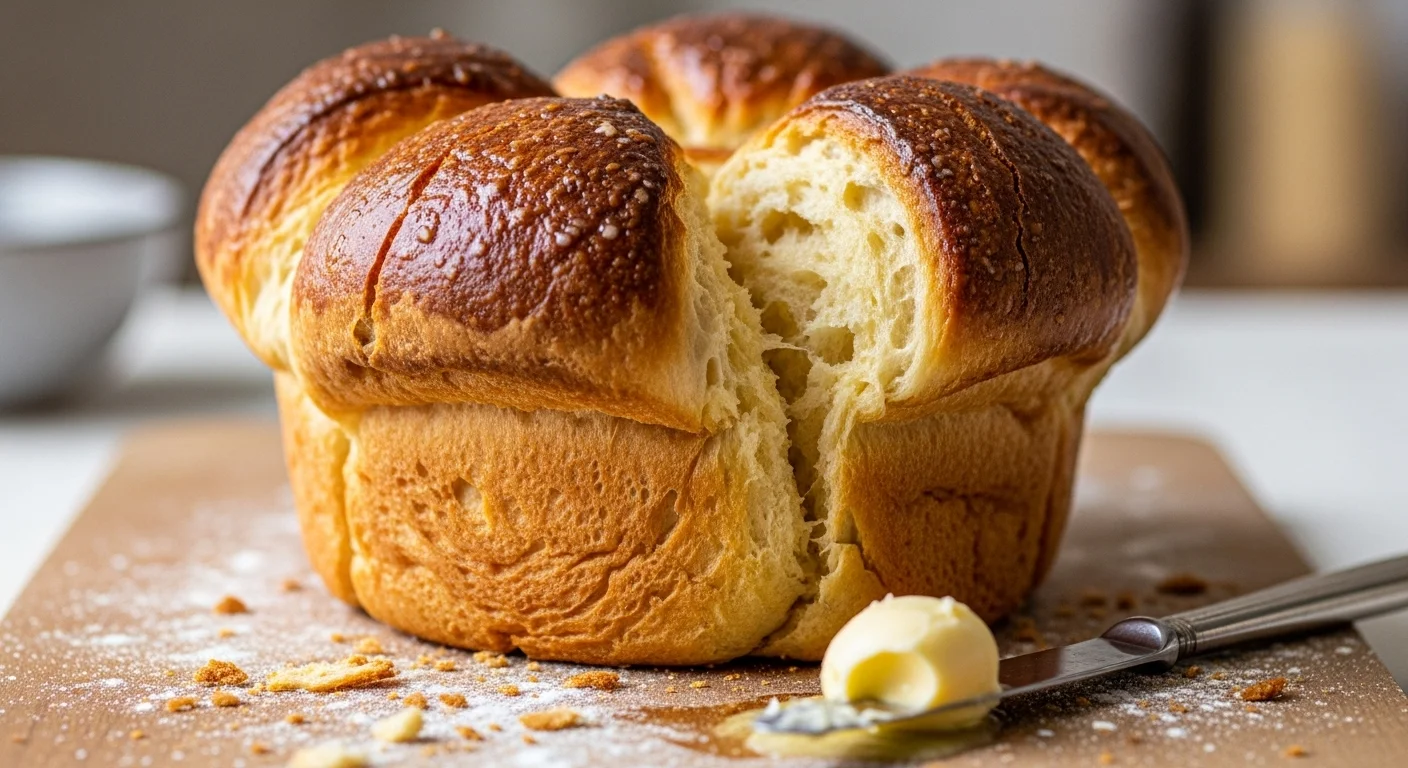
Imagine sinking your teeth into a loaf of sourdough brioche, its rich, buttery flavor melting in your mouth. This luxurious bread isn’t just a treat; it’s an experience that combines the tang of sourdough with the tenderness of brioche.
Understanding Sourdough Brioche: What Sets It Apart?
Sourdough brioche is a delightful twist on the classic brioche, bringing together the best of both worlds. It’s a bread that’s soft, slightly sweet, and has that distinctive sourdough flavor we love. I remember the first time I tasted it; the fluffy texture and the rich, buttery taste were simply unforgettable. It felt like a warm hug on a cold day, and I knew I had to learn how to make it myself.
Definition of Sourdough Brioche
At its core, sourdough brioche is a yeast-leavened bread enriched with butter and eggs, made using a sourdough starter instead of commercial yeast. This means the fermentation process is longer, allowing for deeper flavors and a more complex taste profile. The sourdough starter not only gives the bread its unique tang but also helps enhance its texture, making it even more delightful. For me, this combination is what makes sourdough brioche stand out among other breads.
Key Ingredients in Sourdough Brioche
When it comes to sourdough brioche, the ingredients are crucial. Each one plays a specific role in creating that perfect loaf. Here are the key components:
- Sourdough Starter: This is the heart of the bread, providing natural leavening and flavor.
- Flour: A combination of all-purpose and bread flour gives the loaf its structure and tenderness.
- Butter: The richness of butter is essential for flavor and softness.
- Eggs: Eggs contribute to the brioche’s richness and help with the bread’s airy texture.
- Sugar: A little sweetness balances the tang of the sourdough and enhances the overall flavor.
- Salt: This is vital for flavor and helps control the fermentation process.
Each ingredient works together harmoniously, creating a loaf that’s truly luxurious. I’ve experimented with various ratios, and I believe striking the right balance is key to achieving that perfect brioche experience.
Difference Between Brioche and Traditional Bread
Now, one might wonder, what really sets brioche apart from traditional bread? While both are made from flour, water, and yeast, brioche is enriched with butter, eggs, and sugar. This results in a bread that’s not just fluffy but also rich and slightly sweet. Traditional bread, like sourdough or baguettes, might be crusty on the outside and chewy on the inside, but brioche is soft and tender throughout. The first time I baked brioche, I couldn’t believe how different it felt compared to my usual sourdough loaves. It was like discovering a whole new world of baking!
The Science of Sourdough: Fermentation and Flavor
Understanding the science behind sourdough is fascinating, especially when it comes to flavor development. It’s more than just mixing flour and water; it’s a dance of bacteria and yeast that creates something truly magical.
What is Sourdough Starter?
A sourdough starter is a mixture of flour and water that captures wild yeast and bacteria from the environment. It’s like your little pet in the kitchen, requiring care and feeding to thrive. When I first started my sourdough journey, I was amazed at how alive it felt. The bubbling and rising of the starter were like a science experiment, and I found joy in nurturing it. The flavors developed in the starter directly influence the final bread, giving sourdough brioche its signature tang.
The Role of Yeast and Bacteria in Flavor Development
The wild yeast in the sourdough starter is crucial for leavening the bread, while the bacteria contribute to the sour flavor. This fermentation process can take hours or even days, but the end result is well worth the wait. I’ve learned that the longer you let it ferment, the more pronounced the flavors become. It’s like building a complex flavor profile that you can’t achieve with commercial yeast alone.
Understanding Gluten Development
Another important aspect of bread-making is gluten development. Gluten provides the structure to the bread, allowing it to rise and hold air pockets. In sourdough brioche, the dough is typically mixed and then allowed to rest, which promotes gluten formation. This step is vital for achieving that airy, tender crumb we all love. I often find myself kneading the dough, feeling the texture change, and it’s a reminder of the love and care that goes into making a perfect loaf.
Rich and Buttery: The Essence of Brioche
The Importance of Butter in Brioche
When I think about brioche, the first thing that comes to mind is that wonderful richness that only butter can provide. Butter is not just an ingredient; it’s the soul of brioche. It contributes to the bread’s soft, tender crumb and gives it a melt-in-your-mouth quality that’s hard to resist. The way butter interacts with the dough during the mixing and folding process creates a beautiful structure, helping to trap air pockets and lend that luxurious feel. I remember the first time I added a bit more butter than usual to my dough. The result was a loaf that was even more decadently rich, and I found myself savoring each slice a little more than the last!
Choosing the Right Flour for Texture
The type of flour you use can make a significant difference in the texture of your sourdough brioche. I’ve played around with different flours, and what I’ve learned is that a blend of all-purpose and bread flour tends to give the best results. Bread flour has a higher protein content, which promotes gluten development and helps to create that airy structure we all crave. On the other hand, all-purpose flour adds tenderness to the loaf, making it softer and easier to slice. I usually aim for a ratio of about 60% bread flour to 40% all-purpose flour, which has worked wonderfully for me. Finding the right balance can truly elevate your baking game!
Balancing Sweetness and Flavor
Sourdough brioche is known for its slight sweetness, which balances perfectly with the tangy notes from the sourdough starter. I’ve often found that too much sweetness can overpower the other flavors, while too little can make the bread taste bland. A tablespoon or two of sugar usually does the trick for me. It enhances the overall flavor profile without taking away from that delightful sourdough tang. I also love experimenting with different types of sugars like honey or maple syrup for a unique twist. The key is to taste as you go and find that sweet spot where the flavors harmonize beautifully!
Ingredients You’ll Need for the Perfect Loaf
Essential Ingredients
When it comes to baking sourdough brioche, having the right ingredients on hand is crucial. Here’s a quick rundown of what you’ll need:
- Sourdough Starter: Make sure it’s active and bubbly!
- Flour: A mix of bread flour and all-purpose flour.
- Butter: Unsalted, at room temperature for easy incorporation.
- Eggs: Large eggs are best for richness and moisture.
- Sugar: Granulated sugar is my go-to, but feel free to experiment!
- Salt: Essential for flavor and controlling fermentation.
- Milk: Optional, but adding a bit can make the bread even richer.
Gathering these ingredients feels exciting, like setting the stage for a wonderful baking adventure. I often make sure to have extras on hand, just in case I want to add a little something special!
Optional Add-ins for Extra Flavor
One of the joys of baking is the ability to customize your creations. Sourdough brioche is no exception! I love adding a few extra ingredients to elevate my loaves. Here are some of my favorite add-ins:
- Chocolate Chips: Who can resist a chocolatey twist?
- Dried Fruit: Raisins, cranberries, or apricots add sweetness and texture.
- Nuts: Chopped pecans or walnuts for a delightful crunch.
- Herbs and Cheese: For a savory brioche, try adding fresh herbs and shredded cheese.
These optional ingredients can take your sourdough brioche from ordinary to extraordinary. I often find myself dreaming up new combinations, and it’s always fun to surprise my family with a unique flavor! Read Interesting article: Easy Vegan French Toast (A Perfect Weekend Breakfast)
Step-by-Step Guide to Making Rich & Buttery Sourdough Brioche
Preparing the Sourdough Starter
Before diving into the dough, it’s essential to prepare your sourdough starter. I usually feed my starter the night before I plan to bake, ensuring it’s bubbly and active. This way, I know it’s ready to work its magic. I like to use a 1:1:1 ratio of starter, flour, and water for feeding. Watching it rise and bubble is a reminder of the life and energy that goes into each loaf!
Mixing the Dough
Once the starter is ready, it’s time to mix the dough. Combining the flour, sugar, and salt in one bowl while mixing the wet ingredients in another is my go-to method. I then create a well in the dry ingredients and pour in the wet ingredients, including the starter. Mixing everything together until it forms a shaggy dough is one of my favorite moments of the process. I can feel the potential of the bread coming together, and it’s quite satisfying!
First Rise: Bulk Fermentation Explained
After mixing, I let the dough rest and rise at room temperature for several hours. This bulk fermentation stage is crucial for developing flavor and texture. I often find myself checking in on the dough, watching it grow and transform. The first rise is an exciting time, filled with anticipation for what’s to come.
Shaping the Brioche Loaf
Once the dough has doubled in size, it’s time to shape it. I gently turn it out onto a floured surface, taking care not to deflate it too much. Shaping it into a loaf is an art in itself; I love rolling and tucking the dough to create surface tension. It’s like wrapping it in a little blanket, preparing it for its second rise.
Second Rise: Proofing Techniques
The second rise is where the magic happens. I usually let the shaped loaf rise in a warm spot until it’s puffed and airy. I’ve learned that patience is key here; sometimes, it can take longer than expected. The longer this rise, the more flavor develops, and it’s worth the wait. I often take this time to clean up my kitchen and get excited about the delicious aroma that will soon fill the space!
Baking Tips for a Perfect Crust
When it’s time to bake, I preheat my oven to a high temperature and place a pan of water at the bottom to create steam. This steam helps achieve that beautiful, glossy crust I adore. I love the moment when I open the oven and see the loaf rising and browning perfectly. After baking, I let it cool on a wire rack, and the aroma that fills my kitchen is simply irresistible!
Variations of Sourdough Brioche to Try
Chocolate Chip Sourdough Brioche
One of my favorite variations of sourdough brioche is the chocolate chip version. I mean, who doesn’t love a warm, gooey chocolate chip brioche? To make this delightful twist, I simply add a generous handful of chocolate chips to the dough during the mixing stage. The chocolate melts into the soft, fluffy bread, creating pockets of rich, decadent sweetness. I can still recall the first time I pulled a loaf from the oven—when I sliced into it, the melted chocolate oozed out, and I couldn’t wait to dig in. It’s a perfect treat for breakfast or an indulgent snack with a cup of coffee. Read Interesting article: 30-Minute Creamy Tomato Soup (With Grilled Cheese)
Fruit and Nut Sourdough Brioche
If you’re looking for something fruity, I highly recommend trying a fruit and nut version. I often add dried fruits like cranberries, apricots, or even raisins, along with chopped nuts such as almonds or walnuts. The burst of fruity flavor combined with the crunch of nuts adds an exciting texture to the brioche. I’ve found that soaking the dried fruits in warm water or even orange juice before mixing them in keeps them tender and flavorful. This variation is fantastic for brunch or served as a sweet treat during the holidays!
Savory Sourdough Brioche: Cheese and Herbs
For those who prefer a savory option, I love making a cheese and herb sourdough brioche. Incorporating shredded cheese, like sharp cheddar or Gruyère, along with fresh herbs such as rosemary or thyme, transforms the brioche into a deliciously aromatic bread. It pairs beautifully with soups and salads, or it can be served as a side at dinner. I often sprinkle a bit of garlic powder for an extra kick, and the smell wafting from the oven is simply irresistible. Each bite is a delightful surprise that leaves my guests asking for the recipe!
How to Store and Serve Your Sourdough Brioche
Best Storage Practices
Once I’ve baked my sourdough brioche, the question of how to store it arises. I’ve learned that the best way to keep it fresh is by wrapping it in plastic wrap or placing it in an airtight container at room temperature. This keeps the bread soft while preventing it from drying out. If I know I won’t finish it within a few days, I like to freeze individual slices. Freezing allows me to defrost just what I need, whether it’s for breakfast, a snack, or a special treat. Just remember to let it cool completely before wrapping and freezing to maintain its texture!
Delicious Serving Suggestions
Sourdough brioche is versatile when it comes to serving. I love toasting slices and slathering them with butter or cream cheese for a simple yet scrumptious breakfast. Sometimes, I drizzle a bit of honey on top for added sweetness. For a fun twist, I’ve even made French toast using leftover brioche, soaking the slices in a mixture of eggs and milk, then cooking them on the stovetop until golden brown. The result is an indulgent breakfast that feels like a treat! Another favorite of mine is using brioche to make decadent sandwiches. Whether it’s a classic grilled cheese or a sweet jam and cheese combo, the buttery richness of the brioche elevates every bite. Read Interesting article: I Tried the TikTok Chicken Toast Trend—Shockingly Good
Common Mistakes to Avoid When Baking Sourdough Brioche
Under- or Over-Proofing the Dough
One of the most common mistakes I’ve encountered in baking sourdough brioche is misjudging the proofing time. Under-proofing can lead to dense bread, while over-proofing might cause it to collapse. I’ve learned to trust my instincts and the dough itself. It should feel light and airy and have roughly doubled in size during the rises. I often do the “poke test”—if the indentation springs back slowly, it’s ready; if it doesn’t spring back at all, it may be over-proofed.
Using the Wrong Temperature
The temperature of your ingredients and the environment can significantly impact how your brioche turns out. I tend to keep my butter at room temperature, and I make sure my liquids are warm but not hot when mixing the dough. A warm environment is ideal for proofing, so I often place my dough in a slightly heated oven or near a warm spot in my kitchen. Too cold, and the fermentation will be sluggish; too hot, and it can kill the yeast. Finding the right balance has made a world of difference in my baking!
Skipping the Autolyse Phase
Another mistake I’ve made in the past is skipping the autolyse phase, which is when you let the flour and water rest before adding other ingredients. This step helps develop gluten and improves the dough’s texture. I now make it a point to let the mixture sit for at least 20-30 minutes. It’s a small step that yields big results, making the dough easier to work with and producing a wonderfully fluffy brioche.
Frequently Asked Questions
What is sourdough brioche?
Sourdough brioche is a yeast-leavened bread enriched with butter and eggs, made using a sourdough starter instead of commercial yeast. This results in a bread that is soft, slightly sweet, and has a distinctive sourdough flavor.
What are the key ingredients in sourdough brioche?
The key ingredients in sourdough brioche include sourdough starter, a mix of all-purpose and bread flour, butter, eggs, sugar, salt, and optionally, milk. Each ingredient plays a specific role in creating the perfect loaf.
How does brioche differ from traditional bread?
Brioche is enriched with butter, eggs, and sugar, making it rich, fluffy, and slightly sweet, while traditional bread is typically crusty on the outside and chewy on the inside. Brioche has a soft and tender texture throughout.
What is a sourdough starter?
A sourdough starter is a mixture of flour and water that captures wild yeast and bacteria from the environment. It is essential for leavening the bread and contributes to the sour flavor of sourdough brioche.
How does fermentation affect the flavor of sourdough brioche?
The fermentation process in sourdough brioche takes longer than with commercial yeast, allowing for deeper flavors and a more complex taste profile. The longer the fermentation, the more pronounced the flavors become.
What role does butter play in brioche?
Butter is essential for the richness and softness of brioche. It contributes to the bread’s tender crumb and helps trap air pockets during the mixing and folding process, giving the loaf a luxurious feel.
What is the importance of gluten development in sourdough brioche?
Gluten development provides the structure needed for the bread to rise and hold air pockets. In sourdough brioche, allowing the dough to rest promotes gluten formation, resulting in an airy and tender crumb.
What are some optional add-ins for sourdough brioche?
Optional add-ins for sourdough brioche include chocolate chips, dried fruits (like raisins or cranberries), nuts (such as pecans or walnuts), and herbs with cheese for a savory twist.
How should sourdough brioche be stored after baking?
To keep sourdough brioche fresh, wrap it in plastic wrap or place it in an airtight container at room temperature. For longer storage, individual slices can be frozen after cooling completely.
What are some common mistakes to avoid when baking sourdough brioche?
Common mistakes include under- or over-proofing the dough, using the wrong temperature for ingredients, and skipping the autolyse phase, which can negatively affect the dough’s texture and rise.