
There’s something truly magical about the aroma of freshly baked bread wafting through the kitchen. Rustic sourdough ciabatta rolls are not just any rolls; they’re the perfect canvas for your favorite sandwiches! Read Interesting article: The Internet’s New Favorite Roasted Tomato Toast Is Actually Worth It
Understanding Rustic Sourdough Ciabatta Rolls
What is Ciabatta?
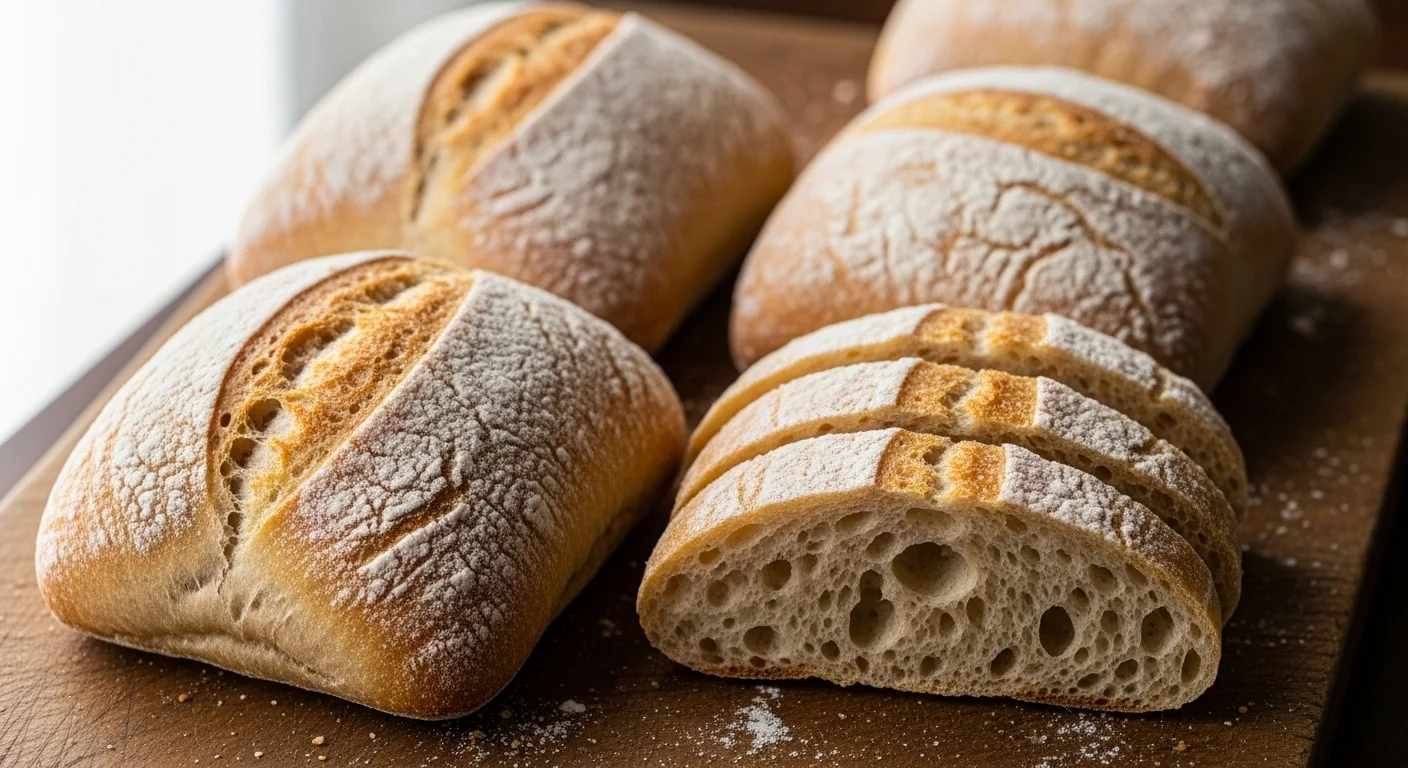
Ciabatta is an Italian bread that has become beloved around the world. I remember the first time I tasted a freshly baked ciabatta roll; the crust was crunchy, and the inside was soft and airy. The word “ciabatta” translates to “slipper” in Italian, which perfectly describes the bread’s flat, rustic shape. Traditionally made with a high-hydration dough, ciabatta stands out for its open crumb structure, making it excellent for sandwiches. I often find that the texture is what really makes a difference when I’m creating a hearty sandwich—it holds up well against sauces and fillings without falling apart.
Characteristics of Rustic Sourdough
Rustic sourdough, in particular, brings a whole new level of flavor and texture to ciabatta rolls. What I love about sourdough is the way it develops a slightly tangy flavor due to the natural fermentation process. This fermentation occurs when wild yeast and bacteria in the sourdough starter interact with the dough. The result? A bread with a crust that’s wonderfully crispy and a chewy, flavorful interior. I’ve learned that the beauty of rustic sourdough lies in its imperfection; each loaf tells a unique story, and no two rolls are exactly alike.
Benefits of Using Sourdough in Baking
Using sourdough in baking offers an array of benefits that go beyond just flavor. First and foremost, the natural fermentation process enhances the nutritional profile of the bread. I’ve discovered that sourdough bread is often easier to digest than commercially yeasted bread, and it may even have a lower glycemic index, which is a plus for those watching their blood sugar levels. The fermentation process also allows for the development of beneficial probiotics, which are great for gut health.
Moreover, sourdough bread has a longer shelf life compared to its conventional counterparts. I find that my rustic sourdough ciabatta rolls can last a few days without going stale, mainly due to the acidity produced during fermentation. This means I can bake a batch and enjoy them throughout the week, whether I’m making sandwiches for lunch or serving them alongside dinner.
Essential Ingredients for Rustic Sourdough Ciabatta Rolls
High-Quality Flour
When it comes to baking, the quality of your ingredients makes a world of difference. I always opt for high-quality flour, ideally a bread flour or all-purpose flour with a higher protein content. The protein in the flour helps with gluten formation, which is essential for that delightful chewiness we all love in ciabatta. I’ve experimented with different flours, but I’ve found that a blend can yield great results—a mix of bread flour and a bit of whole wheat flour can add depth and flavor.
Active Sourdough Starter
Your sourdough starter is the heart of your ciabatta rolls, so it’s crucial to keep it healthy and active. I remember the first time I nurtured my starter; I was amazed at how alive it felt! Feeding it regularly and ensuring it’s bubbly and ready to go before baking is key. You can even take a little time to observe how it behaves; it’s almost like getting to know a new friend! Using a vibrant starter ensures that your rolls rise beautifully and develop that classic sourdough flavor.
Water and Salt
Water is another vital ingredient for our ciabatta rolls. I like to use filtered water, as it helps avoid any unwanted flavors from tap water. The hydration level in the dough is also something to pay attention to. A higher hydration dough can lead to that lovely open crumb structure we seek in ciabatta. As for salt, it not only enhances flavor but also helps control the fermentation process. I usually add it to the dough after mixing—this technique helps ensure that it gets evenly distributed without affecting the yeast too much.
Optional Add-ins for Flavor
While the classic rustic sourdough ciabatta rolls are delicious as-is, I love experimenting with different add-ins. For example, adding herbs like rosemary or thyme can elevate the flavor. Cheese, olives, or even sun-dried tomatoes can turn your rolls into something truly special. I’ve found that these little touches can transform a simple sandwich into a gourmet experience, making each bite memorable. Plus, it’s fun to let my creativity shine through in the kitchen!
Step-by-Step Guide to Making Rustic Sourdough Ciabatta Rolls
Preparing the Sourdough Starter
Getting started with your sourdough ciabatta rolls begins with a healthy, active sourdough starter. I usually take my starter out of the fridge a few hours before I plan to bake, allowing it to come to room temperature. Then, I give it a good feeding with equal parts flour and water. I love to watch the bubbles form and see it grow, which tells me it’s ready to work its magic. I always make sure to let it sit for about 4 to 6 hours until it’s bubbly and has almost doubled in size. It’s a little like nurturing a plant; the more care you give it, the better it performs!
Mixing the Dough
Once my starter is ready, it’s time to mix up the dough. I start by combining the active sourdough starter with water in a large mixing bowl. I prefer using my hands for this part; it feels more personal and engaging. Then, I gradually add the high-quality flour and salt. I usually mix until there are no dry patches left. The dough will be quite sticky, but that’s part of its charm! I’ve found that this stickiness is a good sign of a high-hydration dough that will yield those beautiful open crumbs we love in ciabatta.
Fermentation Process
This part is where the magic happens! After mixing, I cover the bowl with a damp cloth and let it rest for a few hours at room temperature. I typically find that a bulk fermentation of about 4 hours works well for me. During this time, I’ll stretch and fold the dough every 30 minutes for the first two hours. This technique helps develop the gluten and gives the bread structure. It’s fascinating to feel the dough change as it becomes more elastic and lively. I enjoy that moment when I see bubbles forming on the surface; it feels like I’m witnessing the life of the bread unfold.
Shaping the Rolls
After the dough has fermented, it’s time to shape the rolls. I start by generously flouring my work surface, as this will help prevent sticking. Gently, I tip the dough out onto the floured surface. Using a bench scraper, I divide the dough into equal portions, usually about 100-150 grams each for individual rolls. I shape each piece into a rough rectangle and then fold it over itself a couple of times, tucking in the edges. I love how each roll starts to take shape at this point, and I can already imagine how they’ll turn out! After shaping, I place them seam-side down on a floured cloth or a baking sheet lined with parchment paper, giving them enough space to expand.
Baking Techniques for Perfect Rolls
Now comes the exciting part—baking! I preheat my oven to a high temperature, around 450°F (230°C), and place a baking stone or an inverted baking sheet inside to heat up as well. To create steam in the oven (which helps with that wonderfully crispy crust), I place a shallow pan filled with hot water on the bottom rack. Once my rolls have rested for about 30 minutes and puffed up a bit, I gently flip them onto the hot baking stone. I love the sizzle as they hit the hot surface! I usually bake them for about 20 to 25 minutes, or until they turn a beautiful golden brown. The aroma that fills my kitchen at this moment is simply unbeatable. When I take them out of the oven, I always let them cool on a wire rack for a bit. The wait can be torturous, but it’s so worth it to bite into a warm, crusty roll!
Perfect Pairings: What to Use Rustic Sourdough Ciabatta Rolls For
Classic Sandwich Fillings
After all that hard work, it’s time to enjoy these delicious ciabatta rolls! I often find myself reaching for classic sandwich fillings because they just work so well with the rustic bread. My go-to favorites include layers of fresh turkey, crisp lettuce, and ripe tomatoes, all topped with a dollop of mayo or mustard. I love how the texture of the ciabatta holds up beautifully against these fillings. Another classic I enjoy is a simple ham and cheese sandwich, where the cheese melts slightly into the warm roll, creating a delightful contrast of flavors.
Gourmet Sandwich Ideas
For those days when I want to impress, I like to get a little creative. One of my favorite gourmet combinations is roasted vegetables with fresh mozzarella and a drizzle of balsamic glaze. The sweetness of the roasted veggies pairs perfectly with the tangy cheese, and the ciabatta adds a wonderful crunch. I’ve also made a delightful avocado and smoked salmon sandwich, topped with cream cheese and capers. It’s a real treat! The possibilities are endless, and I love that I can customize my sandwiches based on what I have on hand. Read Interesting article: The Easiest Homemade Caramel Corn for Movie Night
Serving with Soups and Salads
Rustic sourdough ciabatta rolls are also perfect for serving with soups and salads. I often tear off pieces to dip into a hearty minestrone or a rich tomato basil soup. The crusty exterior provides the ideal balance to the savory soups. When I’m having a salad, I might slice a ciabatta roll and toast it with a bit of garlic and olive oil. It’s a fantastic accompaniment to a fresh garden salad, and I love how the flavors complement each other. These rolls elevate any meal, making them a staple in my kitchen!
Storing and Serving Rustic Sourdough Ciabatta Rolls
How to Store for Freshness
After all the effort that goes into baking rustic sourdough ciabatta rolls, I want to ensure they stay fresh for as long as possible. I’ve learned that the best way to store them is in a paper bag or a cloth bag at room temperature. This helps maintain the crust’s crispness while preventing them from becoming too soft or chewy. I try to avoid plastic bags, as they can trap moisture and lead to a soggy texture. If I know I won’t finish the rolls in a couple of days, I often slice and freeze them. This way, I can enjoy freshly toasted rolls whenever the craving strikes!
Reheating Techniques
When it comes to reheating my rustic sourdough ciabatta rolls, I’ve found that the oven is the best method to bring back that fresh-baked quality. Preheating my oven to about 350°F (175°C) works wonders; I place the rolls directly on the oven rack for about 10 minutes. This not only warms them through but also revives that crispy crust. I’ve also tried microwaving them, but I always end up disappointed with the texture—so I recommend sticking to the oven for the best results. Additionally, if I want to add a little flavor, I might brush them with olive oil or butter before reheating, which gives them a nice, savory kick!
Serving Suggestions and Presentation Tips
Serving rustic sourdough ciabatta rolls can be just as fun as making them! I love presenting them on a wooden cutting board alongside a selection of spreads, like hummus, pesto, or even a homemade tapenade. Sometimes, I’ll arrange them with colorful salad ingredients, creating a vibrant spread that invites everyone to dig in. For a cozy dinner, I often serve the rolls in a basket lined with a cloth napkin. It adds a touch of warmth and makes the meal feel special. I’ve even started to include a little note about the bread’s rustic qualities, sharing its story of fermentation and care. It’s amazing how such simple touches can elevate the dining experience!
Common Questions About Rustic Sourdough Ciabatta Rolls
How to Troubleshoot Common Baking Issues
Even with the best intentions and careful preparation, sometimes things don’t go as planned. I’ve faced my share of baking mishaps while making rustic sourdough ciabatta rolls. For example, if my rolls don’t rise as expected, it could be due to an inactive sourdough starter. I always double-check that my starter is bubbly and lively before mixing it into the dough. If my rolls are too dense, I might have added too much flour or not let them ferment long enough. I’ve learned that patience is key in sourdough baking! If the crust is too hard, it may be because I didn’t create enough steam in the oven; I always try to ensure that my steaming method is on point. Embracing these little setbacks has taught me a lot and made every successful bake even sweeter!
Can I Freeze Sourdough Ciabatta Rolls?
Absolutely! Freezing is one of my favorite ways to preserve rustic sourdough ciabatta rolls for later enjoyment. I typically slice them before freezing, which makes it easy to grab just what I need. I wrap each roll tightly in plastic wrap and then place them in a freezer bag to avoid freezer burn. When I’m ready to enjoy them, I can pull a few out and let them thaw at room temperature. For the best experience, I usually reheat them in the oven to restore that fresh-baked quality. It’s like having a little piece of homemade goodness waiting for me whenever I want!
How to Revive Stale Rolls
If I ever find myself with stale rustic sourdough ciabatta rolls, I don’t throw them away. Instead, I’ve learned that there are several ways to revive them! One of my favorite methods is to sprinkle a little water over the crust and pop them in a preheated oven for about 10 minutes. This steam helps rehydrate the crust, making it chewy and fresh again. Another option is to turn stale rolls into croutons or breadcrumbs. Simply cube them up, toss with olive oil and seasonings, and bake until golden. It’s a great way to minimize waste and add a little crunch to my salads or soups!
Exploring Variations of Rustic Sourdough Ciabatta Rolls
Herb-Infused Ciabatta Rolls
If you’re looking to add a little twist to the classic recipe, I highly recommend trying herb-infused ciabatta rolls. I love to incorporate fresh herbs like rosemary, thyme, or even basil right into the dough. Simply chop the herbs finely and mix them in during the dough mixing phase. The aroma that fills my kitchen is heavenly, and each bite carries a hint of those vibrant flavors. These rolls can elevate any meal, making them perfect for serving alongside pasta or roasted meats.
Cheese-Stuffed Ciabatta Rolls
For a more indulgent treat, I’ve enjoyed experimenting with cheese-stuffed ciabatta rolls. I’ll take a portion of dough, flatten it out, and place a small piece of cheese—like mozzarella or gouda—in the center before wrapping the dough around it. This technique creates a delightful surprise when you bite into the warm roll, with melted cheese oozing out. I’ve found that these are excellent for parties or gatherings, offering a fun twist on the traditional roll.
Whole Grain Versions
Another variation I love is making whole grain ciabatta rolls. I often mix whole wheat flour with my bread flour to give the rolls a heartier texture and added nutritional benefits. The nuttiness of the whole grain flour complements the sourdough flavor beautifully. I’ve noticed that even my friends who are normally hesitant about whole grain bread enjoy these rolls, as they still retain that lovely chewy texture while being a bit more wholesome.
Frequently Asked Questions
What is ciabatta bread?
Ciabatta is an Italian bread known for its flat, rustic shape and crunchy crust. It is traditionally made with high-hydration dough, resulting in an open crumb structure ideal for sandwiches.
What makes rustic sourdough special?
Rustic sourdough brings a unique flavor and texture to ciabatta rolls due to the natural fermentation process, which adds a slightly tangy taste. Each loaf is unique, showcasing the beauty of imperfection.
What are the benefits of using sourdough in baking?
Sourdough enhances the nutritional profile of bread, makes it easier to digest, offers a lower glycemic index, and develops beneficial probiotics. It also has a longer shelf life compared to conventional bread.
What ingredients are essential for making rustic sourdough ciabatta rolls?
Essential ingredients include high-quality flour, an active sourdough starter, water, and salt. Optional add-ins like herbs or cheese can enhance flavor.
How do I prepare my sourdough starter for baking?
To prepare the sourdough starter, take it out of the fridge a few hours before baking, feed it with equal parts flour and water, and let it sit at room temperature until it becomes bubbly and nearly doubles in size.
What is the fermentation process for the dough?
After mixing the dough, cover it with a damp cloth and let it rest for about 4 hours, stretching and folding it every 30 minutes for the first two hours to develop gluten and structure.
How should rustic sourdough ciabatta rolls be stored for freshness?
The best way to store them is in a paper or cloth bag at room temperature to maintain crust crispness. If not consumed in a couple of days, they can be sliced and frozen for later use.
What is the best way to reheat sourdough ciabatta rolls?
The best method to reheat sourdough ciabatta rolls is in a preheated oven at about 350°F (175°C) for about 10 minutes to restore their fresh-baked quality and crispy crust.
Can I freeze sourdough ciabatta rolls?
Yes, you can freeze sourdough ciabatta rolls. It’s recommended to slice them before freezing, wrap them tightly in plastic wrap, and place them in a freezer bag to avoid freezer burn.
What are some variations of rustic sourdough ciabatta rolls?
Variations include herb-infused ciabatta rolls, cheese-stuffed ciabatta rolls, and whole grain versions, each adding unique flavors and textures to the classic recipe.