
If you’re looking for a quick and delicious meal, sheet pan salmon and asparagus might just be your new best friend. This dish is not only easy to prepare but also packed with flavor and nutrients.
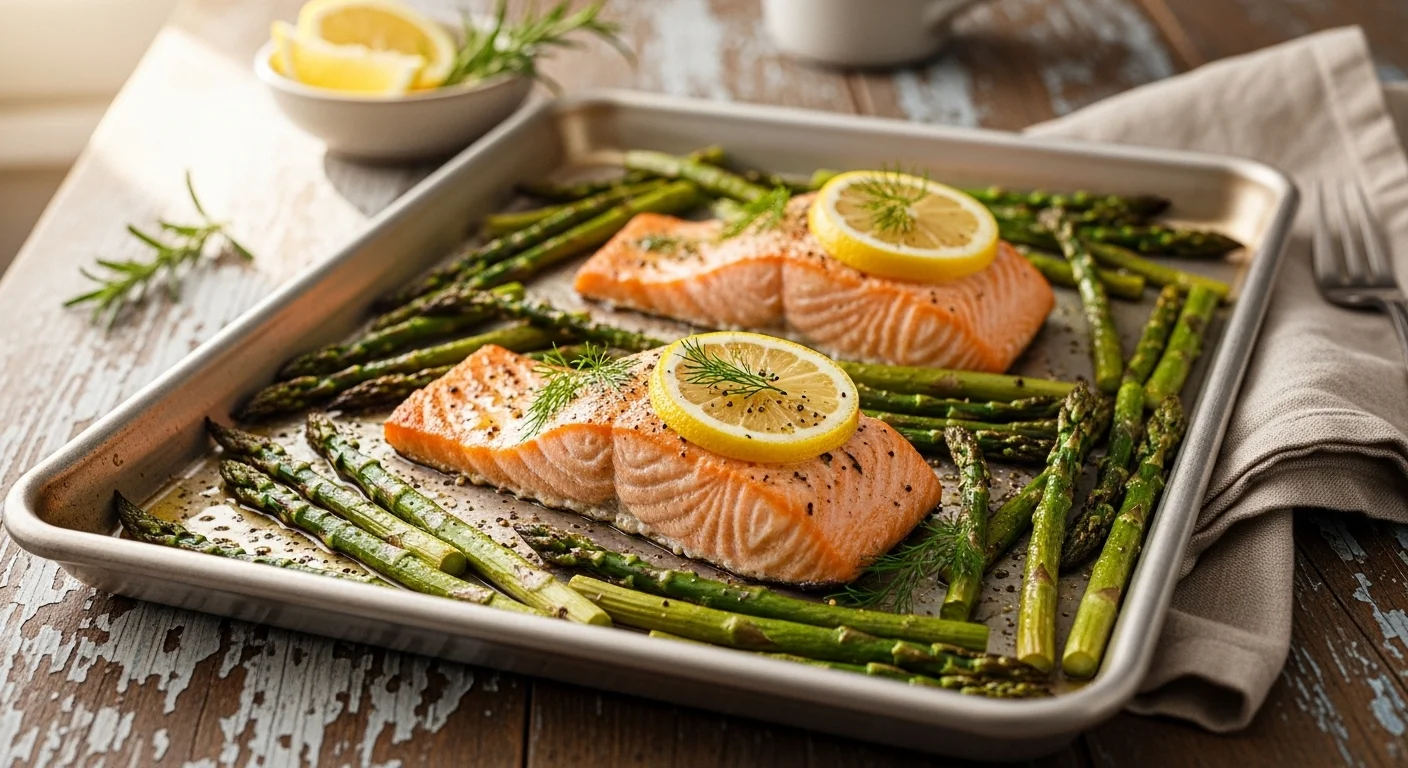
Overview of Sheet Pan Meals
What is a Sheet Pan Meal?
Sheet pan meals have become a staple in many kitchens, and for good reason! A sheet pan meal is simply a dish where all the ingredients are cooked together on a single baking sheet. This method is incredibly convenient, allowing me to prepare a full meal without multiple pots and pans cluttering my kitchen. You can combine proteins, vegetables, and even grains, all in one go. For me, this means less time spent on cleanup and more time enjoying my meal. If you’re interested in trying other sheet pan options, check out Sheet Pan Lemon Chicken And Asparagus (Healthy & Easy).
Benefits of Cooking with a Sheet Pan
One of the biggest advantages of cooking with a sheet pan is efficiency. You can prepare everything at once, and the cooking time is usually shorter than traditional methods. I’ve found that this approach is perfect for weeknight dinners when I’m short on time but still want to serve something wholesome. Plus, when you roast your ingredients together, they often develop a delicious harmony of flavors that’s hard to achieve with separate cooking methods.
Cooking on a sheet pan also allows for easy portion control. I can easily adjust the ingredients based on the number of people at my table, which is especially helpful when we have guests over or when I’m meal prepping for the week. The versatility is another reason I love sheet pan meals; I can switch up the proteins and veggies based on what I have on hand, making it a flexible option for any day of the week.
Why Choose Salmon and Asparagus?
Nutritional Benefits of Salmon
Salmon is a fantastic choice for a sheet pan meal. It’s rich in omega-3 fatty acids, which I’ve learned are essential for heart health. Not only does salmon taste amazing, but it’s also a great source of protein and vitamins like B12 and D. I’ve noticed that incorporating salmon into my diet has made me feel more energized, and it’s easy to prepare. Whether I’m grilling, baking, or pan-searing, the flavors always come through wonderfully. For a different protein option, consider Easy Sheet Pan Chicken And Potatoes (A Complete Meal).
Health Benefits of Asparagus
Asparagus is the perfect vegetable companion for salmon. It’s low in calories but high in nutrients like fiber and vitamins A, C, and K. I often find that adding asparagus to my meals helps me feel fuller without weighing me down. Plus, the bright green color and unique texture add a lovely visual appeal to the dish. When I roast asparagus, it gets a nice caramelization that enhances its natural sweetness, creating a delightful flavor contrast with the savory salmon.
Flavor Profile and Pairing
The combination of salmon and asparagus is a match made in culinary heaven. The richness of the salmon pairs beautifully with the earthy, slightly nutty flavor of asparagus. When I cook them together, I often add a squeeze of lemon juice, which brightens both the fish and the vegetables. The acidity from the lemon really brings out the best in both ingredients. I love experimenting with different herbs and spices to elevate the dish even more. Fresh dill or parsley can add a burst of freshness, while garlic powder or paprika can introduce a hint of warmth.
Ingredients for Sheet Pan Salmon and Asparagus
Main Ingredients
Salmon Fillets
When choosing salmon, I prefer wild-caught when possible due to its superior flavor and nutritional profile. Fillets are easy to work with and cook evenly. I typically look for a nice, vibrant color, which indicates freshness.
Asparagus Stalks
Fresh asparagus is key to making this dish successful. I usually select firm, bright green stalks with closed tips. The thickness of the stalks can vary, but I tend to go for medium-sized ones, which cook nicely in the time it takes to prepare the salmon.
Seasonings and Marinades
Olive Oil
Olive oil is my go-to fat for roasting because it adds a wonderful richness to the dish. It helps to keep the salmon moist while also giving the asparagus a nice crisp texture. I usually drizzle a generous amount over the salmon and veggies before they head into the oven.
Lemon Juice
This is a crucial ingredient for brightening up the flavors. The acidity of lemon juice cuts through the richness of the salmon and enhances the natural taste of the asparagus. I often zest the lemon to add even more citrus flavor to the dish.
Herbs and Spices
Depending on my mood, I like to play around with different herbs and spices. A sprinkle of salt and pepper is essential, but I also enjoy adding herbs like dill, thyme, or rosemary for extra flavor. Each herb brings its own unique twist to the dish, and it’s fun to experiment.
Optional Add-Ins
Cherry Tomatoes
Adding cherry tomatoes to the sheet pan not only enhances the dish with a pop of color but also adds a sweet and juicy burst that complements the salmon perfectly. I love how they blister slightly in the oven, creating a sweet contrast to the savory elements.
Potatoes
If I’m feeling particularly hungry or want to make it a heartier meal, I sometimes throw in some diced potatoes. They soak up the flavors from the salmon and seasonings, making every bite delicious. Just be sure to cut them smaller so they cook at the same rate as the salmon and asparagus.
Step-by-Step Cooking Instructions
Preparation Steps
Prepping the Salmon
Getting the salmon ready is one of my favorite parts. I typically start by rinsing the fillets under cold water to remove any excess fishy smell. Then, I pat them dry with paper towels. This step is important because a dry surface allows the seasoning to stick better and helps achieve that beautiful crust when baking. I like to season my salmon with a sprinkle of salt and pepper, then drizzle it with olive oil and a squeeze of fresh lemon juice. I find that letting the salmon marinate for about 15-30 minutes adds so much flavor without much extra effort. If you’re looking for a quick and easy salmon recipe, try this Easy Baked Salmon Recipe (Flaky, Juicy & Fast).
Preparing the Asparagus
Next, I focus on the asparagus. I snap off the tough ends of the stalks, which is a satisfying process. I love how they naturally break where the tender part starts. After that, I rinse them in cool water to clean off any dirt, and I dry them gently. I usually lay them out on a cutting board and drizzle with olive oil, tossing them until they’re well-coated. A little sprinkle of salt and pepper goes a long way here, too. If I want to get fancy, I might even add minced garlic or lemon zest for extra flavor.
Mixing Marinade
If I’m in the mood for something special, I often mix a simple marinade in a bowl before combining it all on the sheet pan. Typically, I would take olive oil, lemon juice, and my chosen herbs—maybe some dill and a bit of garlic powder. I whisk it all together until it’s well blended. This marinade not only infuses the salmon with flavor but also adds a delightful taste to the asparagus. Plus, it makes cleanup easier since everything is tossed together instead of layered separately.
Cooking Process
Assembling the Sheet Pan
Now comes the fun part: assembling everything on the sheet pan! I preheat my oven to 400°F (200°C), which is the perfect temperature for roasting. I usually line the baking sheet with parchment paper for easy cleanup, but a bit of oil directly on the pan works too. I place the salmon fillets in the center of the pan, then arrange the asparagus around them. If I’m adding cherry tomatoes or diced potatoes, I scatter those in as well. It’s like creating a colorful work of art! I make sure everything is laid out in a single layer for even cooking.
Baking Instructions
Once everything is beautifully arranged, I pop the sheet pan into the preheated oven. I typically set a timer for about 12 to 15 minutes, depending on the thickness of the salmon fillets. I’ve found that keeping an eye on it is crucial—nothing worse than overcooked salmon! The smell that fills the kitchen while it’s baking is simply heavenly. I love the aroma of roasted asparagus mingling with the savory salmon; it’s hard not to get excited.
Checking for Doneness
After about 12 minutes, I like to check the salmon. Using a fork, I gently flake the thickest part of the fillet. If it flakes easily and is opaque throughout, it’s done! The asparagus should be tender but still have a bit of crunch. If everything isn’t quite there yet, I might give it another minute or two. I often finish it off with a squeeze of fresh lemon juice just before serving, which brightens everything up even more. This dish is not only visually appealing but also tastes incredible, and it’s all thanks to the simple process we just went through!
Variations and Modifications
Different Fish Options
While salmon is a favorite of mine, I’ve discovered that other types of fish work wonderfully for sheet pan meals too. For instance, I enjoy using trout or cod for a lighter option. Both fish have their own unique flavors that can really shine with the right seasoning. When I swap out salmon for trout, I often keep the lemon and dill but might add a touch of soy sauce for an Asian-inspired twist.
Vegetable Substitutions
If asparagus isn’t in season or I’m just in the mood for something different, I love experimenting with other vegetables. Broccoli, bell peppers, or even Brussels sprouts have made their way onto my sheet pan. It’s fun to mix and match! Each vegetable adds its own flavor profile and texture, making every meal a new experience. I’ve found that root vegetables like carrots or sweet potatoes also work well—just be sure to cut them smaller to ensure they cook through at the same rate.
Spice Level Adjustments
For those who enjoy a little heat, adjusting the spice level is super easy. I’ve added red pepper flakes or a dash of cayenne pepper to the marinade for an extra kick. I also love experimenting with different spice blends, like Cajun seasoning or a bit of chipotle powder for a smoky flavor. You can really customize this dish to match your tastes, which is one of the reasons I keep coming back to it!
Serving Suggestions
Side Dishes to Pair with Salmon and Asparagus
When it comes to side dishes, I love to keep it simple yet delicious. Since sheet pan salmon and asparagus are already so flavorful, I often opt for something light and complementary. One of my go-to choices is quinoa; its nutty flavor and fluffy texture balance well with the richness of the salmon. I’ve also enjoyed serving a side of couscous, which can be dressed up with a little olive oil, lemon, and herbs for extra flavor.
Sometimes, I’ll serve a fresh green salad alongside. I like to toss together mixed greens, cherry tomatoes, cucumber, and a light vinaigrette. It adds a refreshing crunch that contrasts beautifully with the warm, roasted salmon and asparagus. For a heartier option, roasted sweet potatoes or a simple rice pilaf can also do the trick, especially if I’m feeling a bit hungrier.
Recommended Wine Pairings
Finding the right wine to pair with my meal is always fun! For salmon, I lean towards a nice Pinot Noir or a light Chardonnay. The Pinot Noir offers a fruity, earthy complement to the fish, while the Chardonnay’s buttery notes can enhance the richness of the salmon. On occasions when I want something crisp and refreshing, I opt for a Sauvignon Blanc. The acidity in the Sauvignon Blanc really cuts through the richness of the salmon and brings everything together beautifully.
How to Serve for Meal Prep
Meal prep has become part of my routine, and this sheet pan salmon and asparagus dish fits perfectly into that. I usually make a larger batch so I can enjoy leftovers throughout the week. Once everything is cooked and cooled slightly, I portion the salmon and asparagus into individual containers. I like to add a scoop of quinoa or rice in each container, creating a complete meal.
When I pack my meals, I always remember to store them in airtight containers to keep them fresh. I often include a small lemon wedge on the side to brighten up the dish when I reheat it. For me, having healthy, delicious meals ready to go makes my week much more manageable!
Storage and Reheating Tips
How to Store Leftovers
Storing leftovers properly is essential to maintain the flavor and texture of the dish. I typically let any leftover salmon and asparagus cool down to room temperature before transferring them to airtight containers. This way, I can avoid any condensation that might make things soggy. I’ve found that they can last in the fridge for about 2-3 days without losing their goodness. If I want to keep them longer, I sometimes freeze the salmon and asparagus in individual portions. Just make sure to use freezer-safe containers or bags!
Best Practices for Reheating
Reheating can be tricky, especially with salmon, as I don’t want it to dry out. When I reheat leftovers, I usually opt for the oven, as it helps retain moisture. I preheat my oven to 350°F (175°C) and place the salmon and asparagus on a baking sheet. A splash of water can be added to keep things moist. I cover everything with aluminum foil to trap steam and help it warm up evenly. Typically, it only takes about 10-15 minutes to get everything heated through.
If I’m in a hurry, I might use the microwave, but I prefer to do so in short intervals to avoid overcooking. I set the microwave to reheat at medium power and check every minute until everything is warmed through. With these tips, I find that my meal still tastes fresh and delicious, just like when I first made it!
Common FAQs
How long does it take to cook sheet pan salmon?
Cooking sheet pan salmon usually takes around 12 to 15 minutes at 400°F (200°C). The exact time can vary based on the thickness of the fillet, so I recommend checking for doneness around the 12-minute mark to avoid overcooking.
Can I use frozen salmon for this recipe?
Yes, you can use frozen salmon! Just be sure to thaw it completely before cooking. I usually take it out of the freezer the night before and let it sit in the refrigerator. If I’m in a rush, I might run it under cold water until it’s thawed. Cooking times may vary slightly when starting with frozen salmon, so keep an eye on it as it bakes.
What is the best way to season salmon?
In my experience, simple seasonings work wonders for salmon. A sprinkle of salt and pepper is essential, but I love adding a drizzle of olive oil and a squeeze of lemon juice. Fresh herbs like dill, parsley, or thyme elevate the flavor, too. The key is to let the salmon marinate for a bit to absorb all those delicious flavors!
Is this meal suitable for meal prep?
Absolutely! This sheet pan salmon and asparagus dish is perfect for meal prep. It holds up well in the fridge and can be easily portioned into containers. With a few sides like quinoa or rice, it makes for a balanced meal that’s ready to go at any time during the week.
Frequently Asked Questions
What is a sheet pan meal?
A sheet pan meal is a dish where all the ingredients are cooked together on a single baking sheet, allowing for convenient preparation and less cleanup.
What are the benefits of cooking with a sheet pan?
Cooking with a sheet pan is efficient, as everything can be prepared at once, often resulting in shorter cooking times. It also allows for easy portion control and versatility in ingredient choices.
Why is salmon a good choice for a sheet pan meal?
Salmon is rich in omega-3 fatty acids, protein, and essential vitamins, making it a nutritious option that is easy to prepare and flavorful.
What nutritional benefits does asparagus provide?
Asparagus is low in calories and high in nutrients like fiber and vitamins A, C, and K, helping to keep you feeling full without added heaviness.
What are the main ingredients for sheet pan salmon and asparagus?
The main ingredients include salmon fillets, fresh asparagus stalks, olive oil, and lemon juice. Seasonings like salt, pepper, and various herbs can also be added.
How long does it take to cook sheet pan salmon?
Cooking sheet pan salmon usually takes around 12 to 15 minutes at 400°F (200°C), depending on the thickness of the fillet.
Can I use frozen salmon for this recipe?
Yes, frozen salmon can be used as long as it is thawed completely before cooking. Thawing can be done overnight in the refrigerator or under cold water in a pinch.
Is this meal suitable for meal prep?
Absolutely! This sheet pan salmon and asparagus dish is great for meal prep and can be portioned into containers for easy reheating throughout the week.
What are some optional add-ins for the recipe?
Optional add-ins include cherry tomatoes for sweetness and color, or diced potatoes for a heartier meal, ensuring they are cut small enough to cook evenly.
How should leftovers be stored and reheated?
Leftovers should be cooled to room temperature and stored in airtight containers. For reheating, the oven is recommended to retain moisture, while the microwave can be used in short intervals.