
If you’re looking for a quick and delicious meal, simple baked tilapia with lemon and garlic is a fantastic choice. It’s flaky, full of flavor, and can be on your table in no time! Read Interesting article: Easy Baked Salmon Recipe (Flaky, Juicy & Fast)
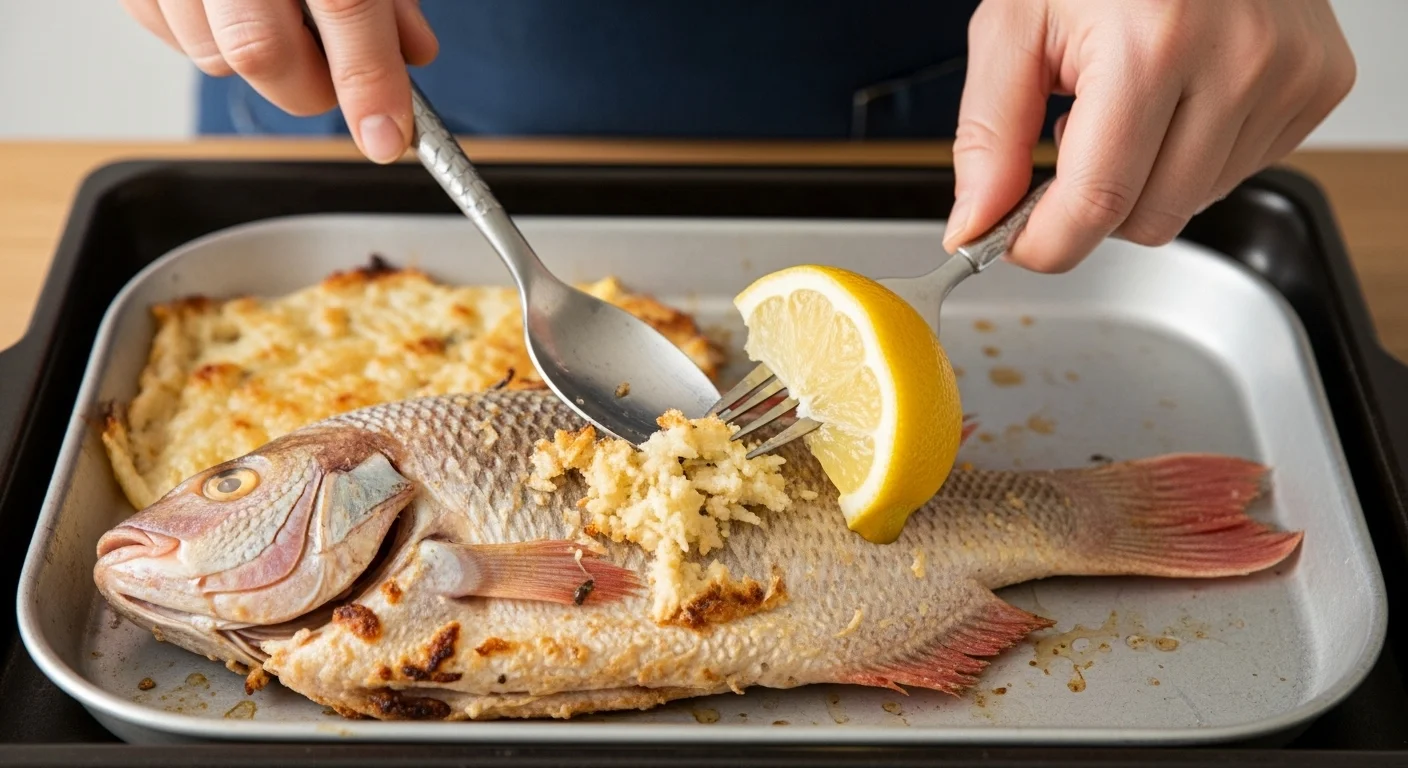
Overview of Baked Tilapia
What is Tilapia?
Tilapia is a type of freshwater fish that has become one of the most popular seafood choices around the world. I remember the first time I tried tilapia; it was at a local restaurant, and I was surprised at how mild and flaky it was. This fish is native to Africa and the Middle East but is now farmed globally, making it accessible and affordable. It has a light flavor that pairs beautifully with various seasonings, which is part of what makes it so versatile in the kitchen.
Health Benefits of Tilapia
One of the reasons I love baking tilapia is its nutritional profile. It’s low in calories yet high in protein, making it a great option for anyone watching their diet. In fact, a typical serving of tilapia provides about 23 grams of protein while being relatively low in fat. Plus, it’s rich in essential vitamins and minerals, including B vitamins, phosphorus, and selenium. I’ve found that incorporating tilapia into my meals not only keeps things light but also satisfies my protein needs without all the extra calories. Read Interesting article: 6 Easy Fish Recipes Your Whole Family Will Love
Why Bake Tilapia?
Baking tilapia is one of the simplest and healthiest cooking methods I’ve discovered. It requires minimal prep time and allows the fish to retain its moisture and delicate flavor. When I bake tilapia, I find that it cooks evenly and becomes wonderfully flaky. Plus, I appreciate that I can season it however I like, whether I’m in the mood for something zesty or subtle. The lemon and garlic combination is a staple for me; it brings out the natural flavors of the fish and makes my kitchen smell divine.
Key Ingredients for Simple Baked Tilapia
Fresh Tilapia Fillets
When it comes to choosing tilapia, I always opt for fresh fillets if possible. Freshness can really enhance the flavor and texture of the dish. I’ve learned that looking for bright, clear eyes and shiny skin is a good indicator of freshness. If fresh isn’t available, frozen tilapia is also a good choice and can be just as delicious when properly thawed. I usually take my frozen fillets out a day in advance and let them thaw in the refrigerator.
Lemon: Fresh vs. Bottled Juice
Lemon is a key player in this dish. I personally prefer using fresh lemons for their vibrant flavor and aroma. The zest adds an incredible brightness that bottled lemon juice just can’t replicate. However, I understand that convenience matters, especially on busy days. If bottled juice is all I have, I make sure it’s 100% lemon juice without added sugars or preservatives. Either way, the tartness of the lemon complements the fish perfectly.
Garlic: Fresh vs. Powdered
Garlic is another essential ingredient in my simple baked tilapia recipe. I usually go for fresh garlic cloves because I enjoy the robust flavor they bring to the dish. Crushing or mincing fresh garlic releases oils that provide a depth of flavor. However, I won’t shy away from using garlic powder when I’m in a pinch or if I want a milder garlic taste. It’s all about what I have on hand and the flavor profile I’m aiming for.
Olive Oil vs. Butter
When it comes to fat for my baked tilapia, I often choose olive oil for its health benefits and rich flavor. It’s a staple in my kitchen, and I love how it helps the fish stay moist while also allowing the seasonings to adhere. That said, there’s something undeniably comforting about using butter. I’ve experimented with both, and sometimes I even mix them together. The key is to use enough fat to prevent the fish from sticking to the pan while enhancing the overall taste.
Seasoning Options (Salt, Pepper, Herbs)
Seasoning is where I have a bit of fun with this recipe. A simple sprinkle of salt and pepper is usually enough, but I also enjoy adding herbs for an extra layer of flavor. Fresh herbs like parsley or dill can really elevate the dish. I remember one time I used fresh thyme, and it made the dish smell heavenly. I recommend experimenting with different herbs and spices to find your perfect combination. After all, cooking should be enjoyable and tailored to our tastes!
Step-by-Step Instructions for Baking Tilapia
Preparing the Fillets
Getting the tilapia fillets ready is the first exciting step in this cooking adventure. If you’ve chosen fresh fillets, I like to rinse them under cold water first. It’s a simple step, but I feel it helps clean off any residue. After rinsing, I gently pat them dry with paper towels. This is key because it helps the seasoning stick better. For frozen fillets, make sure they’ve thawed completely in the fridge, and then follow the same rinsing and drying process. I’ve noticed that taking this extra moment makes a difference in the final dish.
How to Make Lemon Garlic Marinade
Creating the marinade is where the magic begins! In a small bowl, I usually combine the juice of one or two fresh lemons, minced garlic, and about two tablespoons of olive oil. I whisk it all together until it’s well blended. Sometimes, I add a pinch of salt and pepper right into the marinade to amp up the flavor. I recommend tasting it at this point; it should be tangy, zesty, and just a little bit savory. If I’m feeling adventurous, I might toss in some fresh herbs like thyme or rosemary directly into the marinade. This step is so easy, and it really enhances the fish’s flavor while it bakes.
Baking Techniques for Flaky Tilapia
Now that my fillets are prepped and the marinade is ready, it’s time to combine them! I like to place the tilapia fillets in a shallow dish and pour the lemon garlic marinade over them, making sure each fillet is well coated. Letting them marinate for at least 15 minutes is ideal, but I’ve also let them soak for up to an hour when I have the time. This soaking allows the flavors to really penetrate the fish. I usually cover the dish with plastic wrap and pop it in the fridge during this time.
When it’s almost time to bake, I preheat my oven to 400°F (200°C). This temperature is perfect for cooking tilapia through while ensuring it remains moist and flaky. After marinating, I place the fillets on a lined baking sheet, making sure to leave a bit of space between each piece. I’ve learned that crowding the pan can lead to uneven cooking, which we definitely want to avoid.
Oven Temperature and Cooking Time
Once my oven is preheated, I slide the baking sheet in and set a timer for about 12 to 15 minutes. The cooking time can vary based on the thickness of the fillets, so I always keep an eye on them. I find that tilapia is done when it flakes easily with a fork and is opaque all the way through. I remember a time when I got distracted and left the fish in for too long; it ended up a little dry. Now, I set a timer and check a bit earlier just to be safe. If you want to be extra sure, you can use a meat thermometer; tilapia is perfectly cooked at about 145°F (63°C).
Serving Suggestions
What to Serve with Baked Tilapia
Once my tilapia is out of the oven, the next step is thinking about what to serve it with. I love pairing it with a simple side salad—something fresh and crunchy, like mixed greens with a light vinaigrette. It balances the richness of the fish beautifully. Another favorite of mine is a side of steamed vegetables—broccoli, asparagus, or even green beans work great. They add color and nutrition to the meal.
Side Dishes That Complement Lemon Garlic Flavor
In my experience, I’ve found that roasted potatoes are a fantastic accompaniment. I often throw some baby potatoes in the oven alongside the fish, seasoned with olive oil, salt, and pepper. Their crispy exterior and fluffy interior contrast nicely with the flaky tilapia. For a lighter option, quinoa or couscous can be delightful as well, especially if you mix in some herbs or lemon zest to tie everything together. I’ve noticed that lemony flavors tend to bring out the best in tilapia. Read Interesting article: Best Mexican appetizers recipes
Garnishing Tips for Presentation
Finally, let’s talk about garnishing. I love to finish off my baked tilapia with a sprinkle of freshly chopped parsley or dill right before serving. It adds a pop of color and a fresh aroma that’s hard to resist. Sometimes, I’ll even add a few lemon wedges on the side, not only for aesthetics but also so guests can squeeze a bit more lemon juice on their fish if they want to. Presentation really does enhance the dining experience, and I’ve found that a little effort goes a long way in making a meal feel special.
Variations of Baked Tilapia
Herb-Crusted Tilapia
I love getting creative in the kitchen, and one of my favorite variations of baked tilapia is the herb-crusted version. It’s incredibly simple to make and adds a delightful texture. To prepare this, I typically mix breadcrumbs with fresh herbs like parsley, dill, and basil. Sometimes, I even add a sprinkle of Parmesan cheese for an extra savory kick. After coating the fillets with my lemon garlic marinade, I press the herb mixture onto the fish before baking. This creates a crispy, flavorful crust that contrasts beautifully with the flaky fish. I remember the first time I served this to friends; they couldn’t believe how gourmet it tasted!
Spicy Baked Tilapia
If I’m in the mood for something with a little heat, I often make a spicy baked tilapia. This variation brings a whole new flavor profile to the table. I start with my usual lemon garlic marinade but add some crushed red pepper flakes or a dash of cayenne pepper. Sometimes, I’ll marinate the fish with a bit of hot sauce for an extra kick. When it bakes, the spiciness melds beautifully with the lemon, making each bite exciting. I’ve enjoyed serving this to those who love a bit of zest in their meals—it’s always a hit at get-togethers!
Vegetable-Stuffed Tilapia
Another variation I find both delicious and visually appealing is vegetable-stuffed tilapia. It’s a great way to incorporate more veggies into the dish. I often use a mixture of spinach, tomatoes, and even some feta cheese for a Mediterranean twist. To prepare, I sauté the vegetables lightly with some olive oil, garlic, and spices before letting them cool slightly. Then, I place the mixture right in the center of the tilapia fillets and fold them over. After that, I bake them as usual, and the result is a flavorful, nutritious meal that looks beautiful on the plate. I remember being pleasantly surprised by how well the flavors blended together!
Common Mistakes to Avoid
Overcooking Tilapia
One of the most common mistakes I’ve made when baking tilapia is overcooking it. I remember the first few times I attempted this recipe, I was so worried about undercooking that I ended up with dry, tough fish. Tilapia cooks quickly, so I’ve learned to keep a close eye on it. I always check for doneness a couple of minutes before the timer goes off. If I notice it’s starting to flake easily, I take it out right away. Trust me, there’s nothing worse than dry fish!
Skipping the Marinade
Another mistake I’ve made is skipping the marinade. I used to think I could just season the fish right before baking and still achieve great flavor. But I quickly learned that marinating tilapia truly enhances its taste and keeps it moist. It’s a quick step that makes a world of difference. So, I always take the time to let it soak in those delicious flavors, even if it’s just for 15 minutes. I promise, it’s worth the wait!
Using Low-Quality Ingredients
When it comes to making a simple baked tilapia dish, using high-quality ingredients is essential. I’ve tried making the recipe with lower-quality oils or stale spices, and the results were disappointing. The flavors just didn’t come together as well. I always opt for fresh garlic, good olive oil, and fresh herbs whenever possible. The difference in taste is significant, and it’s one of those lessons I learned the hard way. Investing in quality ingredients elevates the entire dish and makes every bite more enjoyable.
Frequently Asked Questions (FAQs)
Can I Use Frozen Tilapia?
Yes! I often use frozen tilapia when I can’t find fresh fillets. Just make sure to thaw them properly in the refrigerator before cooking. I recommend thawing overnight for the best texture. If you’re short on time, you can also use the defrost setting on your microwave, but I prefer the refrigerator method to maintain quality.
How to Store Leftover Baked Tilapia?
If I have leftovers, I store them in an airtight container in the refrigerator. They typically keep well for a couple of days. I like to reheat them gently in the oven to avoid drying them out. Sometimes, I’ll add a little splash of lemon juice before reheating to keep them moist. It’s a great way to enjoy the meal again without losing flavor!
Can I Grill Instead of Bake?
Absolutely! I’ve tried grilling tilapia, and it’s a fantastic option, especially during the summer months. Just make sure to use a grill basket or aluminum foil to prevent the fish from falling apart on the grill. The smoky flavor from grilling adds another layer of deliciousness that I really enjoy. Just keep an eye on it, as it cooks even faster than baking!
What Wine Pairs Well with Baked Tilapia?
When it comes to wine pairing, I’ve found that a crisp white wine, like Sauvignon Blanc or Pinot Grigio, complements baked tilapia beautifully. The acidity in the wine matches nicely with the lemon and garlic flavors. I remember enjoying a lovely Sauvignon Blanc with my herb-crusted tilapia, and it made for an unforgettable meal!
Nutritional Information
Calories and Macronutrients
For those of us who are mindful of what we eat, baked tilapia is a wise choice. A typical serving size of tilapia (about 3 ounces) contains around 110 calories, 23 grams of protein, and just 2 grams of fat, depending on how it’s prepared. It’s a great way to get lean protein while keeping calories in check. I love knowing that I’m nourishing my body with something light yet satisfying.
Vitamins and Minerals in Tilapia
Tilapia is not just a protein powerhouse; it’s also packed with essential vitamins and minerals. I’ve learned that it contains significant amounts of vitamin B12, niacin, and selenium. These nutrients support energy metabolism and help keep our immune systems strong. I appreciate that by choosing tilapia, I’m not just enjoying a tasty meal but also benefiting from its nutritional value. It’s a win-win in my book!