
Embracing menopause can feel overwhelming, but making simple food swaps can make a world of difference. I’ve discovered that small changes in my diet have not only improved my health but also my overall well-being during this transition.
Understanding Menopause and Its Nutritional Needs
As I journey through menopause, I’ve learned that it’s a natural phase in life that can bring about various physical and emotional changes. One of the most significant aspects I’ve encountered is how our body’s nutritional needs can shift during this time. Hormonal fluctuations can lead to symptoms like hot flashes, mood swings, and weight gain. I soon realized that adjusting my diet could help alleviate some of these symptoms and support overall health.
The Role of Nutrition in Managing Menopause Symptoms
Nutrition plays a critical role in managing menopause symptoms. I started by focusing on foods rich in essential nutrients like calcium, vitamin D, and magnesium, which are vital for maintaining bone health. With the risk of osteoporosis increasing post-menopause, I made it a priority to include foods that support bone density. I found that incorporating leafy greens, nuts, and seeds into my meals has made a noticeable difference in how I feel.
Furthermore, I discovered the importance of phytoestrogens—plant-based compounds that mimic estrogen in the body. Foods like soy products, flaxseeds, and lentils became staples in my kitchen. Not only do they help balance estrogen levels, but they also provide a wealth of other nutrients. Including these foods in my meals has been a game-changer for managing hot flashes and mood swings.
Simple Food Swaps for a Healthier Diet
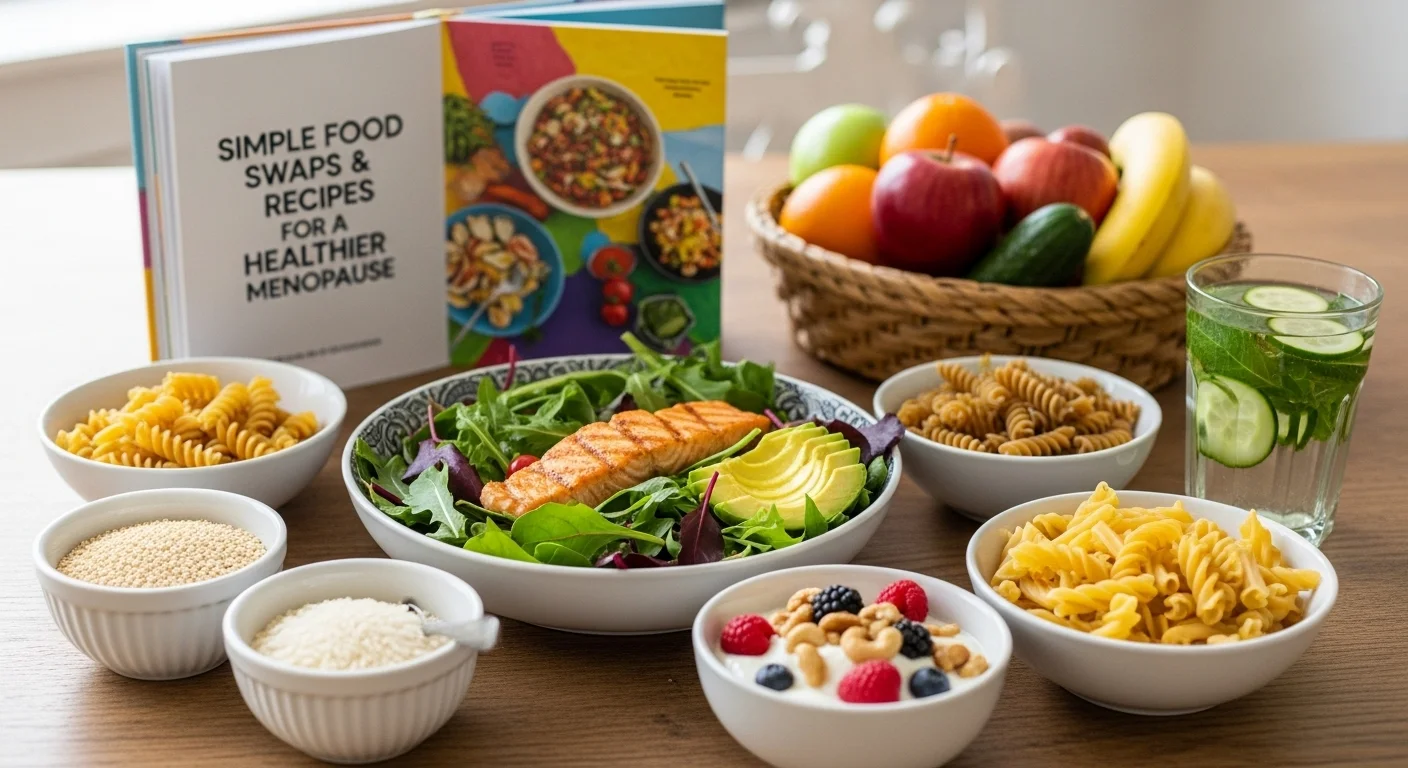
One of the most effective strategies I’ve adopted is making simple food swaps. These changes are not only easy to implement but also enhance the nutritional value of my meals. Here are some swaps that I found particularly beneficial:
- White Rice for Quinoa: I used to enjoy white rice as a side dish, but switching to quinoa has been a fantastic choice. Quinoa is a complete protein, packed with fiber and essential amino acids. It helps keep me full longer and stabilizes my blood sugar levels.
- Processed Snacks for Nuts and Seeds: I used to reach for chips or cookies when I needed a snack. Now, I opt for a handful of mixed nuts or seeds. They provide healthy fats, protein, and fiber, which keep my energy levels steady and curb my cravings.
- Dairy Milk for Almond or Soy Milk: I made the switch to almond or soy milk for my smoothies and cereals. These alternatives are often lower in calories and are enriched with vitamins like calcium and vitamin D, which are crucial for bone health.
Elevating Flavor with Herbs and Spices
Another aspect of my dietary transformation involved enhancing flavors with herbs and spices instead of relying on salt or unhealthy fats. I discovered that adding fresh herbs like basil, cilantro, or parsley not only boosts flavor but also provides antioxidants. Spices like turmeric and ginger have anti-inflammatory properties that can help with joint pain and discomfort that sometimes accompany menopause.
For instance, I love making a vibrant quinoa salad with diced cucumbers, cherry tomatoes, and a sprinkle of feta cheese, all tossed with olive oil and fresh lemon juice. The burst of flavors from the herbs and spices makes healthy eating enjoyable rather than a chore.
Recipe Ideas to Get Started
To make these food swaps more practical, I’ve compiled a couple of my favorite recipes that are easy to prepare and packed with nutrients. They’ve become staples in my kitchen and I think you might enjoy them too!
Quinoa Salad with Chickpeas and Avocado
This hearty salad is perfect for lunch or a light dinner. It’s loaded with protein, healthy fats, and fiber, making it a balanced meal.
- 1 cup cooked quinoa
- 1 can chickpeas, rinsed and drained
- 1 avocado, diced
- 1 cup cherry tomatoes, halved
- 1 cucumber, diced
- 2 tablespoons olive oil
- 1 tablespoon lemon juice
- Salt and pepper to taste
In a large bowl, combine the quinoa, chickpeas, avocado, tomatoes, and cucumber. Drizzle with olive oil and lemon juice, then season with salt and pepper. Toss gently to combine. Enjoy this refreshing salad chilled or at room temperature!
Turmeric-Spiced Lentil Soup
This comforting soup is warm, nourishing, and packed with flavor. It’s perfect for those cooler days when I want something soothing.
- 1 tablespoon olive oil
- 1 onion, diced
- 2 carrots, diced
- 2 celery stalks, diced
- 3 garlic cloves, minced
- 1 teaspoon turmeric
- 1 teaspoon cumin
- 1 cup lentils (green or brown)
- 4 cups vegetable broth
- Salt and pepper to taste
Heat olive oil in a large pot over medium heat. Add onion, carrots, and celery, cooking until softened. Stir in garlic, turmeric, and cumin, cooking for an additional minute. Add lentils and vegetable broth, then bring to a boil. Reduce heat and simmer for 25-30 minutes until lentils are tender. Season with salt and pepper before serving. This soup is not only delicious but also provides a comforting sense of warmth during menopause.
By making these simple food swaps and trying out these recipes, I’ve been able to navigate menopause with more grace and ease. The key is to listen to my body and find what works best for me. As I explore this new phase of life, I continue to learn and adapt my eating habits for better health and vitality.
Incorporating Mindfulness and Physical Activity
Another essential aspect of my journey through menopause has been the incorporation of mindfulness and physical activity into my daily routine. I’ve come to realize that managing stress is just as important as what I put into my body. The changes my body undergoes during menopause can be overwhelming, but I found that practicing mindfulness helps me stay grounded and manage my emotions more effectively.
Mindfulness practices such as meditation, deep breathing exercises, and even simple yoga stretches have made a profound impact on my mental clarity and emotional stability. I often take a few moments each day to sit quietly, breathe deeply, and focus on the present moment. This practice not only calms my mind but also helps reduce stress levels, which can exacerbate menopause symptoms like hot flashes and mood swings.
Physical activity has also played a crucial role in my well-being. I’ve learned that regular exercise helps improve mood, boost energy levels, and maintain a healthy weight. I’ve embraced activities that I genuinely enjoy, whether it’s walking in nature, cycling around my neighborhood, or joining a dance class. I’ve found that when I engage in activities I love, staying active becomes less of a chore and more of a joy.
Finding Balance with Exercise
When it comes to exercise, I’ve found balance to be essential. I aim for a mix of cardiovascular, strength training, and flexibility exercises. Cardio workouts like brisk walking or swimming keep my heart healthy, while strength training helps maintain muscle mass, which can decline during menopause. I’ve started incorporating resistance bands and body-weight exercises into my routine, which are both effective and easy to do at home.
Flexibility exercises, such as yoga or gentle stretching, have also become a staple for me. Not only do they aid in improving my range of motion, but they also provide a wonderful way to connect with my body and release tension. I’ve noticed that I feel more relaxed and centered after a good stretch, which complements my mindfulness practices perfectly.
Building a Supportive Community
Another significant piece of the puzzle has been building a supportive community. I’ve found that connecting with others who are also navigating menopause can be incredibly reassuring. Whether it’s through online forums, local support groups, or even chatting with friends, sharing experiences has helped me feel less isolated in my journey.
These conversations have opened up opportunities to share tips, recipe ideas, and even resources for emotional support. It’s comforting to know that I’m not alone in facing these challenges, and hearing others’ stories has inspired me to keep focusing on my health and well-being.
Staying Informed About Menopause
As I’ve progressed through this journey, I’ve made it a priority to stay informed about menopause and related health topics. I’ve read books, followed reputable blogs, and listened to podcasts that focus on women’s health. The more I learn, the better equipped I feel to manage my symptoms and advocate for my health. For instance, understanding the role of hormone therapy and its potential benefits and risks has empowered me to make informed choices alongside my healthcare provider.
Additionally, I’ve found that keeping a menopause journal has been beneficial. Documenting my feelings, symptoms, dietary changes, and physical activity helps me identify patterns and triggers. It’s also a great way to reflect on my progress and celebrate the positive changes I’ve made. I often look back at my entries to remind myself of how far I’ve come, which serves as motivation to continue on this path.
Prioritizing Sleep Hygiene
One challenge that I didn’t anticipate during menopause has been the impact on my sleep quality. I’ve experienced more restless nights and occasional insomnia, which can contribute to fatigue and irritability during the day. To combat this, I’ve focused on improving my sleep hygiene. I’ve established a calming bedtime routine, which includes winding down without screens, practicing relaxation techniques, and creating a comfortable sleep environment.
Making my bedroom a sanctuary has been key. I’ve invested in blackout curtains, a comfortable mattress, and essential oils like lavender to promote relaxation. These small changes have significantly improved my sleep quality, which in turn has positively affected my mood and energy levels throughout the day.
By combining mindfulness, physical activity, a supportive community, informed choices, and prioritizing sleep, I’ve been able to navigate menopause with greater ease. Each step I’ve taken has contributed to a more balanced lifestyle, one that supports my physical health, emotional well-being, and overall quality of life.
Final Thoughts
Embracing this phase of life has taught me to be more compassionate with myself and to prioritize my health in new ways. As I continue to explore and adapt, I’m grateful for the lessons learned along the way and look forward to thriving in this next chapter.