
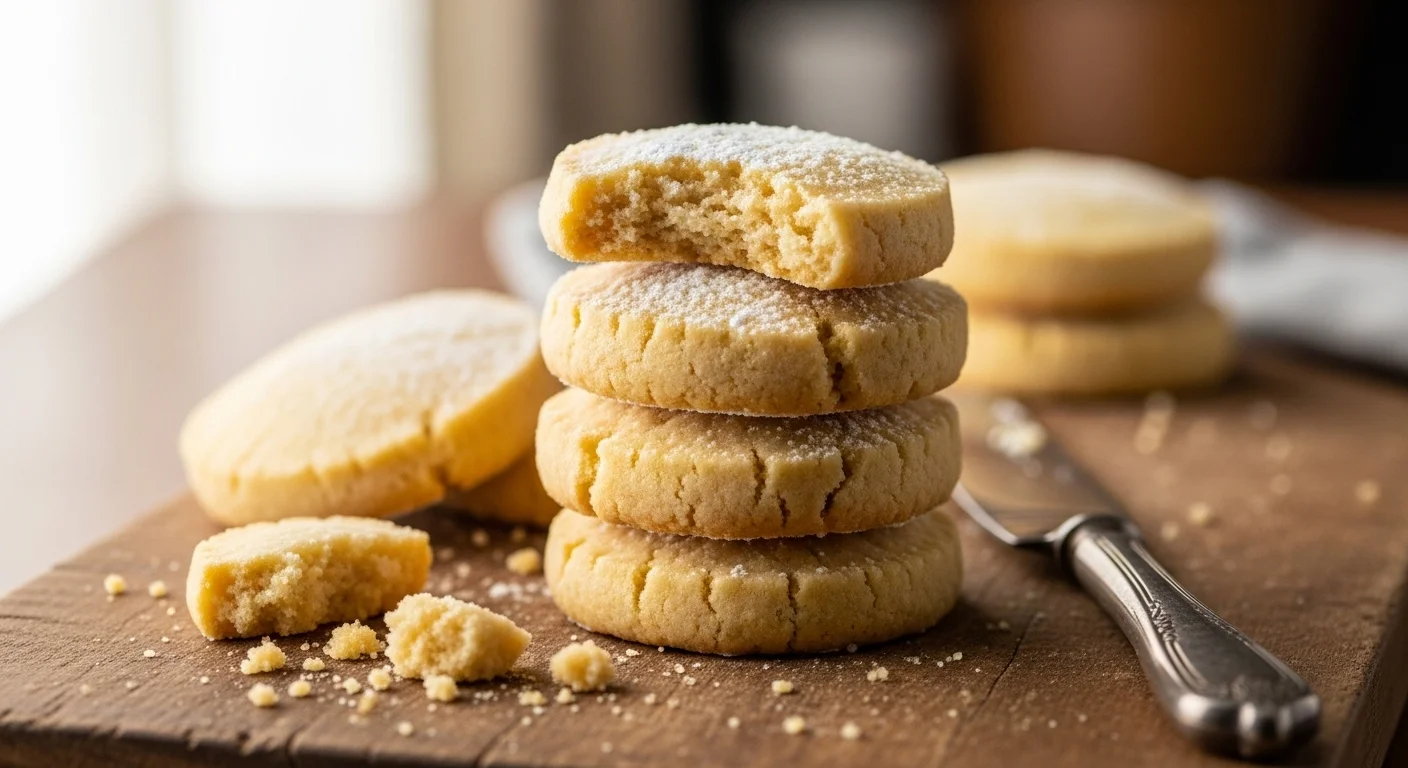
When I first discovered gluten-free baking, I was skeptical. However, I quickly fell in love with the simplicity and deliciousness of gluten-free shortbread cookies. Buttery and crumbly, they bring comfort with every bite!
Overview of Gluten-Free Shortbread Cookies
What are Shortbread Cookies?
Shortbread cookies are a delightful treat that originated in Scotland. They are known for their rich, buttery flavor and crumbly texture. Made primarily from butter, sugar, and flour, these cookies are typically simple yet indulgent. In my experience, the best shortbread has a melt-in-your-mouth quality, which makes it such a beloved classic. Traditional recipes rely on wheat flour, but that doesn’t mean gluten-free versions can’t be just as good!
Why Choose Gluten-Free?
Choosing gluten-free can be a necessity for some, while for others, it might just be a lifestyle choice. I remember the first time I baked gluten-free; I was amazed at how well I could recreate my favorite desserts without compromising on taste or texture. Gluten-free shortbread cookies are perfect for everyone, whether you have celiac disease, gluten intolerance, or just want to explore new baking options. They provide a chance to enjoy a classic dessert while accommodating dietary restrictions. Plus, I’ve learned that gluten-free flours often add unique flavors and textures that make cookies even more interesting. For more inspiration, check out 25 Delicious Baked Treats to Mail to Family!
Key Ingredients for Gluten-Free Shortbread Cookies
Gluten-Free Flour Options
One of the first things I learned when baking gluten-free is the importance of choosing the right flour. There are several gluten-free flour options available, each with unique properties. My go-to is a blend of almond flour and a gluten-free all-purpose flour, which gives a lovely tender texture and a slight nutty flavor. You can also try oat flour for a heartier cookie or a coconut flour blend for a tropical twist. Remember, not all gluten-free flours behave the same, so experimenting can lead to fantastic results! I often mix different flours to achieve the perfect balance.
Butter: The Key to Rich Flavor
Butter is essential in shortbread cookies, and using high-quality unsalted butter makes a significant difference. When I use butter, I love the rich, creamy flavor it brings. In gluten-free baking, butter helps to create that desirable crumbly texture we all adore. I always make sure to let my butter soften at room temperature; this makes it easier to cream with sugar, resulting in a smoother dough. If you’re looking for a dairy-free alternative, coconut oil can work well, although it might slightly change the flavor.
Sweeteners: Sugar Variations
Classic shortbread cookies typically use granulated sugar, but there are plenty of ways to sweeten your gluten-free version. I often experiment with brown sugar for a deeper flavor or even coconut sugar for a more natural option. Each sweetener can bring a different taste and color to the cookies. I’ve found that using a mix of sugars can enhance the overall depth of flavor. Remember to adjust quantities based on the sweetness level you prefer.
Additional Flavorings: Vanilla and Beyond
Vanilla extract is a must-have in my cookie recipes. It adds a warm, inviting aroma that makes your kitchen smell heavenly while baking. However, I also enjoy experimenting with other flavorings. Almond extract adds a unique twist, and I’ve even tried incorporating a dash of lemon zest for a refreshing kick. If you’re feeling adventurous, spices like cinnamon or nutmeg can elevate your cookies to a whole new level. The key is to balance these flavors so they complement rather than overpower the buttery goodness.
Step-by-Step Guide to Making Simple Gluten-Free Shortbread Cookies
Preparation: Tools and Equipment Needed
Before diving into baking, gathering the right tools is essential. My favorite items include a mixing bowl, a spatula, a rolling pin, and a baking sheet lined with parchment paper. Using a cookie cutter can help achieve those perfect shapes, but if you prefer rustic-looking cookies, simply scooping the dough with a spoon works just as well. I also love having a wire rack on hand for cooling the cookies once they come out of the oven.
Mixing the Ingredients
When I mix the ingredients, I start by creaming the softened butter and sugar together until light and fluffy. This step is crucial because it incorporates air into the mixture, giving the cookies a lovely texture. Then, I gradually add the gluten-free flour and any additional flavorings. The dough tends to be a bit crumbly, which is normal. I often find myself using my hands to bring the dough together, which feels rewarding as you can really get a sense of its texture.
Shaping the Cookies
Shaping can be one of the most enjoyable parts of baking. If you’re using a rolling pin, I recommend rolling the dough out between two sheets of parchment paper to avoid sticking. I like to cut my cookies into various shapes – circles, squares, or even fun holiday-themed shapes! For a simple approach, you can also roll the dough into logs, chill them, and slice them into cookies. It’s a straightforward method that yields delicious results.
Baking Instructions and Tips
When it comes to baking, patience is key. I preheat my oven to 350°F (175°C) and always keep an eye on the cookies while they bake. Depending on the size of the cookies, baking time can vary, but I usually aim for about 12-15 minutes. The cookies should be lightly golden around the edges but still soft in the center. I’ve learned that every oven is different, so it’s good to check on them a few minutes before the timer goes off.
Cooling and Storing Cookies
Once the cookies are out of the oven, I transfer them to a wire rack. Letting them cool completely is crucial; this is when they firm up and achieve that delightful crumbly texture. I often store my gluten-free shortbread cookies in an airtight container, where they can stay fresh for several days. If I’m making a larger batch, I’ve found that they also freeze beautifully, making them a perfect treat to have on hand!
Tips for Perfecting Your Gluten-Free Shortbread Cookies
Achieving the Right Texture: Buttery and Crumbly
One of the things I’ve learned over the years is that achieving the perfect texture in gluten-free shortbread cookies can be a bit tricky, but it’s absolutely possible! I always aim for that ideal buttery and crumbly texture that melts in your mouth. A few critical factors play into this. First, the ratio of butter to flour is crucial. Too much flour can make the cookies dry, while not enough can lead to overly soft cookies. I usually stick to a 1:2 ratio of butter to flour, which has worked wonders for me.
Another tip is to incorporate the butter and sugar thoroughly. When I cream them together, I make sure it’s light and fluffy before adding other ingredients. This step helps trap air, making the cookies lighter. Lastly, don’t skip the chilling time! Letting the dough rest in the fridge for at least 30 minutes helps solidify the butter, creating cookies that hold their shape and have that satisfying crumbly bite.
Common Mistakes to Avoid
As I dove into gluten-free baking, I stumbled upon a few mistakes that are easy to make but can significantly impact your cookies. One of the big ones is not measuring your flour correctly. Gluten-free flours can be denser than regular flour, so I always spoon it into my measuring cup and level it off rather than scooping straight from the bag. This little detail can make a world of difference.
Another mistake I’ve made is skipping the chilling step. I know it can feel tempting to bake right away, but that’s a surefire way to end up with flat cookies. I also recommend checking your baking powder and baking soda for freshness. Believe me, stale leavening agents can lead to cookies that just don’t rise. Lastly, don’t rush the cooling process; give your cookies the time they need to firm up on the wire rack!
Adjusting for Altitude and Humidity
Living in a place with varying altitudes and humidity levels, I’ve learned that baking can be quite different depending on where you are. If you find yourself at a higher altitude, the air pressure can affect your cookies. I usually find that adding a bit more flour helps to stabilize the dough. If you’re in a humid environment, I suggest reducing the amount of liquid you use or increasing the flour slightly to prevent the dough from becoming too sticky. It’s all about finding that balance!
When I first started adjusting my recipes, it took a bit of trial and error. I recommend keeping a baking journal where you can note what works and what doesn’t based on your environment. It’s incredibly satisfying when you finally hit that sweet spot!
Variations of Gluten-Free Shortbread Cookies
Chocolate-Dipped Shortbread
Chocolate-dipped shortbread cookies are like a match made in heaven! I remember the first time I decided to dip my gluten-free shortbread in chocolate; it added such a delightful richness that I couldn’t resist. To make these, I simply melt some high-quality chocolate in a microwave or a double boiler and dip half of each cookie in the chocolate. Let them cool on a parchment-lined baking sheet. The combination of buttery shortbread and silky chocolate is an absolute crowd-pleaser!
Herbal and Savory Shortbread Options
If you’re feeling adventurous, I highly recommend trying herbal and savory variations. I’ve experimented with rosemary and thyme in my shortbread, and the results were surprising! The savory herbs complement the buttery flavor beautifully. Just add finely chopped herbs to your dough, and you’ll have a unique twist on the classic cookie. These savory shortbread cookies can be a fantastic addition to cheese platters or served alongside soups and salads.
Seasonal Flavors: Pumpkin Spice and More
Seasonal flavors are a wonderful way to keep gluten-free shortbread interesting throughout the year. During fall, I love adding pumpkin puree and a blend of warming spices like cinnamon, nutmeg, and ginger to my batch. It’s like bringing a slice of autumn into every bite. For winter holidays, you can incorporate peppermint extract or orange zest for a bright, festive flavor. The possibilities are endless, and I find it enjoyable to experiment with different flavor profiles depending on the season!
Serving Suggestions and Pairings
Best Beverages to Enjoy with Shortbread
When it comes to pairing beverages with gluten-free shortbread cookies, my go-to is always a nice cup of tea. There’s something so comforting about a warm cup of chamomile or Earl Grey alongside buttery cookies. If I’m in the mood for coffee, a rich espresso balances out the sweetness of the cookies perfectly. I’ve also discovered that a glass of dessert wine or even a classic hot chocolate can elevate your cookie experience to a whole new level!
Serving for Special Occasions
Shortbread cookies are not just for everyday snacking; they can be a delightful addition to any special occasion! For birthdays, I love to decorate them with royal icing or colorful sprinkles to add a festive touch. During holidays, I often create beautiful gift boxes filled with assorted flavors of shortbread. They make for a lovely homemade gift that’s sure to impress. I’ve even served them at bridal showers and baby showers, arranged on platters with fresh fruit and cheese. They are versatile enough to fit any celebration! For more ideas, check out 10 Kid-Friendly Pasta Recipes for Easy Weeknights!
Frequently Asked Questions (FAQs)
Can I Substitute Ingredients?
Absolutely! One of the joys of baking is experimenting with ingredients to suit your preferences or dietary needs. For instance, if you’re out of almond flour, a good substitute could be a blend of coconut flour and gluten-free all-purpose flour. I’ve often swapped out granulated sugar for coconut sugar or brown sugar, and the results were still fantastic! If you’re looking for a dairy-free option, I’ve had success using vegan butter or coconut oil instead of regular butter. Just keep in mind that substitutions may slightly alter the texture or flavor, so it’s all about finding what works best for you!
How Long Do They Last?
When stored properly, gluten-free shortbread cookies can last quite a while. I typically keep mine in an airtight container at room temperature, where they remain fresh for about a week. If you find that you have a larger batch or want to save some for later, freezing is a great option! I’ve frozen my cookies for up to three months, and they still taste delicious once thawed. Just make sure to let them cool completely before freezing to avoid any moisture buildup. When you want to enjoy them again, simply take them out and let them sit at room temperature for a little while, and they’ll be just as good as fresh!
Can These Cookies Be Frozen?
Yes, they can! Freezing gluten-free shortbread cookies has become one of my favorite tricks. I usually freeze them after they’ve cooled completely. I place them in a single layer on a baking sheet and freeze for a couple of hours until firm. Then, I transfer them to a freezer bag or airtight container, separating layers with parchment paper. This way, I can pull out a few cookies whenever I have a craving without feeling like I need to eat them all at once! If you’re planning to freeze the dough instead of the baked cookies, just wrap it tightly in plastic wrap and store it in the freezer for up to three months. When you’re ready to bake, simply thaw the dough in the refrigerator overnight.
Final Thoughts
As I reflect on my journey with gluten-free shortbread cookies, I can’t help but feel grateful for the delicious adventures that baking has brought into my life. Each batch has been an opportunity to experiment, taste, and share with friends and family. I believe that food has a magical way of bringing people together, and these cookies are no exception. Whether it’s during a cozy afternoon at home or a festive gathering, the joy they bring is undeniable.
For me, gluten-free baking has opened up so many possibilities. I’ve discovered that with a little creativity and some trial and error, anyone can enjoy the delightful experience of homemade cookies. I encourage you to embrace the process and make it your own—there’s no “right” way to bake. What matters is that you enjoy it and share those moments with loved ones. Remember to have fun with the flavors and variations; after all, that’s one of the best parts of baking!
So, the next time you find yourself wanting a sweet treat that is both satisfying and accommodating to dietary needs, reach for the ingredients you love and start baking. I truly believe that these gluten-free shortbread cookies can become a staple in your kitchen, just as they have in mine. Happy baking, and may your cookies always be perfectly crumbly!
Frequently Asked Questions
What are gluten-free shortbread cookies?
Gluten-free shortbread cookies are a delicious treat made without wheat flour, using alternative gluten-free flours while maintaining the classic buttery and crumbly texture of traditional shortbread cookies.
Why should I choose gluten-free baking?
Choosing gluten-free can accommodate dietary restrictions, such as celiac disease or gluten intolerance, or simply be a lifestyle choice. Gluten-free flours can also add unique flavors and textures to baked goods.
What gluten-free flour options can I use for shortbread cookies?
Options include a blend of almond flour and gluten-free all-purpose flour, oat flour for a heartier cookie, or coconut flour for a tropical twist. Experimentation with different flours can lead to fantastic results.
How do I achieve the right texture in gluten-free shortbread cookies?
To achieve the ideal buttery and crumbly texture, maintain a proper ratio of butter to flour, thoroughly cream butter and sugar, and chill the dough for at least 30 minutes before baking.
Can I substitute ingredients in the shortbread cookie recipe?
Yes, you can substitute ingredients based on your preferences or dietary needs. For example, you can use coconut flour in place of almond flour or brown sugar instead of granulated sugar. Just keep in mind that substitutions may alter the texture or flavor.
How should I store gluten-free shortbread cookies?
Store gluten-free shortbread cookies in an airtight container at room temperature for about a week. For longer storage, freeze them after cooling completely; they can last up to three months in the freezer.
Can gluten-free shortbread cookies be frozen?
Yes, gluten-free shortbread cookies can be frozen. After cooling, place them in a single layer on a baking sheet until firm, then transfer to a freezer bag or airtight container. You can also freeze the dough for up to three months.
What are some variations of gluten-free shortbread cookies?
Variations include chocolate-dipped shortbread, herbal and savory additions like rosemary and thyme, and seasonal flavors such as pumpkin spice or peppermint for different occasions.
What beverages pair well with gluten-free shortbread cookies?
Pair these cookies with tea, coffee, dessert wine, or hot chocolate. Each beverage complements the buttery sweetness of the cookies beautifully.
How can I serve gluten-free shortbread cookies for special occasions?
Decorate them with royal icing for birthdays, create gift boxes for holidays, or arrange them on platters with fresh fruit and cheese for events like bridal or baby showers. They are versatile enough for any celebration! Don’t miss Everyone’s Making This Cheesy Veg Quesadilla Hack Again for more fun ideas!