
There’s something undeniably delightful about a bowl of Simple Pesto Pasta with Cherry Tomatoes. It’s fresh, vibrant, and bursting with flavor, making it a go-to dish for any occasion! If you’re looking for another quick dish to try, check out The Ultimate 30-Minute Pasta Recipe (Your Family Will Love).
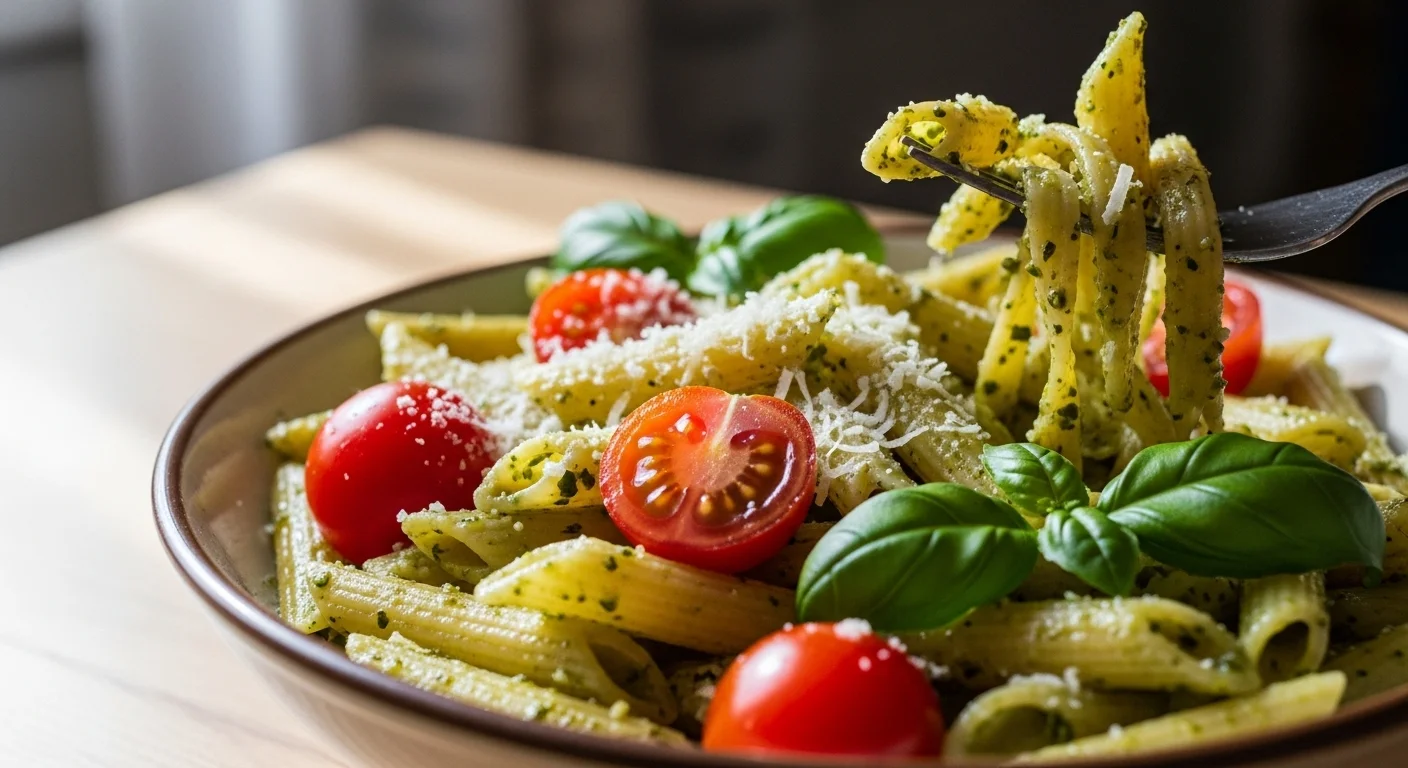
Overview of Simple Pesto Pasta
What is Pesto Pasta?
Pesto pasta is a classic Italian dish that features pasta coated in a flavorful sauce made primarily from fresh basil, garlic, pine nuts, Parmesan cheese, and olive oil. This sauce, known as pesto, offers a rich, herby taste that elevates simple pasta to a whole new level. I remember the first time I tried it; the combination of the earthy pesto and the tender pasta was enough to make me feel like I was dining in a quaint little Italian bistro, even if I was just in my kitchen.
The beauty of pesto pasta lies in its simplicity. You can easily whip it up in less than 30 minutes, making it perfect for a weeknight dinner or a quick lunch. I love how versatile it is; you can customize it with different ingredients or add toppings based on what you have on hand. When I make it, I often find myself tossing in whatever looks fresh and delicious at the market that day.
Why Use Cherry Tomatoes?
Cherry tomatoes are a fantastic addition to pesto pasta for several reasons. First, their natural sweetness complements the savory notes of the pesto beautifully. When I roast or sauté them, they caramelize slightly, enhancing their flavor even more. The burst of juiciness you get when you bite into a cherry tomato adds a refreshing contrast to the creamy, rich pesto.
Moreover, cherry tomatoes add a pop of color to the dish, making it visually appealing. I feel that we eat with our eyes first, so having bright, vibrant colors on our plates makes the meal even more enjoyable. Plus, they are easy to work with—just slice them in half or leave them whole, and they’re ready to go. I often find myself snacking on them while I cook, which is another perk!
Ingredients for Simple Pesto Pasta
Main Ingredients
Creating a delicious Simple Pesto Pasta starts with gathering the right ingredients. Here’s what you’ll need:
- Pasta: I recommend using spaghetti, linguine, or penne, as they hold the pesto sauce wonderfully.
- Fresh Basil: The star of the show! Fresh basil is essential for that authentic pesto flavor.
- Garlic: A couple of cloves add a nice kick.
- Pine Nuts: These give the pesto its creamy texture. Toasting them just slightly can enhance their flavor.
- Parmesan Cheese: Grated Parmesan adds richness and depth to the sauce.
- Olive Oil: High-quality extra virgin olive oil is best for drizzling and blending into the pesto.
- Cherry Tomatoes: As mentioned, these add sweetness and freshness.
Optional Ingredients
While the main ingredients are perfect on their own, I often like to experiment with optional additions. Some of my favorites include:
- Lemon Juice: A splash of lemon juice brightens the flavors and adds a zesty touch.
- Red Pepper Flakes: If you enjoy a bit of heat, a pinch of red pepper flakes can spice things up.
- Spinach or Arugula: Adding some greens boosts the nutrition and enhances the color.
Choosing the Right Pasta
When it comes to pasta, I believe the type you choose can make a difference. While traditional options like spaghetti and linguine are popular, I’ve found that shapes like fusilli or farfalle can scoop up the pesto beautifully, creating little flavor pockets. I like to switch it up based on what I have in my pantry. It’s all about finding what works best for your taste and texture preferences.
When cooking the pasta, I always follow the package instructions but tend to cook it just a minute shy of al dente. This way, when I combine it with the hot pesto, it finishes cooking and absorbs even more flavor. It’s a little trick I’ve learned over the years that makes a noticeable difference in the final dish!
Benefits of Homemade Pesto
Freshness and Flavor
One of the main reasons I love making homemade pesto is the freshness and flavor it brings to the table. There’s something about blending fresh basil, garlic, and high-quality olive oil that creates a vibrant, aromatic sauce that store-bought versions just can’t replicate. I remember the first time I made pesto from scratch; the smell filled my kitchen and instantly transported me to a sun-drenched Italian market. I realized how the simple act of making pesto could elevate my cooking experience.
When I use fresh ingredients, I can control the flavors and adjust them to my liking. If I want a bolder garlic taste, I simply add an extra clove. If I’m feeling adventurous, I might throw in some sun-dried tomatoes or even a handful of nuts other than pine nuts. Homemade pesto allows for so much creativity, and I cherish that opportunity to tailor it to my personal taste. Plus, I find that the freshness of homemade pesto makes any dish feel like a special occasion, even on a regular weeknight.
Health Benefits of Pesto Ingredients
Another reason I gravitate toward making my own pesto is the health benefits it offers. The ingredients in pesto are not only delicious but also packed with nutrition. Fresh basil is rich in vitamins A, K, and C, which are great for boosting immunity and improving skin health. I often feel good knowing that I’m incorporating these nutrients into my meals.
Then there’s the olive oil, which is a source of healthy fats. It’s known for its heart-healthy properties and has anti-inflammatory benefits. Pine nuts also come with their own set of advantages, providing protein, fiber, and healthy fats. I appreciate that while I’m enjoying a tasty dish, I’m also nourishing my body. In a world where convenience often trumps health, making pesto from scratch feels like a small but impactful way to prioritize my well-being.
Step-by-Step Recipe for Simple Pesto Pasta
Preparing the Pesto
Getting started on the pesto is the most exciting part for me. I usually begin by gathering all my ingredients: fresh basil, garlic, pine nuts, Parmesan cheese, and olive oil. I love to toast my pine nuts in a dry skillet for a few minutes to enhance their flavor, but you can skip this step if you’re short on time. Once I have everything ready, I toss the basil, garlic, and pine nuts into my food processor. I blend them until they’re finely chopped, and then I slowly drizzle in the olive oil while the processor is running. This step creates that creamy texture that makes pesto so irresistible.
Next, I add the grated Parmesan cheese, blending it until everything is well combined. I often taste it at this stage, and if I feel it needs a little brightness, I’ll squeeze in some lemon juice. This is where my creativity comes into play; I love adjusting the flavors until it’s just right for me. Once I’m satisfied with the taste, I set the pesto aside while I move on to the pasta.
Cooking the Pasta
Cooking the pasta is a straightforward process, but I always pay close attention to the details. I bring a large pot of salted water to a rolling boil and add my pasta of choice. The smell of boiling pasta is so comforting! I usually follow the cooking instructions on the package but like I mentioned, I tend to cook it for just a minute less than suggested. This little trick ensures that the pasta remains al dente and absorbs the pesto flavors beautifully when I combine everything later.
Once the pasta is cooked, I reserve a cup of the pasta water before draining it. That starchy water can be a game changer for achieving the perfect sauce consistency. I’ve learned that a splash of it can help the pesto cling to the pasta instead of sliding off, creating that beautiful, cohesive dish I’m aiming for.
Combining Ingredients
Now comes the fun part—combining everything! I return the drained pasta to the pot while it’s still warm, and then I add in my freshly made pesto. I usually start with a few spoonfuls and mix it in gently, adding more as needed until I achieve my desired level of flavor. This is where I also incorporate that reserved pasta water, a little at a time, until it reaches the perfect creamy consistency. I love watching the vibrant green pesto coat each strand of pasta, making it look so inviting!
Serving Suggestions
When it comes to serving, I like to keep things simple. I plate the pasta and often top it with a sprinkle of extra Parmesan cheese and a few whole basil leaves for a pop of color. Sometimes, I’ll add a drizzle of good quality olive oil to finish it off. If I’m feeling fancy, a few toasted pine nuts on top can add a delightful crunch. I usually serve it alongside a light salad or some crusty bread to soak up any leftover sauce. For a great recipe, try Easy Gluten-Free Breadsticks Recipe (Chewy & Garlicky). It’s the perfect way to enjoy a delicious meal with family and friends!
Variations of Pesto Pasta
Adding Protein (Chicken, Shrimp, etc.)
One of the things I love about Simple Pesto Pasta is how easy it is to customize. If I’m in the mood for something heartier, I often add protein. Grilled chicken is a go-to option for me because it pairs so well with the flavors of pesto. I usually season the chicken with a bit of salt, pepper, and a splash of lemon juice before grilling it to perfection. Sliced and tossed into the pasta, it adds a satisfying element that turns a simple dish into a filling meal.
Shrimp is another fantastic protein choice. I love sautéing shrimp with some garlic and olive oil until they’re just pink and tender, then tossing them in with the pasta and pesto. The sweetness of the shrimp complements the pesto beautifully, and it feels like a special treat. I’ve even experimented with adding canned chickpeas for a quick protein boost, which gives the dish a fun twist and is perfect if I’m looking for something plant-based!
Vegetarian Options
For my vegetarian friends, or on days when I just want to keep things light, I often go for a veggie-packed version of this dish. I love incorporating seasonal vegetables like zucchini or bell peppers. Roasting them intensifies their flavors, and when added to the pasta, they create an amazing texture and color contrast. I usually toss the veggies in olive oil, salt, and pepper, and roast them until they’re tender and slightly caramelized.
Another option I’ve enjoyed is adding sautéed mushrooms. Their earthiness brings a lovely depth to the dish, and I find that they pair beautifully with the pesto. Sometimes, I’ll even add a handful of spinach or arugula right at the end, letting it wilt slightly before serving. This not only boosts the nutrition but also adds that vibrant green color. It’s a wonderful way to play around with flavors and textures while keeping the meal vegetarian!
Vegan Adaptations
Vegan adaptations of pesto pasta are also super easy to make! I’ve swapped out the Parmesan cheese for nutritional yeast or vegan cheese, which gives that cheesy flavor without any dairy. I’ve found that the nutritional yeast adds a nice umami taste that blends well with the pesto.
For the protein component, I often use chickpeas or grilled tempeh. They add a satisfying bite and make the dish more filling. I love how versatile tempeh is; marinating it a bit before cooking can really enhance its flavor! Additionally, I’ve experimented with replacing the olive oil with avocado oil for a different twist and a slight variation in health benefits. With these simple swaps, it’s incredible how you can create a delicious meal that caters to a vegan lifestyle without losing any of the richness or flavor that makes pesto pasta so special.
Tips for Perfect Pesto Pasta
Choosing Quality Ingredients
When it comes to making the best Simple Pesto Pasta, I cannot stress enough how important it is to choose quality ingredients. Fresh basil is key—the aroma and flavor can make or break your dish. I’ve learned that organic basil often has a more vibrant taste, so I try to seek that out whenever I can.
Investing in good quality extra virgin olive oil is also crucial. It should be fruity and peppery, adding depth to your pesto. I like to taste the oil before I buy it; I’ve found that different brands have distinct flavors. And of course, using freshly grated Parmesan cheese makes a world of difference. The pre-grated stuff just doesn’t compare. I always grate my cheese right before using it, and the taste is so worth the extra effort!
Storage Tips for Leftovers
If you happen to have leftovers (which is rare because I usually devour it all), I have a couple of tips for storing them. First, I always let the pasta cool before transferring it to an airtight container. This prevents moisture from building up and keeps it from getting mushy. I find that the pesto can sometimes darken in the fridge, but it usually still tastes great the next day.
To keep it fresh, I often drizzle a little extra olive oil on top before sealing the container. This helps to maintain that creamy texture, and when I reheat it, I add a splash of reserved pasta water to bring it back to life. Just remember, while leftovers are delicious, I think nothing beats the taste of freshly made pesto pasta!
Pairing Options
Best Wines to Pair with Pesto Pasta
When it comes to enjoying Simple Pesto Pasta, I find that choosing the right wine can elevate the meal even further. Personally, I love a nice white wine to complement the fresh, herby notes of the pesto. A Sauvignon Blanc is often my go-to choice. Its crisp acidity pairs beautifully with the richness of the olive oil and the savory flavors of the Parmesan. I remember sharing a bottle over dinner with friends, and we all agreed it was a match made in culinary heaven.
If you prefer something with a little more body, a light Pinot Grigio or a Vermentino can also be fantastic options. They have that refreshing quality that helps cleanse the palate between bites. For red wine lovers, I’ve found that a light-bodied red, like a Chianti, can work nicely as well. It offers a fruitiness that balances the dish without overpowering it. Whatever your preference, I’d recommend chilling the whites and serving them in a nice glass to enhance the experience.
Side Dishes that Complement the Meal
In my experience, the right side dishes can really round out a meal centered around pesto pasta. A simple green salad with mixed greens, cherry tomatoes, and a light vinaigrette can add a refreshing touch. I usually toss in some sliced cucumbers and a sprinkle of feta cheese for extra flavor. This lightness pairs well with the richness of the pesto.
If I’m feeling a bit more indulgent, I love serving garlic bread or crusty Italian bread on the side. Nothing beats that crunchy texture and buttery goodness to soak up any leftover pesto sauce! Occasionally, I’ll whip up some roasted vegetables, like asparagus or zucchini, which not only add color to the plate but also provide a delightful contrast to the pasta. The key is to keep it simple and let the flavors shine.
Frequently Asked Questions
Can I use store-bought pesto?
While I prefer homemade pesto for its freshness and flavor, I understand that sometimes life gets busy. If you do opt for store-bought pesto, I recommend looking for high-quality brands that use fresh ingredients. Just keep in mind that it may not have the same depth of flavor as the homemade version. I’ve found that adding a squeeze of lemon juice or a sprinkle of fresh basil can help enhance its taste!
How long does pesto last in the fridge?
Typically, homemade pesto can last in the fridge for about 4 to 5 days if stored in an airtight container. I always make sure to drizzle a bit of olive oil on top to help prevent it from browning. If you notice it starting to darken, don’t worry too much; it’s still safe to eat, and the flavor should remain intact.
Can I freeze pesto?
Absolutely! Freezing pesto is a great way to preserve its vibrant flavors. I often portion it into ice cube trays, freeze it, and then transfer the cubes to a freezer bag. This way, I can easily grab a cube or two whenever I’m in the mood for a quick pasta dish. Just remember to let it thaw in the fridge or at room temperature before using it!
Final Thoughts
Creating a bowl of Simple Pesto Pasta with Cherry Tomatoes is not just a meal; it’s an experience filled with vibrant flavors and personal touches. Whether you’re whipping it up for a cozy night at home or impressing friends at a gathering, this dish has so much to offer. I truly believe that cooking should be about enjoying the process, experimenting with flavors, and sharing delicious moments with loved ones. So grab those fresh ingredients, let your creativity flow, and savor every bite of this delightful pasta dish. Happy cooking!
Frequently Asked Questions
What is Pesto Pasta?
Pesto pasta is a classic Italian dish that features pasta coated in a flavorful sauce made primarily from fresh basil, garlic, pine nuts, Parmesan cheese, and olive oil. This sauce, known as pesto, offers a rich, herby taste that elevates simple pasta to a whole new level.
Why are cherry tomatoes used in Simple Pesto Pasta?
Cherry tomatoes are a fantastic addition to pesto pasta because their natural sweetness complements the savory notes of the pesto. When roasted or sautéed, they caramelize slightly, enhancing their flavor. They also add a pop of color to the dish, making it visually appealing.
What are the main ingredients for Simple Pesto Pasta?
The main ingredients for Simple Pesto Pasta include pasta (such as spaghetti, linguine, or penne), fresh basil, garlic, pine nuts, Parmesan cheese, olive oil, and cherry tomatoes.
Can I customize the Simple Pesto Pasta recipe?
Yes, Simple Pesto Pasta is highly customizable. You can experiment with optional ingredients like lemon juice, red pepper flakes, spinach, or arugula, and also add proteins like grilled chicken or shrimp for a heartier meal.
How do I prepare homemade pesto?
To prepare homemade pesto, gather fresh basil, garlic, pine nuts, Parmesan cheese, and olive oil. Toast the pine nuts, blend basil, garlic, and pine nuts in a food processor, drizzle in olive oil while blending, then add Parmesan and adjust flavors as needed.
What type of pasta works best with pesto?
Spaghetti, linguine, or penne are recommended as they hold the pesto sauce well. However, shapes like fusilli or farfalle can also create little flavor pockets, enhancing the dish.
How can I store leftover pesto pasta?
To store leftover pesto pasta, let it cool before transferring it to an airtight container. Drizzle a little extra olive oil on top to maintain its creamy texture, and when reheating, add a splash of reserved pasta water.
What wines pair well with Simple Pesto Pasta?
For pairing with Simple Pesto Pasta, a nice white wine like Sauvignon Blanc or Pinot Grigio complements the dish well. For red wine lovers, a light-bodied red such as Chianti can also work nicely.
What are some side dishes that complement pesto pasta?
Simple side dishes that complement pesto pasta include a green salad with mixed greens and cherry tomatoes, garlic bread or crusty Italian bread, and roasted vegetables like asparagus or zucchini.
Can I freeze homemade pesto?
Yes, you can freeze homemade pesto. Portion it into ice cube trays, freeze, and transfer to a freezer bag for easy use later. Just remember to thaw it in the fridge or at room temperature before using.