
If you’re craving a treat that’s buttery, melt-in-your-mouth delicious, look no further! This simple vegan shortbread recipe is here to satisfy your sweet tooth while keeping everything plant-based. If you’re interested in alternatives, check out Melt-In-Your-Mouth Almond Flour Shortbread Cookies (GF) for a gluten-free option.
What is Vegan Shortbread?
Definition and Characteristics
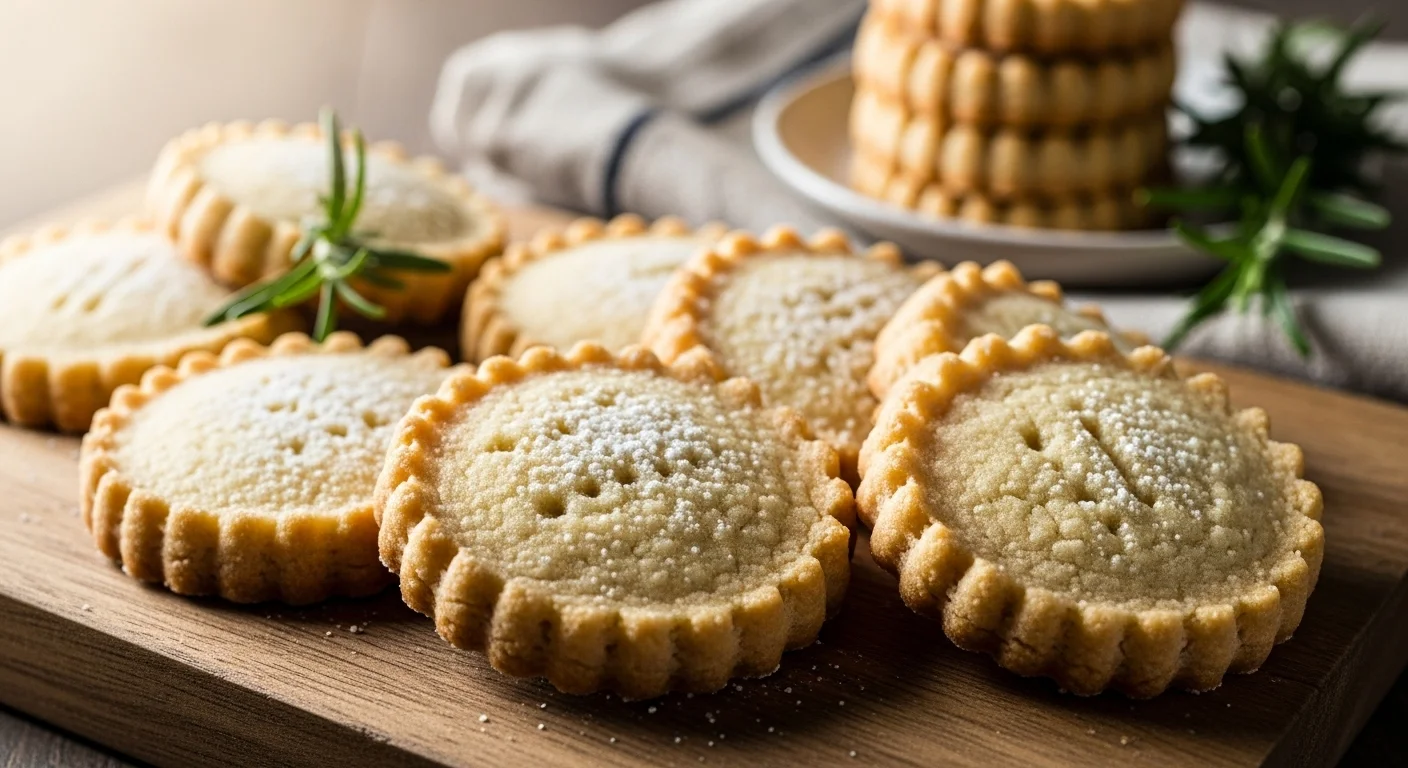
Vegan shortbread is a delightful twist on the classic shortbread cookie, made without any animal products. Traditionally, shortbread is known for its crumbly texture and rich, buttery flavor, which is typically achieved using butter, sugar, and flour. In my experience, vegan shortbread brings the same melt-in-your-mouth quality while being completely plant-based. This means we can enjoy a delicious treat without compromising our values regarding animal welfare or dietary preferences.
The beauty of vegan shortbread lies in its simplicity. The main ingredients are easily accessible, and you don’t need any fancy tools or techniques to whip up a batch. The texture is still rich and buttery, despite the absence of dairy. I remember the first time I made vegan shortbread; I was amazed at how close the flavor and texture were to the traditional version. It’s a testament to how versatile and satisfying vegan baking can be!
Differences Between Vegan and Traditional Shortbread
When comparing vegan shortbread to its traditional counterpart, the most significant difference lies in the butter. Traditional recipes use dairy butter, which gives the cookies their characteristic flavor and texture. In vegan versions, we replace butter with vegan butter or other plant-based fats like coconut oil. This change results in a slightly different taste, but I find it just as delicious, if not more so!
Another aspect to consider is the sweetness. While traditional shortbread typically uses granulated sugar, vegan shortbread can use different sweeteners. In my attempts, I’ve used maple syrup and coconut sugar, which not only add unique flavors but also offer some health benefits. Vegan recipes often tend to be more inclusive, allowing for adjustments based on dietary restrictions, like gluten-free options or reduced sugar versions. For those gluten-free alternatives, consider Simple Gluten-Free Shortbread Cookies (Buttery & Crumbly).
Key Ingredients for Simple Vegan Shortbread
Vegan Butter
The star ingredient in vegan shortbread is, of course, vegan butter. I’ve found several brands that work wonderfully, and they provide that creamy texture we all love. Look for a high-quality vegan butter that has a good fat content, as this will help create that melt-in-your-mouth experience. It’s worth experimenting with different brands to find one that aligns with your taste preferences.
Flour Types
When it comes to flour, all-purpose flour is the most common choice for vegan shortbread. However, I’ve also enjoyed using a blend of whole wheat flour for a nuttier flavor and added nutrition. If you’re gluten-free, almond flour or oat flour can be excellent alternatives, creating a unique taste and texture that’s just as satisfying. Remember, the type of flour you choose can significantly affect the final product, so don’t hesitate to experiment!
Sweeteners
As I mentioned earlier, sweeteners can vary in vegan shortbread. I’ve used granulated sugar, but I also enjoy the rich flavor of brown sugar or coconut sugar. Maple syrup adds a lovely hint of caramel, while agave syrup offers a lighter sweetness. The choice of sweetener can influence the texture slightly, so I usually stick to granulated sugar for a classic shortbread consistency. However, if you’re feeling adventurous, try different sweeteners for a fun twist!
Optional Flavorings and Add-Ins
To make your vegan shortbread even more exciting, consider adding flavorings or mix-ins. I personally love vanilla extract; it elevates the cookies to a whole new level. Lemon zest or almond extract can also add a refreshing twist. For texture, why not throw in some chopped nuts, chocolate chips, or dried fruit? I’ve even mixed in some lavender for a floral note, which turned out beautifully. The possibilities are endless! Remember, the beauty of baking is experimenting with your favorite flavors.
Health Benefits of Vegan Shortbread
Plant-Based Ingredients
Choosing vegan shortbread means opting for plant-based ingredients, which can be beneficial for our health. I appreciate how easy it is to incorporate whole food ingredients, like nuts and oats, into the recipe. This not only adds flavor but also boosts the nutritional profile. The use of natural sweeteners can also reduce the amount of refined sugar we consume.
Lower Saturated Fat Content
One of the great things about vegan baking is often the lower saturated fat content. By swapping out dairy butter for vegan options, I’ve noticed that my baked goods feel lighter and less greasy. This can be a game-changer for those of us watching our saturated fat intake. It’s nice to have a treat that feels indulgent but is a bit kinder to our bodies.
Allergen-Friendly Options
Vegan shortbread can easily cater to various dietary needs, making it a fantastic choice for gatherings or family events. I love that I can make a batch that’s suitable for my friends with egg allergies or lactose intolerance. When we bake vegan, we’re often able to create something that everyone can enjoy, and that feeling of inclusivity is truly special.
Step-by-Step Recipe for Simple Vegan Shortbread
Preparation Time and Serving Size
When I’m in the mood for a quick baking adventure, this vegan shortbread recipe never disappoints. The preparation time is around 10-15 minutes, with about 20-25 minutes of baking time. You can easily whip up a batch in less than an hour. Depending on how you cut the cookies, this recipe yields about 24 delightful pieces—perfect for sharing with friends or keeping all to myself!
Required Kitchen Tools
Having the right tools at hand makes this baking process smooth and enjoyable. Here’s what I usually gather before I start:
- Mixing bowls
- Measuring cups and spoons
- A whisk or spatula
- Rolling pin (optional, if you choose to roll out the dough)
- Baking sheet
- Parchment paper (for easy cleanup)
- A knife or cookie cutter (for shaping the cookies)
With these tools ready, we’re all set to create some delicious vegan shortbread!
Instructions
Mixing the Ingredients
To begin, I preheat my oven to 350°F (175°C). While that’s warming up, I grab a mixing bowl and combine 1 cup of vegan butter (softened) with 1 cup of granulated sugar. I often use a whisk to blend them until the mixture is light and fluffy. This step is crucial because it helps to incorporate air into the butter, giving our shortbread that delightful texture.
Next, I sift in 2 cups of all-purpose flour and a pinch of salt. If I’m feeling adventurous, sometimes I add a teaspoon of vanilla extract at this point for added flavor. I gently fold the flour into the butter mixture until it forms a dough. It’s important not to overmix; I usually stop as soon as there are no dry spots left. The dough should be soft but not sticky.
Shaping the Dough
Now comes the fun part—shaping the dough! I often choose to roll it out on a lightly floured surface, aiming for about ½-inch thickness. Using a cookie cutter, I cut out my favorite shapes, or I simply use a knife to slice the dough into squares. If I’m feeling fancy, I sometimes use a fork to create decorative patterns on the top, which adds an appealing touch.
Once shaped, I place the cookies on a baking sheet lined with parchment paper. I make sure to leave a little space between each cookie because they do spread slightly while baking.
Baking Process
With the oven now preheated, I pop the baking sheet into the oven and set a timer for 20 minutes. I love watching the cookies start to turn a light golden color. The smell wafting through my kitchen is simply irresistible! I usually check the cookies a couple of minutes before the timer goes off to make sure they’re not browning too quickly.
When they’re done, I take them out and let them cool on the baking sheet for a few minutes before transferring them to a wire rack. This cooling stage is important because it allows the cookies to firm up a bit.
Cooling and Storing
After my shortbread has cooled completely, I like to store them in an airtight container. This keeps them fresh and delicious for days! I find that they taste even better the next day, as the flavors have time to meld together. If I ever have leftovers (which is rare!), I sometimes freeze them. Just pop them into a freezer-safe bag, and they’ll be ready for a quick treat whenever the craving strikes.
This simple yet rewarding process of making vegan shortbread has become a cherished ritual for me. I enjoy sharing them with family and friends or simply indulging in a cookie with my afternoon tea. Whether it’s a special occasion or just a cozy night in, vegan shortbread always hits the spot!
Variations of Vegan Shortbread
Chocolate-Dipped Shortbread
One of my absolute favorite ways to enjoy vegan shortbread is by giving it a chocolatey twist. Chocolate-dipped shortbread takes this classic treat to a whole new level! To make these decadent cookies, I simply prepare the vegan shortbread as usual, letting them cool completely after baking. Then, I melt some dairy-free chocolate—usually dark chocolate, since it pairs beautifully with the buttery flavor of the shortbread. I love to dip half of each cookie into the melted chocolate and then place them on parchment paper to set. The combination of the sweet, buttery shortbread and the rich chocolate is simply irresistible! Whenever I bring these to gatherings, they disappear within minutes.
Herb-Infused Shortbread
If you’re looking to surprise your taste buds, I highly recommend trying herb-infused shortbread. This variation adds an unexpected savory element to the sweet cookie. I’ve experimented with fresh herbs like rosemary and thyme, which create a lovely balance of flavors. Simply chop the herbs finely and mix them into the dough right after combining the butter and sugar. The result is a delightful cookie that’s perfect for serving at parties or alongside a cheese platter. I remember the first time I made rosemary shortbread; it was a hit at my dinner party, and people were so intrigued by the unique flavor!
Nut and Seed Additions
For a little crunch and added nutrition, I often toss in some nuts or seeds into my shortbread dough. Almonds, walnuts, or pecans work wonderfully, adding a delightful texture and nutty flavor that complements the sweetness of the cookies. When I’m feeling adventurous, I mix in sunflower seeds or pumpkin seeds for a fun twist. I usually chop the nuts or seeds coarsely before adding them to the dough. They not only enhance the taste but also make the cookies more satisfying and filling. I’ve noticed that this variation is great for afternoon snacks as they provide a bit of healthy fat and protein!
Common Mistakes to Avoid
Overmixing the Dough
One mistake I’ve made in the past is overmixing the dough, which can lead to tough cookies. It’s so easy to get carried away with the mixing, especially when the dough looks a bit crumbly. However, I’ve learned that as soon as the flour is just incorporated, it’s time to stop mixing. The key is to keep that delicate, crumbly texture that makes shortbread so special. I usually fold the flour in gently until there are no dry spots left, and then I’m done!
Incorrect Baking Temperature
Another common mistake is baking at the wrong temperature. I remember a time when I was in a hurry and cranked up the oven, only to end up with burnt edges and undercooked centers. To avoid this, I always make sure to preheat the oven thoroughly before baking my cookies. I also like to use an oven thermometer to check that my oven’s temperature is accurate. Baking at 350°F (175°C) is crucial for achieving that perfect golden color and crumbly texture.
Not Allowing Proper Cooling Time
After spending time creating these delicious cookies, I’ve learned the importance of letting them cool properly. If I try to transfer them too soon, they can break apart. I usually allow them to cool on the baking sheet for a few minutes before moving them to a wire rack. This cooling stage helps the cookies firm up and makes them easier to handle. It’s tempting to dig in right away, especially with that heavenly smell wafting through the kitchen, but patience really pays off!
Serving Suggestions and Pairings
Perfect Beverages to Accompany Shortbread
Vegan shortbread pairs wonderfully with a variety of beverages. Personally, I love enjoying them with a steaming cup of herbal tea. The flavors of chamomile or mint really complement the buttery richness of the cookies. If I’m in the mood for something a bit stronger, a cup of black coffee is also a fantastic match. The bitterness of the coffee balances the sweetness of the shortbread beautifully. I’ve even served them alongside a glass of almond milk for a cozy treat that feels indulgent yet wholesome.
Creative Serving Ideas
When it comes to serving vegan shortbread, I like to get a little creative. For special occasions, I sometimes stack them on a tiered dessert stand, dusted with powdered sugar for an elegant presentation. They also make lovely gifts! I’ve wrapped them in pretty cellophane bags tied with ribbon for friends, which always brings a smile. Additionally, I enjoy serving them with fresh fruit, like berries, or a side of vegan whipped cream for a delightful dessert experience. I’ve even crumbled them over some dairy-free ice cream for a fun sundae topping!
Frequently Asked Questions (FAQs)
Can I use coconut oil instead of vegan butter?
Absolutely! I’ve tried using coconut oil in my vegan shortbread, and it works quite well. It gives the cookies a subtle coconut flavor, which can be delightful. Just make sure to use refined coconut oil if you want to avoid an overpowering coconut taste. The texture may be a bit different, but I believe it still results in a deliciously crumbly cookie.
How can I store leftover shortbread?
Storing leftover vegan shortbread is pretty straightforward. I like to place the cookies in an airtight container at room temperature. This keeps them fresh for several days. If you live in a humid area, you might want to store them in the fridge to prevent them from getting too soft. Just remember to let them come back to room temperature before enjoying them again!
Can I freeze vegan shortbread?
Yes, you can definitely freeze vegan shortbread! I often freeze a batch for later cravings. To do this, I let the cookies cool completely, then place them in a freezer-safe bag or container. They can be kept in the freezer for up to three months. When you’re ready to enjoy them, simply take them out and let them thaw at room temperature. They taste just as good as when they were freshly baked!
What are alternatives for gluten-free vegan shortbread?
If you’re looking for gluten-free options, I’ve had great success using almond flour or a gluten-free all-purpose flour blend. You might also want to experiment with oat flour, which gives a nice texture. Just remember that gluten-free flours can behave differently, so you may need to adjust the liquid ingredients slightly. Don’t be afraid to get creative and find the combination that works best for you!
Where to Buy Vegan Shortbread Ingredients
Local Grocery Stores
Most local grocery stores now carry vegan butter and a variety of plant-based ingredients. When I’m shopping, I like to check the baking aisle for vegan options, especially when it comes to sweeteners and flours. Some stores even have dedicated sections for health-conscious or specialty products, making it easier to find vegan-friendly ingredients!
Online Retailers
Online shopping has become my go-to for sourcing hard-to-find ingredients. Websites like Amazon and specialty health food stores offer a wide selection of vegan products. I often order my favorite brands of vegan butter or unique sweeteners online, especially when I want to stock up. It’s convenient, and I love discovering new products that I might not find locally.
Specialty Vegan Shops
If you have a specialty vegan shop in your area, don’t miss the chance to explore! These shops typically offer a great range of vegan ingredients, and the staff can often provide recommendations based on their experiences. I’ve found some amazing baking finds in these stores, from unique flours to specialty vegan chocolates. Plus, supporting local businesses always makes me feel good!
Final Thoughts
Making vegan shortbread has truly been a rewarding journey for me. Not only do I get to indulge in a delicious treat, but I also enjoy the creativity that comes with experimenting in the kitchen. Whether trying out new variations, perfecting my technique, or sharing them with loved ones, each batch holds a special place in my heart. I encourage you to dive into this simple yet delightful baking adventure. Who knows, you might just create your own new favorite flavor of vegan shortbread that becomes a staple in your home! Also, if you’re looking for a fun and indulgent recipe, check out Gluten-Free Millionaire’s Shortbread (Caramel & Chocolate).