
Have you ever found yourself wondering what to do with leftover sourdough starter? Making delicious sourdough discard crackers is a fantastic solution that eliminates waste while giving you a crunchy snack that’s perfect for any occasion! If you’re looking to start your sourdough journey, check out Your Simple Guide: Sourdough Starter From Scratch.
Understanding Sourdough Discard
What is Sourdough Discard?
I remember the first time I heard the term “sourdough discard.” At first, it sounded like a waste product, something to throw away after making bread. But I quickly learned that sourdough discard is actually the unfed or excess starter that we often discard during the feeding process. It still contains beneficial bacteria and yeast that can add flavor and texture to various recipes. Instead of tossing it, we can use it to create tasty dishes like pancakes, waffles, and of course, these delightful crackers!
Benefits of Using Sourdough Discard
Utilizing sourdough discard offers several benefits. Firstly, it helps reduce food waste, which is something I’m passionate about. Instead of throwing away perfectly good ingredients, we can turn them into something delicious. Secondly, sourdough discard adds a unique tangy flavor to crackers that you just can’t replicate with regular flour. Each bite carries a hint of that signature sourdough taste, making it a distinct snack. Lastly, it’s a simple way to incorporate nutrition into snacks. The probiotics and nutrients present in sourdough starter can contribute to a healthier diet, which is always a win in my book.
Ingredients for Sourdough Discard Crackers
Main Ingredients
When it comes to making sourdough discard crackers, the ingredient list is wonderfully simple. The main ingredient, of course, is the sourdough discard itself. If you have about one cup of discard, you’re off to a great start! You’ll also need all-purpose flour to help with the dough’s structure. I’ve used whole wheat flour in the past, and it worked well too, giving the crackers a nutty flavor. You’ll want to add a bit of salt for seasoning and olive oil or melted butter to enrich the dough. These ingredients create a solid base for your crackers.
Optional Ingredients for Flavor
This is where the fun begins! While the basic recipe is fantastic on its own, I love to experiment with different flavors. You can add herbs like rosemary, thyme, or even garlic powder for an aromatic touch. If you’re a cheese lover like I am, incorporating grated cheese can elevate your crackers to the next level. Seeds, such as sesame or poppy seeds, can add crunch and visual appeal. You can even experiment with spices like paprika or cayenne for a kick. I remember making a batch with Italian herbs, and they were a hit at my last gathering!
Choosing the Right Flour (No Rye Flour Needed)
One of the great things about making these crackers is that you don’t have to use rye flour at all. While rye can add unique flavors, I’ve found that all-purpose flour works just as well for creating a light and crispy texture. If you want to avoid gluten, you can explore options like almond flour or a gluten-free blend. I’ve tried using chickpea flour as well, and it added a lovely, earthy taste to the crackers. The key is to experiment and find what works best for your preference!
Equipment Needed
Basic Kitchen Tools
You don’t need fancy equipment to make sourdough discard crackers. I typically use a mixing bowl and a wooden spoon to combine my ingredients. A rolling pin is essential for flattening the dough, and a sharp knife or pizza cutter works perfectly for cutting the crackers into shapes. I remember the first time I used a cookie cutter — it made the crackers so cute and added a fun twist to snack time!
Recommended Baking Equipment
When it comes to baking, I always recommend using a baking sheet lined with parchment paper. This helps prevent sticking and makes cleanup a breeze. A silicone baking mat can also work wonders if you have one. I’ve had great success with both, and my crackers come out evenly baked every time. Additionally, having a cooling rack on hand is useful for letting the crackers cool down after baking, ensuring they stay crispy.
Step-by-Step Recipe for Sourdough Discard Crackers
Preparing the Dough
Now, let’s dive into making our sourdough discard crackers! First, I gather all my ingredients and tools. It’s a simple process, and I love how quickly it comes together. In a mixing bowl, I combine one cup of sourdough discard with half a cup of all-purpose flour. If I’m feeling adventurous, I might substitute half of that with whole wheat flour or even chickpea flour for a different flavor.
Next, I add a pinch of salt—about half a teaspoon is usually enough—and a couple of tablespoons of olive oil. I’ve learned that the oil really brings out the texture and flavor of the crackers. I use a wooden spoon to mix everything together until it forms a shaggy dough. At this point, I often find myself getting my hands in there to knead the dough lightly. It’s amazing how satisfying it is to feel the texture change as I work with it. The dough should be soft but not sticky; if it’s too dry, I add a splash of water, and if it’s too sticky, a little more flour does the trick.
Rolling and Cutting the Crackers
Once the dough is ready, I turn it out onto a lightly floured surface. I love using my rolling pin to roll it out into a thin layer, about 1/8 inch thick. The thinner the dough, the crunchier the crackers will be! I usually try to avoid making it too thick, as I enjoy that satisfying snap when I bite into a cracker. At this stage, I like to get creative with shapes. Using a sharp knife, a pizza cutter, or even cookie cutters, I cut the dough into squares or fun shapes. If I’m making them for a gathering, I often opt for little hearts or stars—it adds a personal touch!
After cutting, I transfer the crackers to my lined baking sheet. If you’re like me and enjoy a little extra flavor, now is the time to sprinkle some sea salt or sesame seeds on top. Just a light dusting can elevate the taste and appearance of the crackers significantly.
Baking the Crackers
Now comes the best part: baking! I preheat my oven to 350°F (175°C). When it’s ready, I pop the baking sheet in and set a timer for about 15 to 20 minutes. I’ve found that the baking time can vary based on the thickness of the crackers, so I always keep an eye on them. After about 10 minutes, I like to rotate the baking sheet to ensure even cooking. The smell that fills the kitchen during this time is absolutely heavenly!
As the timer nears the end, I start checking for doneness. The crackers should be golden brown and crispy. If they still feel soft to the touch, I let them bake for a few more minutes. Once they’re done, I carefully remove the baking sheet from the oven and let the crackers cool on a wire rack. This is crucial because cooling helps them maintain that delightful crunch. I can hardly wait to taste them, and often I sneak a piece while they’re still warm—who can resist?
Flavor Variations for Sourdough Crackers
Herbed Crackers
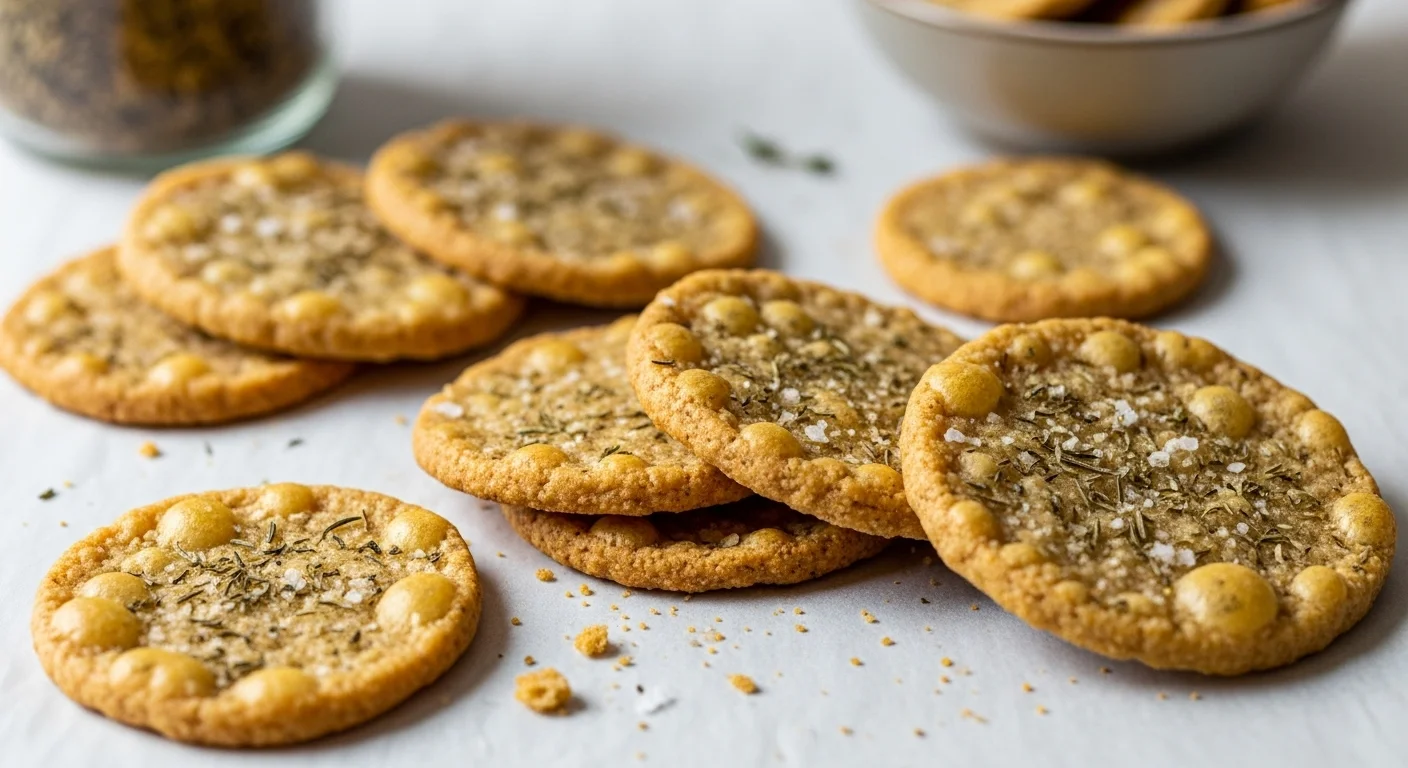
If you’re in the mood for something aromatic, herbed crackers are a fantastic option! I love adding a tablespoon of dried herbs like rosemary or thyme right into the dough. It gives the crackers such a lovely scent and flavor. Sometimes, I even crush fresh herbs for a more vibrant taste. You can sprinkle a few extra herbs on top before baking to make them even more visually appealing.
Cheesy Crackers
For cheesy crackers, I typically add half a cup of shredded cheese to the dough. Parmesan or cheddar work wonderfully, but feel free to use your favorite! The cheese melts beautifully and adds a rich flavor. I like to sprinkle some extra cheese on top right before baking for that golden, bubbly finish. These cheesy bites are always a hit at gatherings! If you’re looking for another delicious use for your sourdough discard, try these Bakery-Style Sourdough Discard Blueberry Muffins (So Good).
Spicy Crackers
If you like a bit of heat, spicy crackers are the way to go! I often mix in some cayenne pepper or red pepper flakes to the dough. A little goes a long way, so start with just a pinch and adjust according to your heat preference. These crackers pair perfectly with dips or cheese spreads, making them an exciting snack for any occasion.
Storing and Serving Suggestions
How to Store Sourdough Crackers
Once my sourdough discard crackers are baked and cooled, I always think about how to store them properly to keep them fresh. I usually place them in an airtight container. If I have some leftover from a gathering, I make sure they’re completely cool before sealing the container to avoid any moisture buildup, which can lead to sogginess—definitely not what I want! In my experience, they can last for up to two weeks if stored correctly. However, I often find they disappear much sooner, especially when friends come over!
If you want to keep them even longer, I recommend freezing them. I’ve done this a few times, and it works beautifully. Just place them in a freezer-safe bag or container, and they can last for several months. When I’m ready to enjoy some, I take them out and let them thaw at room temperature. They regain their crunchiness perfectly, and it feels like I just baked them fresh!
Best Ways to Serve Crackers
Serving my sourdough crackers is always a fun part. I love to get a little creative with how I present them. One of my favorite ways is to serve them with a selection of dips. Think hummus, guacamole, or even a creamy cheese spread. I’ve found that the tangy flavor of the crackers complements these dips wonderfully, creating a tasty combination that everyone enjoys.
Another idea I often use is to pair them with a charcuterie board. I’ve noticed that adding these crackers to a spread of cheeses, meats, and fruits elevates the whole experience. Everyone loves choosing their favorites and assembling their own little bites. It’s not just delicious; it’s interactive and fun!
If I’m feeling a bit more casual, I serve them with soup or a salad. The crunchiness of the crackers adds a nice texture to a bowl of creamy soup or a fresh salad. I remember one chilly evening when I made a cozy bowl of tomato soup and paired it with the crackers—it was the perfect comfort food!
Common FAQs About Sourdough Discard Crackers
Can I use any type of sourdough discard?
Absolutely! From my experience, you can use any type of sourdough discard you have on hand. Whether it’s whole wheat, white, or even rye, each type brings its own unique flavor and character to the crackers. I’ve tried using both white and whole wheat discard, and both produced fantastic results. If you have flavored discard, like one that’s been fed with herbs or spices, don’t hesitate to use that too—it can add an extra layer of flavor!
What if I don’t have enough sourdough discard?
There were times when I didn’t have enough discard, and I felt a bit panicked because I wanted to make those delicious crackers. What I learned is that you can supplement your sourdough discard with additional flour and water to make a thicker dough. For instance, if you only have half a cup of discard, just add the same amount of flour and a little bit of water to balance it out. This approach has worked for me, and I still ended up with tasty crackers!
Can I make these crackers gluten-free?
Yes, you can definitely make gluten-free sourdough crackers! I’ve experimented with gluten-free flour blends, almond flour, and even chickpea flour. They work beautifully, though the texture might be slightly different. I’ve found that adding a little extra olive oil helps keep them crisp. It’s a great way to accommodate any dietary restrictions while still enjoying these delicious snacks! You might also enjoy trying Easy Sourdough Discard Crepes (A 10-Minute Recipe) as another quick and tasty option.
Tips for Perfect Crackers Every Time
Adjusting Baking Time and Temperature
Getting the baking time and temperature just right can be a game-changer for the perfect cracker. I always preheat my oven to 350°F (175°C), but I’ve noticed that ovens can vary in how they distribute heat. If you’re baking a thicker cracker, you might need to extend the time slightly. I recommend starting with 15 to 20 minutes, but keep an eye on them, especially towards the end of the baking time. I’ve found that checking them a minute or two early can prevent them from overbaking.
Testing for Doneness
It can be tricky sometimes to know if the crackers are done. I usually look for a golden brown color and a nice crunch when they come out of the oven. If they feel soft when I touch them, I pop them back in for a couple of minutes. I’ve learned that letting them cool completely on a wire rack helps me get that desired crunch as well.
Preventing Burnt Edges
No one wants burnt edges on their crackers, and I’ve had my share of those! To prevent this, I recommend rotating the baking sheet halfway through the baking time. This ensures the heat is evenly distributed. If you notice that the edges are browning too quickly, I sometimes place a piece of aluminum foil over the crackers for the last few minutes of baking. This little trick has saved many batches for me!
Final Thoughts
Making sourdough discard crackers has truly been a delightful journey for me, filled with experimentation and flavor. I love how these crackers allow us to embrace the essence of waste reduction while creating something appealing and tasty. Each batch I make feels like a small victory against food waste, and I take pride in knowing that I’m using every bit of my sourdough starter. The flexibility of the recipe means I can always adjust it based on what I have or what flavor I’m craving, which keeps things interesting in my kitchen.
Every time I pull a fresh batch of crackers out of the oven, I’m reminded of how simple ingredients can transform into something special. The satisfaction I get from the crunchy texture and the flavor variations is unmatched. Whether I’m enjoying them with my family during a movie night or serving them at gatherings with friends, they always garner compliments, which makes the effort worthwhile.
From cheesy to herby, spicy to nutty, I’m excited about the endless possibilities when it comes to flavoring these crackers. I encourage you to try your hand at different combinations and discover your own favorites. It can be quite a fun adventure! And as you experiment, you might come up with your own unique twist that becomes a new family favorite.
If you haven’t tried making these crackers yet, I sincerely hope you give them a shot. It’s a wonderful way to make the most of your sourdough starter while indulging in a snack that’s both satisfying and healthy. So, let’s embrace our culinary creativity and turn that sourdough discard into something extraordinary together!
Frequently Asked Questions
What is sourdough discard?
Sourdough discard is the unfed or excess starter that is often discarded during the feeding process. It still contains beneficial bacteria and yeast that can add flavor and texture to various recipes.
What are the benefits of using sourdough discard?
Using sourdough discard helps reduce food waste, adds a unique tangy flavor to crackers, and incorporates nutrition into snacks due to the probiotics and nutrients present in sourdough starter.
What ingredients do I need to make sourdough discard crackers?
The main ingredients include sourdough discard, all-purpose flour (or whole wheat flour), salt, and olive oil or melted butter. Optional ingredients for flavor include herbs, grated cheese, seeds, and spices.
Can I use any type of sourdough discard?
Yes, you can use any type of sourdough discard you have on hand, including whole wheat, white, or rye. Each type brings its own unique flavor and character to the crackers.
How can I make gluten-free sourdough crackers?
You can make gluten-free sourdough crackers by using gluten-free flour blends, almond flour, or chickpea flour. Adding a little extra olive oil helps keep them crisp.
What equipment do I need to make these crackers?
You will need a mixing bowl, a wooden spoon, a rolling pin, a sharp knife or pizza cutter, and a baking sheet lined with parchment paper. A cooling rack is also useful for letting the crackers cool down.
How do I store sourdough crackers?
Store baked and cooled sourdough crackers in an airtight container. They can last for up to two weeks when stored correctly, and you can freeze them in a freezer-safe bag or container for several months.
What are some serving suggestions for sourdough crackers?
Sourdough crackers can be served with dips like hummus or guacamole, paired with a charcuterie board, or enjoyed with soup or salad for added texture.
How can I prevent burnt edges on my crackers?
To prevent burnt edges, rotate the baking sheet halfway through the baking time. If the edges brown too quickly, cover the crackers with aluminum foil for the last few minutes of baking.
What tips can help ensure perfect crackers every time?
Key tips include adjusting the baking time based on cracker thickness, checking for doneness by looking for a golden brown color and crunch, and cooling on a wire rack to maintain crispiness.