
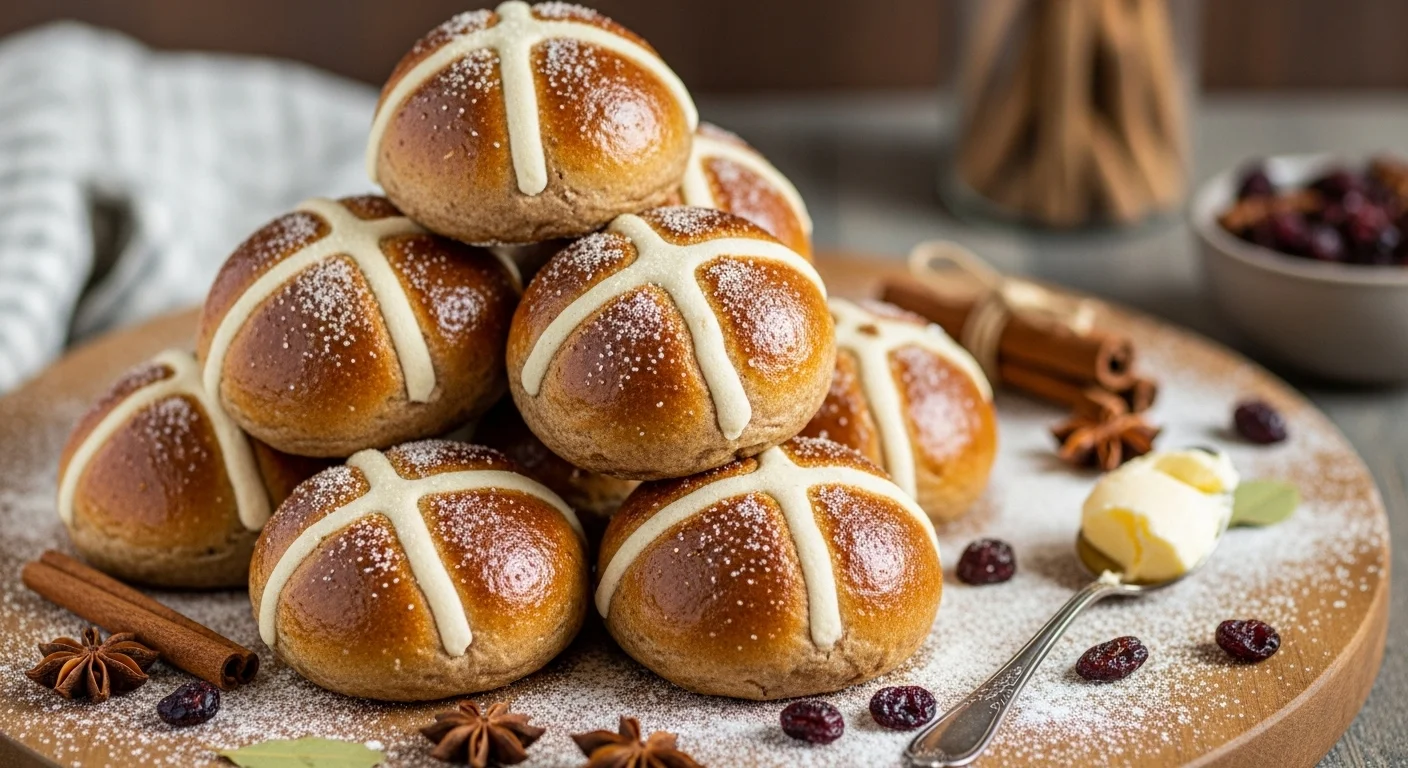
Spiced sourdough hot cross buns are the perfect blend of tradition and flavors, making them an irresistible Easter treat. Let’s dive into the world of these delightful buns and discover their rich history and significance.
Understanding Hot Cross Buns
History and Significance of Hot Cross Buns
Hot cross buns have a fascinating history that dates back centuries. I remember the first time I learned about them; I was captivated by the stories surrounding their significance. Traditionally, these sweet, spiced buns are associated with Good Friday, symbolizing the end of Lent in the Christian calendar. The cross on top represents the crucifixion of Jesus, making them a powerful symbol of Easter. Over the years, I’ve seen how they have evolved from simple, plain buns to more elaborate versions, adorned with various spices and dried fruits. In some cultures, sharing hot cross buns has become a cherished Easter tradition, bringing family and friends together. Read Interesting article: Easy Sourdough English Muffins (Perfect Nooks & Crannies)
Traditional Ingredients and Their Roles
The ingredients used in hot cross buns are essential in creating their unique flavor and texture. From my experience, the key components include flour, yeast, milk, butter, sugar, and spices. Flour serves as the backbone, providing structure, while yeast is crucial for that lovely rise. Milk adds moisture and richness, and butter contributes a delightful flavor. Sugar sweetens the dough and helps with browning during baking. The spices—cinnamon, nutmeg, and allspice—are really what elevate these buns. They infuse the dough with warmth and a hint of nostalgia, reminding me of the cozy atmosphere of family gatherings during Easter.
What Makes Sourdough Unique?
The Fermentation Process
Now, let’s talk about sourdough. What makes it so special? For me, it all comes down to the fermentation process. Unlike regular bread, sourdough uses a natural starter made from flour and water. This starter contains wild yeast and bacteria, which ferment over time. The result is a dough that not only rises beautifully but also develops a complex flavor profile. I’ve found that the longer fermentation time allows the flavors to deepen and the texture to become wonderfully chewy. It’s a bit of a labor of love but so worth the wait. Each time I bake with sourdough, I feel a connection to the age-old craft of bread-making, and I truly appreciate the transformation that occurs during fermentation. Read Interesting article: Best Mexican appetizers recipes
Health Benefits of Sourdough Bread
I can’t help but mention the health benefits of sourdough, which add to its appeal. The fermentation process breaks down gluten, making it easier to digest for some people. I’ve noticed that sourdough tends to have a lower glycemic index compared to regular bread, which means it can help stabilize blood sugar levels. Plus, the presence of probiotics from the fermentation can aid in gut health. For me, knowing that I’m enjoying a treat that’s not just delicious but also carries some health benefits makes it even better!
Ingredients for Spiced Sourdough Hot Cross Buns
Essential Ingredients
When I set out to make spiced sourdough hot cross buns, I gather all the essential ingredients first. You’ll need a good sourdough starter, all-purpose flour, warm milk, sugar, butter, salt, and spices. Having everything prepped in advance makes the process smoother and more enjoyable. I like to use organic ingredients whenever possible; it adds to the overall quality of the buns. The sourdough starter is the star of the show, so I always make sure it’s bubbly and active before I begin.
Spices that Enhance Flavor
The spices I choose can really elevate the flavor of the buns. My go-to spices include cinnamon, allspice, and nutmeg. Each brings its unique warmth and depth, creating a comforting aroma while baking. I often think back to the first time I added allspice; it transformed the buns in a way I hadn’t anticipated. The scent wafting through the kitchen became one of my favorite memories, reminding me of family gatherings and holiday traditions.
Optional Add-Ins (e.g., dried fruits, chocolate)
Besides the essential ingredients, I love incorporating optional add-ins for extra flavor and texture. Dried fruits like currants, raisins, or cranberries can add a lovely sweetness. Chocolate chips can also be a delightful surprise, especially for those who have a sweet tooth. I remember experimenting with different combinations, and it was exciting to see how each ingredient influenced the final taste. It’s all about personal preference. In my opinion, the more creative you get, the more fun the process becomes!
Step-by-Step Recipe for Spiced Sourdough Hot Cross Buns
Preparing the Sourdough Starter
Before diving into the recipe, preparing the sourdough starter is crucial. I always make sure to feed my starter at least a day in advance to ensure it’s bubbly and active. I typically combine equal parts of flour and water, stirring it well and letting it sit at room temperature. Watching it rise and bubble is one of my favorite parts! It’s a reminder of the magic of fermentation. When I’m ready to bake, I check that my starter has roughly doubled in size and has a pleasant tangy smell. This tells me it’s ready to work its wonders in the dough.
Making the Dough
Once my starter is prepped, making the dough is the next step. I begin by mixing the active starter with warm milk in a large mixing bowl. The warmth helps wake up the yeast, and I love the aroma that fills the kitchen. I add melted butter, sugar, and a pinch of salt, stirring until combined. In a separate bowl, I whisk together the flour and spices, creating a fragrant blend that always excites my senses. Gradually, I add the dry ingredients to the wet mixture, stirring until a shaggy dough forms. I remember the first time I felt the dough come together; it was a satisfying moment that made all the prep worthwhile!
Shaping the Buns
After the dough has come together, I let it rest for about 30 minutes. This resting period, known as autolyse, helps the gluten develop, making the dough easier to shape. Once rested, I turn the dough out onto a floured surface. I gently knead it for about 5-7 minutes until it’s smooth and elastic. This part always feels therapeutic for me; there’s something grounding about kneading bread. Next, I divide the dough into equal portions, usually around 12. Then, I shape each piece into a smooth ball by tucking the edges underneath. I find that taking my time with this step helps create a nice rise later on.
Proofing and Baking
Now comes the exciting part—proofing! After shaping, I place the buns in a greased baking dish, making sure they’re close but not touching. I cover them with a damp cloth and let them proof in a warm spot until they’ve doubled in size, which usually takes about 1 to 2 hours. I love watching them grow during this time; it’s a bit like watching a miracle unfold. When they’re ready, I preheat my oven to 375°F (190°C). Just before baking, I brush the tops with a little melted butter for a golden finish. The anticipation builds as they go into the oven, and the aroma that fills the house while they bake is simply heavenly!
Creating the Cross and Glaze
Once the buns are golden brown and have risen beautifully, I take them out and let them cool slightly. While they cool, I prepare the cross. I mix flour with a little water to create a thick paste and pipe it in a cross shape on each bun. This step always brings back memories of baking with my family during Easter. After piping the crosses, I return the buns to the oven for a few more minutes to set the paste. Once they’re done, I make a simple glaze by heating equal parts of water and sugar until dissolved, then brush it over the warm buns. This glaze not only adds a sweet shine but also locks in that fresh-from-the-oven goodness.
Tips for Perfecting Your Hot Cross Buns
Common Mistakes to Avoid
I’ve learned a few things through trial and error when it comes to baking hot cross buns. One common mistake is not using a well-fed sourdough starter. If your starter isn’t active, the buns won’t rise properly. Also, over-kneading can lead to a dense texture, so I always make sure to knead just until smooth. Another tip? Don’t rush the proofing time! Let those buns rise until they’ve doubled in size; this makes a world of difference in lightness. Lastly, be mindful of the baking time; I’ve had my share of burnt bottoms, so keeping an eye on them as they bake is essential.
Storage and Freshness Tips
Once my buns are cooled, I like to store them in an airtight container at room temperature. They usually last for a few days, but if I have any left after that, I pop them in the freezer. When I’m ready to enjoy them again, I simply let them thaw at room temperature or warm them up in the oven. They taste almost as good as fresh out of the oven! I love how these buns can bring back memories of baking and sharing with loved ones, even days later.
Variations of Hot Cross Buns
Vegan and Gluten-Free Options
As I’ve explored the world of baking, I’ve come across various dietary preferences and restrictions that people have. It made me curious about how I can adapt my beloved hot cross buns to accommodate everyone. For those following a vegan diet, I found that swapping out butter for coconut oil or vegan margarine works beautifully. Instead of regular milk, almond or oat milk gives a nice flavor without compromising the bun’s texture. Using flaxseed meal mixed with water as an egg substitute has also been a game-changer for me. It binds the ingredients together while keeping everything plant-based.
For gluten-free options, I’ve experimented with blends of gluten-free flours like almond, rice, and tapioca flour. The key is to ensure you have a good gluten-free baking mix that mimics the properties of wheat flour. I often add a bit of xanthan gum to help with the structure and elasticity of the dough. These adaptations have opened up a whole new world of flavor and texture, allowing everyone to enjoy hot cross buns without feeling left out!
Flavor Variations (e.g., chocolate, citrus)
One of the most exciting aspects of baking hot cross buns is the ability to get creative with flavors. I remember the first time I decided to add chocolate chips instead of dried fruits; it turned into an instant favorite among my friends and family. The rich chocolate adds a delightful surprise that pairs perfectly with the warm spices. Another variation I love is incorporating citrus zest—orange or lemon zest can brighten up the flavor profile. The fresh, zesty notes complement the spices beautifully, making the buns feel refreshing.
In my experience, combining flavors can be a fun adventure. I’ve seen recipes that include cardamom or even ginger for a bit of a kick, which adds a unique twist. Sometimes, I’ll throw in some dried apricots or figs for a chewier texture. These variations not only keep things interesting in the kitchen but also create a new experience with each batch! Read Interesting article: This Viral Chicken Wrap Hack Actually Works
Serving Suggestions
Best Pairings for Hot Cross Buns
When it comes to serving hot cross buns, I always think about what will bring out their best qualities. Personally, I enjoy them warm, straight out of the oven, but I’ve found that pairing them with a good quality butter or a spread like clotted cream elevates the experience even further. There’s something about the way the butter melts into the warm buns that just feels indulgent.
For those who enjoy a little sweetness, I recommend serving them with honey or homemade fruit jams. I remember once making a batch of strawberry jam, and the combination of the fresh jam with the spiced buns was heavenly. It’s these moments of sharing simple pleasures that make the effort of baking worthwhile.
Creative Ways to Serve Hot Cross Buns
If you want to get a bit more creative, I’ve seen people use hot cross buns as a base for an amazing bread pudding. Just tear them apart, soak them in a custard mixture, and bake until golden. The result is a delicious dessert that pays homage to the classic bun while transforming it into something entirely new. I’ve also served them as part of a brunch spread, alongside fresh fruit, cheeses, and charcuterie. It turns the humble bun into a centerpiece of a delightful gathering.
Another fun idea I love is to turn leftover buns into French toast. Just dip them in an egg and milk mixture, fry them up, and top with maple syrup and fresh berries. It’s a fantastic way to use up any extras while treating yourself to a delicious breakfast or brunch. These creative serving ideas help keep the tradition alive while allowing us to enjoy hot cross buns in various delightful forms!
Celebrating Easter with Hot Cross Buns
Traditions Around the World
Baking hot cross buns has become a beloved tradition in many cultures, particularly during the Easter season. I find it fascinating how different regions have their unique spins on this classic treat. In England, hot cross buns are often eaten on Good Friday, and people traditionally believe that sharing them brings good luck. I remember hearing stories about how the buns were sometimes hung in kitchens to ward off evil spirits; it’s a little quirky but so charming!
In Australia, I learned that hot cross buns have become a staple for Easter celebrations, with bakeries creating all sorts of inventive flavors to cater to the public’s growing love for them. In other parts of the world, like Jamaica, spiced buns are popular around Easter, showcasing regional spices and flavors. It’s a reminder of how food can connect us to our roots and traditions, no matter where we are.
Sharing with Family and Friends
For me, sharing hot cross buns is one of the highlights of the Easter season. Whether it’s baking with family or bringing a batch to a gathering with friends, these buns have a way of sparking joy. I’ve often found that baking together becomes a cherished memory, filled with laughter and conversation. There’s something special about passing around warm buns, each person savoring the flavors and sharing stories.
I often encourage others to make this a communal activity. Whether it’s neighbors, family, or friends, I believe that the act of sharing and enjoying hot cross buns together enhances the experience. It becomes more than just a treat; it’s about connection, tradition, and the joy of coming together during the Easter season. As we gather around the table with our warm buns, I feel a deep sense of gratitude for the simple pleasures that bring us closer together.
Frequently Asked Questions
What are spiced sourdough hot cross buns?
Spiced sourdough hot cross buns are a traditional Easter treat that blends unique flavors and rich history, symbolizing the end of Lent in the Christian calendar with their signature cross representing the crucifixion of Jesus.
What ingredients are essential for making hot cross buns?
The essential ingredients for hot cross buns include all-purpose flour, yeast, milk, butter, sugar, salt, and spices such as cinnamon, nutmeg, and allspice, which contribute to their distinctive flavor and texture.
What makes sourdough different from regular bread?
Sourdough is unique due to its fermentation process, which uses a natural starter made from flour and water, containing wild yeast and bacteria. This process results in a dough that rises beautifully and develops a complex flavor profile.
What health benefits are associated with sourdough bread?
Sourdough bread may offer health benefits such as easier digestion due to gluten breakdown during fermentation, a lower glycemic index compared to regular bread, and the presence of probiotics that can aid in gut health.
How should I prepare my sourdough starter for making buns?
To prepare your sourdough starter, feed it at least a day in advance by combining equal parts of flour and water, letting it sit at room temperature until it’s bubbly and has roughly doubled in size.
What common mistakes should I avoid when making hot cross buns?
Common mistakes include not using a well-fed sourdough starter, over-kneading the dough, rushing the proofing time, and overlooking the baking time, which can lead to improperly risen or burnt buns.
Can hot cross buns be made vegan or gluten-free?
Yes, hot cross buns can be made vegan by substituting butter with coconut oil or vegan margarine and using almond or oat milk. For gluten-free options, a blend of gluten-free flours along with xanthan gum can be used to mimic the properties of wheat flour.
What are some creative ways to serve hot cross buns?
Creative serving ideas include using hot cross buns as a base for bread pudding, serving them as part of a brunch spread, or transforming leftovers into French toast. These variations keep the tradition alive while offering new experiences.
What is the significance of sharing hot cross buns during Easter?
Sharing hot cross buns is a cherished tradition that brings family and friends together during Easter, enhancing the experience of baking and enjoying the buns while creating lasting memories filled with joy and connection.
How have hot cross buns evolved in different cultures?
Hot cross buns have evolved into various regional specialties around the world, with different cultures incorporating unique spices and flavors, such as the popular variations in England, Australia, and Jamaica, making them a global Easter favorite.