
Every evening, the age-old question creeps into my mind: “What’s for dinner?” I’ve experienced the stress it brings, but I’ve found a simple system that frees me from the dinner dilemma. Let me share my journey and the strategies that transformed my meal planning.
Understanding the Dinner Dilemma
For years, I was caught in a whirlwind of last-minute dinner decisions, often leading to takeout or uninspired meals. I felt the pressure of balancing nutrition, time, and family preferences. As I navigated through this daily chaos, I realized I wasn’t alone. Many of my friends and family faced the same struggle, and I’ve often heard them lament about their own dinner dilemmas. The question, “What’s for dinner?” often sparked anxiety and frustration, turning the simple act of eating into a chore.
The Root Causes of Dinner Stress
Let’s dig into why this question can trigger such stress. For me, it stemmed from a few key areas:
- Time Constraints: After a long day, the last thing I wanted was to spend hours in the kitchen. The thought of prepping, cooking, and cleaning was overwhelming.
- Family Preferences: With varying tastes and dietary restrictions among family members, I often felt like a short-order cook. How could I please everyone while still keeping meal prep manageable?
- Health Considerations: It was essential for me to provide nutritious meals, but often, I found myself reaching for convenience over health.
Understanding these root causes was the first step in my journey to a stress-free dinner experience. It became clear that I needed a system—something simple yet effective to streamline my meal planning.
Creating a Weekly Meal Plan
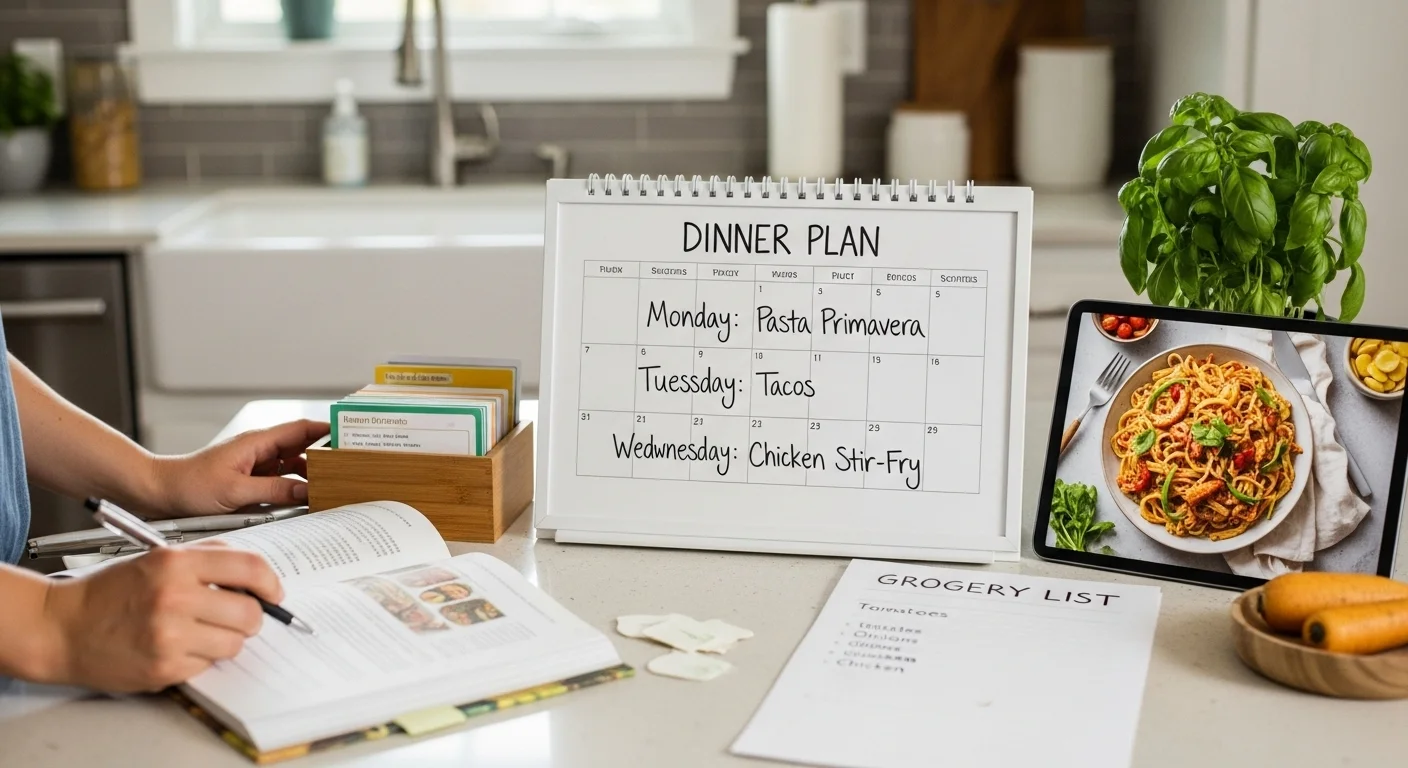
The turning point was developing a weekly meal plan. I can’t stress enough how this has revolutionized my approach to dinner. Here’s how I set up my system:
- Dedicate Time: I allocate some time on Sunday evenings to plan the week’s meals. This ritual has become a soothing way to prepare for the week ahead.
- Utilize a Template: I created a meal planning template that includes breakfast, lunch, and dinner for each day. This structured approach made it easier to visualize our meals.
- Choose Themes: To simplify decisions, I adopted themed nights. For instance, Mondays are meatless, Tuesdays are taco nights, and Thursdays are for pasta. This reduced the options and made planning more straightforward.
By having a clear structure, I no longer felt overwhelmed by endless possibilities. Instead, I looked forward to exploring new recipes while sticking to our family favorites.
Incorporating Family Input
Another essential aspect of my system was including my family in the planning process. I found that involving everyone made them more invested in the meals. Here’s how we made it work:
- Recipe Suggestions: I ask each family member to suggest one meal they would love to have that week. This way, I ensure everyone has something to look forward to.
- Cooking Together: On weekends, we often cook together. It’s a fun way to bond and teach my kids valuable kitchen skills while preparing meals for the upcoming week.
- Feedback Loop: After each meal, I encourage everyone to share what they liked or didn’t. This feedback helps me refine our meal plans over time.
By incorporating family input, I not only reduced the stress of planning but also created a collaborative environment. Mealtime became not just about eating but also about connecting and making memories.
Stocking the Pantry and Freezer
A major breakthrough in my meal planning was organizing my pantry and freezer. Having a well-stocked kitchen eliminated the “what’s for dinner?” panic. Here’s how I approached it:
- Inventory Check: I took stock of what I had before making a shopping list. This helped me utilize what was already available and minimize waste.
- Essentials List: I compiled a list of pantry staples and frozen items that I always wanted on hand, such as grains, canned beans, seasonal vegetables, and proteins.
- Batch Cooking: On days when I had more time, I began batch cooking and freezing meals or components. For instance, I might prepare a large pot of chili or roasted vegetables to use throughout the week.
This strategy not only saved me time but also ensured I always had healthy options available. I could whip up a nutritious meal in no time, even on the busiest days.
Embracing Flexibility
While having a plan is crucial, I learned that flexibility is equally important. Life is unpredictable, and sometimes plans can change. To adapt, I developed a few strategies:
- Swap Meals: If something comes up, I simply swap meals around within the week. This way, I can move a less time-sensitive meal to a busier day without feeling guilty.
- Embrace Leftovers: I became a fan of leftovers. By intentionally cooking extra portions, I can turn one meal into two, saving me time and effort.
- Quick Fixes: I keep a list of quick-fix meals that I can throw together in a pinch. These might include stir-fries, salads, or simple pastas that require minimal prep.
Embracing flexibility has allowed me to maintain a sense of control over our meals while accommodating the unpredictable nature of our lives. It’s a balance that keeps dinner stress at bay.
Transforming my dinner routine has been a game-changer. By implementing these strategies, I’ve not only simplified my meal planning but also made it a more enjoyable experience for my family. In the next part, I’ll dive deeper into meal prep techniques and share some of my favorite recipes that fit perfectly into this system. Stay tuned!
Meal Prep Techniques to Simplify Your Week
As I delved deeper into meal planning, I realized that meal prep was the next logical step in making my dinner routine even smoother. I found that investing a little time upfront could save me hours during the week. Here are some strategies that I adopted to enhance my meal prep experience:
- Dedicated Prep Day: I set aside a couple of hours on Sundays specifically for meal prep. This became my time to chop vegetables, marinate proteins, and portion out snacks. Having a designated day meant I could focus entirely on prepping, without the distractions of daily life.
- Batch Prep: Instead of planning individual meals, I began batch prepping components that I could mix and match throughout the week. For instance, I would roast a variety of vegetables, cook a big batch of quinoa, and prepare chicken or tofu. This gave me the flexibility to create different meals without starting from scratch every single time.
- Use of Containers: Investing in a good set of containers has been a game changer for me. I use clear glass containers to store prepped ingredients, and I label them with the date. This not only makes it easy to see what I have on hand but also helps me keep track of freshness.
These techniques not only streamlined my cooking process but also eliminated the overwhelming feelings that often accompany weeknight dinners. With prepped ingredients at my fingertips, I was able to whip up meals in no time.
Finding Inspiration for Recipes
Another aspect I had to tackle was keeping my meals exciting. I found that routine can lead to monotony, and I didn’t want our dinners to become stale. Here’s how I cultivated a treasure trove of meal inspiration:
- Cookbooks and Food Blogs: I turned to my collection of cookbooks and discovered new food blogs that sparked my creativity. Just flipping through pages or scrolling through vibrant photos often leads me to ideas that I hadn’t considered before.
- Seasonal Ingredients: I started paying attention to seasonal produce at my local farmers’ market. Not only did this inspire me to try new dishes, but it also encouraged me to eat fresher, more flavorful meals.
- Recipe Swaps: I created a “recipe swap” with friends and family. Each week, we would share a favorite recipe that we loved, which expanded my repertoire without much effort.
Incorporating variety into my meals has not only kept dinners interesting but also encouraged my family to try new foods and flavors. The excitement of trying something new has made our mealtime conversations richer.
Healthy Snacking to Support Dinner Plans
One challenge I often faced was dealing with the dreaded “hangry” moments before dinner. I realized that having healthy snacks on hand could significantly improve our overall eating experience. Here’s what I did:
- Snack Prep: Just like meal prep, I began prepping snacks for the week. I would portion out fruits, veggies with hummus, or nuts into grab-and-go containers. This made it easy for everyone to snack healthily without resorting to junk food.
- Nutritious Dips: I discovered that making homemade dips like guacamole, tzatziki, or bean dips not only enhanced our snacking experience but also encouraged my kids to eat more veggies.
- Frozen Smoothies: On particularly busy days, I would prepare smoothie bags filled with fruits and greens, ready to blend. This provided a quick, nutritious option that kept us energized until dinner.
By incorporating healthy snacks, I noticed a significant decrease in the pre-dinner grumbling, and my family was more inclined to enjoy dinner rather than devour it.
Building a Support System
Throughout this journey, I discovered the importance of having a support system. Sharing my meal planning experiences with others not only motivated me but also provided accountability. Here’s how I built my network:
- Meal Planning Groups: I joined local meal planning groups where members exchange tips, recipes, and encouragement. It’s amazing how much easier it feels to tackle meal planning with a community behind you.
- Social Media Platforms: I started following meal prep accounts on social media. The visuals and tips shared there have often sparked my own ideas and helped me stay inspired.
- Family Involvement: I continued to involve my family in the planning process. Having them onboard not only eased the burden but also made it a fun family activity.
Having a support system has not only kept me motivated but also reinforced the idea that meal planning can be a shared experience. It’s a journey that doesn’t have to be taken alone.
Final Thoughts
Transforming my approach to dinner has been an ongoing journey filled with learning and growth. The combination of effective meal planning, preparation techniques, and a supportive network has made a substantial difference in our family’s dining experience. I feel empowered and excited about dinner each night. I hope that by sharing my experiences, I can encourage others to find a system that works for them, turning the daunting question of “What’s for dinner?” into a moment of joy and creativity.