
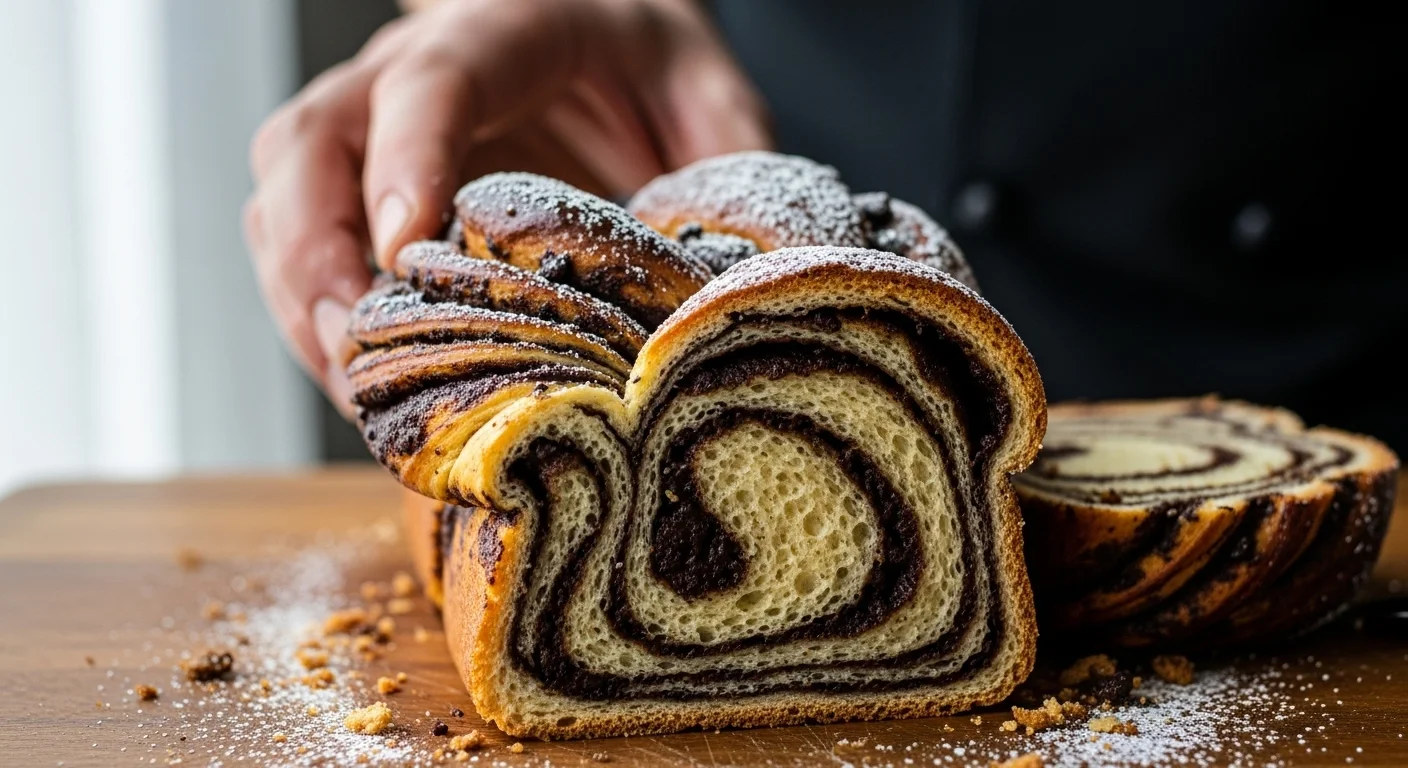
If you’re craving something indulgent yet gluten-free, then you’re in for a treat! This stunning gluten-free chocolate babka is not just a dessert; it’s a delightful fusion of rich chocolate and soft, buttery dough that you won’t be able to resist. Read Interesting article: 18 Favorite Recipes for Your High Holiday Meals
Understanding Gluten-Free Baking
What is Gluten-Free Baking?
Gluten-free baking is a method that avoids using gluten, a protein found in wheat, barley, and rye. For many, gluten can cause health issues, so gluten-free alternatives have become essential. I remember when I first tried gluten-free baking; it felt like a whole new world opened up for me. The textures and flavors can vary greatly from traditional baking, but with the right approach, the results can be just as satisfying, if not more so!
Common Gluten-Free Flours
When I first began my gluten-free journey, I felt overwhelmed by the number of flour options available. Some common gluten-free flours include almond flour, coconut flour, rice flour, and a variety of gluten-free blends. Each type brings its own unique flavor and texture. My favorite is a blend of almond and coconut flour, which adds a lovely nuttiness to baked goods. I encourage you to experiment with different flours to find what works best for your recipes.
For this chocolate babka, I recommend using a gluten-free all-purpose flour blend. These blends are designed to mimic the properties of wheat flour, making them easier to work with. Brands like Bob’s Red Mill and King Arthur Flour have great options, and I’ve had success with them in my baking adventures. Read Interesting article: This TikTok Chicken Melt Is Too Easy Not to Make
Challenges in Gluten-Free Baking
While the possibilities are exciting, gluten-free baking isn’t without its challenges. One of the biggest hurdles I faced was achieving the right texture. Gluten provides elasticity and structure, which can sometimes make gluten-free products crumbly or dense. After many trials and errors, I learned that adding ingredients like xanthan gum or psyllium husk can help with this. They mimic the stretchiness of gluten and provide a better crumb structure.
Another challenge is the moisture content. Gluten-free flours often absorb more liquid than wheat flour, so adjusting the wet ingredients is key. I recommend starting with less liquid and increasing as needed. Trust me; it’s a learning curve, but the end results can be incredibly rewarding!
What is Babka?
Origin and History of Babka
Babka has a rich and fascinating history that I find truly enchanting. This Eastern European treat originates from Jewish communities in Poland and Ukraine. Traditionally, babka was made using leftover dough from challah bread, and it was filled with whatever sweet ingredients were on hand. Over time, it evolved into the decadent, chocolate-filled loaf we know today. I love how food can carry stories from the past, and babka is a delicious testament to that.
Traditional Babka Ingredients
Traditional babka is made with a sweet yeast dough, often enriched with eggs and butter, which gives it that signature soft texture. The filling typically consists of chocolate, cinnamon, or nut mixtures. When I first made babka, I was surprised by how simple the ingredients were, yet the flavor was anything but basic. Just a few quality ingredients can create something truly extraordinary!
Variations of Babka
While chocolate babka is the most popular variety, the options are endless! I’ve seen babkas filled with everything from raspberry jam to nut butters. The beauty of babka is its versatility. You can customize it to suit your tastes, which is something I find incredibly appealing. If you’re feeling adventurous, why not try a nutty babka with hazelnut spread or a fruity version with fresh berries? The possibilities are limited only by your imagination!
As I dive deeper into gluten-free baking, I find that creating these variations is part of the fun. Every batch can be a little different, and I love experimenting with flavors that inspire me.
Why Choose Gluten-Free Chocolate Babka?
Health Benefits of Gluten-Free Desserts
Choosing gluten-free desserts like chocolate babka can come with some surprising health benefits. For me, the most significant advantage is that it opens up a world of ingredients that can elevate the nutritional profile of my treats. By using gluten-free flours, I’ve found that I can incorporate options like almond flour, which is packed with protein and healthy fats. This switch not only makes my desserts more satisfying, but it also adds a delightful flavor and texture.
Additionally, gluten-free baking often requires more creative ingredients, such as fruits, nuts, and seeds, which naturally increase the vitamins and minerals in my sweet treats. I feel good knowing that I’m making choices that are not just about indulgence, but also about nourishment. I’ve learned that gluten-free desserts can cater to a variety of dietary needs while still being deliciously rich and satisfying. Read Interesting article: 9 Light & Healthy Dinners for After the Holidays
Perfect for Dietary Restrictions
For anyone with celiac disease or gluten sensitivity, gluten-free options are not just a preference; they’re a necessity. I remember the first time I baked a gluten-free chocolate babka for a friend who had dietary restrictions. The joy on their face when they took the first bite was truly heartwarming. It was a reminder of how important it is to create inclusive food experiences. Baking gluten-free means I can share my love for delicious desserts with everyone, regardless of their dietary needs.
Moreover, gluten-free recipes often cater to those with other food allergies and intolerances. It’s a versatile approach that allows me to swap in dairy-free or nut-free options as needed. It feels empowering to know that I can tweak recipes to make them accessible for all my friends and family gatherings!
Indulgence Without Compromise
One of the most exciting things about gluten-free chocolate babka is that it doesn’t feel like a compromise at all! I love how I can indulge in the rich, chocolatey goodness without worrying about gluten. The first time I bit into a slice, I was amazed at how soft and fluffy it was, just like traditional babka. It’s proof that gluten-free desserts can be just as indulgent and satisfying.
When I’m crafting a gluten-free chocolate babka, I focus on ensuring that each layer is filled with a decadent chocolate filling, creating a truly luxurious experience. For me, dessert is all about enjoyment and celebration, and this babka delivers on both fronts. I’ve made this for countless occasions, from casual family brunches to more formal gatherings, and it always gets rave reviews.
Ingredients for Stunning Gluten-Free Chocolate Babka
Essential Ingredients Overview
Creating the perfect gluten-free chocolate babka starts with the right ingredients. I’ve learned that using high-quality products can make a huge difference in flavor and texture. The basics include gluten-free flour, sugar, butter (or a dairy-free alternative), eggs, yeast, and of course, chocolate for the filling. Each ingredient plays a vital role in creating that delicious, fluffy texture that we all crave in babka.
Recommended Gluten-Free Flour Blends
When it comes to flour, I absolutely recommend using a reliable gluten-free all-purpose blend. These blends are specifically formulated to replace wheat flour and typically include a mix of different gluten-free flours, starches, and sometimes xanthan gum. Brands like Bob’s Red Mill and King Arthur Flour have blends that I’ve had success with. I’ve noticed that they give my babka a lovely texture without any weird aftertaste, which is something I truly appreciate.
Chocolate Options for Filling
The chocolate filling is the heart and soul of the babka, so I take my time choosing the right chocolate. I prefer high-quality dark chocolate because it adds depth and richness. There are also great dairy-free chocolate options available, which I’ve used when baking for friends with dairy allergies. It’s all about finding what works best for you and your loved ones. Sometimes, I even throw in a bit of cocoa powder for an extra chocolate kick!
Additional Flavor Enhancers
To elevate the flavor of my gluten-free chocolate babka further, I often add a few extra ingredients. Vanilla extract is a must for that warm, comforting flavor. I’ve also experimented with spices like cinnamon and nutmeg, which add a cozy touch. Depending on my mood, I might toss in some orange zest for a citrusy twist or even a splash of espresso to enhance the chocolate flavor. Each of these little tweaks makes the babka uniquely mine, and I love sharing those variations with others!
Step-by-Step Recipe for Gluten-Free Chocolate Babka
Preparing the Dough
Getting started on the dough for gluten-free chocolate babka is one of my favorite parts. First, I gather all my ingredients and make sure they’re at room temperature. This makes a noticeable difference in how the dough comes together. I mix together my gluten-free flour blend, sugar, and a pinch of salt in a large bowl. Then, I warm some milk (or a dairy-free alternative) until it’s just warm to the touch—not too hot, or it can kill the yeast. I pour in the yeast, letting it bloom for about five to ten minutes until it gets frothy and bubbly. I remember the first time I saw that froth; it gave me such joy—it meant my yeast was alive and ready to work its magic!
Next, I add the eggs and melted butter (or coconut oil for a dairy-free option) to the yeast mixture and whisk everything together until smooth. Finally, I gradually incorporate the flour mixture until it forms a soft dough. I often find that gluten-free dough is stickier than its wheat counterpart, so I keep a bit of extra flour on hand for my hands and the work surface.
Once the dough is formed, I transfer it to a lightly greased bowl, cover it with a clean kitchen towel, and let it rise in a warm place for about an hour. The anticipation during this time is always thrilling for me. Watching the dough puff up is like magic, and it gives me hope that my babka will turn out beautifully!
Making the Chocolate Filling
While the dough is rising, I start making the chocolate filling. This part truly feels like indulging in a guilty pleasure. I chop my dark chocolate into small pieces and melt it gently in a microwave, stirring every 30 seconds until it’s smooth and glossy. You can also use a double boiler if you prefer. Once the chocolate is melted, I mix in a little bit of cocoa powder for that extra chocolatey depth and a pinch of salt to balance the sweetness. Sometimes, I add a splash of vanilla extract or a hint of espresso powder to enhance the flavor even more. The aroma wafting through my kitchen is simply heavenly!
After the chocolate is ready, I let it cool slightly. This step is essential because I don’t want to risk melting the dough when I spread it. The anticipation of spreading that luscious chocolate filling over the dough gets me every time. It’s like spreading happiness!
How to Shape the Babka
Once the dough has risen nicely, I place it on a lightly floured surface and gently deflate it. I roll it out into a rectangle, aiming for about 12×18 inches. The rolling process can be a little tricky, but I’ve found that a gentle touch prevents tearing. After rolling out the dough, I spread the chocolate filling evenly, leaving a small border around the edges. I often find myself trying to spread the filling as evenly as possible; it’s a bit of an art form! Once the filling is on, I roll the dough tightly from one long side to the other, creating a log.
The next step is to slice the log in half lengthwise, revealing all that gorgeous, swirled chocolate inside. It’s a moment I truly cherish. I then twist the two halves together, creating a braided effect, and tuck the ends under. I place my beautiful babka into a greased loaf pan, cover it again, and let it rise for another 30-40 minutes. The second rise is crucial for that soft and fluffy texture I adore.
Baking Instructions
Finally, the moment of truth! I preheat my oven to 350°F (175°C) while my babka is rising. Once it’s ready, I pop it into the oven and bake for about 30 to 35 minutes, or until the top is golden brown and a toothpick inserted into the center comes out clean. I love the way my kitchen fills with the scent of warm chocolate and sweet dough during this time. It’s almost unbearable waiting for it to cool, but I remind myself that good things come to those who wait!
Cooling and Serving Suggestions
After baking, I carefully remove the babka from the oven and let it cool in the pan for about ten minutes before transferring it to a wire rack. Allowing it to cool completely is a challenge, but it’s worth it! I often drizzle a simple glaze made of powdered sugar and milk over the top once it’s cool, adding a beautiful finishing touch. Serving it fresh is a must; I love watching friends and family dive into a warm slice of babka, savoring the rich chocolate flavor and fluffy texture.
For serving, I recommend pairing it with a hot cup of coffee or tea. It’s an indulgent treat that’s perfect for breakfast, brunch, or dessert. Trust me; once you take a bite, you’ll understand why gluten-free chocolate babka holds a special place in my heart!
Tips for Perfecting Your Gluten-Free Babka
Common Mistakes to Avoid
As I’ve navigated through the world of gluten-free baking, I’ve picked up a few tips along the way to avoid common pitfalls. One of the biggest mistakes is not letting the dough rise adequately. Gluten-free dough can be a bit different, and it needs that time to develop the structure. I’ve learned to be patient and give it the time it needs. Watching it puff up is one of the most rewarding parts!
Another mistake I see often is using too much flour. Gluten-free dough can be sticky, but adding too much flour can lead to a dense babka. It’s all about finding the right balance. I always start with a little less and add more only if necessary. Lastly, not preheating the oven can lead to uneven baking, so I make sure my oven is nice and hot before I pop the babka in!
Storage Tips for Freshness
After all the hard work of baking, I want my gluten-free chocolate babka to stay fresh for as long as possible. I typically let it cool completely and then wrap it tightly in plastic wrap. If I’m not planning to eat it within a few days, I pop it in the freezer. I’ve found that babka freezes beautifully, and when I’m ready to enjoy it, I can just let it thaw at room temperature or warm it up in the oven. The lovely aroma of baked chocolate fills the kitchen all over again!
Serving Suggestions and Pairings
When it comes to enjoying my gluten-free chocolate babka, I love to get creative with pairings. A warm slice goes perfectly with a cup of coffee or tea, enhancing the rich flavors. Sometimes, I’ll serve it with a dollop of whipped cream or a scoop of vanilla ice cream for a decadent dessert. I’ve even made a simple berry compote to drizzle on top, which adds a delightful tartness that complements the chocolate beautifully. Sharing these little touches with friends and family always makes the experience even more special.
Frequently Asked Questions about Gluten-Free Chocolate Babka
Can I Make This Recipe Vegan?
Absolutely! I’ve had success making this recipe vegan by swapping out the eggs for flaxseed meal or chia seeds mixed with water, and using a dairy-free butter alternative. It’s all about substitutions, and with a bit of experimentation, you can achieve a delicious vegan version of gluten-free chocolate babka!
What Substitutes Can I Use for Dairy Ingredients?
For anyone looking to make this babka dairy-free, there are plenty of options. Instead of regular milk, I often use almond milk or oat milk, and for butter, coconut oil or a dairy-free spread works wonders. I’ve found that these substitutes still provide the richness and flavor that I love in my babka.
How Do I Know When the Babka is Done Baking?
Knowing when your babka is perfectly baked is crucial. I usually check for a golden-brown top and insert a toothpick into the center. If it comes out clean, it’s done! I also love to listen for that slight tapping sound when I gently tap the bottom of the loaf; it should sound hollow. These little signs have guided me in baking the perfect babka every time!
Exploring Variations of Gluten-Free Babka
Nutty Babka Variations
If you’re a fan of nuts, I highly recommend trying out nutty variations of babka. I’ve incorporated hazelnuts, walnuts, and even pistachios into my chocolate filling for a delightful crunch. Mixing in nut butter can also add an extra layer of flavor that elevates the whole experience!
Fruit-Filled Babka Ideas
Fruits can add a refreshing twist to the classic chocolate babka. I’ve enjoyed using raspberry or cherry jam as a filling, paired with a rich chocolate swirl. The tartness of the fruit nicely balances the sweetness of the chocolate, creating a delicious harmony of flavors.
Seasonal Flavor Combinations
When the seasons change, I love to take advantage of seasonal flavors. In the fall, I might incorporate pumpkin spice into the filling, and in winter, I often lean towards a peppermint twist with crushed candy canes. These variations not only keep things exciting but also make for great holiday treats!
Where to Find the Best Gluten-Free Baking Supplies
Local Health Food Stores
When I’m on the hunt for gluten-free baking supplies, I often visit my local health food store. They usually carry a wide selection of gluten-free flours, baking mixes, and specialty ingredients. Plus, I love supporting local businesses!
Online Retailers
Online shopping has made it incredibly easy to find gluten-free baking supplies. I frequently order from websites that specialize in gluten-free products. It’s convenient and often I find unique items that aren’t available in stores.
Specialty Baking Shops
If you’re lucky enough to have a specialty baking shop nearby, I highly recommend checking it out. They often have a fantastic selection of gluten-free ingredients and knowledgeable staff who can offer tips and suggestions on the best products to use.
Final Thoughts
Embarking on the journey of gluten-free baking has been a rewarding experience for me. Creating a stunning gluten-free chocolate babka is not just about the end result; it’s about the process, the memories made in the kitchen, and the joy of sharing with loved ones. I encourage you to dive in, experiment, and find your unique twist on this delightful dessert. The magic of gluten-free baking is waiting for you, and trust me, you’ll be amazed at what you can create!
Frequently Asked Questions
What is gluten-free baking?
Gluten-free baking is a method that avoids using gluten, a protein found in wheat, barley, and rye. It utilizes gluten-free alternatives to create baked goods that can be just as satisfying as traditional options.
What are some common gluten-free flours?
Some common gluten-free flours include almond flour, coconut flour, rice flour, and various gluten-free blends. Each type has its own unique flavor and texture, with a gluten-free all-purpose flour blend being recommended for chocolate babka.
What is babka and its origin?
Babka is an Eastern European treat that originated from Jewish communities in Poland and Ukraine. Traditionally, it was made using leftover dough from challah bread and filled with available sweet ingredients, evolving into the chocolate-filled loaf we know today.
What are the essential ingredients for gluten-free chocolate babka?
The essential ingredients for gluten-free chocolate babka include gluten-free flour, sugar, butter (or a dairy-free alternative), eggs, yeast, and chocolate for the filling. Quality ingredients are crucial for the best flavor and texture.
Can I make gluten-free chocolate babka vegan?
Yes, you can make gluten-free chocolate babka vegan by substituting eggs with flaxseed meal or chia seeds mixed with water, and using dairy-free butter alternatives.
How do I know when the babka is done baking?
You can determine if the babka is done baking by checking for a golden-brown top and inserting a toothpick into the center. If the toothpick comes out clean, it’s done. A hollow sound when tapping the bottom of the loaf is also a good indicator.
What are some creative variations of babka?
Variations of babka can include nutty versions with hazelnuts or walnuts, fruit-filled options using raspberry or cherry jam, and seasonal flavors like pumpkin spice or peppermint.
Where can I find gluten-free baking supplies?
You can find gluten-free baking supplies at local health food stores, online retailers specializing in gluten-free products, and specialty baking shops that offer a range of gluten-free ingredients.
What challenges might I face in gluten-free baking?
Challenges in gluten-free baking include achieving the right texture since gluten provides elasticity and structure. Additionally, gluten-free flours often absorb more liquid, requiring adjustments to wet ingredients.
How should I store gluten-free chocolate babka for freshness?
To keep gluten-free chocolate babka fresh, allow it to cool completely, wrap it tightly in plastic wrap, and store it in the freezer if not consumed within a few days. It can be thawed at room temperature or warmed in the oven when ready to enjoy.