
A 12-week rotating meal plan simplifies dinner preparation by organizing meals in advance, reducing stress, and ensuring variety. This guide offers practical steps and techniques to create your own effective meal plan.
Ever feel overwhelmed by the dinner rush? I certainly have. That’s why I’ve embraced a 12-week rotating meal plan that has transformed my evenings from chaotic to calm, allowing me to savor delicious meals without the daily stress of what to cook.
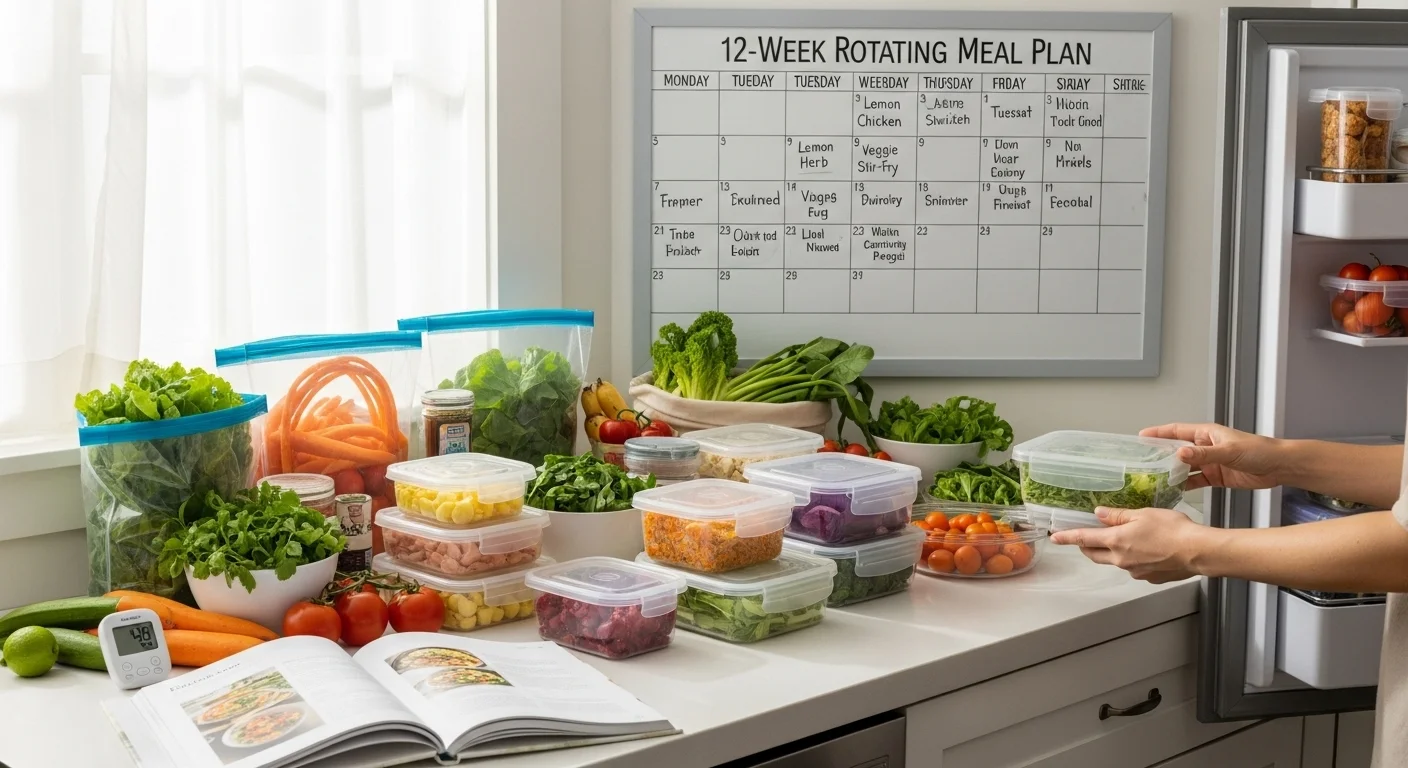
Understanding the 12-Week Rotating Meal Plan
When I first stumbled upon the concept of a 12-week rotating meal plan, I was both intrigued and skeptical. The idea of planning out meals for three months felt daunting, but I was also tired of the daily scramble of deciding what to make for dinner. With a busy lifestyle, balancing work, family, and personal time has often left me feeling like a short-order cook instead of someone who enjoys the art of cooking. That’s when I took the plunge and started crafting my own meal plan, and it has been a game-changer.
The Basics of Meal Planning
Before diving into the specifics of my 12-week plan, let me share what meal planning entails. Essentially, it’s about organizing your meals in advance to save time, reduce stress, and ensure a balanced diet. With a rotating plan, I get the added benefit of variety, making sure I never get bored with what’s on my plate. Here’s how I structured my approach:
Step 1: Choose Your Meals
The first step in creating my meal plan was selecting a diverse array of recipes. I started by gathering my favorite go-to meals and then researched new recipes to broaden my culinary horizons. I aimed for a mix that included:
- Family favorites
- Seasonal ingredients
- Quick and easy options
- Healthier alternatives
I wanted to ensure that my plan incorporated various proteins, vegetables, and cooking methods. This variety not only keeps dinner exciting but also ensures that I’m providing my family with a well-rounded diet. As I gathered recipes, I made sure to note any dietary restrictions or preferences, which was crucial for inclusive meal planning.
Step 2: Create a Template
Next, I designed a simple template that would allow me to visualize my meal plan. I divided the week into seven days and allocated one meal for each day. I also created a grocery list for the ingredients needed for those meals. Here’s a basic outline of what my weekly template looks like:
- Monday: Grilled chicken with quinoa and steamed broccoli
- Tuesday: Taco night with all the fixings
- Wednesday: Pasta primavera with a side salad
- Thursday: Baked salmon with asparagus
- Friday: Homemade pizza night
- Saturday: Stir-fried tofu with mixed vegetables
- Sunday: Slow-cooked beef stew
This template is flexible, allowing me to swap meals as needed based on my mood or unexpected plans. By the time I reached the end of the week, I’d already begun planning the next week’s meals based on what I had learned from the previous week.
Step 3: Rotating the Meals
Once I established my weekly meals, I began the process of rotation. I created different sets of meal plans for each week, repeating every twelve weeks. This approach not only simplifies grocery shopping but also allows me to buy in bulk for commonly used ingredients, reducing waste and saving money.
During the first few cycles of my meal plan, I took notes on what worked and what didn’t. Did my family enjoy a particular dish? Were there items that consistently went uneaten? This feedback loop is crucial for refining my meal plan over time. I’ve learned to be flexible, swapping out less popular meals for new recipes or revisiting old favorites.
Step 4: Grocery Shopping Made Easy
With my meals planned out, grocery shopping became a breeze. I developed a master grocery list based on my meal templates, categorizing items by sections in the store. For example, I grouped all produce, dairy, meats, and pantry items together. This organization saves me time and ensures I never forget essential ingredients.
I also started to consider local markets and seasonal produce, which not only enhances the flavor of my meals but also supports local agriculture. By planning my meals around what’s in season, I’ve discovered new ingredients and recipes I might have otherwise overlooked.
Step 5: Meal Prep for Success
To really put my meal plan on autopilot, I embraced meal prepping. At the start of each week, I dedicate a few hours to prepping ingredients. This might include chopping vegetables, marinating proteins, or even cooking some dishes entirely in advance. Having these items ready to go significantly cuts down on dinner preparation time during the week.
Meal prepping isn’t just about convenience; it also helps me stick to my meal plan and avoid the temptation of last-minute takeout. Plus, it allows me to enjoy cooking without the pressure of time constraints. I can take my time and savor the process, making cooking a pleasurable experience rather than a chore.
As I continue this journey with my 12-week rotating meal plan, I’ve realized that it’s more than just a way to manage dinner; it’s about creating a sustainable, enjoyable routine that enriches my life and brings my family together. The next sections will delve deeper into the specifics of meal prep, tips for maintaining the plan, and ways to keep the menu fresh and exciting.
Meal Prep Techniques That Work for Me
As I dove deeper into meal prepping, I discovered a variety of techniques that significantly streamlined my cooking process. Each method I tried brought its own set of advantages, allowing me to find what worked best for my family and our schedule.
Batch Cooking
Batch cooking has become one of my favorite strategies. Instead of cooking each meal from scratch every night, I set aside time on weekends to prepare larger portions of a few key meals. For example, when making chili, I’ll double or even triple the recipe. The extra portions can be refrigerated or frozen, ready to be reheated on a busy weeknight. This not only saves time but also ensures I have healthy homemade options available.
I’ve also found that batch cooking grains—like brown rice, quinoa, or farro—works wonders. I prepare enough to last for several meals, storing them in airtight containers. Just a quick reheat and I have a nutritious base to pair with proteins and veggies throughout the week.
Make-Ahead Meals
Another technique I embraced is making entire meals ahead of time. When I know my schedule will be tight, I prepare casseroles or soups that can easily be assembled in advance. For instance, lasagna is a family favorite, and I can assemble it on a Sunday, then simply pop it in the oven when it’s time for dinner. Knowing I have a ready-to-bake meal in the fridge gives me peace of mind on hectic days.
I also love making stir-fry kits. I chop up a variety of vegetables and proteins, then store them in individual bags in the fridge. When it’s dinner time, I can throw everything into a pan, add some sauce, and have a delicious meal ready in no time. It feels like having a meal from my favorite restaurant, but with the satisfaction of knowing I made it myself.
Utilizing Freezer Space
The freezer has become my best friend in meal prepping. I’ve learned to take full advantage of it by freezing extra portions of meals, pre-chopped veggies, and even sauces. This way, I can pull out pre-prepared ingredients as needed. I label everything with dates and contents, ensuring I keep track of what’s in there and minimizing waste.
For example, I’ll make a large batch of pesto during the summer when basil is in abundance, then freeze it in ice cube trays. These pesto cubes are perfect for quick dinners, allowing me to add fresh flavor to pasta, grilled chicken, or even sandwiches in a flash.
Incorporating Leftovers
Leftovers are another crucial part of my meal prep strategy. I’ve learned to creatively repurpose them into new meals, reducing food waste and saving time. For instance, if I make roasted chicken one night, I can use the leftovers to create chicken salad for lunch the next day or add them to a stir-fry later in the week.
I’ve also adopted the practice of “theme nights.” If I make tacos on Tuesday, I might use the remaining seasoned meat on salad Wednesday, creating a taco salad that feels fresh and different. This not only keeps our meals interesting but also ensures that I’m maximizing the ingredients I buy.
Keeping a Meal Prep Journal
A simple yet effective tool I’ve incorporated into my routine is a meal prep journal. I jot down what I prepare each week, noting any changes or new recipes I want to try. This journal has become a treasure trove of ideas and helps me refine my meal plan based on what my family enjoys the most.
Additionally, it allows me to track which meals were most successful and which ones might need tweaking. This reflection has been instrumental in creating a meal plan that my family looks forward to each week.
Maintaining Variety and Excitement
One of the challenges I faced was maintaining variety throughout the 12 weeks. It’s easy to fall into a rut, making the same meals over and over again. To combat this, I’ve implemented a few strategies that keep things fresh and exciting.
Theme Weeks
Every so often, I’ll designate a theme week for our meals. This could be based on cuisine—like Italian week or Asian-inspired dishes—or even seasonal ingredients. By focusing on a theme, I can explore new recipes that fit within that framework, keeping my cooking adventurous and engaging.
Seasonal Swaps
I’ve also started to swap out ingredients based on seasons. For instance, during fall, I’ll incorporate more root vegetables and squash into my meals, while in summer, I focus on lighter fare with fresh greens and tomatoes. This not only enhances the flavor of our meals but also aligns with what’s available locally, making my grocery shopping easier.
Involving the Family
Engaging my family in the meal planning process has been another game-changer. I’ve created a “family meal night,” where everyone gets to pick one meal for the week. This not only gives each family member a sense of ownership over our meals but also introduces me to new ideas I might not have considered. The kids love sharing their favorite meals, and it’s been a great way to bond over food.
As I reflect on this journey with my 12-week rotating meal plan, I can confidently say that it has transformed our dining experience. From reducing stress during the dinner rush to creating delightful family moments around the table, meal planning has become an integral part of our lives. In the upcoming sections, I’ll share some of my family’s favorite recipes and tips for staying motivated throughout the meal planning process.
Final Thoughts
Meal planning has not only reshaped our dinner routines but has also opened doors to creativity in the kitchen. With the right strategies and a continuous focus on variety, I’ve turned what once felt like a chore into an enjoyable and fulfilling experience. I encourage anyone feeling overwhelmed by daily cooking to give meal planning a try. The benefits far outweigh the initial effort, and I’m certain you’ll find your own rhythm and joy in the process.
- 12-Week Rotating Meal Plan
- A structured meal planning approach that cycles through a set of meals over a 12-week period, ensuring variety and ease of preparation.
- Meal Prep
- The practice of preparing meals or ingredients in advance to save time and reduce stress during the week.
- Batch Cooking
- A cooking method where larger portions of meals are prepared at once, allowing for easy reheating and convenience.
- Seasonal Ingredients
- Fruits and vegetables that are harvested during specific times of the year, offering peak freshness and flavor.
- Theme Weeks
- A strategy in meal planning where each week is centered around a specific cuisine or ingredient theme to maintain variety.
Frequently Asked Questions
What is a 12-week rotating meal plan?
A 12-week rotating meal plan is a structured approach to meal planning where meals are organized to repeat every 12 weeks, ensuring variety and ease of preparation.
How do I create a rotating meal plan?
Start by selecting a diverse array of recipes, create a weekly template, and establish a rotation schedule for your meals.
What are some healthy rotating meal plan ideas?
Incorporate a mix of proteins, vegetables, and whole grains, and consider seasonal ingredients for freshness and nutrition.
Can I find a 12-week rotating meal plan PDF?
Yes, many resources online offer printable templates for a 12-week rotating meal plan to help you get started.
How can I maintain variety in my meal plan?
Consider theme weeks, seasonal swaps, and involving family members in the meal planning process to keep meals exciting.