
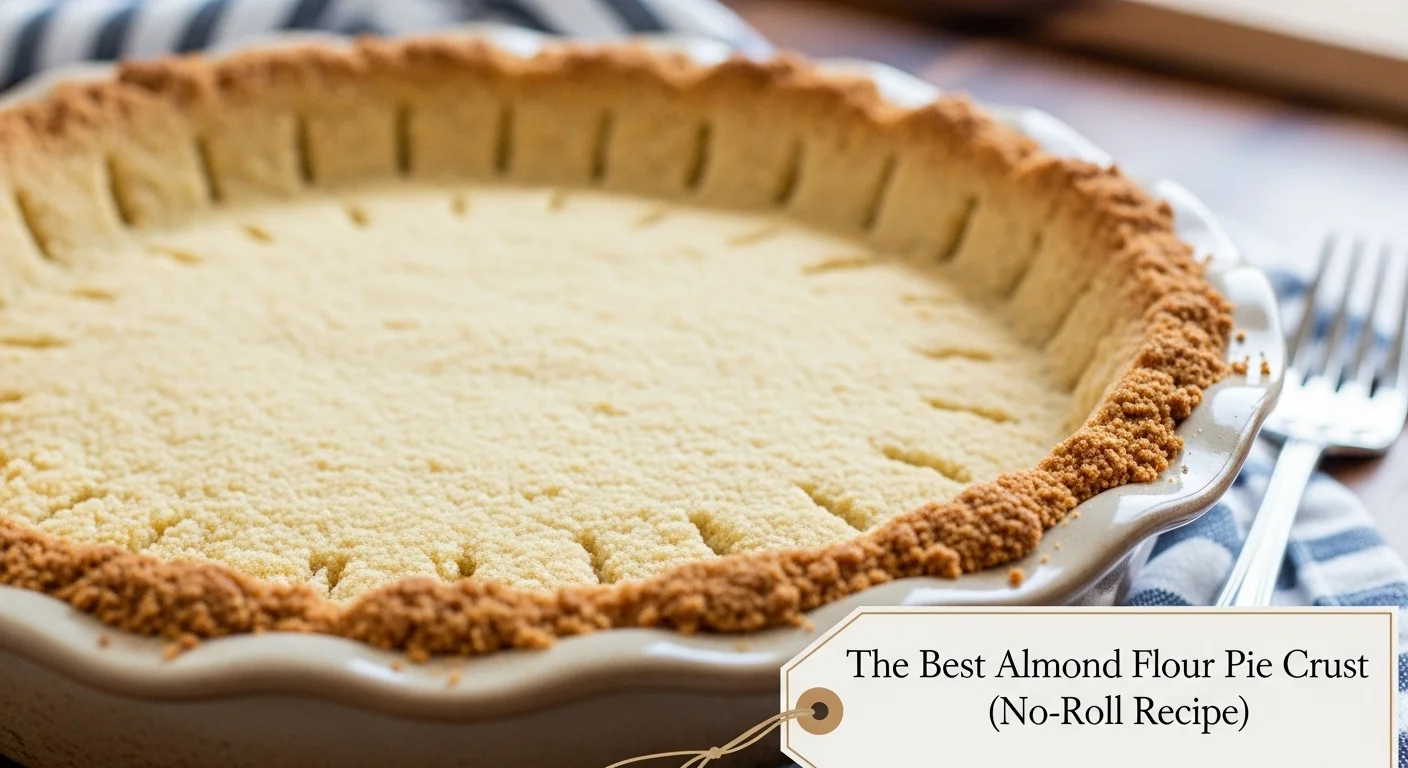
If you’re looking for a delicious and easy way to make pie crust, you’ve come to the right place! This no-roll almond flour pie crust is not only simple but also packed with flavor and nutrition. Read Interesting article: Easy Gluten-Free Pie Crust (That Won’t Fall Apart)
Understanding Almond Flour and Its Benefits
Almond flour has gained popularity in recent years, especially among those who are health-conscious or following specific diets like gluten-free or low-carb. I remember the first time I stumbled upon almond flour; I was intrigued by its texture and the unique flavor it promised to bring to my baking. It’s a versatile ingredient that can be used in many recipes, but let’s dive deeper into what it is and why it’s worth considering for your pie crust.
What is Almond Flour?
Almond flour is made from finely ground blanched almonds, which means the skins have been removed. This process results in a flour that has a light texture and a slightly sweet, nutty flavor. I’ve found that using almond flour in my baking adds a rich taste that is hard to replicate with other flours. It’s worth noting that almond meal, which is coarser and made from whole almonds (skin included), is often confused with almond flour. For pie crust, almond flour is usually the better choice due to its finer texture.
Nutritional Profile of Almond Flour
One of the reasons I love using almond flour is its impressive nutritional profile. Compared to traditional wheat flour, almond flour is higher in healthy fats, protein, and fiber. A typical serving of almond flour contains about 6 grams of protein, 3 grams of fiber, and healthy fats that can help keep you satiated. I’ve noticed that using almond flour in my recipes not only enhances flavor but also gives me a nutritional boost. It feels great knowing I’m making a choice that’s good for my body.
Health Benefits of Using Almond Flour
The health benefits of almond flour can be quite impressive. For those of us who are gluten-sensitive or have celiac disease, almond flour is a fantastic alternative that allows us to enjoy baked goods without the worry. I’ve seen firsthand how switching to almond flour can alleviate some digestive issues for myself and friends. Additionally, almond flour is low on the glycemic index, which means it won’t spike blood sugar levels like regular flour might. This is especially beneficial for those managing diabetes or looking to maintain steady energy levels throughout the day. Read Interesting article: The Perfect Gluten-Free Pumpkin Pie (With Flaky Crust)
Why Choose a No-Roll Pie Crust?
Now that we understand almond flour better, let’s talk about the method of preparing the pie crust. I used to dread the rolling out of pie crusts, often resulting in a crumbly mess or uneven thickness. That’s why I turned to the no-roll option. It has changed the way I bake.
Convenience and Time-Saving
One of the biggest advantages of a no-roll pie crust is its convenience. There’s no need to worry about flouring your workspace, rolling pins, or dealing with a sticky mess. I love how I can mix the ingredients, press them into the pie dish, and be ready to bake in no time. For busy days, this is a lifesaver. It allows me to whip up a pie without spending hours in the kitchen.
Less Mess and Easier Cleanup
With a no-roll pie crust, the cleanup is significantly easier. I remember the days when I had flour dust everywhere from rolling out dough. Now, I simply use a mixing bowl and a pie dish, which means fewer dishes to wash. I can focus on enjoying the pie rather than dreading the cleanup that follows. It’s a little joy in my baking routine!
Perfect for Beginners
If you’re new to baking or feel intimidated by the idea of making pie crust from scratch, a no-roll option is perfect for you. I’ve seen friends who were hesitant to bake give this method a try and succeed beautifully. It’s incredibly forgiving; even if you’re not a pro, you’ll end up with a delicious pie crust that looks great. This has helped me build my confidence in the kitchen, and I believe it can do the same for you.
In my experience, whether you’re crafting a sweet dessert or a savory dish, almond flour and a no-roll approach make baking accessible and enjoyable. I can’t wait to share more about how to create this amazing almond flour pie crust in the next sections. It’s a game-changer for any pie lover! Read Interesting article: The Easiest Gluten-Free Pizza Crust (Holds A Topping!)
Key Ingredients for Almond Flour Pie Crust
Let’s dive into what makes this almond flour pie crust so special. The ingredients you choose play a crucial role in the texture and flavor of your crust. I’ve learned over time that understanding each component can really elevate my baking game. Here’s a breakdown of the key ingredients you’ll need for a no-roll almond flour pie crust.
Almond Flour: Types and Selection
When it comes to almond flour, not all options are created equal. I’ve tried various brands and types, and I can confidently say that the quality of almond flour can affect the final product. Look for finely ground almond flour, which is specifically made for baking. I prefer brands that use blanched almonds because they give a lighter color and a finer texture, making the crust less gritty. You might also come across almond meal, but I recommend sticking with almond flour for the best results in pie crusts. Personally, I often buy almond flour in bulk to save money, and I find it keeps well in the fridge.
Binding Agents: Eggs and Alternatives
Binding agents are essential for holding the crust together, and eggs are my go-to choice. They help create a cohesive dough and add richness to the flavor. However, if you’re vegan or have an egg allergy, don’t worry! I’ve had success using flaxseed meal mixed with water as a substitute. It’s simple—just combine one tablespoon of flaxseed meal with two and a half tablespoons of water, let it sit for a few minutes to thicken, and you’re all set. This alternative not only binds the ingredients but also keeps the crust moist.
Fats: Choosing the Right Option
The choice of fat can make or break your pie crust. I often use unsalted butter because of the rich flavor it imparts, but I’ve also experimented with coconut oil and ghee. Each option brings its own unique taste. If you’re going dairy-free, coconut oil is a fantastic alternative that adds a subtle sweetness. Just make sure it’s solid but not too hard when mixing—it makes blending easier. I’ve found that using cold fat, regardless of the type, helps create a flaky texture, which is something I always aim for when making crust.
Flavor Enhancers: Sweeteners and Spices
To make your pie crust truly shine, consider adding flavor enhancers. I love to incorporate a bit of sweetener, even in savory pies. A tablespoon of honey or maple syrup can add a touch of sweetness without overwhelming the crust. If I’m making a savory dish, I often skip the sweetener and instead add spices like cinnamon or nutmeg. These spices can transform a basic crust into something extraordinary! I remember making a pumpkin pie with a hint of cinnamon in the crust, and it added such a cozy flavor that my friends couldn’t stop raving about.
As I’ve experimented with these ingredients, I’ve learned that the balance between them is key. The right proportions can lead to a crust that’s both delicious and easy to handle. Understanding what each ingredient contributes to the final product has truly enhanced my baking experience, and I hope it does the same for you.
Step-by-Step Guide to Making Almond Flour Pie Crust
Now that we have a grasp on the ingredients, let’s move on to the exciting part: making the almond flour pie crust! This step-by-step guide is straightforward, and I’m excited to share the process with you. I promise, it’s easier than it sounds!
Gathering Your Ingredients
Before I start cooking, I always gather all my ingredients. For this almond flour pie crust, you’ll need:
- 2 cups almond flour
- 1/4 cup unsalted butter (or coconut oil)
- 1 large egg (or flaxseed mixture)
- 1/4 teaspoon salt
- 1 tablespoon of honey or maple syrup (optional)
Having everything in one place makes the process so much smoother. I can’t tell you how many times I’ve started a recipe only to realize I’m missing an ingredient!
Mixing the Dough
In a mixing bowl, I combine the almond flour and salt first. This helps distribute the salt evenly throughout the flour. Next, I add the melted butter and egg (or my flaxseed mixture) to the bowl. I like to use a fork or my hands to mix everything together until it forms a dough. It usually takes just a few minutes. If the dough feels too crumbly, I might add a teaspoon of water to help it come together.
Shaping the Crust in the Pan
Once the dough is mixed, it’s time to shape it in the pie pan. I simply press the dough into the bottom and up the sides of the pan using my fingers. I find that using my fingertips works best for creating an even thickness. If you notice any cracks forming, don’t worry—just pinch the dough back together. I love that this no-roll method is forgiving and lets me create a rustic look.
Baking the Crust
After shaping, I place the pie crust in the preheated oven, usually at 350°F. I bake it for about 10-15 minutes until it’s lightly golden. The aroma fills my kitchen, and I can hardly wait to see the finished product! Once it’s done, I let it cool before adding any fillings. This step is crucial to prevent a soggy bottom, which I’ve learned the hard way!
As I go through this process, I feel a sense of accomplishment. Making my own pie crust has not only been a fun adventure in the kitchen but has also opened the door to a world of delicious pies that I can create for my family and friends. I can’t wait to share more tips for perfecting this recipe next!
Tips for Perfecting Your Almond Flour Pie Crust
As I’ve made almond flour pie crusts over the years, I’ve picked up some valuable tips that have helped me achieve the best results. These tips can make a significant difference in the outcome, so I’m excited to share them with you! Each step can enhance the flavor and texture of your crust, ensuring that you create something truly special.
How to Prevent Cracking
One common issue I’ve faced with almond flour pie crust is cracking. It can be frustrating to see those little fissures form, especially when you want a beautifully presented pie. I’ve learned that keeping the dough slightly moist can help prevent this. When mixing, if you notice the dough feels too dry, it’s okay to add a teaspoon of water or even an extra egg. The moisture will help bind the ingredients together better and create a more cohesive crust. Also, when pressing the dough into the pan, make sure to take your time and really work it into the edges. This can help minimize any weak spots that might crack during baking.
Achieving the Right Texture
The texture of your crust can really make or break the overall pie experience. I love a crust that’s both flaky and firm enough to hold its shape. To achieve this, I always ensure my butter or fat is cold when mixing into the dough. Cold fat creates little pockets that help result in a flaky texture. Additionally, I’ve noticed that not overmixing is crucial. Once the ingredients are combined, I stop mixing as soon as the dough comes together. That way, the crust remains tender and doesn’t become tough. If I want an even flakier crust, I try to incorporate some small pieces of cold butter into the dough instead of completely melting it. This little trick has served me well!
Storage Tips: Keeping Your Crust Fresh
After putting in the effort to create your almond flour pie crust, you’ll want to make sure it stays fresh. I’ve learned that the best way to store any leftover crust is to wrap it tightly in plastic wrap and place it in an airtight container. If I have a pre-baked crust, I let it cool completely before wrapping it up. This prevents condensation from forming, which can lead to sogginess. When stored this way, I find that my crust can last up to a week in the refrigerator. If I need to store it for longer, I usually freeze it. Just remember to let it thaw in the fridge before using it, as this helps maintain its texture.
Variations of Almond Flour Pie Crust
One of the fun things about baking with almond flour is the ability to get creative. Over time, I’ve discovered several variations of almond flour pie crust that suit different occasions and flavors. Here are some of my favorites!
Sweet Almond Flour Pie Crust for Desserts
When I’m making a dessert pie, I like to add a bit of sweetness to the crust. A tablespoon of honey or maple syrup can enhance the overall flavor and complement the filling perfectly. Sometimes, I even include a pinch of vanilla extract for an extra layer of flavor. This sweetened crust works wonders in fruit pies or even in classic desserts like pecan or chocolate pies. It adds that little touch that elevates the entire dessert!
Savory Almond Flour Pie Crust for Quiches
If I’m preparing a savory dish like a quiche, I skip the sweeteners altogether and instead incorporate herbs and spices. I love adding dried herbs like thyme or rosemary directly into the crust for added flavor. This gives the quiche a wonderful aromatic touch, making it a crowd-pleaser at brunches or family gatherings. I’ve found that a savory almond flour pie crust pairs beautifully with rich fillings like cheese, vegetables, or even meats.
Gluten-Free Flavor Combinations
For those of us who are gluten-sensitive, almond flour opens up a world of flavor combinations that are both delicious and safe to enjoy. I often experiment with spices to complement the pie filling. For instance, when making a pumpkin pie, I’ll add ginger or allspice to the crust. This not only enhances the flavor but also ties the entire dessert together. I also love trying different nuts, like hazelnuts or pecans, blended with almond flour for a unique twist. Each variation brings its own character to the pie, making it a delightful experience for anyone who takes a bite!
As I explore these variations, I’m always amazed at how a simple change in ingredients can lead to a completely different pie experience. I encourage you to try your hand at these ideas and see what delicious combinations you can come up with!
Frequently Asked Questions
What is almond flour and how is it different from almond meal?
Almond flour is made from finely ground blanched almonds, which means the skins have been removed, resulting in a light texture and slightly sweet, nutty flavor. Almond meal, on the other hand, is coarser and made from whole almonds with the skin included.
What are the nutritional benefits of using almond flour?
Almond flour is higher in healthy fats, protein, and fiber compared to traditional wheat flour. A typical serving contains about 6 grams of protein and 3 grams of fiber, making it a nutritious choice for baking.
Why should I choose a no-roll pie crust?
A no-roll pie crust is convenient and time-saving, eliminating the need for flouring your workspace or rolling pins. It allows you to mix the ingredients, press them into the pie dish, and bake without the mess associated with traditional pie crust methods.
What are the key ingredients for an almond flour pie crust?
The key ingredients for a no-roll almond flour pie crust include 2 cups of almond flour, 1/4 cup of unsalted butter (or coconut oil), 1 large egg (or a flaxseed mixture), 1/4 teaspoon salt, and optionally, 1 tablespoon of honey or maple syrup.
How can I prevent my almond flour pie crust from cracking?
To prevent cracking, keep the dough slightly moist. If it feels too dry, you can add a teaspoon of water or an extra egg. Taking your time to press the dough into the pan can also minimize weak spots that may crack during baking.
What type of fat should I use in my almond flour pie crust?
Unsalted butter is commonly used for its rich flavor, but you can also use coconut oil or ghee. Cold fat helps create a flaky texture, which is desirable in pie crusts.
How should I store leftover almond flour pie crust?
Store leftover crust by wrapping it tightly in plastic wrap and placing it in an airtight container. A pre-baked crust should cool completely before wrapping to prevent sogginess. It can last up to a week in the refrigerator or be frozen for longer storage.
Can I make variations of the almond flour pie crust?
Yes! You can create variations by adding sweetness with honey or maple syrup for dessert pies or incorporating herbs and spices for savory dishes like quiches. Experimenting with different nuts can also provide unique flavors.
How can I enhance the flavor of my almond flour pie crust?
Enhance the flavor by incorporating sweeteners like honey or maple syrup for dessert pies. For savory pies, consider adding dried herbs or spices. These additions can elevate the overall taste of your pie.
Is almond flour suitable for gluten-sensitive individuals?
Yes, almond flour is a fantastic alternative for those who are gluten-sensitive or have celiac disease, allowing them to enjoy baked goods without the worry of gluten.