
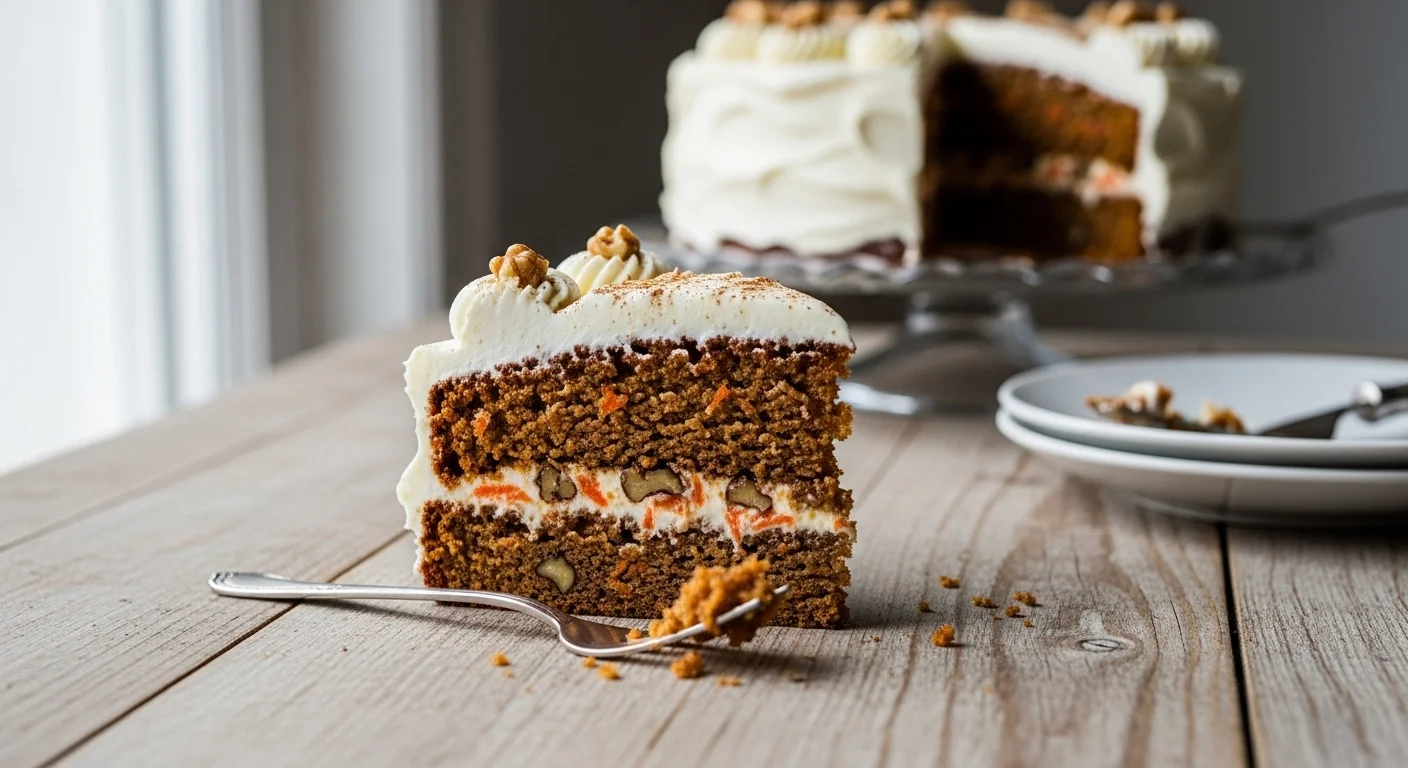
If you’re searching for a delightful dessert that’s gluten-free and bursting with flavor, look no further than this carrot cake with cream cheese frosting. It’s moist, sweet, and sure to impress anyone who tries it! Read Interesting article: This Viral Chicken Toast Fold Might Replace Breakfast
Understanding Gluten-Free Baking
When I first ventured into gluten-free baking, I was both excited and a bit intimidated. The absence of gluten, the protein found in wheat, can change everything about how a cake turns out. I learned that understanding gluten-free baking was essential to achieving that perfect texture and flavor, especially for something as beloved as carrot cake.
What is Gluten-Free Flour?
Gluten-free flour is a blend of different flours that don’t contain gluten. Unlike regular flour, which has that elastic quality that helps baked goods rise and hold their shape, gluten-free flour needs a little extra help. I remember being confused about which gluten-free flour to use until I discovered that many blends can work well in recipes when you know how to balance them. They often contain a mix of rice flour, almond flour, or even coconut flour, each bringing its unique flavor and texture to the table.
Common Gluten-Free Flour Alternatives
As I experimented more, I found that there are several great gluten-free flour alternatives to consider. Some of my favorites include:
- Almond Flour: This nut-based flour adds a rich, moist quality to cakes.
- Coconut Flour: It’s absorbent, so you need less of it, but it gives a lovely sweetness.
- Rice Flour: A staple in gluten-free baking, it has a neutral flavor and can be used in various blends.
- Oat Flour: Made from ground oats, it’s great for adding a wholesome flavor, just ensure it’s labeled gluten-free.
Each of these flours has its quirks, and I’ve learned that sometimes mixing a couple can give the best results. For my carrot cake, I usually go for a blend that balances flavors and textures.
Understanding Gluten-Free vs. Traditional Baking
Transitioning from traditional baking to gluten-free baking taught me a lot. The biggest difference I noticed was in the mixing and baking process. Gluten helps with the structure and rise in traditional cakes, creating that fluffy texture we all love. Without it, gluten-free batters can be a bit denser. I remember my first gluten-free cake turned out too crumbly. After some research and practice, I learned that adding a little xanthan gum or guar gum can help mimic that structure. It’s a game-changer!
Key Ingredients for Gluten-Free Carrot Cake
Now that I’ve wrapped my head around gluten-free baking, let’s dive into the key ingredients for an amazing gluten-free carrot cake. Each one plays an important role in making the cake not just gluten-free, but delicious too!
Carrots: The Star Ingredient
Carrots are the heart of any carrot cake, gluten-free or not. I love how they add natural sweetness and moisture to the cake. When grating carrots, I like to use fresh, organic ones since they have a vibrant flavor that really shines through. I find that the finer I grate them, the more they blend into the cake, giving it an even texture while still keeping that wonderful carrot flavor.
Choosing the Right Gluten-Free Flour Blend
Choosing the right gluten-free flour blend is crucial. I often opt for a pre-made gluten-free all-purpose flour that includes xanthan gum. This blend usually contains a mix of rice flour, tapioca starch, and potato starch, which gives my carrot cake that tender crumb I love. However, if you’re feeling adventurous, you can create your blend using the flours I mentioned earlier, adjusting ratios to find what works best for your taste.
Other Essential Ingredients (Eggs, Sugar, Oil)
Besides flour and carrots, there are a few other essential ingredients to consider. I like to use eggs for binding and moisture; they help the cake rise a little and add richness. For sweeteners, I usually go for a blend of brown sugar and granulated sugar. Brown sugar gives depth and a slight caramel flavor, contributing to the cake’s overall taste. As for oil, I prefer using vegetable or canola oil because it keeps the cake moist without adding any overpowering flavors.
Flavor Enhancers (Spices, Nuts, and Raisins)
To elevate the flavor of my carrot cake, I always add spices like cinnamon and nutmeg. These spices complement the sweetness of the carrots beautifully. I also like to toss in some chopped walnuts or pecans for a nice crunch, and I occasionally add raisins for a bit of chewiness. It’s all about balancing those flavors to make every bite special. I remember the first time I added nuts and raisins; it transformed an already good cake into something extraordinary!
Making the Best Gluten-Free Carrot Cake
Step-by-Step Recipe Instructions
Now, let’s get into the fun part: making the cake! I’ve found that having a clear step-by-step approach really helps, especially when working with gluten-free ingredients. Here’s how I usually go about it:
- Preheat Your Oven: I start by preheating my oven to 350°F (175°C). This ensures it’s hot enough to give the cake a beautiful rise.
- Prepare Your Pans: I grease two 9-inch round cake pans with oil or butter and line the bottoms with parchment paper. This little trick makes it so much easier to remove the cakes later!
- Mix the Dry Ingredients: In a large bowl, I whisk together my gluten-free flour blend, baking powder, baking soda, cinnamon, nutmeg, and a pinch of salt. This helps to evenly distribute the leavening agents.
- Mix the Wet Ingredients: In another bowl, I beat together the eggs and sugars until they’re well combined. Then, I add in the oil and mix until it’s smooth. I like to add a splash of vanilla extract for an extra flavor boost!
- Combine Wet and Dry Mixtures: I pour the wet ingredients into the bowl with the dry ingredients and mix just until combined. I try not to overmix, which is crucial for keeping the cake tender.
- Fold in the Carrots and Nuts: Now comes the fun part! I gently fold in the grated carrots, chopped nuts, and raisins. It’s amazing how vibrant the batter looks at this stage!
- Pour and Bake: I divide the batter evenly between the prepared cake pans and pop them into the oven. I usually set my timer for about 25-30 minutes, but I always check for doneness by inserting a toothpick into the center. If it comes out clean, my cake is ready!
- Cool Your Cakes: Once baked, I remove the cakes from the oven and let them cool in the pans for about 10 minutes. Then, I carefully turn them out onto a wire rack to cool completely.
Mixing Techniques for Gluten-Free Cakes
One thing I learned while baking gluten-free is the importance of mixing techniques. I found that a gentle hand goes a long way. When I first started, I tended to overmix the batter, thinking it would make it fluffier. But I quickly realized that this can lead to a dense cake. I now focus on just mixing until the ingredients are combined. This method helps create that tender crumb we love in a good carrot cake.
Also, I like to use a rubber spatula to fold in my ingredients, especially when adding in the carrots and nuts. This way, I can be sure everything is evenly distributed without overworking the batter.
Baking Time and Temperature Considerations
Getting the baking time and temperature right can make or break your cake. From my experience, every oven is a bit different. I always recommend starting with the suggested time but keeping an eye on the cake as it nears the end of the baking period. If you’re using dark pans, they can cook faster, while lighter pans may require a few extra minutes. I often rotate the pans halfway through to ensure even baking.
Another tip I’ve found helpful is to check the cake a few minutes before the minimum baking time. If it looks slightly golden and a toothpick inserted in the center comes out clean, it’s time to take it out. Letting it cool properly is just as important, as it continues to cook a little after you take it out of the oven.
Creating Cream Cheese Frosting
Essential Ingredients for Cream Cheese Frosting
No carrot cake is complete without a luscious cream cheese frosting! I believe this is where you can really elevate the dessert. Here’s what I typically use for my frosting:
- Cream Cheese: I always opt for full-fat cream cheese for a rich, creamy texture. Make sure it’s at room temperature for easier mixing.
- Butter: Unsalted butter adds a wonderful richness and helps with the texture. I let it sit out to soften before using it.
- Powdered Sugar: This is essential for sweetness and gives the frosting that fluffy consistency. I usually sift it to prevent lumps.
- Vanilla Extract: Just a splash adds a lovely flavor that complements the cream cheese perfectly.
Step-by-Step Instructions for Perfect Frosting
Making the frosting is super simple. Here’s how I do it:
- Beat the Cream Cheese and Butter: In a mixing bowl, I beat the softened cream cheese and butter together until smooth and creamy.
- Add the Powdered Sugar: Gradually, I mix in the sifted powdered sugar. I like to do this slowly to avoid a sugary cloud!
- Add Vanilla: Once the sugar is incorporated, I add in the vanilla extract and mix until everything is well combined and fluffy.
Variations on Cream Cheese Frosting
Sometimes, I like to switch things up with my frosting. I’ve experimented with adding different flavors, like a bit of lemon juice or zest for a citrusy twist. If you’re a chocolate lover, you can mix in some cocoa powder to make a chocolate cream cheese frosting. And if you want to add some texture, consider folding in finely chopped nuts or a sprinkle of cinnamon! The possibilities are endless, and it’s fun to play around with flavors to find your favorite combination.
Decorating Your Carrot Cake
Simple Decoration Ideas
Once my carrot cake is baked and frosted, the fun of decoration begins! I’ve found that a beautifully decorated cake can take it from just a dessert to a show-stopper at any gathering. For a simple yet stunning look, I like to use a spatula to create some swirls or peaks in the cream cheese frosting. This adds texture and makes the cake look inviting. Sometimes, I play around with the color of the frosting too. Adding a few drops of natural food coloring can give it a lovely pastel hue, which is perfect for springtime celebrations.
Using Nuts and Edible Flowers
I always think of nuts as the perfect finishing touch for my carrot cake. Toasted walnuts or pecans sprinkled on top not only add crunch but also enhance the flavor. Edible flowers, like pansies or nasturtiums, can make a beautiful addition, especially if I’m feeling a bit fancy. I remember the first time I used edible flowers; it transformed the cake into a stunning centerpiece that everyone admired before they even took a bite!
Layering and Serving Suggestions
Layering is another way to elevate my gluten-free carrot cake. I often make a three-layer cake instead of just two. This not only looks impressive, but it also allows for more frosting in between the layers, which I absolutely adore! When serving, I like to slice it into generous portions and pair each slice with a dollop of whipped cream or even a scoop of vanilla ice cream. I find that this combination complements the flavors beautifully and adds an extra touch of indulgence. It’s a delightful way to enjoy the cake, especially when sharing with friends and family.
Storing and Freezing Your Carrot Cake
Best Practices for Storing Leftovers
After a gathering, I always seem to have a bit of carrot cake left over. To store it properly, I place it in an airtight container at room temperature if I plan to finish it within a couple of days. If I want to keep it longer, I move it to the fridge. The cooling helps maintain the moistness of the cake, especially with that rich cream cheese frosting. I’ve noticed that keeping it covered is essential; otherwise, the cake tends to dry out, and nobody wants that!
How to Freeze Gluten-Free Carrot Cake
If I have a larger cake that I want to save for a special occasion later, I freeze it. I usually slice the cake into individual pieces to make it easier to thaw later on. Each piece gets wrapped tightly in plastic wrap and then placed in a freezer-safe container. I love knowing I can pull out a slice whenever I crave something sweet. It’s like having a little piece of joy waiting for me in the freezer! Read Interesting article: The Viral Veggie Toast That Actually Tastes Expensive
Thawing and Reheating Tips
When it’s time to enjoy a frozen slice of my carrot cake, I take it out and let it thaw in the fridge overnight. This gradual thawing helps keep the texture just right. If I’m in a hurry, I sometimes leave it at room temperature for about an hour, but I’ve found that the fridge method works best. If I want to warm it up slightly, I’ll pop it in the microwave for about 10-15 seconds. Just a little warmth can make the flavors pop even more, and I find it’s a lovely way to enjoy a slice with a cup of tea or coffee.
Common Questions About Gluten-Free Carrot Cake
Can I Make This Cake Vegan?
For those looking for a vegan version of my carrot cake, I’ve experimented with a few substitutions and found some great alternatives. Instead of eggs, I like to use flax eggs or applesauce. For every egg, I mix one tablespoon of ground flaxseed with two and a half tablespoons of water and let it sit until it thickens. It works surprisingly well! I also switch to a plant-based oil, like coconut oil, for richness. The result is just as delicious and moist, and I love sharing this version with my vegan friends.
What Can I Substitute for Eggs?
If you’re looking for more egg substitutes, there are a few options that have worked for me. Besides flax eggs, I’ve used mashed bananas or unsweetened applesauce. For each egg, about a quarter cup of either banana or applesauce usually does the trick. I find that these options add some natural sweetness and moisture, making the cake delightful. Just be mindful that they can slightly alter the flavor, but I think that’s part of the fun of experimenting!
How Do I Know If My Cake is Fully Baked?
Determining whether my gluten-free carrot cake is fully baked can be a little tricky, especially since gluten-free cakes can look slightly different from traditional ones. I’ve learned to rely on the toothpick test. I insert a toothpick into the center, and if it comes out clean or with just a few crumbs, the cake is ready. Another sign I look for is a slight golden color on the top and a springy feel when I gently press the center. Over time, I’ve become more familiar with my oven’s quirks, which definitely helps!
Frequently Asked Questions
What is gluten-free flour?
Gluten-free flour is a blend of different flours that do not contain gluten. It needs extra help to achieve the right texture and rise in baked goods, as it lacks the elastic quality of regular flour.
What are some common gluten-free flour alternatives?
Some common gluten-free flour alternatives include almond flour, coconut flour, rice flour, and oat flour. Each brings its unique flavor and texture to recipes, and combining them can yield the best results.
What key ingredients are needed for gluten-free carrot cake?
Key ingredients for a gluten-free carrot cake include grated carrots, a suitable gluten-free flour blend, eggs, a mix of brown and granulated sugar, and vegetable or canola oil. Spices, nuts, and raisins can also enhance the flavor.
How can I achieve a good texture in gluten-free carrot cake?
To achieve a good texture, it’s important to use a gluten-free flour blend that may include xanthan gum, mix the ingredients gently, and avoid overmixing the batter, as this can lead to a dense cake.
What is the process for making cream cheese frosting?
To make cream cheese frosting, beat softened cream cheese and butter together until smooth, gradually mix in sifted powdered sugar, and then add vanilla extract until everything is well combined and fluffy.
What are some decoration ideas for gluten-free carrot cake?
Decoration ideas include creating swirls in the cream cheese frosting, adding toasted nuts on top, using edible flowers, and layering the cake for an impressive presentation.
How should I store leftover carrot cake?
Leftover carrot cake should be stored in an airtight container at room temperature if eaten within a couple of days, or in the fridge for longer storage. Keeping it covered is essential to prevent it from drying out.
Can I freeze gluten-free carrot cake, and if so, how?
Yes, you can freeze gluten-free carrot cake by slicing it into individual pieces, wrapping each slice tightly in plastic wrap, and placing them in a freezer-safe container for later enjoyment.
How can I tell if my gluten-free carrot cake is fully baked?
You can determine if the cake is fully baked by performing the toothpick test: insert a toothpick into the center, and if it comes out clean or with a few crumbs, the cake is ready. Look for a slight golden color and a springy feel when pressed gently.
What can I use as an egg substitute in the carrot cake recipe?
Egg substitutes for the carrot cake can include flax eggs, mashed bananas, or unsweetened applesauce. Each substitute adds moisture and sweetness, although they may slightly alter the flavor of the cake.