
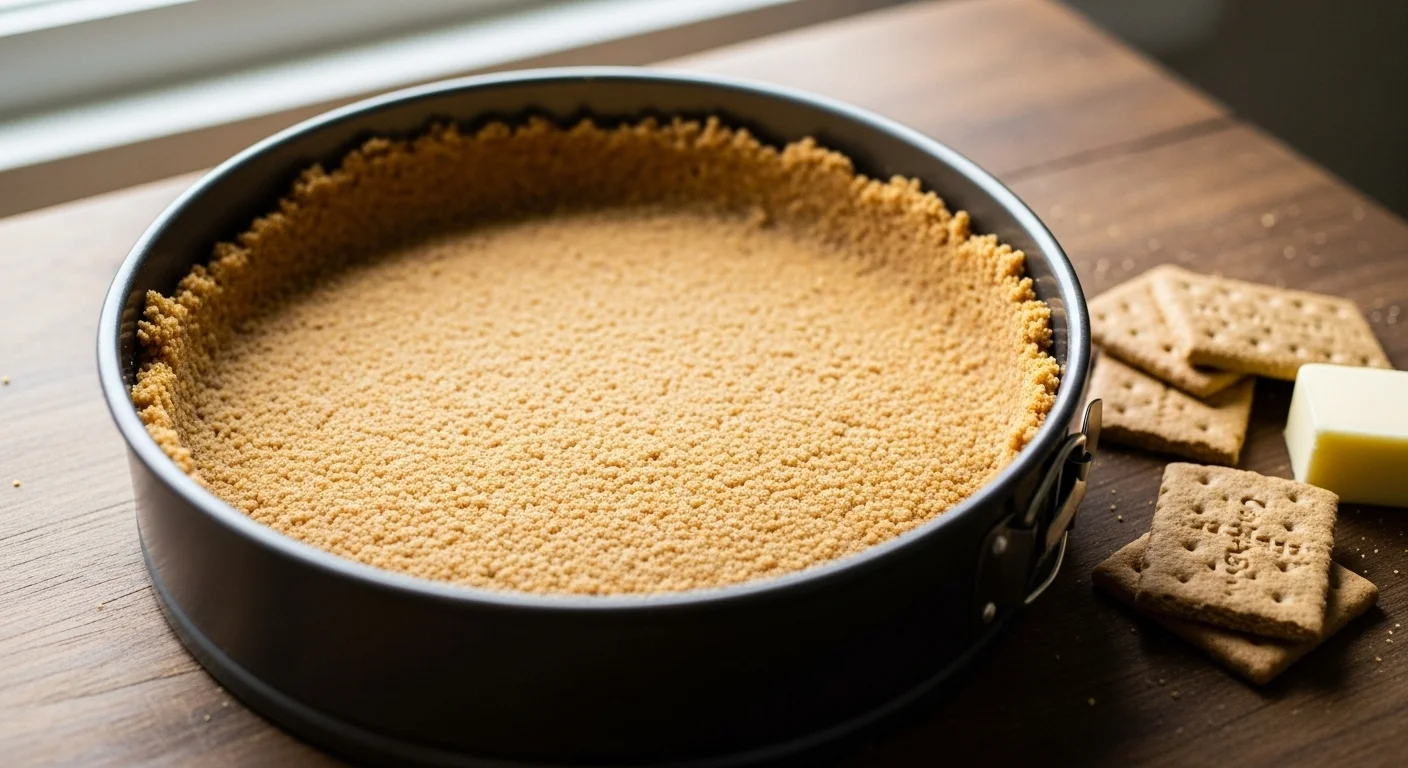
Looking for the perfect gluten-free cheesecake crust? You’re in the right place! Whether you’re avoiding gluten for health reasons or just wanting to try something new, a delicious cheesecake crust can elevate your dessert game. For an easy start, check out my recipe for Easy Gluten-Free Graham Cracker Crust (For Cheesecakes).
Understanding Gluten-Free Ingredients
When I first started exploring gluten-free options, I was surprised by how many ingredients could be used to create amazing desserts! Understanding what gluten is and why some of us need or want to avoid it is essential to appreciating the world of gluten-free baking.
What is Gluten?
Gluten is a type of protein found in wheat, barley, and rye. It’s what gives bread its chewy texture and helps baked goods maintain their shape. For many people, gluten is perfectly fine, but for others, it can cause a range of issues, from digestive discomfort to more severe autoimmune reactions, like celiac disease. I remember when a friend of mine was diagnosed with celiac disease; she had to completely change her diet. It was eye-opening to see how many everyday foods contain gluten.
Benefits of a Gluten-Free Diet
Embracing a gluten-free diet isn’t just about avoiding a single ingredient; it can lead to discovering new flavors and food options. I’ve seen many friends feel better after cutting gluten out of their diets. They reported less bloating, more energy, and an overall improved sense of well-being. Additionally, gluten-free diets often encourage people to eat more whole foods, like fruits, vegetables, and lean proteins. I found that my cravings for processed snacks diminished when I focused on fresh, wholesome ingredients.
Types of Gluten-Free Crusts
When it comes to making cheesecake, the crust is just as important as the filling. I’ve experimented with various gluten-free crusts and discovered some fantastic alternatives that are both easy to make and delicious. Here are a few types I’ve enjoyed.
Nut-Based Crusts
Nuts are a fantastic base for gluten-free crusts. Almonds, pecans, and walnuts can add a rich flavor and satisfying crunch. I often use almond flour because it gives a nice buttery taste and texture. To make a nut-based crust, I typically blend the nuts with a bit of coconut oil or melted butter and a touch of sweetener. Pressing it firmly into the bottom of my springform pan creates a sturdy base that pairs perfectly with creamy cheesecake. It’s also a great option for those looking for a low-carb crust!
Oat-Based Crusts
Oats are another versatile ingredient. If you’re careful about cross-contamination, you can find certified gluten-free oats. I love using them in my crusts because they provide a wholesome and hearty base. Simply grinding oats into a flour or using whole oats can work well. Mixing them with melted butter, a bit of brown sugar, and some cinnamon creates a crust that’s both chewy and flavorful. I’ve even added a pinch of salt to enhance the sweetness.
Rice Flour Crusts
Rice flour is a staple in gluten-free baking. It’s light and can create a crisp crust. I discovered that mixing rice flour with a bit of tapioca starch gives it a nice texture. To make this crust, I combine the rice flour with melted butter, sugar, and a splash of vanilla extract. The result is a crust that’s simple and delicious, perfect for holding all the creamy cheesecake filling!
The Best No-Bake Gluten-Free Cheesecake Crust Recipe
If you’re looking for a quick and easy cheesecake crust, I can’t recommend a no-bake option enough. It’s a lifesaver when you’re short on time or just don’t feel like turning on the oven. Let’s dive into my favorite recipe!
Ingredients Needed
- 1 ½ cups gluten-free graham cracker crumbs (or crushed gluten-free cookies)
- ½ cup unsalted butter, melted
- ¼ cup sugar (adjust based on your preference)
- 1 teaspoon vanilla extract
Step-by-Step Instructions
- In a mixing bowl, combine the gluten-free graham cracker crumbs and sugar.
- Pour in the melted butter and vanilla extract. Mix until everything is well combined and resembles wet sand.
- Press the mixture firmly into the bottom of your springform pan, making sure to create an even layer.
- Chill in the refrigerator for at least 30 minutes to set.
Tips for Perfecting Your Crust
As I’ve refined my no-bake crust technique, I’ve learned a few helpful tips. First, make sure to really press the crust mixture down firmly; this helps it hold together when you cut into the cheesecake. I also recommend letting it chill for longer if you have the time—it really helps solidify the structure. If you want to add a bit of flavor, consider mixing in a tablespoon of cocoa powder for a chocolate twist or a sprinkle of cinnamon for warmth.
Now that we’ve covered the basics of gluten-free ingredients and crust types, I can’t wait to share more about different variations and how to pair your cheesecake with delicious toppings! Stay tuned for the next section!
Flavor Variations for Your Crust
Once I got the hang of making a basic gluten-free cheesecake crust, I couldn’t help but experiment with different flavors. Adding a twist to your crust can elevate the entire cheesecake experience. Here are some of my favorite variations that I think you’ll love.
Chocolate Gluten-Free Crust
If you’re a chocolate lover like me, you’ll want to try a chocolate gluten-free crust. It adds a rich flavor that pairs beautifully with creamy cheesecake fillings. To make this, I simply use gluten-free chocolate cookies or graham crackers. Here’s how I do it:
- Use 1 ½ cups of crushed gluten-free chocolate cookies.
- Mix in ½ cup of melted butter and ¼ cup of sugar, just like in the traditional crust.
- Press it into the bottom of the pan and chill as usual.
This chocolate crust complements fruity cheesecake fillings nicely or can stand alone with a chocolate cheesecake. I remember the joy of serving it at a dinner party; everyone was delighted at the unexpected twist!
Coconut Flavored Crust
I’ve also fallen in love with coconut-flavored crusts. They bring a tropical vibe to your cheesecake and pair wonderfully with flavors like pineapple or key lime. To create a coconut crust, here’s what I do:
- Start with 1 cup of gluten-free graham cracker crumbs.
- Add ½ cup of shredded unsweetened coconut to the mix.
- Combine it with ½ cup of melted butter and ¼ cup of sugar.
This combination creates a chewy texture with a delightful coconut aroma. I find that using fresh coconut can enhance the flavor even more, so it’s worth the extra effort if you can find it! I often serve this crust with a tropical cheesecake filling, and it’s always a hit.
Spiced Crust Options
Spices can work wonders in adding depth to your crust. I love experimenting with flavors like cinnamon, ginger, or even nutmeg. For a spiced crust, I usually start with a base of gluten-free graham crackers or oats, then add my favorite spices. Here’s a simple way to make it:
- Use 1 ½ cups of gluten-free graham cracker crumbs or ground oats.
- Add 1 teaspoon of cinnamon, a pinch of nutmeg, and ½ teaspoon of ginger.
- Combine it with ½ cup of melted butter and ¼ cup of sugar.
This spiced crust works beautifully with pumpkin or apple cheesecake fillings, and it gives a warm, cozy flavor that’s perfect for fall gatherings. I remember making this for Thanksgiving, and my family couldn’t get enough of it!
Each of these variations brings something unique to the table, and I find that they can really set the mood for your cheesecake. It’s all about what flavor profiles you love and how you want to surprise your taste buds.
Pairing Your Cheesecake with Toppings
Now that we’ve explored different crust flavors, let’s talk about toppings. The right toppings can enhance your cheesecake and add visual appeal. I’ve tried many combinations, and here are some of my favorites that I think you’ll enjoy.
Fruit Toppings
There’s something about fruit that adds freshness and vibrancy to cheesecake. I love using seasonal fruits for a colorful topping. Fresh strawberries, blueberries, or raspberries can create a beautiful contrast against the creamy cheesecake. For a simple fruit topping, I often do the following:
- Slice fresh fruit and arrange it beautifully on top of the cheesecake.
- For an extra touch, I might drizzle a bit of honey or maple syrup over the fruit for added sweetness.
During summer, I can’t resist using mixed berries—there’s just something so refreshing about that combination! I remember one summer picnic where I served a berry-topped cheesecake, and it was devoured in minutes.
Chocolate or Caramel Drizzle
Chocolate or caramel drizzle can take your cheesecake to another level. I enjoy melting dark chocolate or making a quick caramel sauce to drizzle over the top. It’s super easy and adds a touch of indulgence. Here’s how I do it:
- For chocolate, melt ½ cup of dark chocolate chips in the microwave, stirring until smooth.
- For caramel, I heat ½ cup of sugar over medium heat until it melts and turns golden brown, then add ¼ cup of heavy cream and stir until combined.
Drizzling either of these over the cheesecake right before serving creates a stunning presentation, and the flavors meld beautifully. I often bring this topped cheesecake to gatherings, and it never fails to impress.
Whipped Cream Options
Finally, who can forget whipped cream? It’s a classic topping that adds lightness to any dessert. I love making my own whipped cream with heavy whipping cream and a touch of powdered sugar and vanilla extract. Just whip it up until it reaches soft peaks, and you’re good to go!
- You can pipe it on top for elegance or just dollop it on for a more casual presentation.
- To elevate it further, consider adding a splash of flavored extract like almond or peppermint.
Whipped cream is a delightful addition, and I’ve had friends ask for seconds just to get another taste of it! It’s the perfect final touch for any cheesecake.
Common Questions About Gluten-Free Cheesecake Crusts
As I’ve gotten deeper into the world of gluten-free baking, I’ve encountered quite a few questions that seem to pop up often. It’s always helpful to tackle these common queries, especially when you’re trying to perfect your gluten-free cheesecake crust. Let’s dive into some of those questions!
Can I Use Regular Cheesecake Recipes with Gluten-Free Crusts?
This is a question I’ve asked myself, and the answer is a resounding yes! Most cheesecake recipes can easily adapt to a gluten-free crust. I’ve found that the key is to ensure that any ingredients used in the filling are also gluten-free. For instance, avoid traditional flour or any flavored cream cheeses that might contain gluten. When I substituted a gluten-free crust in my favorite cheesecake recipe, I was pleasantly surprised at how well it turned out. It tasted just as creamy and delicious as the original! Just remember to check labels on all your ingredients for hidden gluten.
How to Store Gluten-Free Cheesecake?
Storing gluten-free cheesecake is pretty straightforward, and it’s something I’ve become quite adept at. If I have leftovers (which is rare!), I always cover the cheesecake tightly with plastic wrap or aluminum foil to avoid it drying out. I usually store it in the refrigerator where it stays fresh for about 3 to 5 days. If I’m planning to keep it longer, I’ll slice it up and place individual pieces in airtight containers to freeze. I’ve found that gluten-free cheesecake freezes well, retaining its creamy texture. When I want to indulge, I just let a slice thaw in the fridge overnight, and it’s as good as new!
Can I Make This Recipe Vegan?
Going vegan while keeping the cheesecake delicious? Challenge accepted! I’ve tried my hand at vegan versions of cheesecake, and they can be just as amazing. Instead of cream cheese, I often use soaked cashews blended until smooth or silken tofu for a lighter option. For the crust, I stick with gluten-free ingredients, and instead of butter, coconut oil or vegan margarine works wonderfully. I remember the first time I served a vegan cheesecake to my friends; they were blown away by how creamy and satisfying it was! Just remember that the sweeteners you choose should also align with your vegan preferences.
Serving Suggestions and Occasions
Now that we have our gluten-free cheesecake crust perfected, let’s talk about serving suggestions! I love sharing my cheesecakes with family and friends, and knowing when to serve them can make a big difference in the experience.
Perfect for Holidays and Celebrations
Cheesecake has a way of making any gathering feel special. I often find myself bringing my gluten-free cheesecake to holiday dinners or birthday celebrations. It’s become a tradition in my family to have cheesecake on special occasions. I like to dress it up with seasonal decorations, like fresh cranberries for Thanksgiving or vibrant fruit for summer parties. I remember a Christmas gathering where I made a peppermint-flavored cheesecake, and it was a huge hit; everyone loved the festive twist!
Serving at Parties and Gatherings
When hosting a gathering, I find that cheesecake is a crowd-pleaser. I often cut it into small squares or slices, making it easy for guests to grab a piece. To make it even more fun, I sometimes set up a topping bar with various options—think whipped cream, chocolate drizzle, or assorted fruits. This way, everyone can customize their slice to their liking! It also makes for a beautiful presentation and sparks conversation among guests. One time, I hosted a dessert night where everyone brought their own toppings, and it turned into a delightful event full of laughter and creativity.
Healthy Dessert Alternatives
I’ve discovered that gluten-free cheesecakes can be a healthier alternative to traditional desserts, especially when made with wholesome ingredients. For gatherings, I often highlight the health benefits of my cheesecake, like using natural sweeteners and fresh fruits. It’s my way of encouraging friends to indulge without feeling guilty. I remember sharing my recipe with a friend who was on a health journey, and she loved how delicious it was while still being mindful of her diet. By making smart ingredient choices, we can enjoy dessert and feel good about it!
With these serving suggestions and answers to common questions, I hope you feel more confident in your gluten-free cheesecake journey. There’s something incredibly satisfying about creating a dessert that can be enjoyed by everyone, no matter their dietary needs. I can’t wait to see how you make your cheesecake uniquely yours!
Final Thoughts
As I reflect on my journey with gluten-free cheesecakes, I can’t help but feel a sense of excitement. The world of gluten-free baking has opened up so many delicious avenues for me, and I want to share that joy with others. It’s not just about avoiding gluten; it’s about discovering new flavors and creating desserts that everyone can enjoy.
Over time, I’ve learned that baking is as much about the process as it is about the end result. When I’m in the kitchen whipping up a gluten-free cheesecake, I feel a sense of calm and creativity. I love experimenting with different ingredients and flavors, crafting something unique that reflects my taste and preferences. For me, it’s about making memories, whether it’s sharing a slice with friends during a cozy night in or bringing a delicious dessert to a holiday gathering.
Every time I make a cheesecake, I’m reminded of the joy that comes from a sweet treat that can be enjoyed by everyone, regardless of dietary restrictions. It’s fulfilling to hear friends and family rave about a dessert that is not only gluten-free but also incredibly tasty. I’ve witnessed the smiles on their faces when they take that first bite, and it warms my heart knowing that I’ve created something special for them.
So, whether you’re making a classic cheesecake, trying out new crust flavors, or adding creative toppings, I encourage you to embrace the process. Don’t be afraid to experiment and make it your own! There’s no wrong way to enjoy cheesecake, and the possibilities are endless.
As you embark on your gluten-free cheesecake adventure, remember that it’s all about having fun and enjoying the journey. I hope this article has inspired you to bake, create, and savor every moment spent in the kitchen. Let’s keep sharing our love for baking and making beautiful memories—one delicious cheesecake at a time!
Read Interesting article: 12 Lovely Baking Recipes for Holiday House Guests
Frequently Asked Questions
What is gluten and why do some people avoid it?
Gluten is a type of protein found in wheat, barley, and rye. It gives bread its chewy texture and helps baked goods maintain their shape. Some people avoid gluten due to health issues such as celiac disease, which requires a strict gluten-free diet.
What are the benefits of a gluten-free diet?
A gluten-free diet can lead to discovering new flavors and food options. Many individuals report feeling better, experiencing less bloating, more energy, and an overall improved sense of well-being after cutting gluten from their diets.
What types of gluten-free crusts can be used for cheesecake?
There are several types of gluten-free crusts, including nut-based crusts using almond flour, oat-based crusts made with certified gluten-free oats, and rice flour crusts that combine rice flour with tapioca starch for texture.
What is a simple no-bake gluten-free cheesecake crust recipe?
A no-bake gluten-free cheesecake crust can be made with 1 ½ cups gluten-free graham cracker crumbs, ½ cup melted unsalted butter, ¼ cup sugar, and 1 teaspoon vanilla extract. Mix the ingredients, press into a springform pan, and chill for at least 30 minutes.
How can I enhance the flavor of my gluten-free cheesecake crust?
You can enhance the flavor of your crust by adding ingredients like cocoa powder for a chocolate twist, or a sprinkle of cinnamon for warmth. Experimenting with different crust flavors, such as chocolate or coconut, can also elevate the cheesecake experience.
Can I use regular cheesecake recipes with gluten-free crusts?
Yes, most cheesecake recipes can easily adapt to a gluten-free crust. Just ensure that all filling ingredients are also gluten-free by checking labels for hidden gluten.
How should I store gluten-free cheesecake?
Store gluten-free cheesecake by covering it tightly with plastic wrap or aluminum foil to avoid drying out. It can be kept in the refrigerator for about 3 to 5 days or sliced and stored in airtight containers in the freezer for longer preservation.
Can I make a vegan version of gluten-free cheesecake?
Yes, you can make a vegan version of gluten-free cheesecake using soaked cashews or silken tofu instead of cream cheese, and coconut oil or vegan margarine instead of butter for the crust. Ensure that the sweeteners used align with vegan preferences.
What are some suggested toppings for gluten-free cheesecake?
Fruit toppings, chocolate or caramel drizzle, and whipped cream are popular choices. Fresh fruits add vibrancy, while drizzles enhance indulgence, and homemade whipped cream adds a light touch to the dessert.
When is it appropriate to serve gluten-free cheesecake?
Gluten-free cheesecake is perfect for holidays, celebrations, and gatherings. It can be dressed up with seasonal decorations or served at parties where guests can customize their slices with various toppings.