
If you’re on a gluten-free diet and crave something comforting, moist, and crumbly, then gluten-free cornbread is your answer! Let’s dive into the delicious world of cornbread that everyone can enjoy. For a perfect meal, consider pairing it with The Crispy Fried Chicken Mash Bowl Everyone’s Sharing.
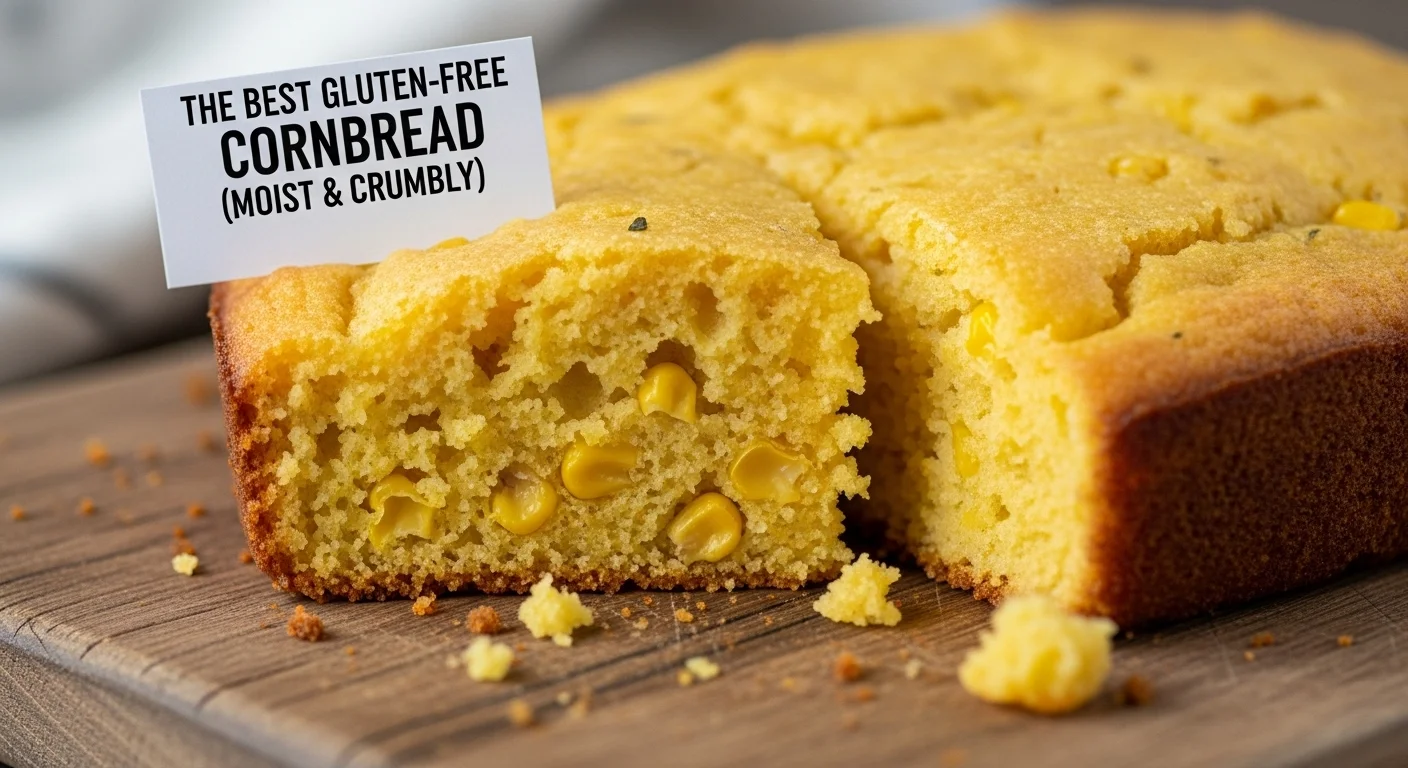
Understanding Gluten-Free Cornbread
What is Cornbread?
Cornbread is a beloved dish in many American households, especially in the South. It’s a quick bread made from cornmeal, which gives it a unique texture and flavor. Traditionally, cornbread is often served as a side dish with meals ranging from barbecues to chili. I remember the first time I had homemade cornbread; it was warm, crumbly, and oh-so-delicious! The aroma that filled the kitchen while it baked was simply irresistible. Cornbread can be sweet or savory, and its versatility makes it a favorite for many.
Gluten-Free vs. Traditional Cornbread
For those of us who need to avoid gluten, traditional cornbread can pose a challenge. Traditional recipes typically use wheat flour alongside cornmeal, which is a no-go for the gluten-sensitive. However, I’ve discovered that making gluten-free cornbread isn’t just possible; it can be just as delightful, if not more so! The key is to replace wheat flour with a blend of gluten-free flours and other ingredients that maintain that moist and crumbly texture we all love.
When I first started experimenting with gluten-free cornbread recipes, I was pleasantly surprised by how easy it was to achieve a texture that was fluffy and satisfying. With the right ingredients, gluten-free cornbread can compete with its traditional counterpart in both taste and texture.
Benefits of Gluten-Free Cornbread
Choosing gluten-free cornbread comes with its share of benefits. First, it allows those with gluten intolerance or celiac disease to enjoy a lovely bread without worrying about adverse reactions. Additionally, I’ve found that gluten-free recipes often introduce a variety of grains and flours that can enhance the nutritional value of cornbread. Ingredients like almond flour or coconut flour are rich in vitamins and minerals, making this delightful bread a healthier option.
Another benefit I’ve noticed is the creativity that comes with gluten-free baking. You can play around with different flavors and textures, leading to exciting variations of cornbread that you might not find in traditional recipes. I’ve tried adding ingredients like blueberries or jalapeños, and each time it turned out amazing!
Read Interesting article: 21 Classic and Unforgettable Thanksgiving Side Dishes
Key Ingredients for Moist and Crumbly Gluten-Free Cornbread
Gluten-Free Flour Options
One of the first things I learned when making gluten-free cornbread was the importance of choosing the right flour. There are many gluten-free flour blends available, and I often recommend using a mix that includes a combination of rice flour, tapioca flour, and potato starch. These flours work together to create a light and fluffy texture. When I made my first batch using a store-bought blend, it came out perfectly!
If you prefer to make your own blend, you can try mixing equal parts of almond flour and coconut flour, which can add a delightful flavor and moisture to the cornbread.
The Role of Cornmeal
Cornmeal is the star ingredient in any cornbread recipe, and it’s especially important in gluten-free versions. I love using medium or coarse cornmeal for that distinct texture, but fine cornmeal works well too. It not only adds flavor but also contributes to the crumbly texture we seek in cornbread. I’ve experimented with different types of cornmeal, and I’ve found that using a stone-ground cornmeal gives the best flavor and texture.
Moisture Retainers: Eggs, Milk, and Alternatives
Keeping gluten-free cornbread moist is crucial. In my experience, eggs play a vital role in binding the ingredients and keeping the bread from becoming dry. If you’re vegan, I’ve found that flax eggs (a mixture of ground flaxseed and water) can be an excellent substitute. For the liquid component, I usually opt for almond milk or oat milk, which provide richness without gluten. I once tried a recipe with coconut milk, and the flavor it added was incredible!
Sweeteners: Honey, Sugar, and Alternatives
When it comes to sweeteners, I often use honey or maple syrup to add a hint of sweetness to cornbread. I’ve learned that a little sweetness can enhance the flavor profile without making it overly sweet. For a healthier option, you can also use coconut sugar or stevia, depending on your preference. I find that sweetening the cornbread naturally allows the corn flavor to shine through.
Fat Sources: Butter, Oil, and Dairy-Free Options
The fat in cornbread contributes to its moistness and flavor, so choosing the right fat is essential. I love using melted butter for that rich taste, but I’ve also experimented with olive oil for a lighter version. If you’re looking for dairy-free options, coconut oil is fantastic! When I made cornbread with coconut oil, it not only stayed moist but also added a subtle sweetness.
Best Recipes for Gluten-Free Cornbread
Classic Moist Gluten-Free Cornbread Recipe
When I think of comfort food, nothing beats the classic cornbread recipe. Here’s one I’ve perfected over time, and it never fails to satisfy my cravings. The beauty of this recipe lies in its simplicity and the delightful flavor it brings. Here’s what you’ll need:
- 1 cup gluten-free cornmeal
- 1 cup gluten-free all-purpose flour blend
- 1 tablespoon baking powder
- 1/2 teaspoon salt
- 1/4 cup sugar (or your preferred sweetener)
- 1 cup milk (or dairy-free alternative)
- 1/4 cup melted butter (or coconut oil for dairy-free)
- 2 large eggs (or flax eggs for vegan)
To make the cornbread, I start by preheating the oven to 400°F (200°C) and greasing an 8-inch square baking dish. In a bowl, I mix the dry ingredients: cornmeal, flour, baking powder, salt, and sugar. In a separate bowl, I whisk together the milk, melted butter, and eggs. Then, I combine the wet and dry ingredients, stirring until just mixed. I pour the batter into the prepared dish and bake for about 20-25 minutes, or until golden brown. The aroma while this bakes is just heavenly!
Sweet Cornbread Variations
If I’m in the mood for something a bit sweeter, I love to add a twist to my cornbread. One of my favorite variations is adding fresh blueberries or sweet corn kernels right into the batter. For instance, I’ve found that adding a cup of fresh or frozen blueberries creates a delightful contrast to the savory aspects of cornbread. The burst of flavor when you bite into a blueberry is simply irresistible! You can also drizzle some honey on top before serving for an extra touch of sweetness.
Another variation I enjoy is incorporating spices like cinnamon or nutmeg. A teaspoon of cinnamon can elevate the flavor profile, making it perfect for a cozy autumn gathering. I’ve even tried adding chocolate chips for a dessert-like treat, and let me tell you, it’s a hit!
Savory Cornbread Recipes
For those who prefer their cornbread on the savory side, I have discovered numerous combinations that pack a punch. One of my go-to savory recipes includes adding finely chopped jalapeños and shredded cheese. The heat from the jalapeños paired with the creaminess of the cheese creates a fantastic flavor explosion. I love serving this version alongside chili or hearty soups.
Sometimes, I like to throw in some fresh herbs like chives or cilantro for an added layer of flavor. It’s amazing how a few herbs can transform the cornbread into a gourmet side dish that complements any meal. I remember the first time I made this savory cornbread; it was gone in minutes at my family dinner!
Vegan Gluten-Free Cornbread Recipe
For my friends who follow a vegan lifestyle, I’ve crafted a delicious vegan cornbread recipe that’s just as moist and tasty. To make it, I use the same base ingredients but substitute the eggs with flax eggs. Here’s the simple recipe:
- 1 cup gluten-free cornmeal
- 1 cup gluten-free flour blend
- 1 tablespoon baking powder
- 1/2 teaspoon salt
- 1/4 cup maple syrup or agave nectar
- 1 cup almond milk (or any dairy-free milk)
- 1/4 cup melted coconut oil
In this recipe, I mix the dry components as before and combine them with the wet ingredients. The key is to let the flax eggs sit for a few minutes to thicken before adding them to the batter. The result? A fluffy, vegan cornbread that everyone will love, regardless of their dietary choices!
Jalapeño Cheddar Gluten-Free Cornbread
This is my absolute favorite when I want to spice things up! The combination of jalapeños and cheddar cheese creates a savory treat that’s perfect for any occasion. Just follow the classic cornbread recipe, but add in:
- 1 cup shredded sharp cheddar cheese
- 1/2 cup finely diced jalapeños (adjust to your spice preference)
Mix these into the batter right before pouring it into the baking dish. I promise you’ll fall in love with the cheesy, spicy goodness that comes out of the oven. It’s always a crowd-pleaser at gatherings!
Each of these recipes offers a delightful way to enjoy gluten-free cornbread. I often find myself experimenting and adapting these recipes based on what I have on hand or my mood, and it’s always rewarding to see how they turn out! Slow Cooker Grape Jelly Meatballs also make for a great pairing!
Tips for Perfecting Your Gluten-Free Cornbread
Choosing the Right Baking Pan
Choosing the right baking pan can make a significant difference in the outcome of your gluten-free cornbread. I’ve tried various pans, and I’ve found that using a cast-iron skillet or a metal baking dish works wonders. The cast iron retains heat beautifully, giving the cornbread a lovely crust while keeping the inside moist. If you’re using a glass baking dish, be aware that it may require a slightly longer baking time, which I learned through a few trial-and-error experiences. Whichever pan you choose, be sure to grease it well to prevent sticking.
Mixing Techniques for Optimal Texture
Mixing might seem like a simple task, but it can greatly affect the texture of your cornbread. I’ve noticed that over-mixing can lead to dense, gummy cornbread, which is not what we want! When combining wet and dry ingredients, I recommend mixing just until everything is incorporated. A few lumps are totally okay! It’s much better than overworking the batter. This technique helps keep the cornbread light and fluffy, which is exactly how I love it.
How to Test for Doneness
Testing for doneness is a crucial step that I’ve learned to pay attention to. I usually insert a toothpick into the center of the cornbread; if it comes out clean or with a few moist crumbs, it’s done! If it comes out wet, I know it needs a little more time. The aroma will also be your guide; when the cornbread starts smelling irresistible, it’s usually close to being ready! I’ve had moments where I was too eager and pulled it out too soon, only to regret it later.
Storing and Reheating Cornbread
Storing cornbread properly is essential for keeping it fresh. I’ve found that letting it cool completely before wrapping it in plastic wrap or aluminum foil helps maintain its moisture. I usually store mine at room temperature for a day or two, but if I want to keep it for longer, I pop it in the fridge. When reheating, I recommend using the oven for the best texture. A quick 10-minute warm-up at 350°F (175°C) can revive the cornbread’s moistness, making it taste as good as fresh-baked!
Serving Suggestions for Gluten-Free Cornbread
Pairing with Soups and Stews
One of my favorite ways to enjoy gluten-free cornbread is by pairing it with hearty soups and stews. The combination is simply magical! I remember a chilly evening when I served my cornbread alongside a spicy chili. The warmth of the cornbread balanced the heat of the dish perfectly. I often recommend serving it with a classic chicken soup or a savory vegetable stew. The bread soaks up the flavors beautifully, making every bite comforting.
Serving at Barbecues and Gatherings
During summer barbecues or family gatherings, gluten-free cornbread is always a hit! It’s easy to make in large batches, and I’ve found that it pairs wonderfully with grilled meats and fresh salads. I love cutting it into squares and serving it warm with a bit of butter or honey. It adds that homely touch to any outdoor gathering. I’ve had friends rave about it, even those who aren’t gluten-sensitive, which just goes to show how delicious and versatile cornbread can be!
Creative Toppings and Add-Ins
Getting creative with toppings and add-ins can elevate your gluten-free cornbread experience. I often like to serve mine with a dollop of whipped honey butter or a sprinkle of fresh herbs for a gourmet touch. Sometimes, I’ll offer a selection of toppings, such as spicy jalapeño jelly or a savory cheese spread, so everyone can customize their slice. I’ve also enjoyed cornbread topped with a fresh tomato salsa for a refreshing twist. The possibilities are endless, and it’s always fun to see what flavor combinations work best!
Common FAQs about Gluten-Free Cornbread
Can I Substitute Ingredients in Gluten-Free Cornbread?
Absolutely! One of the great things about baking is the flexibility it offers. If you don’t have a specific ingredient on hand, you can often substitute it with something else. For instance, if you’re out of almond milk, you can use coconut milk, soy milk, or even regular milk if you’re not strictly dairy-free. Similarly, if you prefer to avoid eggs, flax seeds or chia seeds mixed with water can work wonders as binders. I once ran out of baking powder and used baking soda combined with vinegar instead. It turned out just fine! Just keep in mind that you might need to adjust the measurements slightly based on what you use.
How to Fix Dry or Crumbly Cornbread?
If you find your cornbread is too dry or crumbly, there are a few tricks to rescue it the next time you bake. One method is to increase the amount of moisture in your recipe. Adding a bit more milk or oil can enhance the texture. I’ve also found that using buttermilk instead of regular milk makes a significant difference in moisture! If your cornbread is already baked and turned out dry, try serving it with a drizzle of honey or a dollop of yogurt to add some moisture back into each bite. You can even crumble it over a salad for a delightful crunch!
Is Gluten-Free Cornbread Nut-Free?
It can be! If you’re following a nut-free diet, you can opt for gluten-free flour blends that are specifically labeled as nut-free. Many store-bought blends are made from rice flour, tapioca, and potato starch, which are safe for those with nut allergies. However, if you’re making your own flour blend and using almond or coconut flour, then it won’t be nut-free. I’ve made gluten-free cornbread for friends who are nut-sensitive, and they loved it when I stuck to rice flour and cornmeal. Always read labels to ensure that there are no hidden nut ingredients!
How Long Does Gluten-Free Cornbread Last?
In my experience, gluten-free cornbread stays fresh for about 2-3 days when stored properly at room temperature. After that, you may notice it starting to dry out. If you want to keep it longer, I recommend refrigerating it, where it can last up to a week. You can also freeze cornbread for longer storage—just wrap it tightly in plastic wrap and then in aluminum foil. When you’re ready to enjoy it again, simply thaw it in the fridge overnight and warm it up in the oven for the best texture. I find that frozen cornbread can taste just as good as the day it was baked, especially if reheated correctly!
Final Thoughts
Gluten-free cornbread has a special place in my heart. It’s not just a dish; it’s comfort food that brings back memories of family gatherings and cozy nights in. Whether you prefer it sweet, savory, or somewhere in between, the versatility of gluten-free cornbread makes it a fantastic addition to any meal. Embracing gluten-free baking has opened up a world of flavors, textures, and creativity that I never thought possible. So, the next time you’re in the mood for something hearty, give gluten-free cornbread a try. I promise you won’t be disappointed!
Frequently Asked Questions
What is cornbread?
Cornbread is a quick bread made from cornmeal, which gives it a unique texture and flavor. It is especially popular in many American households, particularly in the South, and is often served as a side dish with meals like barbecues and chili.
What are the benefits of gluten-free cornbread?
Gluten-free cornbread allows those with gluten intolerance or celiac disease to enjoy bread without adverse reactions. It often introduces a variety of grains and flours that can enhance nutritional value, and it encourages creativity in baking by allowing for different flavors and textures.
What gluten-free flour options are recommended for cornbread?
A recommended blend for gluten-free cornbread includes rice flour, tapioca flour, and potato starch. You can also create your own blend using equal parts of almond flour and coconut flour to add flavor and moisture.
How can I keep gluten-free cornbread moist?
To keep gluten-free cornbread moist, it’s essential to use eggs to bind the ingredients. For vegan options, flax eggs are an excellent substitute. Additionally, using almond milk or oat milk can provide richness without gluten.
What sweeteners can be used in gluten-free cornbread?
Common sweeteners for gluten-free cornbread include honey, maple syrup, coconut sugar, and stevia. A little sweetness can enhance the flavor profile without overpowering the corn flavor.
What is a simple recipe for classic gluten-free cornbread?
A classic gluten-free cornbread recipe includes 1 cup gluten-free cornmeal, 1 cup gluten-free all-purpose flour blend, 1 tablespoon baking powder, 1/2 teaspoon salt, 1/4 cup sugar, 1 cup milk (or dairy-free alternative), 1/4 cup melted butter (or coconut oil), and 2 large eggs (or flax eggs for vegan). Mix dry and wet ingredients separately, combine, and bake at 400°F (200°C) for 20-25 minutes.
How can I add variations to gluten-free cornbread?
Variations can include adding fresh blueberries or sweet corn kernels for a sweet twist, or jalapeños and shredded cheese for a savory option. Spices like cinnamon or nutmeg can also elevate the flavor.
How should gluten-free cornbread be stored?
Gluten-free cornbread should be allowed to cool completely before wrapping in plastic wrap or aluminum foil. It can be stored at room temperature for 2-3 days or refrigerated for up to a week. For longer storage, it can be frozen, wrapped tightly, and then thawed in the fridge before reheating.
Can I substitute ingredients in gluten-free cornbread?
Yes! Ingredients can often be substituted, such as using coconut milk instead of almond milk or flax seeds as a binder instead of eggs. Adjustments may be needed based on what substitutes are used.
How long does gluten-free cornbread last?
Gluten-free cornbread stays fresh for about 2-3 days when stored properly at room temperature. Refrigeration can extend its life to up to a week, and it can be frozen for longer storage, maintaining good quality when reheated correctly.