
Finding the perfect gluten-free English muffin can feel like a treasure hunt. Luckily, I’ve spent some time exploring various options, and I’m excited to share what I’ve discovered!
Understanding Gluten-Free English Muffins
What Are English Muffins?
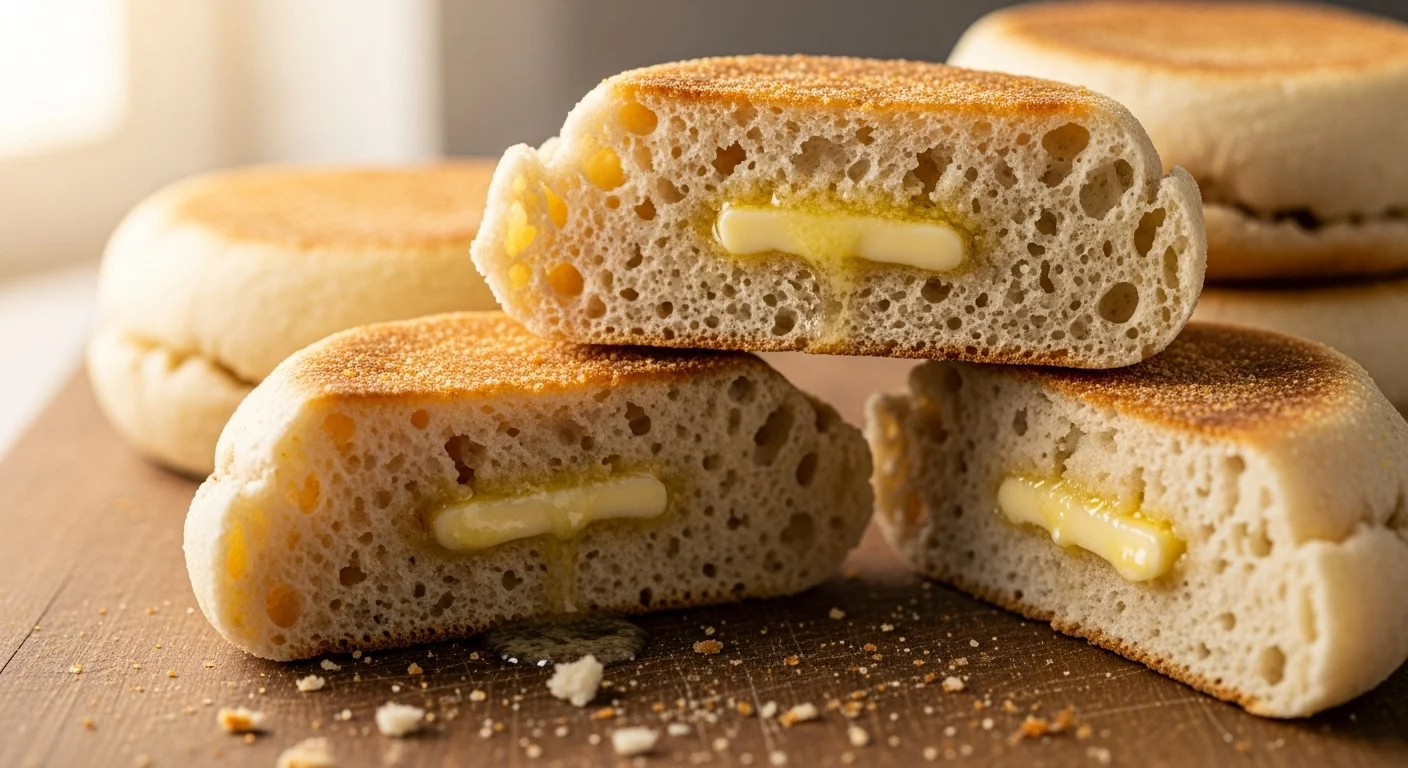
English muffins are a deliciously versatile bread, often enjoyed toasted and slathered with butter or used as a base for various toppings. They are typically round, flat, and have a unique texture, thanks to the way they are cooked on a griddle rather than baked in an oven. Growing up, I remember my morning routine often included a toasted English muffin with jam or as the foundation for my favorite breakfast sandwiches. That delightful nooks-and-crannies texture is what sets them apart, allowing the toppings to nestle in perfectly. The classic version is made with wheat flour, which, as many of us know, is a no-go for those with gluten sensitivities or celiac disease.
Traditional Ingredients vs. Gluten-Free Alternatives
Traditional English muffins are made with all-purpose wheat flour, yeast, sugar, salt, and sometimes milk or butter. This combination results in a wonderfully chewy texture and a flavor that pairs beautifully with a range of toppings. However, when you switch to gluten-free versions, the ingredients change significantly. I’ve tried various gluten-free flours, such as almond flour, coconut flour, and even blends designed specifically for gluten-free baking, and each one brings its own unique characteristics to the table.
One of the most critical components in gluten-free English muffins is the binding agent. Since gluten is what gives traditional muffins their structure, gluten-free muffins often rely on ingredients such as xanthan gum or psyllium husk to achieve that chewy texture. I remember my first attempt at making gluten-free muffins; it was a bit of a disaster until I discovered the right blend of ingredients. Now, I always keep a bag of gluten-free flour blend on hand, along with xanthan gum, just in case the craving strikes!
Another difference I’ve noticed is the moisture content. Gluten-free flours can absorb more liquid than regular flour, so the right balance is essential for the perfect muffin. I’ve learned to experiment with adding ingredients like applesauce or yogurt to help maintain moisture while still achieving a light and airy muffin.
Benefits of Gluten-Free English Muffins
Health Considerations for Gluten Sensitivity
For anyone with gluten sensitivity or celiac disease, the importance of gluten-free options is paramount. I’ve personally seen the difference a gluten-free diet can make. The discomfort and symptoms that come from ingesting gluten can be debilitating, and finding alternatives that taste good is essential. When I first transitioned to gluten-free eating, I felt overwhelmed by the restrictions until I discovered that there were so many delicious alternatives available, especially with English muffins!
Choosing gluten-free English muffins can help prevent those uncomfortable symptoms while still allowing us to enjoy our favorite breakfasts. Plus, many gluten-free products are now made with whole, nutritious ingredients that can enhance our overall health. I’ve found that I often have more energy and less bloating when I stick to gluten-free foods.
Nutritional Advantages of Gluten-Free Options
Another reason I adore gluten-free English muffins is the potential for increased nutritional value. Many brands and homemade recipes incorporate whole grains, seeds, and nuts, which can provide beneficial nutrients. For instance, I’ve made muffins using a combination of brown rice flour and ground flaxseed, resulting in a muffin that is higher in fiber and protein compared to traditional varieties.
Additionally, gluten-free products can often be crafted to cater to various dietary needs, such as dairy-free, vegan, or low-carb. I’ve experimented with different recipes, and I love that I can adjust them to fit my dietary preferences without sacrificing flavor. It’s all about finding that balance and discovering what works best for our bodies. Read Interesting article: Healthy sandwich ideas for kids
Overall, gluten-free English muffins allow us to indulge in a beloved breakfast staple while still prioritizing our health. I’ve learned that with a bit of creativity and experimentation in the kitchen, we can create muffins that satisfy our cravings and nourish our bodies!
Top Gluten-Free English Muffin Brands
Store-Bought Options
When it comes to gluten-free English muffins, I’ve found that there are some fantastic brands out there that cater to our needs. I love how many options are available now, making it easier to grab a pack during my grocery run instead of baking from scratch every time. Here are a few brands I’ve come to appreciate for their quality and flavor.
Brand A: Overview and Flavor Profile
One of my go-to brands is Udi’s Gluten Free. Their English muffins have a great texture, fluffy on the inside with the familiar nooks and crannies I love. I remember the first time I toasted one; the aroma filled my kitchen, and I couldn’t wait to spread my favorite jam on it. Udi’s muffins have a light sweetness, which makes them perfect for both savory and sweet toppings. They always seem to hold up well, even when piled high with generous amounts of avocado or nut butter.
Brand B: Overview and Flavor Profile
Another brand that deserves a mention is Thomas’ Gluten Free English Muffins. I was pleasantly surprised by how similar they tasted to the traditional ones I grew up eating. They have that classic English muffin texture, and the flavor is spot on! They also have a variety of flavors, including cinnamon-raisin, which has become a favorite for breakfast on chilly mornings. I often pair them with a warm cup of coffee, and it just feels like a cozy moment!
Brand C: Overview and Flavor Profile
Lastly, Gluten-Free Prairie offers a unique option that I’ve enjoyed for its wholesome ingredients. Their English muffins are made with a blend of brown rice and oat flour, giving them a hearty flavor. What I appreciate most is their commitment to organic, non-GMO ingredients. They have a slightly denser texture but still toast beautifully. I’ve found they make for a fantastic base for mini pizzas when I’m feeling creative in the kitchen!
Homemade Gluten-Free English Muffins
If you’re feeling adventurous and want to try your hand at making gluten-free English muffins at home, I’m excited to share some tips! Nothing beats the aroma of freshly baked muffins, and the satisfaction of creating something from scratch is hard to beat.
Essential Ingredients for a Perfect Muffin
To get started, you’ll want to gather some essential ingredients. Based on my experience, here’s what you’ll need:
- Gluten-free flour blend (I recommend one that includes xanthan gum)
- Yeast (instant or active dry)
- Warm water or milk (dairy or non-dairy according to preference)
- Honey or sugar (for a touch of sweetness)
- Salt
- Eggs (adds richness and helps bind the ingredients)
Having the right balance of ingredients is key. I’ve found that using a combination of different gluten-free flours can enhance both texture and flavor. For instance, mixing almond flour with a gluten-free blend can create a delightful nutty flavor.
Step-by-Step Recipe Guide
Here’s a simple recipe I often follow:
- In a bowl, combine 2 cups of your gluten-free flour blend, 1 tablespoon of instant yeast, and 1 teaspoon of salt.
- In a separate bowl, whisk together 1 cup of warm water or milk, 2 tablespoons of honey, and 1 egg.
- Gradually mix the wet ingredients into the dry ingredients, stirring until a dough forms. It will be slightly sticky.
- Cover the bowl with a clean towel and let it rise in a warm place for about 30 minutes.
- Once the dough has risen, scoop out portions onto a floured surface and shape them into rounds, about 1-inch thick. Place them on a parchment-lined baking sheet.
- Cover the rounds and let them rise for another 15-20 minutes.
- Cook them on a preheated griddle over medium heat for about 5-7 minutes on each side until golden brown.
- Let them cool slightly before slicing and toasting.
From my experience, these homemade muffins are delightful, and I love knowing exactly what’s going into them. Plus, they can be customized to your taste, whether you want to add in seeds, herbs, or spices!
Creative Ways to Enjoy Gluten-Free English Muffins
Breakfast Ideas
When it comes to breakfast, gluten-free English muffins can be a game changer. I’ve discovered so many ways to enjoy them, making each morning feel exciting rather than routine. Let me share a few of my favorite breakfast ideas that I think you might love too!
Classic Toppings: Butter and Jam
There’s something so comforting about the classic combination of butter and jam on a toasted English muffin. I remember my childhood mornings when my mom would serve me an English muffin slathered with warm butter and a generous spoonful of strawberry jam. It was simple but oh-so-satisfying! I still enjoy this nostalgic breakfast, but I’ve switched to using dairy-free butter and fruit preserves that are free from added sugars. It’s a delightful way to start the day while still keeping it wholesome.
Healthy Options: Avocado and Eggs
Avocado toast has taken breakfast by storm, and I can’t resist adding it to my gluten-free English muffins. I usually mash up half an avocado, sprinkle some salt, pepper, and a dash of lemon juice on top. For added protein, I often poach or fry an egg to place on top. The creamy avocado paired with a perfectly cooked egg creates a delicious and filling meal that keeps me energized through the morning. I’ve even experimented with adding a sprinkle of red pepper flakes for a little kick! Read Interesting article: I Tried the TikTok Chicken Crunch Bake—Delicious
Lunch and Dinner Uses
English muffins aren’t just for breakfast; they can easily transition into lunch or dinner. I’ve had so much fun coming up with creative ways to utilize them throughout the day.
Sandwich Ideas with Gluten-Free Muffins
One of my favorite lunchtime indulgences is a hearty sandwich made with gluten-free English muffins. I often layer turkey, lettuce, tomato, and hummus for a quick and nutritious meal. The nooks and crannies of the muffin hold the toppings beautifully, so each bite is packed with flavor. I also enjoy making a classic grilled cheese by adding some dairy-free cheese and grilling it on the stovetop until golden brown. It’s a comforting meal that brings back memories of chilly days spent indoors.
Alternative Uses: Mini Pizzas and Sliders
Who says gluten-free English muffins can’t be a canvas for creativity? I love using them to make mini pizzas! I spread a thin layer of tomato sauce on top, add some dairy-free cheese, and pile on my favorite toppings like mushrooms or bell peppers. After a quick bake in the oven until the cheese is melted, I have a fun and tasty treat that my friends and I enjoy during movie nights. Additionally, I’ve made sliders using two halves of an English muffin as the bun, filling them with grilled chicken, lettuce, and a drizzle of ranch dressing. It’s a great way to impress guests without spending hours in the kitchen! Read Interesting article: I Tried the Trending Hot Honey Brussels and OMG They Deliver
Where to Buy Gluten-Free English Muffins
Local Grocery Stores
Finding gluten-free English muffins can be as easy as a trip to your local grocery store. I usually head to the gluten-free aisle, where I’ve found many popular brands like Udi’s and Thomas’ readily available. Some stores even have a dedicated section for gluten-free products that makes the search much easier. I often check the labels to ensure there are no hidden gluten ingredients, but I’ve been pleasantly surprised by how many options are available now! If you’re unsure about what your local store carries, I recommend asking an employee; they’re usually happy to help.
Online Retailers
If you can’t find the right gluten-free English muffins in-store, don’t worry! Online shopping has made it incredibly convenient to access a wider variety. Websites like Amazon and Thrive Market offer a range of gluten-free brands, often with the option to subscribe and save. I’ve had great success ordering different flavors to try out new recipes or to stock up when I find a brand I really love. Plus, shopping online allows me to compare prices and read reviews, which is something I appreciate!
Tips for Storing and Freezing Gluten-Free English Muffins
Best Storage Practices
Once you’ve found or made some delicious gluten-free English muffins, proper storage is key to keeping them fresh. I usually keep my muffins in an airtight container in the pantry for up to a week. If I know I won’t finish them in that time, I freeze them to ensure they last longer. It’s such a relief to have a stash of muffins on hand for busy mornings!
How to Freeze and Reheat
Freezing gluten-free English muffins is super simple. I like to slice them in half before freezing, which makes it convenient to toast them directly from the freezer. Just place them in a freezer-safe bag or container, and they should last for a few months. When I’m ready to enjoy one, I pop it in the toaster or oven until it’s warmed through. I’ve found that this method keeps them tasting fresh, and I love the smell of toasting muffins filling my kitchen again!
Common Questions About Gluten-Free English Muffins
Are Gluten-Free English Muffins Healthier Than Regular Ones?
This is a common question I’ve encountered, and I think it really depends on the ingredients used. Some gluten-free English muffins can be healthier, especially if they incorporate wholesome ingredients like whole grains, seeds, and natural sweeteners. However, it’s important to read labels, as some gluten-free options can be high in sugar or preservatives. I always aim for brands or recipes that focus on nutrition without sacrificing taste.
How to Tell if Muffins Are Truly Gluten-Free?
When shopping, I look for certifications on the packaging, such as the “Gluten-Free” label from reliable organizations. This label indicates that the product meets strict standards. I’ve also learned to read ingredient lists carefully to check for any hidden sources of gluten. It’s worth taking the time to ensure the muffins I choose are safe for my diet.
Can I Make English Muffins Without Yeast?
If you’re not a fan of yeast or don’t have any on hand, you can definitely make gluten-free English muffins using baking powder instead! I’ve experimented with baking powder recipes, and while the texture may differ slightly, they can still be delicious and fluffy. It’s a great option for quick and easy muffins when I don’t have time to let the dough rise.
Final Thoughts
As I’ve explored the world of gluten-free English muffins, I’ve discovered a delightful range of options that cater to our dietary needs without compromising on taste. It’s been a journey filled with experimentation and discovery, and I’ve learned to appreciate the unique flavors and textures that gluten-free muffins can offer. Whether I’m toasting one for breakfast or using it as a base for a hearty sandwich, I feel empowered knowing there are delicious alternatives out there that are safe for me to enjoy.
In my opinion, finding the right gluten-free English muffin is about trial and error. I’ve had my fair share of misses, but when I find a brand or recipe that hits the mark, it makes the effort all worthwhile. I encourage everyone to try different brands and recipes to see what you enjoy the most. With the variety available today, there’s something for everyone, from classic flavors to adventurous blends.
For those of us who are navigating gluten sensitivity or celiac disease, it’s crucial to stay informed and cautious about what we eat. Understanding how to read labels and knowing where to find safe products has made a significant difference in my life. I’ve also found that experimenting with homemade recipes can be a fun and rewarding experience. The ability to customize ingredients means I can create muffins that align with my taste preferences and dietary needs.
Ultimately, gluten-free English muffins have opened up a world of delicious possibilities for breakfast, lunch, and beyond. They remind me that enjoying good food doesn’t have to come with a side of discomfort. With a little creativity, I believe we can all find ways to incorporate these tasty muffins into our meals, making every bite something to look forward to. So, whether you’re picking up a pack at the store or baking a batch at home, I hope you enjoy every scrumptious moment.
Frequently Asked Questions
What are English muffins?
English muffins are a round, flat bread typically enjoyed toasted and topped with various spreads. They are known for their unique texture, which is achieved by cooking on a griddle rather than baking in an oven.
What ingredients are used in traditional English muffins?
Traditional English muffins are made with all-purpose wheat flour, yeast, sugar, salt, and sometimes milk or butter. This combination results in a chewy texture and a flavor that pairs well with various toppings.
What are gluten-free English muffins made from?
Gluten-free English muffins use alternative flours such as almond flour, coconut flour, and specially formulated gluten-free flour blends. They often include binding agents like xanthan gum or psyllium husk to achieve a similar texture to traditional muffins.
What health benefits do gluten-free English muffins offer?
Gluten-free English muffins can prevent uncomfortable symptoms for those with gluten sensitivity or celiac disease. They often include whole, nutritious ingredients that can enhance overall health, leading to increased energy and reduced bloating.
Which brands of gluten-free English muffins are recommended?
Some recommended brands include Udi’s Gluten Free, which offers a fluffy texture; Thomas’ Gluten Free, known for its classic flavor; and Gluten-Free Prairie, which uses organic, non-GMO ingredients and provides a hearty flavor.
Can I make gluten-free English muffins at home?
Yes, you can make gluten-free English muffins at home using a combination of gluten-free flour blend, yeast, warm water or milk, honey or sugar, salt, and eggs. A simple recipe involves mixing these ingredients, allowing the dough to rise, shaping it into rounds, and cooking on a griddle.
What are some creative ways to enjoy gluten-free English muffins?
Gluten-free English muffins can be topped with butter and jam for a classic breakfast or used for avocado toast with eggs. They can also serve as a base for sandwiches, mini pizzas, or sliders for lunch and dinner.
Where can I buy gluten-free English muffins?
You can find gluten-free English muffins at local grocery stores, often in the gluten-free aisle or a dedicated section. If they are not available in-store, online retailers like Amazon and Thrive Market offer a wide variety of options.
How should I store gluten-free English muffins?
Store gluten-free English muffins in an airtight container at room temperature for up to a week. If you need to keep them longer, freeze them in a freezer-safe bag or container. They can be toasted directly from the freezer when ready to eat.
Are gluten-free English muffins healthier than regular ones?
The healthiness of gluten-free English muffins depends on the ingredients used. Some gluten-free options can be healthier, especially those that include wholesome ingredients, but it’s important to read labels for sugar and preservatives.