
If you love the soft, chewy goodness of naan but need a gluten-free option, you’re in for a treat! I’ve discovered how to make the best gluten-free naan bread that’s not just delicious but also easy to whip up at home.
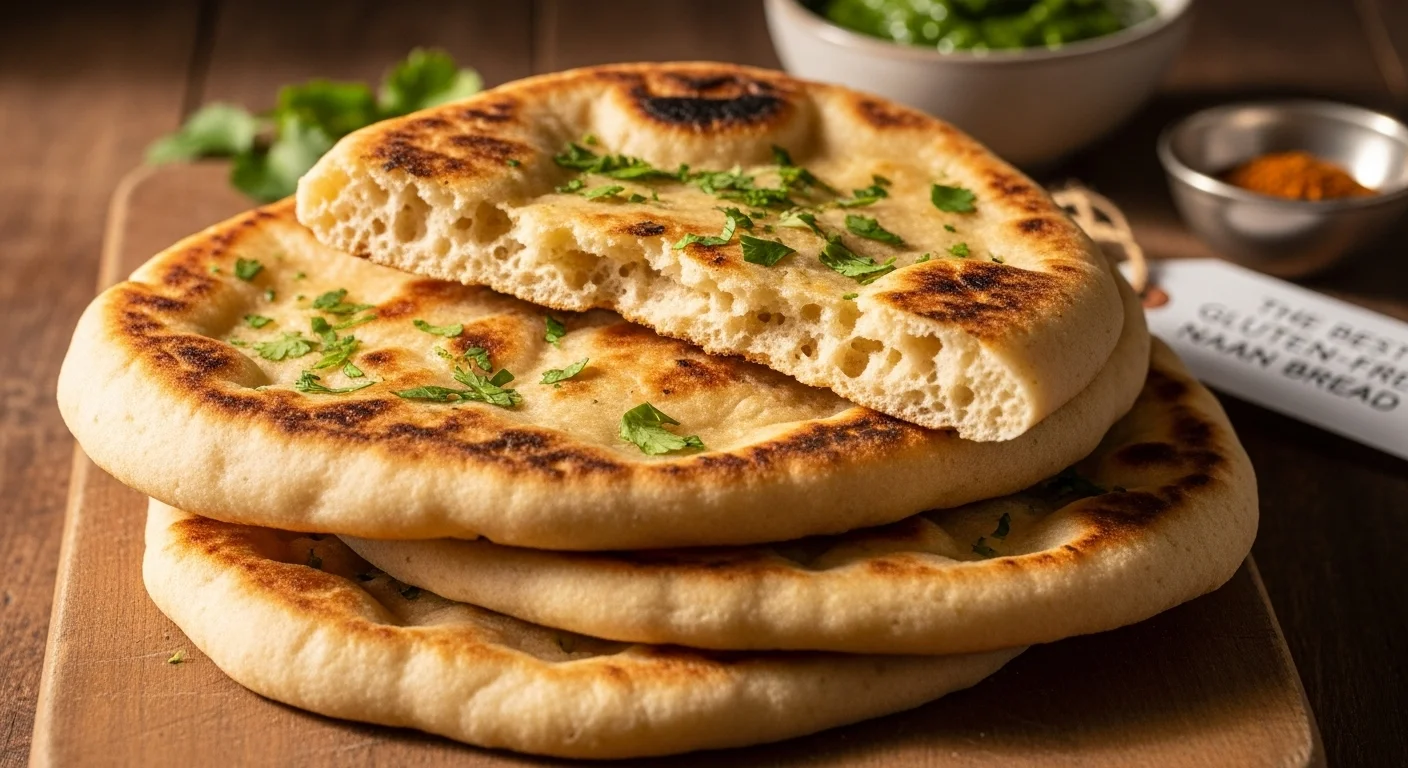
Understanding Gluten-Free Naan Bread
What is Naan Bread?
Naan bread is a beloved staple in many South Asian cuisines, particularly Indian. Traditionally, it’s made with wheat flour and cooked in a tandoor, which gives it a unique, soft, and slightly charred texture. I remember the first time I had naan; it was warm, fluffy, and perfect for scooping up curry. However, for those of us who need to avoid gluten, enjoying this delightful bread can feel out of reach. Fortunately, creating a gluten-free version means we can savor that same comforting experience without the gluten. Read Interesting article: I Tried the Trending Veg Curry Pasta—Instant Favorite
Why Choose Gluten-Free Options?
The decision to go gluten-free can stem from various reasons, whether it’s due to celiac disease, gluten intolerance, or simply a personal choice for better health. I’ve met many people who feel lighter and more energetic after cutting gluten from their diets. In my journey, I discovered that exploring gluten-free alternatives can lead to new flavors and textures in cooking. Gluten-free naan is a fantastic way to enjoy this classic dish, allowing us to partake in cultural meals without compromising our health.
Common Ingredients in Traditional Naan
Traditional naan uses basic ingredients: all-purpose flour, water, yogurt, yeast, and a bit of salt. Each ingredient contributes to that lovely softness and chewiness we all crave. But when making gluten-free naan, it’s essential to rethink these ingredients. The key is finding the right substitutes that mimic the texture and flavor without the gluten. I’ve experimented with various flours, and it’s been an exciting adventure to recreate that beloved naan experience.
Key Ingredients for Gluten-Free Naan
Gluten-Free Flours
The foundation of any gluten-free naan is the flour. Choosing the right blend can make or break your bread. I’ve tried a few different flours, and here are my favorites:
Almond Flour
Almond flour is fantastic for gluten-free baking. It’s rich in nutrients and adds a slight sweetness to the naan. When I first used almond flour, I was pleasantly surprised by how moist and soft it kept my naan.
Coconut Flour
Coconut flour is another popular choice, but it can be tricky because it absorbs a lot of moisture. I learned to balance it with additional liquids. The subtle coconut flavor can make your naan feel special and tropical, adding a unique twist to traditional recipes.
Chickpea Flour
Chickpea flour, or besan, gives a more robust flavor and a lovely golden color to naan. I’ve loved incorporating chickpea flour into my recipes, especially when I want a heartier bread that pairs well with spicy dishes.
Binders and Leavening Agents
In gluten-free baking, we need to incorporate binders and leaveners to ensure our naan has the right texture.
Xanthan Gum
Xanthan gum is a common binder that mimics gluten’s elasticity. When I first learned about it, I was skeptical. But adding just a small amount made my gluten-free naan feel wonderfully chewy, just like the real deal.
Yeast vs. Baking Powder
Using yeast can help achieve that classic rise in naan, while baking powder can be a quick substitute. I’ve experimented with both, and while yeast gives a more authentic flavor, using baking powder is a great shortcut when I’m short on time.
Dairy Alternatives for Vegan Options
If you’re looking for a vegan-friendly naan, using dairy alternatives is the way to go. I’ve enjoyed using almond milk or coconut yogurt in my recipes. These alternatives not only keep the naan soft but also add interesting flavors. It’s fun to know that even without dairy, we can create a delicious, fluffy bread that satisfies all cravings.
The Process of Making Gluten-Free Naan
Preparing the Dough
Now that we’ve gathered our key ingredients, let’s dive into the fun part: making the dough! I’ve found that preparing gluten-free naan dough is a bit different than traditional naan, but it’s still a straightforward process. First, I start by mixing my chosen gluten-free flours in a bowl. I usually combine almond flour, coconut flour, and chickpea flour to get a balanced texture and flavor. Then, I add the xanthan gum and the leavening agent—either yeast or baking powder—depending on what I’m in the mood for.
Next, I create a well in the center of the dry mixture and pour in warm water and my dairy alternative, like almond milk or coconut yogurt. It’s important to make sure the water isn’t too hot, as that could kill the yeast if I’m using it. I find that a whisk works well to mix everything together until I have a slightly sticky, cohesive dough. Don’t be alarmed if it seems a bit wetter than traditional dough; that’s perfectly normal for gluten-free mixtures!
Resting and Rising Time
Once the dough is mixed, I like to cover the bowl with a clean kitchen towel and let it rest for about 30 minutes. This resting period is crucial because it allows the flours to absorb moisture and the dough to rise a little bit if I used yeast. If I used baking powder, this step isn’t necessary, but I still let it sit for a bit to let the flavors meld together. During this time, I usually clean up my workspace and prepare my cooking area, which makes the whole process feel more seamless.
After the dough has rested, I give it a gentle knead, just enough to bring everything together. I then divide the dough into equal portions, shaping them into balls. I find that smaller naan cook more evenly, so I typically aim for golf ball-sized portions. The final step before cooking is to flatten each ball into a disc, using parchment paper to avoid any sticking issues.
Cooking Methods
Now that our naan discs are ready, it’s time to cook them! I’ve tried several cooking methods, and each offers unique flavors and textures. Here are my favorite ways to cook gluten-free naan:
Stovetop Techniques
Cooking naan on the stovetop is my go-to method for achieving that lovely char and slightly crispy texture. I heat a cast iron skillet over medium-high heat and lightly grease it with oil. Once the skillet is hot, I add a disc of dough and cook it for about 2-3 minutes on one side until bubbles form and it starts to brown. Then, I flip it over and cook for another 2 minutes. I love how the stovetop method creates those beautiful brown spots that remind me of traditional naan!
Oven Baking
If I’m making a larger batch or want to free up my stovetop for other dishes, baking naan in the oven works wonders too. I preheat my oven to a high temperature, around 475°F (245°C), and place a baking sheet inside to heat up. Once the oven is ready, I carefully transfer the naan onto the hot sheet and bake for about 5-7 minutes. The high heat gives it a nice puff and helps create that chewy texture we all love. Plus, the aroma that fills my kitchen while it’s baking is absolutely divine! Read Interesting article: This Indian Butter Chicken Pasta Is Going Wild Online
Grilling Options
If you’re feeling adventurous, grilling the naan adds a fantastic smoky flavor. I preheat my grill to medium-high heat and oil the grates lightly. Then, I lay the naan on the grill and cook for about 2-3 minutes on each side. I’ve found that grilling not only gives the naan beautiful grill marks but also creates a delightful texture that’s perfect for pairing with summer dishes.
Whichever method you choose, I recommend brushing the naan with melted vegan butter or olive oil right after cooking, adding a sprinkle of salt or herbs for extra flavor. The best part? You can enjoy this gluten-free naan simply with some hummus or alongside your favorite curry! I love how versatile this bread is, making it a staple in my kitchen.
Tips for Achieving Soft, Bubbly, and Chewy Naan
Hydration Levels in Dough
One thing I’ve learned through my gluten-free naan-making journey is the importance of hydration. Unlike regular wheat flour, gluten-free flours often require more liquid to achieve that soft, chewy texture we all love. When I first started, I found my dough to be too dry, which led to naan that was tough and unappetizing. Now, I always pay close attention to how the dough feels. If it seems too dry, I add a little more water or dairy alternative until I reach the right consistency. I recommend keeping a small bowl of warm water handy during the mixing process. Just a tablespoon at a time can make all the difference!
Temperature Control During Cooking
Cooking temperature plays a huge role in the final outcome of our naan. I’ve found that a hot cooking surface is essential for getting that bubbly texture. For stovetop cooking, preheating my cast iron skillet for a good 5-10 minutes really helps. If the skillet isn’t hot enough, the naan can end up being doughy instead of fluffy. The same goes for the oven—ensuring it’s at the right temperature before placing my naan in is key. I’ve learned that patience pays off when it comes to heating my cooking surface; the right temperature can create those beautiful bubbles that make naan so special.
Using a Cast Iron Skillet
Speaking of cooking surfaces, I can’t recommend using a cast iron skillet enough. This method has become my favorite for making gluten-free naan at home. A cast iron skillet retains heat really well, giving that perfect crispy exterior while keeping the inside soft. Plus, the way it distributes heat evenly helps create those lovely charred spots that remind me of the naan I loved in restaurants. I’ve even experimented with a few different skillets, but nothing compares to the results I get with my trusty cast iron. If you have one, give it a try—you’ll be amazed at the difference!
Flavor Variations and Add-Ins
Herbs and Spices
One of the joys of making gluten-free naan at home is the ability to customize flavors to suit my palate. Over time, I’ve discovered that adding herbs and spices to the dough can elevate my naan from delicious to extraordinary. For instance, I often throw in fresh herbs like cilantro or parsley into the mix. The aroma that fills my kitchen while they cook is heavenly!
Cilantro and Garlic
One of my all-time favorite variations is cilantro and garlic naan. I love finely chopping fresh cilantro and mixing it into the dough along with minced garlic. It adds a burst of freshness and flavor that pairs beautifully with spicy dishes. There’s something about the combination of garlic and cilantro that just works so well, and I always get compliments whenever I serve this version.
Spinach and Feta
Another delicious option I’ve enjoyed is spinach and feta naan. I often sauté fresh spinach with a bit of olive oil until it wilts, then mix it into the dough along with crumbled feta cheese. This not only gives the naan a vibrant green color but also adds a delightful taste that I can’t resist. I love serving this variation with a tangy yogurt sauce on the side for dipping!
Serving Suggestions
Once my naan is ready, the fun doesn’t stop there! I’ve found so many ways to enjoy it, and the versatility of this gluten-free bread is truly impressive.
With Curries and Dips
One of my favorite ways to serve naan is alongside a warm, flavorful curry. It’s perfect for scooping up the sauce, and there’s something so satisfying about tearing off a piece to enjoy with my meal. I’ve also discovered that gluten-free naan pairs wonderfully with dips like hummus or tzatziki. The texture holds up well, and it’s a great addition to any appetizer spread.
As a Base for Flatbread Pizzas
Another creative use I’ve adopted is transforming naan into flatbread pizzas. I simply top my naan with marinara sauce, fresh vegetables, and my favorite cheese, then bake it briefly in the oven until the cheese is bubbly. It’s a quick and easy meal that feels indulgent yet is also simple to prepare. I love how I can switch up the toppings based on what I have on hand, making it a versatile option for busy weeknights. Read Interesting article: Top 10 Fusion appetizers dishes to try
Whether I’m enjoying it with a delicious curry or crafting a unique pizza, gluten-free naan has truly become a staple in my kitchen. I hope you find these tips and variations as enjoyable as I have!
Frequently Asked Questions (FAQs)
Can I Make Gluten-Free Naan Ahead of Time?
Absolutely! I often make a batch of gluten-free naan ahead of time, especially when I know I’ll have a busy week. Once I’ve cooked the naan, I let it cool completely, then I store it in an airtight container or a zip-top bag. This makes it easy to grab and reheat whenever I need a quick side or snack.
How to Store Leftover Naan?
Storing leftover naan is simple. Once it’s completely cooled, I usually wrap it in foil or parchment paper and place it in a zip-top bag. If you want to keep it for longer, putting it in the freezer works wonders. Just make sure to separate each piece with parchment paper so they don’t stick together. When I’m ready to eat it, I either reheat it in the oven or on the stovetop to bring back that soft, warm texture.
Is Gluten-Free Naan Healthier Than Regular Naan?
This really depends on the ingredients you choose. I’ve found that gluten-free naan can be made with healthier ingredients, like almond flour or chickpea flour, which add nutritional value such as protein and fiber. However, just because it’s gluten-free doesn’t automatically mean it’s healthier. It’s important to consider the overall ingredients and how they fit into your diet. For me, the key is to enjoy gluten-free naan as part of a balanced diet while savoring every bite!
Can I Freeze Gluten-Free Naan?
Yes, freezing gluten-free naan is an excellent option! I often make extra to freeze for later. Just make sure it’s completely cooled, then stack the naan with parchment paper in between each piece to prevent sticking. I store the stack in an airtight container or freezer bag. When I want to enjoy it, I simply take it out and reheat it straight from the freezer. It’s like having freshly made naan at my fingertips!
Where to Find the Best Gluten-Free Naan Recipes
Online Resources and Blogs
The internet is full of fantastic resources for gluten-free naan recipes. I’ve stumbled upon many food blogs dedicated to gluten-free cooking that provide detailed recipes and tips. Websites like Minimalist Baker and Gluten-Free Girl have some amazing variations that inspired my own creations. I love exploring these sites for new ideas and flavor combinations!
Cookbooks Specializing in Gluten-Free Baking
If you prefer physical books, I highly recommend looking for cookbooks that focus on gluten-free baking. Titles like “Gluten-Free Artisan Bread in Five Minutes a Day” have great insights on various gluten-free bread, including naan. I’ve found that having a cookbook on hand can be really helpful, especially when I want to flip through pages for inspiration or learn new techniques.
Community and Recipe Sharing Platforms
Joining online communities or forums that focus on gluten-free cooking can be a treasure trove of information. Websites like Pinterest or Reddit have boards and threads where folks share their favorite gluten-free naan recipes. I’ve found so many unique takes on naan that I never would have considered otherwise. It’s a wonderful way to connect with others who share the same dietary needs and culinary interests!
Final Thoughts
Making gluten-free naan has truly been a rewarding experience for me. It’s opened up a whole new world of flavors and textures that I can enjoy without compromising my dietary needs. Whether I’m savoring it with a spicy curry or crafting a fun flatbread pizza, gluten-free naan has become a staple in my kitchen. I hope you find joy in trying out these recipes and tips, and I believe you’ll discover your own favorites along the way. So gather your ingredients, get creative, and most importantly, enjoy the process of making and savoring your gluten-free naan!